
Quick Answer: Matching the Right Gear to Your Training Goals
When your hands slip during deadlifts or your wrists bend uncomfortably during a heavy bench press, your progress stalls. These issues stem from two different physical limitations: grip fatigue and joint instability. Gym accessories target these specific bottlenecks, meaning a tool built to secure your grip will not help stabilize your joints, and vice versa.
To make an immediate decision, evaluate your primary training bottleneck:
- Choose traditional lifting straps if your grip gives out during high-volume pulling exercises like rows, lat pulldowns, or Romanian deadlifts.
- Choose wrist wraps if your wrists bend or ache under heavy loads during pushing exercises like the bench press, overhead press, or low-bar back squats.
- Choose figure-8 straps if you are performing maximal-effort deadlifts where absolute bar security is the priority and you do not need a quick-release mechanism.
These tools address distinct physical limitations and are not interchangeable.
Products mentioned in this guide
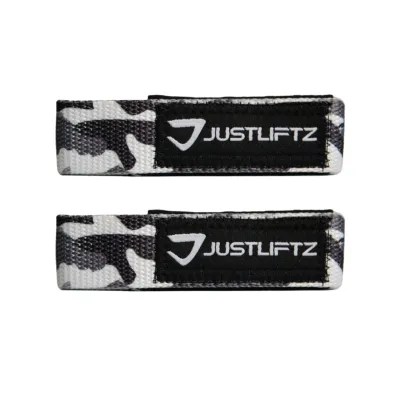
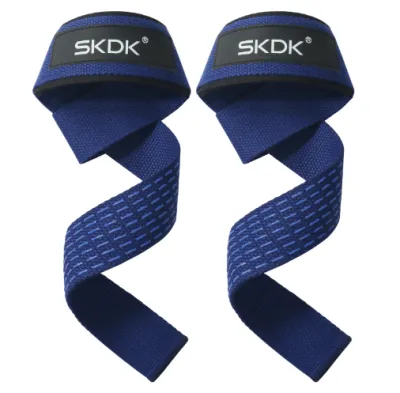
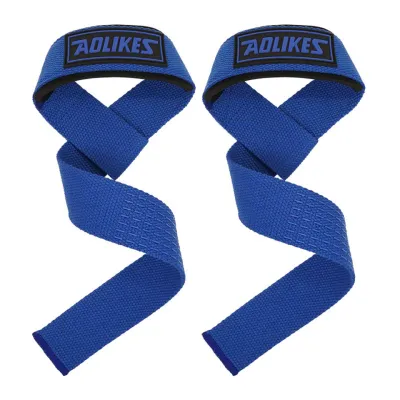
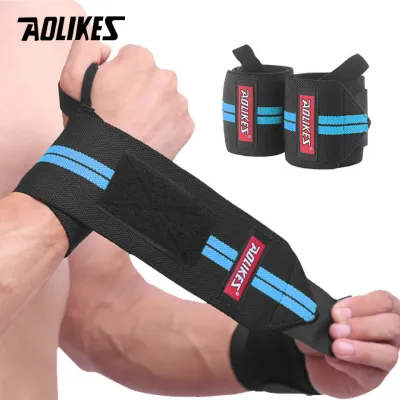
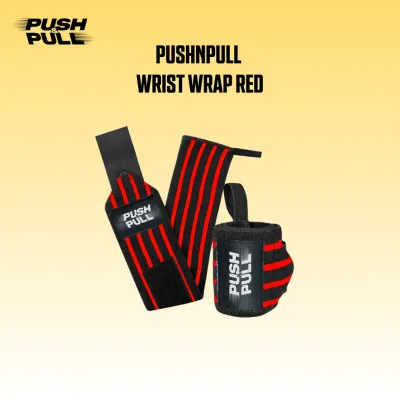
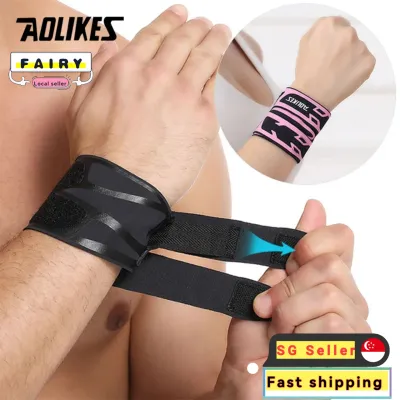
Prices are valid at publication and may change. Please refer to the product page for the latest price.
Grip Assistance vs. Joint Stabilization: The Core Differences
To select the right accessory, you must understand the mechanical distinction between grip assistance and joint stabilization. Grip assistance tools, such as traditional and figure-8 straps, act as an extension of your forearm muscles. They bind your wrists to the barbell, transferring the weight directly to your forearms. This mechanical link bypasses your finger flexors, allowing you to train target muscle groups like your upper back and hamstrings even after your hands are completely fatigued.

Joint stabilization is the sole purpose of wrist wraps. These are thick, elasticized bands wrapped tightly around the wrist joint to limit excessive extension or flexion under load. When you perform heavy pressing movements, the weight of the bar naturally pushes your hand backward, placing stress on the small bones and ligaments of the wrist. A wrist wrap acts as a temporary splint, keeping the joint in a neutral, stacked alignment directly over the forearm.
Using these tools incorrectly can lead to poor performance or unsafe lifting conditions. For example, wrapping a grip strap around a bar during a bench press is highly dangerous, as it does not support the joint and prevents you from safely discarding the bar in an emergency. Conversely, wearing wrist wraps during a heavy deadlift will do nothing to stop your fingers from opening up as the bar slips away.
When browsing options on an online marketplace, pay close attention to the material construction listed on product labels. Grip straps are typically made from heavy-duty cotton, nylon, or leather, each offering different levels of friction and comfort. Wrist wraps are woven from a blend of polyester, cotton, and elastic, with varying stiffness levels designed to balance comfort with rigid support.
Traditional Lifting Straps: Best for Pulling Movements
Traditional lifting straps, often referred to as lasso straps, are the most versatile grip aids available for general strength training. They feature a loop at one end through which you feed the tail of the strap, creating a secure loop around your wrist. The remaining tail is then wrapped tightly around the barbell in the opposite direction of your fingers, locking your hand to the steel.
These straps are ideal for any pulling exercise where your target muscles are larger and stronger than your grip. Exercises like barbell rows, dumbbell rows, Romanian deadlifts, and high-volume pull-ups often suffer because your forearms tire out before your back or hamstrings are fully stimulated. By using a lasso strap, you can continue your sets to true muscular fatigue without worrying about dropping the weight.
One key aspect of traditional straps is the learning curve associated with wrapping them. It requires practice to wrap the tail tightly around the bar using only one hand, especially when the first hand is already locked in. However, this design offers an important safety benefit: if you need to abort a lift quickly, simply opening your hand releases the tension, allowing the strap to unwrap and the bar to fall free.
When selecting traditional straps, verify the specifications on the product packaging:
- Wrist Padding: Look for neoprene or foam padding along the inside of the loop to prevent the material from digging into your skin under heavy loads.
- Material Durability: Cotton straps are soft and absorb sweat well, making them comfortable for beginners, while nylon straps are exceptionally durable and slicker, often preferred by experienced lifters who want a quick release.
- Strap Length: Standard straps are usually between 50 to 60 centimeters long; longer straps allow for more wraps around the bar but take longer to set up.
Wrist Wraps: Best for Pushing and Joint Stability
Wrist wraps are designed strictly for pressing movements and exercises where the wrist joint is subjected to heavy axial loading. Unlike grip straps, wraps do not attach to the barbell. Instead, they feature a thumb loop at one end to help anchor the wrap while you tension it around your wrist, securing it in place with a heavy-duty hook-and-loop fastening system.
The primary application for wrist wraps is during heavy pressing exercises, such as the flat bench press, overhead shoulder press, and push press. They are also highly beneficial during heavy back squats, where holding a heavy barbell on your upper back can force your wrists into extreme extension, causing discomfort. By wrapping the joint tightly, you maintain a straight line from your elbow through your wrist to the bar, optimizing force transfer and reducing joint strain.
The level of support you receive depends heavily on the stiffness of the material, the blend of fabrics, and the overall length of the wrap. Most manufacturers offer wraps in lengths ranging from 30 to 90 centimeters. Shorter wraps are easier to put on and offer moderate support suitable for general fitness, while longer wraps allow for multiple revolutions around the joint, creating a highly rigid, cast-like support system for maximal lifting.
Proper wrapping technique is essential for both safety and effectiveness. The wrap must cover the actual joint line of the wrist; wrapping too low on the forearm leaves the joint completely unsupported. Additionally, because these wraps must be applied tightly to work, they can restrict blood flow. Always loosen your wraps between sets to allow normal circulation, and check the manufacturer’s guidelines to ensure you are applying the correct amount of tension.
Figure-8 Straps: Best for Heavy Deadlifts and Maximum Security
Figure-8 straps are a highly specialized variation of the traditional lifting strap, designed for one primary purpose: absolute grip security. Shaped like the number eight, these straps feature two loops. To use them, you slip your wrist through one loop, pass the middle section of the strap under the barbell, and then thread your hand through the second loop before gripping the bar.
This unique design completely locks your wrists to the barbell. Because the strap loops over your wrist twice and passes under the bar, it is virtually impossible for your grip to fail, even if you completely open your hands. This makes them the preferred choice for competitive strongman athletes, heavy deadlifters, and lifters performing high-repetition shrugs where the load is extremely high.
However, this extreme security comes with a significant trade-off in safety. Unlike traditional lasso straps, figure-8 straps do not have a quick-release mechanism. If you lose your balance or experience a sudden muscle strain during a lift, you cannot simply let go of the bar; your wrists remain bound to the weight until you physically slide your hands out of the loops. For this reason, they should only be used for controlled, vertical pulling movements like deadlifts, and never for Olympic lifts or exercises where you might need to dump the bar quickly.
Sizing is another critical factor when purchasing figure-8 straps. Because they are made of fixed-length loops of heavy-duty cotton or nylon webbing, they do not adjust to your wrist size or the diameter of the barbell in the same way traditional straps do. You must measure your wrist circumference and check the manufacturer’s sizing chart carefully before buying to ensure the loops are neither too loose to provide grip support nor too tight to fit over your hands.
How to Choose the Right Gym Strap for Your Routine
Selecting the right accessory depends entirely on your current training routine, your specific lifting goals, and your experience level. Rather than buying every piece of gear available, focus on the specific movements that are currently limited by your physical grip or joint comfort.
Use this simple decision framework to guide your purchase:
- Choose traditional lifting straps if your primary goal is to build muscle in your back and hamstrings, and you find your hands slipping during Romanian deadlifts, lat pulldowns, or heavy rows.
- Choose wrist wraps if you are focused on increasing your bench press or overhead press strength, or if you experience wrist discomfort when holding a heavy barbell on your back during squats.
- Choose figure-8 straps if you are a dedicated powerlifter or strongman competitor training heavy deadlifts, and you require maximum grip security without the need for a quick-release option.
For beginners, a single pair of traditional lifting straps is usually more than sufficient to address early grip limitations. As you progress to heavier weights and more specialized training splits, you may find that owning a combination of both traditional straps and wrist wraps offers the best balance of pulling assistance and pushing stability.
Before finalizing your purchase on any online marketplace, go through this pre-purchase checklist:
- Verify Sizing: Check the manufacturer's sizing guide, especially for figure-8 straps and wrist wraps, to ensure a proper fit.
- Check Material Specifications: Look for heavy-duty cotton or nylon for durability, and ensure wrist wraps have reinforced stitching around the thumb loop and hook-and-loop closure.
- Review Return Policies: Ensure the retailer offers a clear return or exchange policy in case the stiffness or length of the accessory does not match your comfort preferences.
Frequently Asked Questions (FAQ)
Can I use lifting straps for bench pressing?
No, you should never use lifting straps for bench pressing. Lifting straps are designed to bind your hands to the bar for pulling movements and do not provide any structural support to the wrist joint. Using them during a press is highly unsafe because they prevent you from quickly releasing the bar in an emergency, and they will not stop your wrists from bending backward under heavy loads. For bench pressing, use wrist wraps instead.
How tight should wrist wraps be for heavy lifting?
Wrist wraps should be tight enough to feel highly supportive and limit wrist movement, but not so tight that they cause immediate numbness, tingling, or pain. They are meant to act as a temporary support during your actual lifting set. Always undo and loosen the wraps between your sets to restore normal blood circulation to your hands, and follow the manufacturer’s instructions for proper tensioning.
Are figure-8 straps allowed in powerlifting competitions?
Equipment rules vary strictly by federation. While some strongman competitions and local powerlifting events allow the use of figure-8 straps, major powerlifting federations typically prohibit any form of lifting straps (including traditional lasso and figure-8 designs) for official deadlift attempts, as grip strength is considered part of the contested lift. Always consult the specific rulebook of your chosen federation before purchasing gear for competitive use.
Community discussion
Share your experience or ask a question. Comments are reviewed before publication.