
Selecting the right shuttlecock for regular badminton sessions is a balancing act between flight performance, durability, and cost. While premium, tournament-grade brands have long dominated competitive leagues, alternative brands like Lingmei have gained traction among social clubs and recreational players. Deciding whether to stick with established premium options or switch to a value-oriented brand requires looking beyond marketing labels and evaluating the physical construction, local playing conditions, and actual consumption rates of your sessions.
To make an informed choice, players must understand how shuttlecock specifications translate to on-court performance. By analyzing feather types, speed ratings, and manufacturing quality, you can determine which shuttlecock tier matches your group’s skill level and playing frequency without overspending.
Decoding Shuttlecock Specifications for Regular Play
Understanding the physical anatomy of a shuttlecock is the first step in comparing different brands. The primary differentiator in shuttlecock construction is the feather type, which is typically either goose or duck feather. Goose feathers generally offer superior structural integrity and a more consistent flight path because the individual feathers are naturally thicker and more wind-resistant. Duck feathers, while more economical, tend to be thinner and more brittle, making them more susceptible to premature splitting during intense rallies.
Products mentioned in this guide
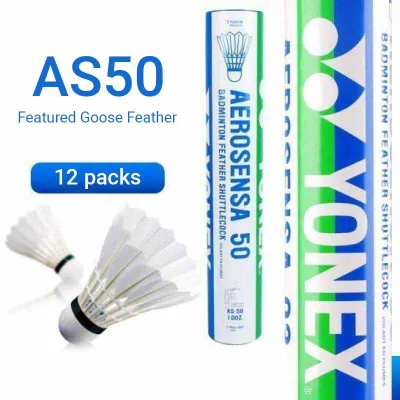
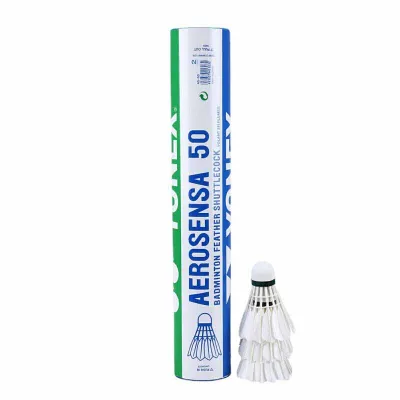
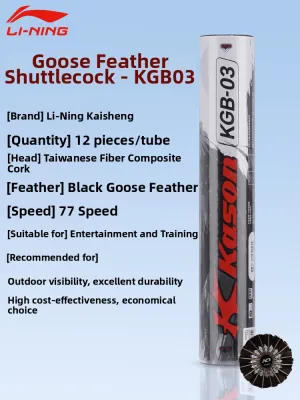

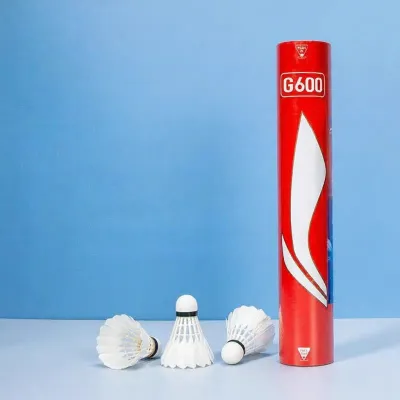
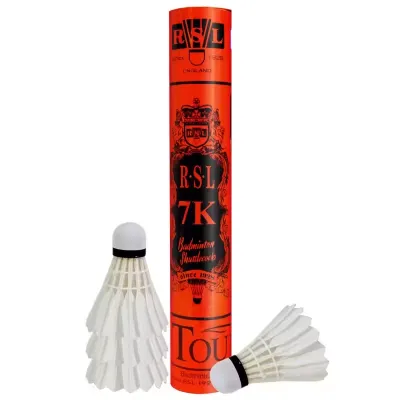
Prices are valid at publication and may change. Please refer to the product page for the latest price.
For casual or entry-level players, the choice between nylon and feather shuttlecocks is also highly relevant. Nylon shuttlecocks are exceptionally durable and cost-effective, making them suitable for outdoor recreational play or basic training drills. However, regular club players almost exclusively prefer feather shuttlecocks. Feather construction provides the authentic flight physics, sharp deceleration, and precise spin control required for proper net play and tactical shot placement.
Another critical specification is the speed rating, which typically ranges from 75 to 79 (or 1 to 5 on some regional scales). The speed rating indicates how fast and far the shuttlecock will fly under specific environmental conditions. In warm, humid tropical climates like Singapore, speed 76 or 77 is generally the standard. Warm air is less dense, which naturally allows the shuttlecock to travel faster and further. Using a speed rating that is too high for your local climate will result in shuttlecocks constantly flying out of bounds, disrupting the flow of your game. Always verify the speed label on the tube to ensure it matches your local playing environment.
Assessing Flight Stability and Durability in Practice
Because exact performance metrics can vary between different production batches, players should learn how to inspect shuttlecocks physically before hitting the court. When opening a new tube, examine the feather alignment first. The feathers should be evenly spaced with a uniform, unbroken curve around the skirt. Any asymmetry or irregular spacing will cause the shuttlecock to wobble or spin unevenly in the air, making it difficult to time your shots accurately.

Next, inspect the glue quality and the binding threads. High-quality shuttlecocks feature a double-ring thread pattern secured with a clean, even application of adhesive. Excessively thick or messy glue can add unnecessary weight and alter the balance, while insufficient glue can lead to the threads unraveling after just a few hard smashes. Additionally, check the cork base construction. Natural solid cork provides the most consistent rebound and tactile feedback, whereas composite or synthetic cork bases may feel stiffer and lose their shape more quickly under repeated impact.
Environmental factors and player habits also play a massive role in shuttlecock durability. Mishits—where the racket frame strikes the feather skirt instead of the cork—will instantly damage the feathers regardless of the brand’s quality. Furthermore, the humidity levels of your playing venue affect feather moisture. Dry, air-conditioned indoor halls can strip moisture from the feathers, making them highly brittle and prone to snapping. Checking user feedback on online marketplaces for mentions of “brittleness” or “wobble” can help you gauge how a specific batch performs under real-world conditions.
Evaluating True Value and Cost per Session
When comparing Lingmei to other brands, evaluating the true cost per session is far more accurate than simply comparing the upfront price of a tube. A tube of premium tournament shuttlecocks might cost S$45, while a budget-friendly training tube might cost S$30. However, if your group consumes two budget shuttlecocks per game due to rapid feather breakage, you will go through the cheaper tube twice as fast. In this scenario, the premium tube actually offers better value over time.
To calculate your actual cost per session, track how many shuttlecocks your group uses during a typical two-hour session. If a social group uses six high-quality goose feather shuttlecocks per session, the cost is relatively low compared to using a dozen lower-grade duck feather shuttles that lose their flight stability after a few rallies. Keeping a simple log of your consumption rate over a few weeks will reveal the most cost-effective option for your specific group’s playing style.
For regular players, bulk purchasing is an effective way to lower expenses. Buying shuttlecocks by the carton (usually containing 10 to 50 tubes) on ecommerce platforms or from local sports shops in established hubs like Queensway Shopping Centre can yield significant discounts. When buying in bulk, however, ensure you store the inventory correctly to prevent the feathers from drying out over time. It is often wise to purchase a single trial tube from a new batch before committing to a large bulk order.
Understanding when to use premium tournament tiers versus budget-friendly training tiers is key to managing your budget. High-stakes league matches and advanced competitive play warrant the investment in premium goose feather tiers to ensure absolute flight consistency. Conversely, casual social sessions, multi-feed drills, and beginner training are best suited for mid-range or budget-friendly tiers, where minor flight variations do not significantly impact the quality of practice.
Decision Framework: Which Brand Fits Your Routine?
Choosing the right shuttlecock brand ultimately depends on your playing frequency, budget, and competitive level. By aligning your specific needs with the strengths of each brand tier, you can optimize both your playing experience and your wallet.
You should choose Lingmei or similar value-focused brands if:
- You organize or participate in high-frequency casual sessions where players of mixed skill levels are present.
- Your primary goal is to minimize your monthly badminton expenses while maintaining a reasonable standard of play.
- You require a reliable supply of bulk training shuttlecocks for multi-feed drills or practice sessions where high consumption is expected.
- You prefer a balanced option that offers acceptable flight stability without the premium price tag of tournament-grade brands.
You should choose established premium brands if:
- You play in sanctioned tournaments or highly competitive club leagues where strict flight consistency is mandatory.
- Your playing group consists of advanced players who can easily detect minor variations in shuttlecock speed and spin.
- You prioritize maximum durability under heavy, high-power smashing and are willing to pay a premium upfront for longer-lasting individual shuttles.
Before making a final decision, always verify the specific feather grade, speed rating, and hall conditions of your venue. Testing a single tube of a new model or batch is the safest way to ensure it meets your group’s expectations before investing in bulk quantities.
Frequently Asked Questions (FAQ)
How can I extend the lifespan of my feather shuttlecocks?
To maximize the lifespan of your feather shuttlecocks, you can humidify them using a safe steaming method. Gently pass steam from a handheld garment steamer or a thermos flask filled with hot water through the open ends of the shuttlecock tube for about 30 seconds, then seal the tube caps immediately to trap the moisture. This process restores flexibility to dry feathers, making them less brittle and more resistant to snapping during play. Additionally, always store your shuttlecock tubes vertically with the cork side facing down, and keep them away from direct sunlight or dry air-conditioning vents.
Does the shuttlecock speed rating matter for indoor halls in Singapore?
Yes, the speed rating is highly important due to Singapore’s tropical climate. In non-air-conditioned sports halls, the high temperature and humidity reduce air density, which causes shuttlecocks to fly faster; therefore, a slower speed rating like 76 is typically preferred to keep the shuttle within the court boundaries. In contrast, air-conditioned halls feature cooler, denser air that slows the shuttlecock down, making a speed 77 more suitable to achieve a natural flight distance. Always check the manufacturer’s recommended speed chart and adjust your selection based on the specific ventilation and temperature of your regular playing venue.
Community discussion
Share your experience or ask a question. Comments are reviewed before publication.