
When choosing a sports water bottle, thermal insulation is often the deciding factor between a refreshing cold drink and a lukewarm disappointment during a workout. A lock n lock water bottle delivers highly reliable double-wall vacuum insulation that effectively maintains cold temperatures for several hours. This performance makes it an excellent match for daily gym sessions, indoor fitness classes, urban commutes, and outdoor workouts in Singapore’s consistently hot and humid climate.
While Lock & Lock excels in everyday fitness scenarios, premium outdoor-focused brands are engineered for extreme environments, offering extended thermal retention that can keep beverages cold for up to 24 hours or longer. However, these specialized outdoor bottles typically come with a higher price tag and a heavier, bulkier design.
Your decision ultimately depends on your specific activities and environment. If you need a cost-effective, dependable bottle for daily exercises, fitness studios, and commuting, Lock & Lock offers outstanding value. If your pursuits involve multi-day treks, exposure to harsh outdoor elements, or a need for rugged impact resistance, investing in a premium heavy-duty alternative is highly recommended.
Products mentioned in this guide
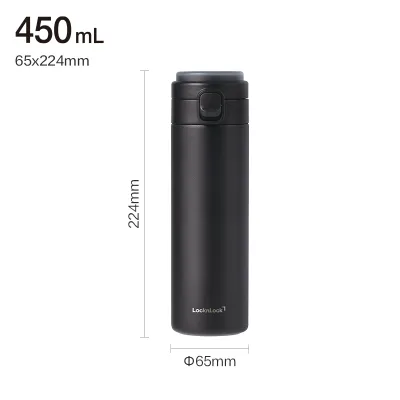
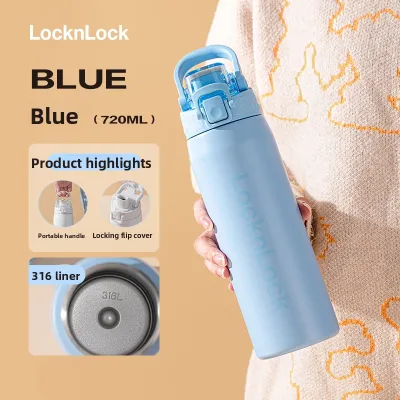
Prices are valid at publication and may change. Please refer to the product page for the latest price.
Key Insulation and Performance Factors for Sports Bottles
To evaluate how different sports bottles perform, it is essential to understand the physical mechanisms of thermal retention and how they interact with active use. Insulation is not a single, uniform standard; instead, it depends on specific engineering choices, material thicknesses, and environmental conditions.
Thermal Retention and Vacuum Technology
Double-wall vacuum insulation operates by creating a physical barrier against heat transfer. The bottle consists of an inner and outer container, usually made of stainless steel, with the air evacuated from the space between them. Because a vacuum contains no air molecules, heat cannot travel via conduction or convection across this gap. Radiative heat transfer is further minimized by coating or polishing the inner chamber’s exterior surface to reflect thermal radiation back into the bottle.
To assess a bottle’s actual capabilities, you should always check the manufacturer’s specific product labels for stated hot and cold retention hours. These ratings are not universal across a brand; they vary significantly based on the bottle’s overall capacity, the width of the mouth opening, and the design of the lid. A larger volume of liquid retains its temperature longer than a smaller volume because of a lower surface-area-to-volume ratio. Additionally, a wide-mouth opening allows more heat exchange than a narrow neck, meaning your choice of bottle shape directly impacts thermal performance.
Condensation and Sweat-Proof Exteriors
In high-humidity environments like Singapore, where the relative humidity frequently exceeds 80 percent, condensation is a major practical concern. When cold liquids are placed in a single-wall bottle, the exterior surface temperature drops below the dew point of the surrounding air, causing water vapor to condense into liquid droplets on the outside of the bottle.
High-quality double-wall vacuum insulation solves this issue by keeping the outer wall at ambient room temperature, preventing condensation entirely. A sweat-proof exterior is crucial for active individuals because it prevents moisture from pooling inside gym bags, damaging electronic devices like phones or tablets, and making the bottle slippery and difficult to grip during high-intensity workouts.
Material Durability and Weight Trade-offs
Most insulated sports bottles utilize food-grade 18/8 stainless steel because of its exceptional resistance to corrosion, rust, and physical impacts. This material is highly durable and does not retain or transfer flavors, ensuring your water tastes clean. However, the double-wall steel construction introduces a noticeable weight penalty compared to single-wall plastic or aluminum alternatives.
When engaging in high-mobility activities such as long-distance running, road cycling, or fast-packing, every gram of gear matters. Carrying a heavy stainless steel bottle can increase physical fatigue over time, making it necessary to balance your requirement for icy-cold water against the weight you are willing to carry. For high-intensity cardio, a lighter bottle with moderate insulation is often more practical than a heavy, ultra-insulated flask. You must decide whether temperature retention or physical lightness is more critical for your specific sport.
Lock & Lock vs. Other Leading Sports Bottle Categories
Understanding where Lock & Lock fits in the broader market helps clarify which bottle category aligns best with your lifestyle. Sports bottles generally fall into three distinct categories, each designed with different priorities regarding insulation, weight, and durability.

Lock & Lock (Everyday Fitness and Value)
Lock & Lock has built its reputation on practical, user-friendly designs that offer reliable thermal performance at an accessible price point. A typical lock n lock water bottle features robust double-wall vacuum insulation capable of keeping drinks cold for standard workout durations, typically ranging from 6 to 12 hours depending on the specific model. They are constructed with high-quality stainless steel and often feature a powder-coated exterior that enhances grip when your hands are sweaty.
These bottles are highly suited for air-conditioned gym environments, yoga studios, spin classes, and daily transitions from the office to the workout floor. They feature lightweight stainless steel builds and versatile, easy-to-clean lid designs. For the vast majority of fitness enthusiasts who exercise in controlled environments or short outdoor sessions, Lock & Lock provides the ideal balance of performance and budget-friendly utility.
Premium Heavy-Duty Outdoor Brands
Premium outdoor brands focus heavily on extreme thermal retention and rugged structural durability. These bottles often utilize thicker gauge stainless steel, proprietary powder coatings for enhanced grip, and heavily insulated lids designed to prevent heat transfer through the top of the bottle. They are engineered to keep liquids cold for 24 hours or hot for up to 12 hours, even when exposed to direct sunlight on a hot trail.
The trade-off for this superior thermal performance is a heavier dry weight, bulkier physical dimensions, and a significantly higher price. These bottles are designed for backcountry hikers, campers, and outdoor workers who do not have access to clean water refills and must rely on their bottle to maintain safe temperatures for an entire day or weekend. If you are planning an all-day trek in unshaded areas, the extra weight of a premium outdoor bottle is a worthwhile trade-off for ice-cold hydration.
Ultralight and Active-Sports Brands
Ultralight and active-sports brands prioritize weight reduction, aerodynamics, and on-the-go accessibility over maximum thermal retention. This category includes specialized running flasks, squeeze bottles for cyclists, and minimalist insulated bottles that use lightweight foam or thin reflective liners rather than a heavy steel vacuum. These bottles are often made of flexible, BPA-free plastics that allow you to squeeze the bottle to drink quickly while maintaining a steady pace.
While these bottles may only keep drinks cool for 1 to 2 hours, they are significantly lighter and often designed to fit securely into running vests, fuel belts, or standard bicycle bottle cages. For competitive runners, triathletes, and road cyclists, the physical ease of carrying and drinking from a lightweight, flexible bottle far outweighs the benefits of a heavier steel vacuum bottle that keeps water ice-cold for 12 hours.
Lid Designs, Portability, and Leak-Proof Features
A sports bottle’s insulation performance is heavily influenced by its lid design. While the double-wall steel body minimizes heat transfer through the sides, the lid is often the weakest point in the thermal barrier. Because most lids are made of plastic or silicone, heat exchange occurs more rapidly through the top of the bottle, making lid selection critical for both thermal efficiency and usability.
Lock & Lock offers a variety of practical lid types, including classic screw-caps, flip-tops, and integrated straw lids. Screw-caps provide the tightest seal and the best overall insulation because they contain fewer moving parts and thicker material barriers. However, they require two hands to open, which can be inconvenient during a workout. In contrast, flip-tops and straw lids allow for quick, one-handed hydration, but they introduce more air gaps and thinner seals, slightly reducing the bottle’s long-term temperature retention.
When selecting a sports bottle, it is vital to evaluate the leak-proof mechanisms and the quality of the silicone gaskets. A high-quality gasket creates an airtight seal that prevents leaks and maintains the internal vacuum’s thermal integrity. Over time, these gaskets can degrade, stretch, or accumulate residue, which compromises both the leak-proof seal and the insulation. Regularly checking, cleaning, and replacing worn gaskets is essential to prevent messy spills inside your sports bag. Straw lids, in particular, rely on small air valves to function, which can become points of leakage if the valve wears out or becomes misaligned.
Portability features also play a major role in how easily you can use the bottle during active pursuits. Look for lids with integrated carry loops, carabiner clips, or textured grips that allow you to carry the bottle securely while walking or jogging. For treadmill runners and cyclists, a lid that features a secure, one-handed locking mechanism is ideal, as it prevents accidental openings during high-movement activities while remaining easy to operate with a single thumb press.
Which Insulated Sports Bottle Should You Choose?
To help you select the ideal insulated water bottle for your routine, consider your primary activities, budget, and physical requirements.
Choose Lock & Lock if:
- Daily Gym Use: Your workouts primarily take place in air-conditioned gyms, fitness studios, or local parks.
- Standard Workouts: You need a reliable, budget-friendly bottle that keeps water cold for a standard 1-to-2-hour exercise session.
- Easy Maintenance: You value straightforward, practical lid designs that are easy to clean and maintain.
- Office-to-Gym Transitions: You want an everyday bottle that transitions seamlessly from an office desk to a gym locker.
Choose Premium Outdoor Brands if:
- Extreme Environments: You participate in multi-day hiking trips, camping, or outdoor sports under direct sunlight.
- Maximum Retention: You require maximum temperature retention to keep water ice-cold for 24 hours or longer.
- Rugged Durability: You need a highly rugged bottle that can withstand drops onto rocks, gravel, or hard outdoor terrain.
- Premium Budget: Budget is secondary to extreme-condition performance and heavy-duty durability.
Choose Ultralight Brands if:
- Weight-Sensitive Sports: You are a competitive runner, cyclist, or triathlete where minimizing gear weight is a top priority.
- Specialized Gear Integration: Your bottle must fit securely into specialized running vests, hydration belts, or bicycle bottle cages.
- On-the-Go Hydration: You prefer squeeze-to-drink functionality or flexible, soft-sided materials over rigid stainless steel.
- Short-Duration Cardio: You are comfortable sacrificing long-term thermal insulation in exchange for weight savings and aerodynamic designs.
Before making your final purchase, always verify the bottle’s physical dimensions, liquid capacity, and lid compatibility with your existing gear. Check that the bottle’s outer diameter fits your car’s cup holders, your gym bag’s side pockets, or your bicycle’s bottle cage. Choosing a bottle that integrates smoothly with your daily carrying methods ensures you will actually use it consistently to stay hydrated.
Cleaning and Maintaining Vacuum Insulation
Proper maintenance is essential to preserve both the hygienic condition of your sports bottle and the integrity of its vacuum insulation. Over time, moisture, sweat, and sports drink residues can lead to bacterial growth and unpleasant odors, particularly around the lid and silicone seals.
To clean your bottle safely, always hand wash the stainless steel body using warm water, mild dish soap, and a soft-bristled bottle brush. Avoid using abrasive scrubbing pads, steel wool, or harsh bleach-based cleaners, as these can scratch the inner lining and damage the protective exterior coating. After washing, allow all components to air dry completely in a well-ventilated area before reassembling or storing the bottle.
Unless explicitly stated otherwise by the manufacturer, never place a vacuum-insulated stainless steel bottle in the dishwasher. The extreme heat, high water pressure, and harsh chemical detergents used in dishwashers can compromise the vacuum seal, rendering the insulation ineffective. Additionally, dishwasher heat can warp plastic lids, degrade silicone gaskets, and cause exterior paint or powder coatings to peel.
If your bottle develops stubborn odors or stains from sports drinks, you can easily clean it using a natural baking soda paste. Mix two tablespoons of baking soda with a small amount of warm water to form a thick paste, apply it to the interior walls and silicone gaskets, and let it sit for 30 minutes. Scrub gently with a soft brush, then rinse thoroughly with warm water to restore a fresh, clean taste.
Frequently Asked Questions (FAQ)
Can I put boiling water in an insulated sports bottle?
Before pouring hot liquids into your bottle, always check the manufacturer’s maximum temperature rating on the product label. While the stainless steel body can withstand high temperatures, pouring boiling water into a bottle with a flip-top or straw lid can create dangerous pressure build-up inside. When you open the lid, the sudden release of pressure can cause hot liquid or steam to spray out, posing a serious risk of burns. If you use the bottle for hot beverages, choose a simple screw-cap lid and allow the liquid to cool to a safe drinking temperature before sealing.
How do I know if the vacuum insulation is broken?
The vacuum insulation layer can be permanently damaged if the bottle is dropped, subjected to a heavy impact, or severely dented, which can cause the inner and outer steel walls to touch and conduct heat. You can perform a simple tactile test to diagnose a broken vacuum seal: fill the bottle with hot water and feel the exterior surface. If the outside of the bottle feels hot to the touch, or if it sweats profusely when filled with ice-cold water, the vacuum seal has failed, and the bottle will no longer insulate effectively.
Community discussion
Share your experience or ask a question. Comments are reviewed before publication.