
When you are packing your gear for a workout in a humid, tropical climate, keeping your hydration cold is a top priority. A standard lock lock water bottle is a familiar sight in many households, but how does the brand’s sports line hold up against dedicated outdoor brands when it comes to thermal performance? The short answer is that LocknLock offers highly adequate temperature retention for typical gym sessions and daily workouts, provided you select their double-wall vacuum-insulated stainless steel models.
However, because insulation performance is heavily dictated by physical design rather than brand name alone, the right choice depends on your specific activity. Without standardized third-party testing across every single model, comparing manufacturer-stated retention hours and examining the physical seal mechanisms is the most reliable way to ensure your water stays cold from the first set to the final stretch. Evaluating the official LocknLock sports line requires checking individual product specifications rather than relying on general brand reputation.
Understanding Insulation Specifications on Bottle Labels
To make an informed comparison between LocknLock and other sports bottle brands, you must first understand the technology behind the claims. The baseline requirement for any high-performing thermal bottle is double-wall vacuum insulation. This construction features an inner and outer wall of stainless steel with the air sucked out of the space between them. Because a vacuum contains no air molecules, it prevents heat transfer by conduction or convection, keeping the temperature of your beverage stable for hours.
Products mentioned in this guide
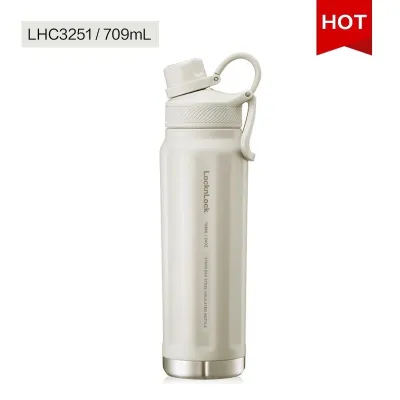
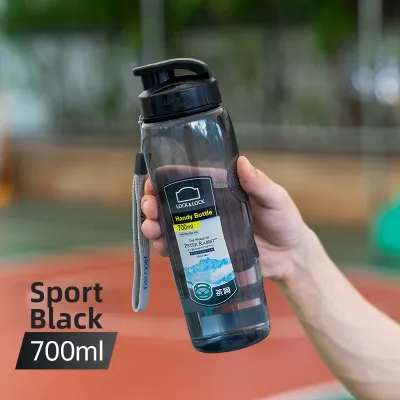
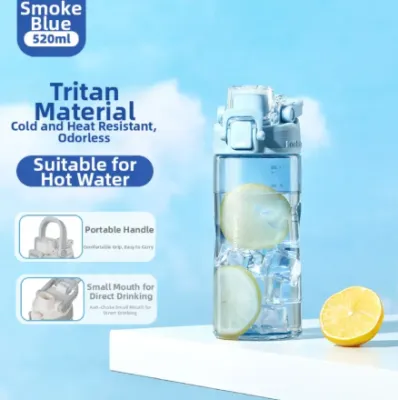
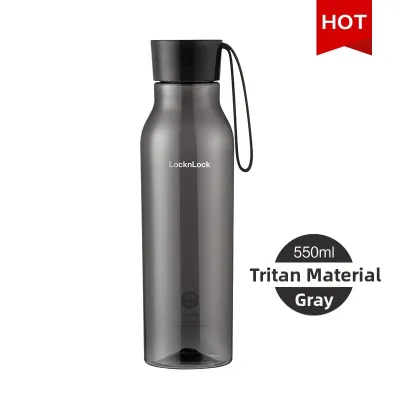
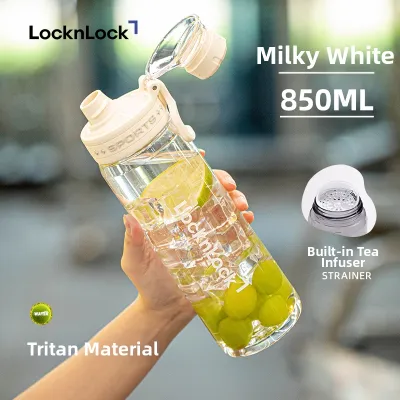
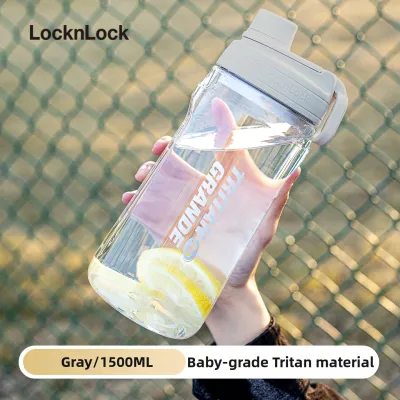
Prices are valid at publication and may change. Please refer to the product page for the latest price.
When browsing product labels, you will often see claims like “keeps cold for 24 hours” or “keeps hot for 12 hours.” It is important to interpret these numbers with a degree of caution. Cold retention claims are typically much longer than hot retention claims because the temperature differential between iced water and room temperature is smaller than the differential between boiling water and room temperature. Additionally, hot liquids lose heat rapidly through the lid assembly, which is rarely vacuum-insulated.
Furthermore, these manufacturer ratings are established under controlled laboratory conditions, which rarely match real-world use. A brand might test a bottle in a temperature-controlled room without opening it once during the test period. In contrast, when you take your bottle to a local fitness center or outdoor trail, you will open it repeatedly, exposing the contents to warm ambient air.
To get a realistic estimate of performance, always check the specific model’s stated capacity. Larger bottles naturally retain temperature longer than smaller ones because a larger volume of liquid holds more thermal energy and has a lower surface-area-to-volume ratio. When comparing a LocknLock bottle to a specialized outdoor brand, ensure you are comparing models of identical volume and lid styles to make a fair assessment.
Design Features That Impact Real-World Thermal Performance
While the vacuum-insulated body does the heavy lifting, the lid is the primary point of thermal escape. Different lid mechanisms—such as straws, flip-lids, and screw-tops—affect how long your drink stays cold. Screw-top lids generally offer the most secure thermal seal because they have fewer moving parts and a solid barrier of plastic and silicone. Flip-lids and straw lids offer convenience during a workout but introduce more seams, gaskets, and air pathways where heat can slowly seep in.

Another critical factor is the width of the bottle neck. Wide-mouth bottles are incredibly convenient for adding ice cubes and cleaning the interior, but they also allow a larger volume of warm air to enter every time you unscrew the cap. Narrow-mouth bottles are much more efficient at retaining temperature during frequent use, though they can be more challenging to fill and clean. If maximum thermal retention is your goal, a narrow-mouth screw-top is almost always the superior design.
Exterior coatings also play a subtle role in your overall experience, especially during intense workouts. High-quality powder coatings provide a textured grip that prevents the bottle from slipping out of sweaty hands. More importantly, a properly insulated bottle should never “sweat” or form condensation on the outside. If you notice condensation forming on the exterior of your bottle, it is a clear sign that the vacuum seal has failed or that the lid design is allowing significant thermal transfer.
Finally, the quality of the internal silicone gaskets determines how well the bottle maintains its seal over time. Over months of use, these gaskets can degrade, stretch, or accumulate residue, leading to minor leaks and a drop in insulation performance. When comparing brands, look at the design of the lid gaskets to see if they are deeply recessed and securely fitted, as this prevents them from shifting during active movement.
Comparing Usability and Build for Sports and Outdoors
Beyond pure thermal performance, a sports water bottle must be practical to carry and durable enough to withstand accidental drops. Insulated stainless steel bottles are inherently heavier than single-wall plastic alternatives. When the bottle is filled to capacity, this weight increases significantly. If you are a runner or cyclist, a heavy bottle can be a drawback, making lightweight specialized sports brands more appealing. For gym workouts or stationary sports, however, the extra weight of a LocknLock bottle is rarely an issue.
Durability is another area where construction quality matters. Most reputable brands, including LocknLock, use food-grade stainless steel, typically labeled as 18/8 or 304 grade. This material is highly resistant to rust and does not retain flavors from sports drinks. However, the thickness of the steel can vary. Thinner steel walls make a bottle lighter but also make it more susceptible to denting when dropped on hard surfaces like concrete or gym floors. A severe dent can collapse the vacuum gap, permanently ruining the bottle’s insulation capabilities.
Ease of cleaning is a frequently overlooked aspect of sports bottle ownership. If you regularly mix sugary sports drinks, electrolyte powders, or protein shakes in your bottle, you must be able to clean every nook and cranny. Complex lid assemblies with built-in straws, bite valves, and spring-loaded buttons are notorious for harboring mold and bacteria. Simple screw-caps or lids with easily removable silicone gaskets are much easier to sanitize, ensuring your bottle remains safe and fresh for daily use.
Decision Framework: Which Insulated Bottle Fits Your Routine?
To help you decide between a LocknLock water bottle and other sports-centric brands, consider how your daily routine aligns with the following scenarios:
- Choose LocknLock if… Your primary routine consists of gym workouts, office use, or casual outdoor activities where extreme durability is not a necessity. LocknLock models often feature highly versatile lid designs that transition easily from the desk to the treadmill, offering reliable temperature retention for several hours at a highly competitive value.
- Choose specialized sports brands if… You participate in high-impact outdoor sports, long-distance trail running, or cycling. These activities often require ultra-lightweight builds, specialized hydration tube compatibility, or ruggedized rubber bumpers on the base to withstand heavy impacts and rough handling.
- Verify first if… Before making a final purchase, check the current prices on local online marketplaces or retail stores, where prices are typically listed in S$. Confirm whether replacement parts, such as silicone gaskets or alternative lids, are readily available for your chosen model. Finally, measure your gym bag pockets or bicycle bottle cage to ensure the bottle's diameter fits securely.
Frequently Asked Questions (FAQ)
Does a heavier insulated bottle mean better temperature retention?
Not necessarily. While a heavier bottle often indicates thicker stainless steel walls, this thickness primarily contributes to structural durability and dent resistance rather than vacuum quality. The efficiency of the insulation depends almost entirely on the integrity of the vacuum gap between the walls and the sealing capability of the lid. When choosing a bottle, rely on the manufacturer’s stated thermal retention hours and the physical design of the lid seal rather than using weight as a primary indicator of performance.
How can I test a new water bottle's insulation at home?
You can easily verify your bottle’s insulation performance using a simple home test. Fill the bottle to capacity with ice water, seal the lid completely, and let it sit in a room-temperature environment. Use a standard food thermometer to measure the water temperature at the start, and then check it again after twelve and twenty-four hours. Alternatively, you can fill the bottle with hot water—taking care to follow all manufacturer safety warnings regarding boiling liquids—and monitor the temperature drop. If the exterior of the bottle feels cold or hot to the touch during the test, heat is escaping, indicating a weak seal or a compromised vacuum.
Community discussion
Share your experience or ask a question. Comments are reviewed before publication.