
Choosing the right fitness equipment can significantly impact the consistency and effectiveness of your home workouts. When exploring resistance training options, you will inevitably face the choice between loop bands and tube bands with handles. Both styles offer a highly portable, space-saving alternative to traditional free weights, but they operate differently under tension and suit distinct movement patterns.
To determine which type is better for your strength training goals, you must evaluate your primary exercise focus. Loop bands are generally the optimal choice for lower body activation, lateral movements, and physical therapy. Conversely, tube bands with handles excel at upper body isolation, mimicking cable machine exercises, and providing a comfortable, secure grip. Understanding how these designs affect your body mechanics will help you build a safer, more effective routine.
Quick Answer: Which Band Type Fits Your Routine?
If your primary focus is lower body activation, glute work, dynamic warm-ups, or physical therapy, loop bands are the ideal choice. Their flat, continuous design wraps securely around your thighs or calves without rolling up or sliding during movement.
Products mentioned in this guide
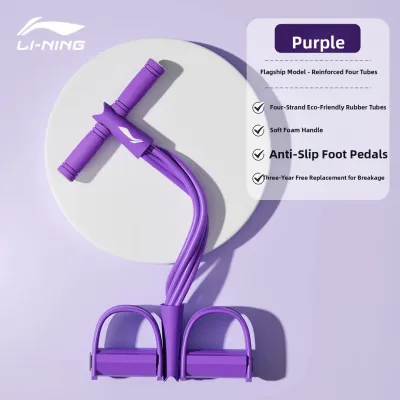
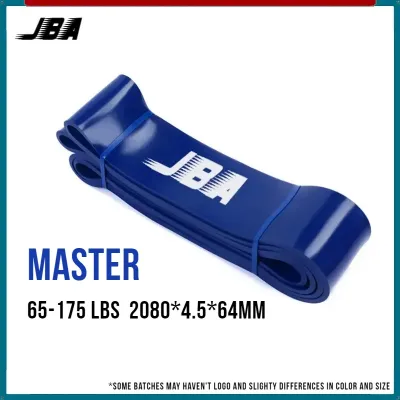
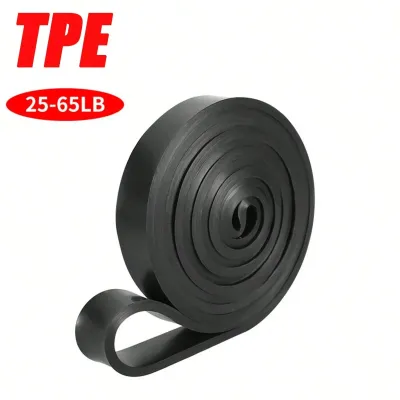
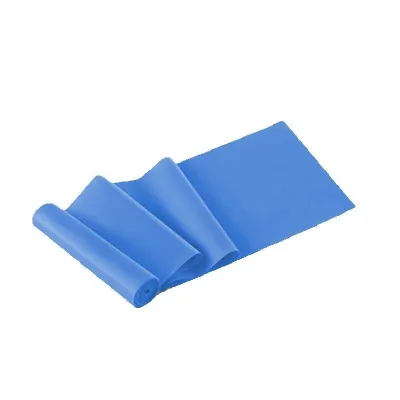
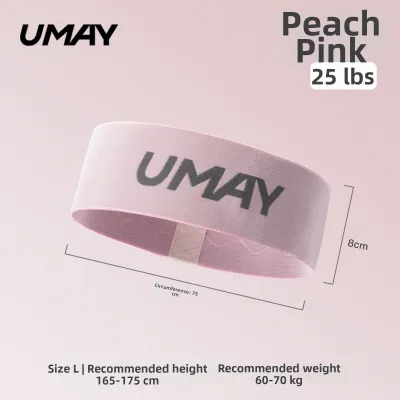
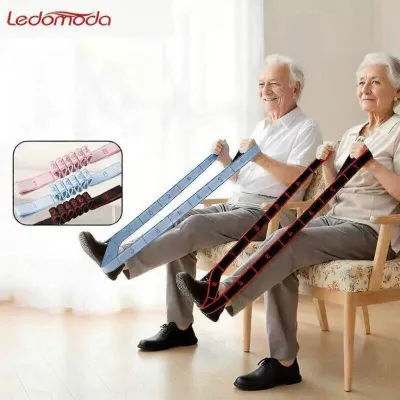

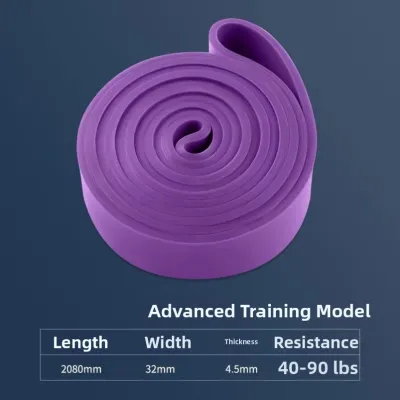
Prices are valid at publication and may change. Please refer to the product page for the latest price.
If you prioritize upper body isolation, traditional gym-like pulling and pushing exercises, or adjustable grip comfort, tube bands with handles are more suitable. They mimic cable machine movements and allow you to perform exercises like bicep curls and chest presses with a natural grip.
Neither option is universally superior. The optimal choice depends on your specific workout mechanics, comfort preferences, and the space you have available for anchoring your equipment safely.
Core Differences in Design and Mechanics
The physical construction of each band type dictates how resistance is applied to your muscles and joints. Loop bands consist of a continuous flat or tubular loop of rubber, latex, or woven fabric. They lack any handles or hardware, requiring you to grip the band directly or anchor it around your limbs. Because they are flat, they distribute tension across a wider surface area, which helps them stay in place when wrapped around your thighs, calves, or feet.

Tube bands, on the other hand, are cylindrical rubber tubes with metal carabiners or fabric loops at each end. These ends connect to separate accessories, most commonly foam-padded or hard plastic handles. This modular design allows you to swap handles for ankle straps or door anchors quickly. The rotating handles allow your wrists to rotate naturally during exercises, which can reduce joint strain in your elbows and wrists compared to gripping a flat band.
These structural variations also influence how you anchor the bands. Loop bands can be wrapped directly around a sturdy pole, banister, or your own feet without requiring extra hardware. Tube bands rely heavily on external anchors, such as a door attachment, to perform pulling or pushing movements safely. Without a secure anchor point, using tube bands for certain exercises can be awkward or unsafe, as the round tubing can easily roll or slip under your feet.
Comparing Training Applications and Exercise Types
When mapping out your exercise routine, the design of your bands will naturally steer you toward specific movements. For lower body training, loop bands are highly effective. Exercises like lateral walks, glute bridges, and squats require constant lateral tension to activate the glutes and hip abductors. A flat loop band sits securely above your knees or around your ankles, providing consistent resistance without rolling up into a tight, uncomfortable cord that pinches your skin.
For upper body training, tube bands with handles offer a much closer approximation to traditional gym equipment. If you enjoy exercises like bicep curls, chest presses, lat pulldowns, or seated rows, the handles provide a familiar grip that allows you to apply maximum force. The linear resistance of a tube band mimics the feel of a cable crossover machine, making it easier to isolate specific muscle groups like the shoulders, chest, and arms.
There are areas of overlap where both band types can perform the same functional movements, though the user experience will differ. For instance, you can perform standing overhead presses with both types. With a loop band, you must step on the bottom of the loop and press the top upward, which can press the rubber uncomfortably against your forearms. With a tube band, the handles keep the rubber tubing away from your arms, offering a more comfortable path of motion.
Your choice should also consider the progression of resistance. Tube bands often come in sets where you can clip multiple bands onto a single pair of handles, allowing you to increase the weight incrementally. Loop bands require you to switch to a physically wider or thicker band to increase resistance, which can sometimes feel like a massive jump in difficulty rather than a smooth progression.
Durability, Maintenance, and Safety Checks
Using elastic bands for strength training requires a proactive approach to safety, as a band snapping under high tension can cause severe injury. Before starting any workout, perform a quick visual inspection of your bands. Look for micro-tears, small punctures, or areas where the rubber has thinned or turned white. These are clear indicators of structural fatigue, meaning the band is no longer safe to stretch.
Proper anchoring is another critical factor in preventing premature wear and tear. Never anchor your bands around sharp, rough, or abrasive surfaces like threaded metal poles, outdoor concrete pillars, or wooden posts with splinters. The friction created during your exercises can quickly slice through rubber. Instead, use smooth, rounded anchors or protect the band by wrapping a towel around the contact point. When using door anchors, always slide them over the hinge side of the door and ensure the door is fully latched and locked.
Environmental factors can also degrade elastic materials over time. In tropical climates like Singapore, high humidity and ambient heat can accelerate the breakdown of latex and rubber, causing them to become brittle or sticky. To maximize the lifespan of your exercise bands, store them in a cool, dry place out of direct sunlight. Avoid leaving them in hot cars, balconies, or damp gym bags, and consider wiping them down with a damp cloth after sweaty sessions to remove body oils.
Establish a strict replacement policy for your gear. If you notice any permanent stretching where the band no longer returns to its original length, or if you spot any surface cracking, stop using it immediately. It is far safer and more cost-effective to replace a worn band than to risk the physical impact of a sudden snap during a heavy lift.
How to Build Your Resistance Band Setup
Creating a functional resistance band setup does not require a massive financial investment, but it does require some planning. Start by assessing your current fitness level and workout environment. If you live in a compact apartment where space is limited, a set of loop bands is incredibly easy to store and requires no setup time. If you have a dedicated workout space and want to replicate a full gym experience, a comprehensive tube band kit with a door anchor is a highly versatile option.
When shopping for a tube band kit, look for packages that include essential accessories. A high-quality kit should feature comfortable, sweat-resistant foam handles, heavy-duty metal carabiners, padded ankle straps, and a secure door anchor. Having these accessories on hand allows you to transition seamlessly from upper body exercises to lower body movements without having to purchase extra gear later.
For those who want the most versatile setup possible, combining both types of bands is often the best approach. You can use light loop bands for your dynamic warm-ups, joint mobility, and glute activation, and then transition to tube bands for your main strength training movements. This hybrid approach ensures you have the right tool for every exercise, maximizing your training efficiency.
Budget-wise, basic sets of loop bands or single tube bands typically start from around S$15, while comprehensive multi-band kits with handles and anchors can range up to S$60 or more. Focus on finding bands made from high-quality natural latex or durable layered fabric, as these materials tend to offer more consistent resistance and a longer lifespan than cheap synthetic alternatives.
Frequently Asked Questions (FAQ)
Can I use loop bands for upper body workouts?
Yes, loop bands can be adapted for upper body exercises, though they are less comfortable than tube bands. You can perform movements like band pull-aparts, bicep curls, and overhead presses by stepping on the band or wrapping it around your hands. However, because loop bands lack handles, the rubber can press tightly against your palms and wrists, which may cause discomfort or grip fatigue during high-resistance sets.
How do I know when it is time to replace my exercise bands?
You should replace your exercise bands immediately if you observe any visible signs of physical damage, such as small tears, cracks, peeling, or discoloration. Other indicators include a noticeable loss of tension, where the band feels much looser than when you bought it, or if the band remains permanently stretched out after use. Regularly testing the elasticity of your bands ensures you catch these signs before a snap occurs.
Are fabric loop bands better than rubber ones?
Fabric loop bands are generally better for lower body exercises because they are wider, softer, and do not roll up or slide down your legs during movement. They also tend to be more durable and comfortable against bare skin. However, rubber loop bands are much more versatile for full-body workouts, as they can stretch significantly further and are easier to clean after sweaty outdoor sessions.
Community discussion
Share your experience or ask a question. Comments are reviewed before publication.