
Quick Answer: Matching Band Types to Recovery Goals
Selecting the right stretching band depends on your specific recovery goals, physical mobility, and how you need to anchor the band during exercises. A tailored selection framework helps match your physical condition to the correct band format:
- Choose loop bands if you require hands-free lower body stretching, joint distraction, or lower limb activation where the band must stay securely wrapped around your legs or feet without slipping.
- Choose tube bands if you need ergonomic grips for upper body mobility, rotational shoulder stretches, or exercises that require anchoring the band to a door frame.
- Choose flat therapy bands if you are recovering from an injury, require gentle rehabilitation, or need to wrap the band around your hands or feet to adjust tension dynamically.
The primary mechanical difference lies in their physical construction. Continuous loop bands provide constant tension without handles, tube bands feature hollow cylindrical rubber with attached grips, and flat therapy bands consist of a wide, open-ended strip of elastic material. While these general formats serve distinct purposes, individual product specifications, physical therapy guidelines, and personal comfort should always override general assumptions.
Structural Differences: Loop, Tube, and Therapy Bands Explained
The physical design and structural variations of a stretching band dictate how it interacts with your body and external anchor points. The shape, thickness, and material composition determine the direction of resistance and the ease of maintaining a secure grip during a stretch. When selecting a band, always check the manufacturer labels for exact material composition, especially if you require latex-free options like Thermoplastic Elastomer (TPE) to avoid skin allergies.
Products mentioned in this guide
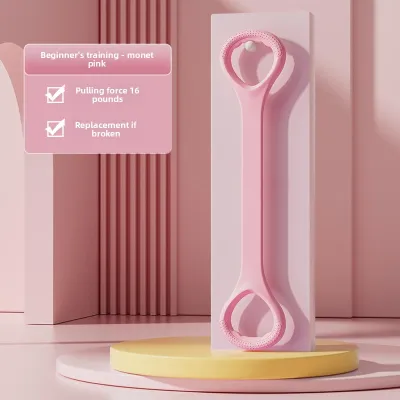
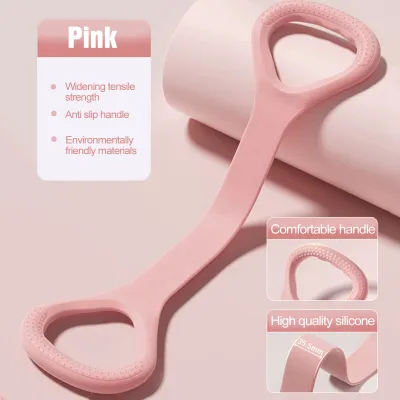
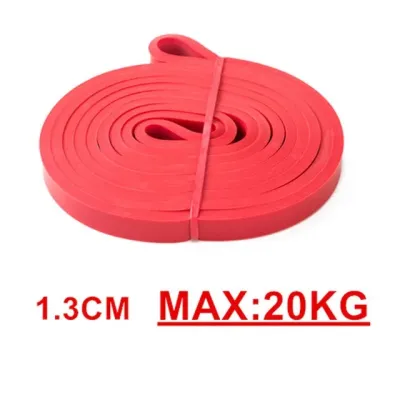
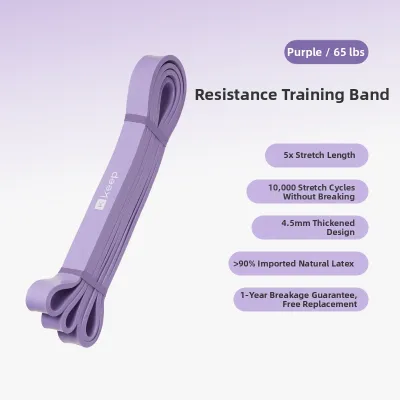
![[✅LOCAL] Resistance Bands Set Long Exercise Bands Latex Resistance Bands Long Tension Fitness Belt Strong Stretch Band](https://img.lazcdn.com/g/p/cb030dcf093a886b45dbd30c3ea63eab.png_400x400q80.png_.webp)
Prices are valid at publication and may change. Please refer to the product page for the latest price.

Loop Bands (Continuous Mini and Long Loops)
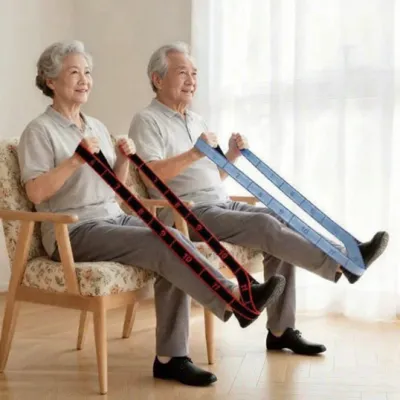
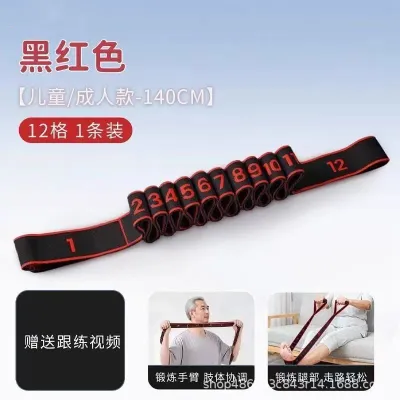
Continuous loop bands are manufactured as a single, unbroken circle and generally fall into two categories: short mini-loops (typically 9 to 12 inches) and long pull-up assist loops (typically 41 inches). These bands are highly effective for lower body activation, joint stabilization, and assisted stretching where your hands must remain free to support your body weight or maintain balance.
When choosing a loop band, consider the surface material:
- Fabric loop bands blend elastic threads with soft textiles, providing a wider, comfortable surface that resists rolling up or pinching the skin during deep leg stretches.
- Latex loop bands offer greater elasticity and a wider range of tension, but they can roll, slide, or pull on bare skin if not positioned carefully over clothing.
Tube Bands with Handles
Tube bands are constructed from hollow, cylindrical rubber or latex tubes, often featuring plastic or foam handles attached to carabiners at both ends. This design provides ergonomic grips that are highly suited for pulling motions, rotational stretches, and upper body mobility work, such as chest openers or shoulder pass-throughs.
However, tube bands have distinct limitations when used for lower body recovery. The round, narrow profile of the tube can cause discomfort when pressed directly against the arch of the foot, and the bulky handles make it difficult to anchor the band flat against the floor or wrap it securely around your limbs.
Flat Therapy Bands
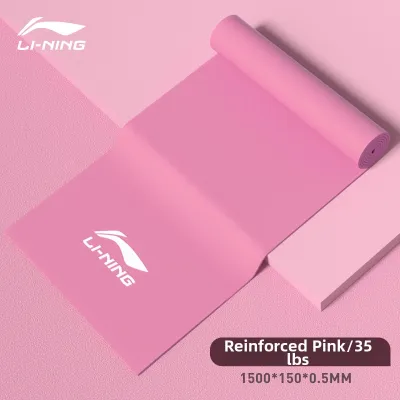
Flat therapy bands are thin, wide, open-ended sheets of latex or TPE, usually measuring between four and six feet in length. Because they do not have handles or fixed loops, they offer exceptional versatility. You can easily adjust the resistance dynamically by changing your hand placement along the length of the band or by folding the material to double the tension.
This flat, wide profile distributes pressure evenly across a larger surface area of your body. This makes therapy bands highly suitable for gentle, controlled range-of-motion exercises, wrapping around the foot for hamstring stretches, or securing around extremities during post-injury rehabilitation.
Key Decision Factors for Recovery and Flexibility
To find the stretching band that best supports your physical recovery, you must evaluate several practical variables based on your physical condition and training environment.
Resistance and Tension
Always consult the manufacturer’s resistance chart before purchasing, as color-coding systems vary significantly between brands. For recovery and flexibility, prioritize lower tension levels over high resistance. High resistance can trigger muscle guarding—an involuntary contraction where the muscle tightens to protect itself—which directly defeats the purpose of a stretch. A light, highly elastic band allows you to ease into a stretch with controlled, progressive tension.
Grip and Anchoring
Evaluate how the band will connect to your body and your surroundings. If your routine involves anchoring the band to a door, ensure you use a dedicated door anchor accessory to prevent the band from slipping and causing injury. For hand-held stretches, flat bands can be wrapped around the palms to secure a grip without squeezing, which is beneficial if you suffer from joint strain or arthritis in your hands. Tube bands require a firm grip on the handles, which may fatigue your hands during long static stretches.
Durability and Wear Indicators
Before every stretching session, perform a quick visual inspection of your bands. Look for common signs of material degradation, such as:
- Micro-tears or nicks along the edges of flat bands or loops.
- Whitening or discoloration of the material, which indicates localized stress and imminent failure.
- Loss of elasticity, where the band remains stretched out and fails to snap back to its original length.
- Handle or carabiner wear, including fraying straps or loose stitching on tube bands.
In warm, humid climates, latex bands can degrade more rapidly, becoming sticky or brittle if exposed to moisture and heat.
Portability and Storage
Stretching bands are highly portable, but improper storage can shorten their lifespan. Avoid folding bands tightly or leaving them bunched up in a hot gym bag. Store them flat or loosely coiled in a cool, dry place away from direct sunlight, as UV rays accelerate the breakdown of both latex and synthetic elastomers.
Building Your Recovery Routine: Which Band to Use When
Integrating stretching bands into your weekly routine requires understanding when and how to apply different types of tension to support your body’s natural recovery processes.
Pre-Workout Mobility vs. Post-Workout Cool-Down
Before physical activity, use light loop bands or tube bands for dynamic mobility work. Focus on active movements, such as lateral band walks or shoulder dislocates, to increase blood flow and joint lubrication. Post-workout, transition to flat therapy bands for static stretching. Use the wide band to gently hold muscles in an elongated position for 20 to 30 seconds, helping to calm the nervous system and promote flexibility.
Modifying Tension Dynamically
You do not always need to switch to a different band to change the intensity of a stretch. You can modify the tension of your existing equipment with simple adjustments:
- For flat therapy bands, shorten the working length by gripping closer to your body, or fold the band in half to double the resistance.
- For loop bands, adjust your stance or anchor distance to increase or decrease the starting tension.
- For tube bands, step on the tube with one foot to create a shorter, higher-tension segment for upper body stretches.
Always prioritize proper alignment and control over maximum stretch depth. If a movement causes you to compensate by shrugging your shoulders, twisting your hips, or arching your lower back, reduce the tension immediately. Most importantly, follow your specific physical therapy protocols and stop any movement that conflicts with professional medical advice.
Safety, Maintenance, and When to Stop
Using stretching bands safely requires regular maintenance and an awareness of your body’s physical limits.
Pre-Use Inspection Checklist
Before starting any stretch, run your fingers along the entire length of the band to check for structural weaknesses. Ensure that any door anchors used are placed on the side of the door that closes away from you, so the door frame supports the force of the pull. Never anchor a band to sharp edges, rough wooden posts, or painted surfaces that could cut or abrade the material.
Cleaning and Care
Keep your bands clean to prevent sweat and oils from degrading the material. Wipe them down after use with a damp cloth and mild, diluted soap. Avoid harsh chemical cleaners, bleach, or submerging metal carabiners in water. Allow the bands to air-dry completely in a shaded, well-ventilated area before storing them. For latex bands, applying a light dusting of talcum powder occasionally can prevent the material from sticking together.
Stopping Conditions
Stop stretching immediately if you experience any of the following warning signs:
- Sharp, shooting, or localized pain in a joint or muscle.
- Joint instability or a feeling that a joint is slipping out of its proper alignment.
- Compensatory movements, such as holding your breath or tensing your neck to force a limb into position.
- Sudden changes in band tension, which may indicate the material is about to snap.
Self-directed stretching is an excellent tool for general wellness, but it cannot replace professional care. If you experience persistent pain, swelling, or severely restricted mobility, stop using the bands and consult a qualified physiotherapist or medical professional to receive a personalized recovery plan.
Frequently Asked Questions (FAQ)
Can I use the same stretching band for both strength training and recovery?
While it is physically possible to use some bands for both purposes, recovery work generally requires much lower, more controlled tension than strength training. Using a heavy strength band for stretching can overload recovering tissues and trigger protective muscle spasms. It is safer to use a dedicated, light-resistance flat band or long loop band specifically for flexibility work, reserving heavier bands or handled tubes for resistance exercises.
How do I know if my stretching band is too tight for my current flexibility level?
Your band is too tight if you cannot perform the stretch through a controlled range of motion without shaking, holding your breath, or tensing unrelated muscle groups. You should feel a gentle, tolerable pull in the target muscle belly, never a sharp pinch or strain in your joints. If you find yourself tensing up, increase the length of the band, adjust your grip to a wider position, or switch to a lighter resistance level.
Community discussion
Share your experience or ask a question. Comments are reviewed before publication.