
Selecting the right exercise band can transform your home workouts, especially when training in compact living environments like Singapore’s apartments. While both loop bands and tube bands offer highly effective resistance training, they are designed for entirely different movement patterns and muscle groups. Choosing the wrong type can lead to frustrating workouts, slipping bands, or limited exercise options.
To make the right choice, look at your primary fitness goals. Loop bands are flat, continuous loops that excel at lower-body activation, glute training, and physical therapy. Tube bands are cylindrical tubes equipped with handles and carabiners, making them the superior choice for upper-body strength training, pulling movements, and replicating gym cable machines.
Quick Answer: Which Band Should You Choose?
Neither style of exercise band is universally superior; the ideal choice depends on your specific workout routine and physical setup.
Products mentioned in this guide
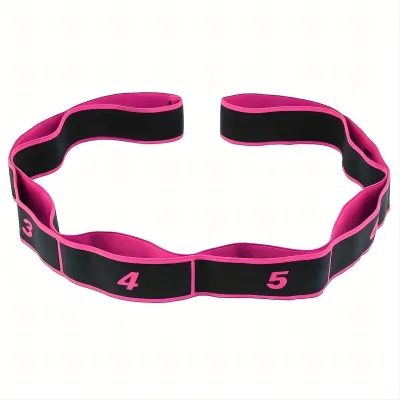
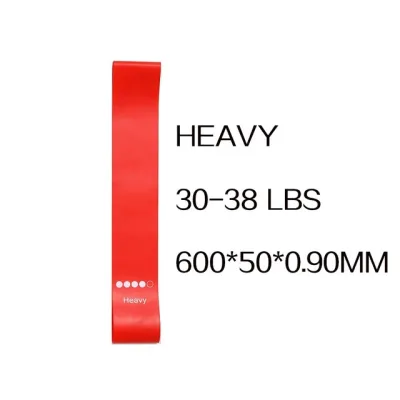
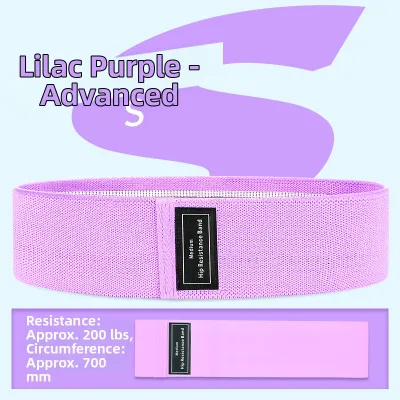
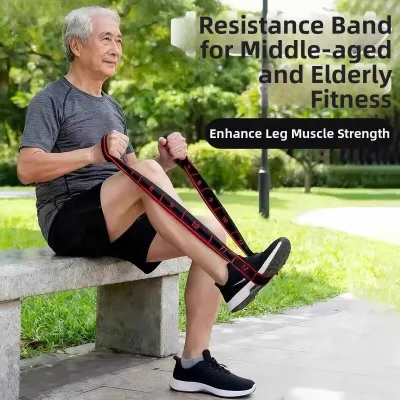
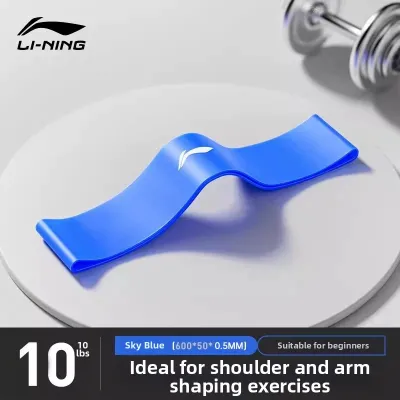
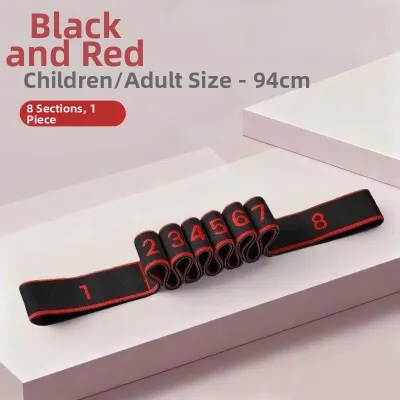
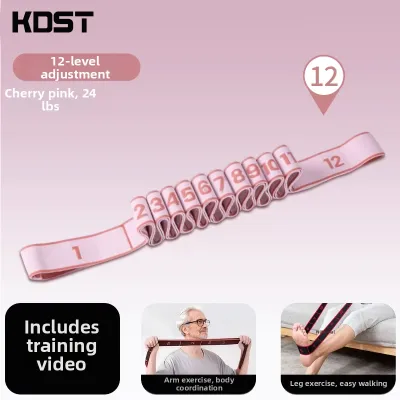
Prices are valid at publication and may change. Please refer to the product page for the latest price.
Choose loop bands if your training focus is lower-body isolation, hip stability, glute activation, or physical therapy. Their flat, wide design allows them to wrap securely around your legs without slipping or digging into your skin. They are also exceptionally lightweight and compact, making them the ultimate travel-friendly fitness accessory.
Choose tube bands if you want to build upper-body strength, perform compound pulling movements, or establish a versatile home gym without bulky equipment. The attached handles provide a secure, comfortable grip that mimics free weights, while the door anchors allow you to perform a wide variety of cable-style exercises.
Core Differences: Design, Resistance, and Feel
To understand why these bands excel at different movements, it is helpful to look at their physical construction and how they deliver resistance.

Loop bands, often referred to as flat bands, are molded as a single, continuous loop of rubber, latex, or woven fabric. They are flat and wide, which helps distribute the resistance evenly across a larger surface area of your body. This flat profile is essential for comfort when the band is wrapped around your thighs or ankles. However, thin latex loop bands have a natural tendency to roll up into tight, pinching ropes if they slide during dynamic leg movements or are placed over slippery synthetic clothing.
Tube bands are constructed from extruded cylindrical rubber cores, which are hollow inside. Many high-quality models feature a protective nylon or fabric sheath surrounding the rubber tube. These bands terminate in durable plastic or metal D-rings, allowing you to quickly clip on foam-grip handles, ankle straps, or door anchors. The inclusion of handles completely changes the ergonomics, giving you a familiar, secure handhold that feels very similar to holding a dumbbell or a cable attachment at a commercial gym.
The mechanical resistance profile also differs between the two styles. While both types rely on elastic tension where the resistance increases as the band stretches, they apply this force differently. Loop bands provide a broad, wrapping tension that is excellent for stabilizing joints and activating deep muscle groups. Tube bands, because they are pulled from a fixed anchor point using rigid handles, offer a more linear and direct line of pull. This makes tube bands highly effective for compound upper-body movements where maintaining a consistent path of motion is key to targeting specific muscles like the lats or chest.
Best Uses: When to Use Loop Bands vs Tube Bands
Matching the right exercise band to your specific training goals ensures that you can perform your exercises with proper form and maximum efficiency.
Loop Bands: Lower Body, Mobility, and Physical Therapy
Lower-body training is where flat loop bands truly shine. Exercises such as lateral band walks, glute bridges, clamshells, and banded squats require a band that can stay firmly in place around your thighs or ankles. Because loop bands are wide and flat, they cling securely to your skin or workout tights, providing steady resistance throughout the entire range of motion. For those who find latex bands uncomfortable or prone to rolling, woven fabric loop bands offer a wider, non-slip alternative that stays perfectly in place during heavy leg workouts.
Beyond strength training, loop bands are highly valued in mobility work, active stretching, and physical therapy. Physiotherapists frequently use light-resistance loop bands for rotator cuff rehabilitation, ankle stabilization, and hip mobility drills. The low-profile design allows you to loop the band around your feet or hands without needing to hold onto bulky handles, facilitating a more natural and relaxed movement pattern during rehab exercises.
However, loop bands have distinct limitations when it comes to upper-body training. Because they lack handles, performing heavy pulling exercises like rows or bicep curls requires you to grip the flat rubber directly. Under high tension, the rubber can squeeze your hands, dig into your palms, and cause uncomfortable friction burns. This grip limitation makes it difficult to apply enough resistance to challenge larger upper-body muscle groups effectively.
Tube Bands: Upper Body, Pulling Movements, and Home Gyms
Tube bands are the premier choice for upper-body hypertrophy and strength training at home. Exercises like bicep curls, tricep pushdowns, overhead shoulder presses, chest flyes, and standing rows feel natural and comfortable because of the ergonomic foam handles. These handles allow you to maintain a strong, neutral grip, transferring the resistance directly to the targeted muscles without hand fatigue or discomfort.
For individuals living in compact spaces, such as apartments in Singapore, a complete set of tube bands serves as a highly portable alternative to a commercial cable machine. By utilizing a heavy-duty door anchor, you can secure the bands at the top, middle, or bottom of a door frame. This setup allows you to perform highly effective pulling and pressing movements from multiple angles, such as high-to-low woodchops, face pulls, and chest presses, which are incredibly difficult to replicate with flat loop bands.
The primary drawback of tube bands is their bulk and their complete unsuitability for lower-body wrapping. The metal carabiners, heavy plastic clips, and bulky foam handles make it impossible to wrap these bands comfortably around your thighs or knees for exercises like glute bridges or lateral walks. Attempting to do so is not only awkward but also carries a risk of the hard hardware pinching your skin or bruising your limbs under tension.
Durability, Safety, and Maintenance
Because exercise bands are subjected to high amounts of elastic tension, safety and proper maintenance are critical to prevent sudden snaps and potential injuries.
Wear and Tear Inspection: Before beginning any workout session, take a moment to thoroughly inspect your bands. For flat loop bands, run your fingers along the edges to check for micro-tears, small punctures, or white stress marks where the rubber has been stretched to its limit. For tube bands, closely examine the connection points where the rubber tubing meets the plastic or metal clips, as this is the most common point of structural failure. If your tube bands feature a protective fabric sheath, check the sheath for fraying, loose stitching, or tears. If you detect any signs of wear, discard the band immediately to avoid a dangerous snap-back.
Anchoring Safety: When using tube bands with a door anchor, safety must be your top priority. Always place the door anchor on the hinge side of the door, and ensure that you are pulling the door closed toward the frame rather than pulling it open. If possible, lock the door to prevent family members or housemates from opening it unexpectedly mid-set. Never anchor your bands to unstable furniture, table legs, or sharp metal poles, as the friction against sharp edges can easily slice through the rubber under tension.
Care Instructions: Sweat, body oils, and environmental factors can accelerate the degradation of latex and rubber. After each workout, wipe your bands down with a damp, clean cloth and allow them to air dry completely before storing them. Store your bands in a cool, dark place away from direct sunlight and extreme heat. In Singapore’s humid, tropical climate, storing rubber bands on a sunny balcony or in a hot car trunk will cause the material to dry rot and become brittle very quickly. Additionally, avoid wearing sharp rings, watches, or using long fingernails when handling latex bands, as they can easily puncture the material.
Side-by-Side Comparison
To help you quickly compare the features of both band types, refer to the summary table below.
| Feature | Loop Bands (Flat) | Tube Bands (with Handles) |
|---|---|---|
| Primary Design | Continuous flat loop of latex, rubber, or woven fabric | Cylindrical hollow rubber tube with carabiners and handles |
| Best For (Muscle Groups) | Glutes, hips, thighs, rotator cuff, and joint stabilizers | Back, chest, shoulders, biceps, and triceps |
| Grip and Handling | Held directly in hands or wrapped around limbs; can dig into skin | Ergonomic foam or plastic handles; comfortable for heavy pulling |
| Portability | Extremely high; fits easily in a pocket or small pouch | Moderate; handles, anchors, and clips add some bulk |
| Durability Risks | Edge tears, punctures from sharp objects, dry rot | Connection point failures, snapping at the clips, dry rot |
| Typical Price Value | Budget-friendly and highly accessible | Slightly higher initial cost for complete multi-band sets |
How to Choose: The Final Decision Framework
Making your final decision comes down to analyzing your personal fitness routine, your physical space, and how you prefer to exercise.
Choose Loop Bands if:
- Your workouts focus primarily on lower-body strength, glute building, hip mobility, or physical therapy.
- You practice yoga or Pilates and want to add light resistance to your movements.
- You travel frequently and need an ultra-lightweight, pocket-sized fitness tool that you can use anywhere.
- You prefer fabric resistance bands that do not roll up or pinch your skin during leg exercises.
Choose Tube Bands if:
- Your primary goal is upper-body hypertrophy, muscle building, or replacing free weights at home.
- You want to perform a wide variety of pulling and pressing exercises, such as bicep curls, rows, and chest presses.
- You want to set up a highly versatile, space-saving home gym using a door anchor.
- You prefer the secure, comfortable feel of ergonomic handles over gripping raw rubber.
Consider Buying Both if:
- You follow a balanced, full-body training program. Combining loop bands for your lower-body warm-ups and glute isolation with a high-quality tube band set for your upper-body pulling and pressing days gives you the ultimate, highly versatile home gym setup.
Verify First: Before making a purchase, always check the manufacturer’s resistance and weight charts to ensure the bands match your current fitness level. Verify that the band’s maximum stretch limit and length are appropriate for your height and the exercises you plan to perform. Finally, ensure that your home’s door frames are sturdy enough to safely support a door anchor under heavy tension.
Frequently Asked Questions (FAQ)
Can I use loop bands for upper-body workouts?
Yes, you can use loop bands for upper-body exercises, but they are generally less comfortable than tube bands. They work well for movements like band pull-aparts, shoulder dislocates, and overhead presses where you can loop the band around your wrists or forearms. However, for exercises that require a strong grip, such as bicep curls or rows, the flat rubber can dig into your palms and restrict your range of motion, making it harder to apply heavy resistance.
Do tube bands snap more easily than loop bands?
Tube bands do not necessarily snap more easily, but they have different structural failure points. While loop bands tend to tear along the edges from wear or punctures, tube bands often fail at the high-stress connection points near the handles or carabiners. Many high-quality tube bands now feature an anti-snap safety design, such as an internal safety cord or an outer nylon sheath, which prevents the band from snapping back violently if the inner rubber core breaks.
How do I know what resistance level to buy?
When choosing a resistance level, check the manufacturer’s color-coded charts, which typically specify a resistance range in kilograms or pounds. For beginners, starting with a light to medium band is ideal. However, because different exercises require vastly different levels of strength, purchasing a multi-band set is highly recommended. A set allows you to use lighter resistance for small muscle groups like the shoulders and heavier resistance for larger muscles like the back and legs.
Community discussion
Share your experience or ask a question. Comments are reviewed before publication.