
Selecting the right climbing chalk is one of the simplest yet most impactful decisions you can make for your performance on the wall. Whether you are tackling a steep sport route, projecting a high-angle boulder problem, or navigating a multi-pitch trad climb, the friction between your skin and the hold determines your success. Because climbing is an inherently high-risk sport, maintaining a secure grip is a fundamental safety practice; however, equipment can never replace proper technique, physical conditioning, and rigorous safety checks of your harness, rope, and anchors before you leave the ground.
While all climbing chalk is chemically composed of magnesium carbonate, the format you choose—loose, block, or liquid—fundamentally changes how it applies, how long it lasts, and how it performs under different environmental conditions. Each format has distinct advantages and drawbacks depending on your climbing style, your skin type, and where you climb.
Quick Answer: Which Chalk Format Fits Your Needs?
Choosing the right chalk format depends on your primary climbing discipline, your local climate, and the rules of your training venue. You can quickly identify your ideal format using this simple decision framework:
Products mentioned in this guide
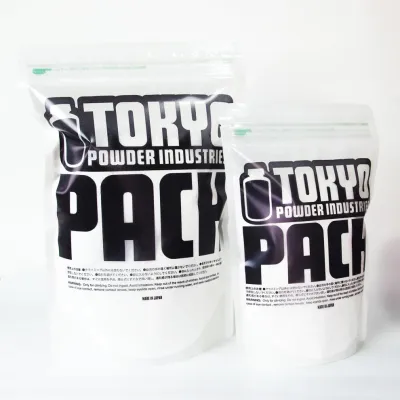
![🇸🇬 [READY STOCK] Chalk Ball 85g 100% Pure Magnesium Carbonate Powder](https://img.lazcdn.com/g/p/795bee487b299fd8f2519655dafefa3e.jpg_400x400q80.jpg_.webp)
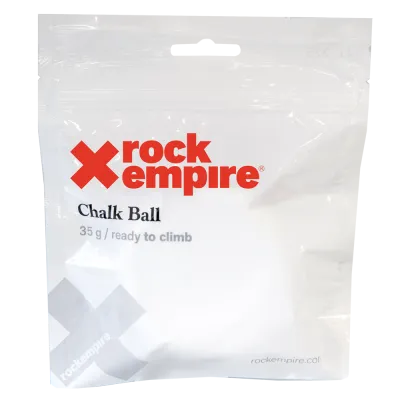
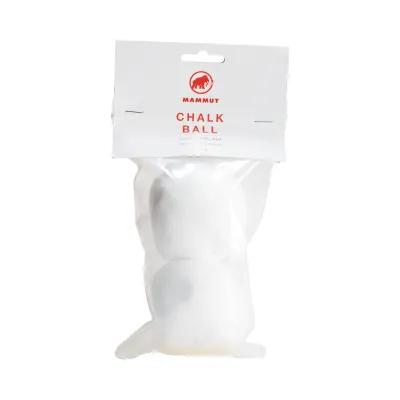
Prices are valid at publication and may change. Please refer to the product page for the latest price.
- Choose Loose Chalk if: You prioritize rapid, generous reapplication, prefer a highly customizable texture, and primarily climb in well-ventilated indoor gyms or outdoor crags where dust generation is not restricted.
- Choose Block Chalk if: You are looking for a highly cost-effective, low-dust option that allows you to crush your own chunks to a preferred consistency, and you enjoy a tactile, traditional chalking experience.
- Choose Liquid Chalk if: You climb in exceptionally high-humidity or high-heat environments, need an ultra-durable base layer that resists rubbing off, or frequent modern indoor climbing gyms with strict anti-dust or liquid-only policies.
Many advanced climbers opt for a hybrid approach to maximize their grip. By applying a base layer of liquid chalk at the start of a session and topping it up with small amounts of loose chalk during active climbing, you get the deep sweat-blocking benefits of the liquid format combined with the immediate surface dryness of dry powder.
The Three Main Types of Climbing Chalk Explained
To make an informed decision, it is essential to understand the physical characteristics, chemical behavior, and application methods of each chalk format. While they all share the same core active ingredient, their physical structures alter how they interact with your skin and the climbing surface.

Loose Chalk
Loose chalk is the most traditional and widely used format in the climbing community. It consists of pure magnesium carbonate powder, which is sometimes blended with additional drying agents or packaged in varying textures ranging from ultra-fine, flour-like powder to chunky mixtures containing small, compressible nuggets.
This format offers immediate moisture absorption and is incredibly easy to apply. You simply dip your hands directly into a waist-mounted chalk bag or a large floor bucket. Because it is already loose, it quickly coats the entire surface of your hands, including the spaces between your fingers. To prevent messy spills, loose chalk requires a dedicated chalk bag with a secure drawstring closure or a zippered bucket, and it is often housed inside a mesh chalk ball to regulate the amount of powder released with each squeeze.
Block Chalk
Block chalk is pure magnesium carbonate compressed into dense, solid blocks, typically sold in wrapped cubes of 50 to 100 grams. Because it bypasses the processing and packaging steps required for pre-crushed loose chalk, it is generally the most economical option per gram, making it a favorite for high-volume climbers on a budget.
Using block chalk is a highly tactile and customizable process. Climbers place the solid block into a chalk bag or bucket and manually crush it with their hands to achieve their perfect texture. You can break it down into a fine powder, leave it as large, solid chunks that you can rub directly onto your fingertips, or create a custom blend of both. This hands-on preparation allows you to control your chalk consistency while minimizing the initial airborne dust that often escapes when pouring pre-crushed loose chalk into a bag.
Liquid Chalk
Liquid chalk is a modern formulation that suspends magnesium carbonate in a fast-evaporating alcohol carrier, typically isopropyl alcohol or ethanol. Some brands also incorporate specialized resins, silica, or mild scents to enhance grip duration and user experience.
To apply liquid chalk, you squeeze a coin-sized drop onto your palms, spread it evenly across your hands as if applying lotion, and rub it into the creases of your skin. Within 15 to 30 seconds, the alcohol completely evaporates, leaving behind a highly uniform, ultra-thin, and incredibly dry glove of chalk that binds tightly to the micro-ridges of your skin. Because of this chemical binding process, liquid chalk is packaged in sealed squeeze tubes or small bottles, making it completely spill-proof and highly portable.
Core Comparison Dimensions for Climbers
When evaluating loose, block, and liquid formats, several performance dimensions dictate how well each type will support your climbing. Understanding these factors helps you match your chalk to your personal physiology and climbing environment.
Drying Power and Sweat Management
Magnesium carbonate works by drawing moisture and oils away from the skin, preventing a lubricating layer of sweat from forming between your fingers and the hold. However, the efficiency of this drying process is highly dependent on ambient humidity and temperature.
In tropical, high-humidity environments like Singapore, ambient moisture is exceptionally high, and climbers sweat rapidly. Under these conditions, standard loose or block chalk can quickly become saturated, turning into a slick, greasy paste on your hands that actually reduces friction. Liquid chalk provides superior sweat management in these climates because the alcohol carrier sanitizes the skin, strips away initial surface oils, and allows the magnesium carbonate to settle deep into the pores. This creates a highly resilient, sweat-resistant barrier that keeps hands dry far longer than dry powder alone.
Longevity and Reapplication
How often you need to reapply your chalk directly impacts your climbing flow and focus. Loose and block chalk offer excellent immediate dryness, but they rub off rapidly due to the physical friction of gripping plastic or rock. On long, sustained climbs, you may find yourself needing to chalk up every few moves, which requires secure stances where you can safely let go with one hand to reach into your chalk bag.
Liquid chalk excels in longevity because it adheres directly to the skin’s surface and resists rubbing off. A single application of liquid chalk can easily last through a long bouldering project or an entire sport pitch without requiring a mid-climb top-up. This makes it an invaluable asset for climbers tackling sequences where letting go to chalk up is physically impossible or highly inefficient.
Dust, Mess, and Gym Policies
Airborne dust is a significant concern in indoor climbing facilities. When climbers use loose or block chalk, fine particulate matter is released into the air with every dip, slap, and clap. This dust coats climbing holds, settles on mats, clogs expensive ventilation systems, and can irritate the respiratory tracts of both climbers and staff.
To combat poor air quality, many modern indoor climbing gyms enforce strict rules regarding chalk usage. Some facilities ban loose chalk entirely, while others mandate the use of chalk balls or restrict loose powder to specific bouldering areas. Liquid chalk is virtually dust-free, making it the most gym-friendly option available. Utilizing liquid chalk or a clean chalk ball helps maintain a clean training environment and respects the shared indoor space.
Best Chalk Types for Specific Climbing Disciplines
Your climbing discipline dictates the physical demands of your movement, the structure of your sessions, and the logistical challenges of managing your gear. Matching your chalk format to your discipline ensures optimal performance.
Bouldering and Indoor Gym Climbing
Bouldering involves short, highly intense sequences of movements where maximum friction is required for only a few minutes at a time. Because boulderers spend a significant amount of time resting on the mats between attempts, they have ample opportunity to prep their hands and brush holds.
While loose chalk is popular among boulderers for its quick application from a large floor bucket, indoor gym rules often limit its use. To navigate these restrictions while maintaining elite grip, a hybrid strategy is highly recommended. Start your bouldering session by applying a solid base of liquid chalk to dry your hands completely. Between attempts, use a chalk ball or a highly controlled block-mix in a secure bucket to touch up your fingertips. This keeps dust levels low while ensuring your hands remain perfectly dry for demanding, low-friction holds.
Sport Climbing and Outdoor Crags
Sport climbing involves ascending long, bolted routes where endurance and efficiency are key. On a 25-meter route, stopping to chalk up can sap valuable energy and disrupt your climbing rhythm, making longevity a primary concern.
For sport climbing, liquid chalk is highly advantageous as a primary base layer applied at the ground. It ensures that even if you cannot find a suitable rest to chalk up mid-route, your hands maintain a baseline level of dry friction. To supplement this, carry a lightweight waist-mounted chalk bag filled with loose chalk or crushed block chalk. This allows you to quickly dip your fingers during natural rests on the route, ensuring you have fresh powder for key crux sequences without carrying unnecessary weight.
Trad and Multi-Pitch Routes
Trad and multi-pitch climbing take you high above the ground for hours at a time, carrying a heavy rack of gear, ropes, and safety equipment. In these environments, gear security and weight management are critical; dropping or spilling your chalk can leave you with greasy hands on high-consequence terrain.
Spilling a standard chalk bag on pitch three of a five-pitch climb is a common and frustrating mishap. To eliminate this risk, liquid chalk is an exceptional choice for multi-pitch routes. A small, sealed bottle of liquid chalk can be clipped securely to your harness with a carabiner, providing a spill-proof, lightweight solution that will not dump powder over your gear or your belayer. If you prefer dry chalk, ensure your waist bag features a highly secure, zippered closure and is filled with block chalk rather than fine loose powder to minimize accidental loss if the bag is jostled or left open.
Chalk Format Comparison at a Glance
To help you quickly compare the practical characteristics of each format, the following table summarizes how loose, block, and liquid chalk perform across key user-focused criteria.
| Chalk Type | Best Suited For | Dust Level | Longevity on Skin | Spill Risk | Gym Friendliness |
|---|---|---|---|---|---|
| Loose Chalk | Rapid reapplication, customizable textures, outdoor crags | High | Short | High | Moderate to Low (often restricted) |
| Block Chalk | Budget-conscious climbers, custom chunk preferences | Moderate | Short to Moderate | Moderate | Moderate (preferred over loose powder) |
| Liquid Chalk | High-humidity environments, dust-free gyms, base layer use | Very Low | Long | Extremely Low | High (often mandatory) |
When selecting your format from this table, consider your personal skin chemistry. If you naturally have very dry skin, the high drying power of liquid chalk may be too aggressive, whereas climbers with naturally sweaty hands will find it highly beneficial.
Skin Care, Safety, and Gym Etiquette
While climbing chalk is essential for performance, its powerful drying properties require careful management to prevent skin damage, maintain safety, and preserve the climbing environment for others.
- Skin Care and Hydration: Because magnesium carbonate is a highly effective desiccant, and liquid chalk contains drying alcohols, continuous use can strip your skin of its natural oils. This leads to severe dryness, cracking, and painful skin tears known as "flappers" or split tips. To maintain healthy skin, always wash your hands thoroughly with soap and water immediately after your climbing session to stop the drying process. Apply a dedicated, wax-based climbing salve or a heavy moisturizer to promote skin elasticity and healing.
- Flammability and Storage Safety: Wet liquid chalk contains a high concentration of alcohol, making it highly flammable. Always store liquid chalk bottles in a cool, dry place away from direct sunlight, and never apply it near open flames, such as camping stoves at outdoor crags. Ensure the product is completely dry on your hands before handling any gear.
- Hold Brushing and Etiquette: Regardless of the chalk format you choose, chalk naturally builds up on climbing holds over time. This buildup attracts ambient moisture, turning the holds into slick, greasy surfaces that offer very little friction. Always carry a climbing brush with nylon bristles (for indoor plastic) or boar's hair bristles (for outdoor rock) and brush the holds after you finish projecting a route. This simple act of etiquette preserves the texture of the holds and ensures a clean, high-friction surface for the next climber.
Community discussion
Share your experience or ask a question. Comments are reviewed before publication.