
Choosing the right climbing chalk is a fundamental decision that directly impacts your grip, comfort, and overall performance on the wall. The choice between loose chalk, block chalk, and liquid chalk depends on your specific climbing environment, local gym regulations, and personal skin tolerance. Loose chalk offers quick, customizable coverage but creates significant airborne dust. Block chalk is a highly cost-effective, low-mess alternative that you can crush to your preferred texture. Liquid chalk provides a long-lasting base layer that excels in high humidity and complies with strict gym dust policies, though its alcohol content can dry out sensitive skin. By evaluating your primary climbing venue, your personal sweat rate, and facility rules, you can select the format that keeps your hands dry without violating gym policies or causing skin irritation.
Climbing is an inherently high-risk sport where proper training, safety judgment, and secure gear systems are paramount. While climbing chalk improves friction by managing moisture on your hands, it cannot replace proper grip technique, physical conditioning, or safety equipment. Chalk is not a safety device; it is a performance aid. Always ensure you are using certified safety gear, such as harnesses, ropes, and crash pads, and that you fully understand how to use them before attempting any climb. Never let the confidence of a dry grip lead you to overlook standard safety checks or climb beyond your physical limits.
Understanding the Physical Differences in Chalk Formats
To make an informed choice, it is essential to understand the physical properties and application methods of the three main chalk formats. All climbing chalk is primarily composed of magnesium carbonate, a chemical compound that naturally absorbs moisture. However, the physical state of this compound varies significantly across the three formats, altering how it behaves on your skin and how you apply it during a climbing session.
Products mentioned in this guide
Prices are valid at publication and may change. Please refer to the product page for the latest price.
Loose chalk is magnesium carbonate in its fully processed, powdery state. It ranges from a fine, flour-like powder to a mix of powder and small, grape-sized chunks. Climbers typically store loose chalk in a waist-mounted chalk bag or a larger ground bucket. Application is simple: you dip your hands into the bag, coat your fingers, and gently tap off the excess. This provides immediate, comprehensive coverage, but the fine powder easily becomes airborne, creating a cloud of dust with every application or sudden movement.
Block chalk is essentially loose chalk compressed into dense, solid blocks, usually sold in wrapped cubes. To use block chalk, you place the solid block inside your chalk bag and crush it manually to your preferred consistency. This gives you complete control over the texture; you can leave large chunks to rub directly onto your fingers or grind it down into a fine powder. Because it requires less processing and packaging volume, block chalk is often the most economical way to purchase high-quality magnesium carbonate.
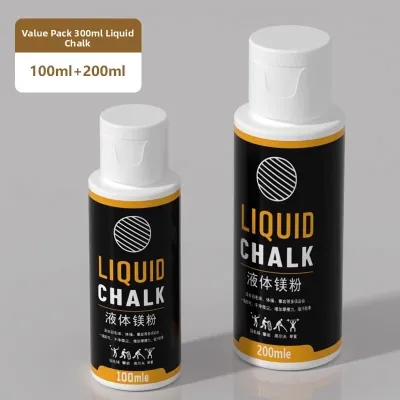
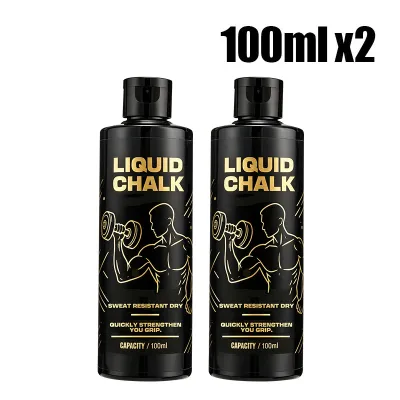
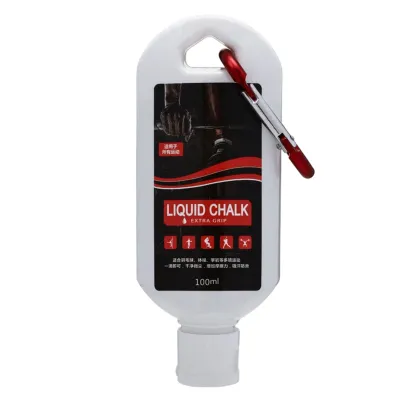
Liquid chalk is a modern formulation where magnesium carbonate is suspended in an alcohol base, typically isopropyl alcohol. It is sold in squeeze bottles or tubes. To apply it, you squeeze a small, coin-sized pool onto your palm, rub your hands together to coat your fingers and palms, and wait a few seconds. As the alcohol evaporates, it leaves behind a highly uniform, ultra-thin layer of dry chalk that bonds tightly to the micro-ridges of your skin. This format completely eliminates airborne dust during the application process.
Matching Chalk Types to Your Climbing Environment
Your choice of chalk should always align with where you climb, as different environments present unique challenges regarding air quality, weather, and local regulations. Indoor climbing gyms and outdoor crags have vastly different requirements, and what works perfectly in one setting may be impractical or prohibited in another.

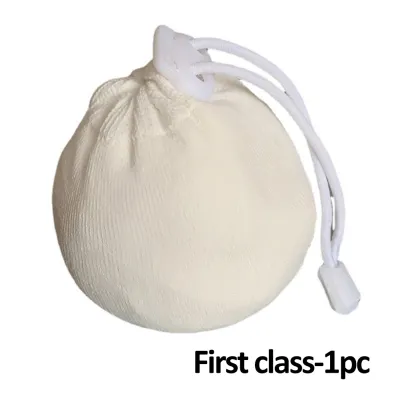
In modern indoor climbing gyms, air quality is a major concern. Because dozens of climbers apply chalk simultaneously, loose chalk can quickly saturate the air with fine dust, which strains ventilation systems and can be unpleasant to breathe. Consequently, many indoor facilities have strict rules regarding chalk formats. Some gyms ban loose chalk entirely, requiring climbers to use chalk balls (mesh pouches that limit dust release) or liquid chalk. Before visiting a new gym, always check their official website or call ahead to verify their chalk policy so you do not have to purchase new gear at the front desk.
When climbing outdoors, environmental factors like wind, temperature, and rock preservation become your primary concerns. Loose chalk can easily blow away in a gust of wind, wasting your product and potentially blowing into your eyes or those of your belayer. Furthermore, outdoor climbers must practice Leave No Trace principles. Excessive chalk buildup on outdoor rock faces leaves bright white marks that can deface natural cliffs and make holds slick over time. Outdoor climbers should use chalk sparingly and always carry a soft-bristled brush to clean holds after completing a route, preserving the rock’s natural appearance and texture for others.
Humidity and sweat rates also play a critical role in how chalk performs. In highly humid climates, such as the tropical conditions found in Singapore, managing sweat is a constant battle. High humidity saturates loose chalk quickly, sometimes turning it into a slippery paste on your hands that actually reduces friction. Under these conditions, testing different formats during actual climbing sessions is the best way to assess drying speed and reapplication frequency. Many climbers in humid regions find that liquid chalk is highly effective because the alcohol helps dry out the skin initially, creating a more resilient base layer that resists sweat longer than loose powder alone.
Comparing Application, Convenience, and Cleanliness
Evaluating the practical trade-offs of each chalk format involves looking at how easy they are to use during a climb, how much mess they create, and how simple they are to transport without ruining your other gear.
When it comes to application speed and convenience mid-climb, loose chalk is the undisputed leader. If your hands begin to sweat halfway up a long, challenging sport route, you can easily reach into your waist bag with one hand, coat your fingers, and shake off the excess in a matter of seconds. Liquid chalk is impossible to apply mid-climb. It requires you to stop, use both hands to spread the liquid, and wait for the alcohol to evaporate. Therefore, liquid chalk is best used as a pre-climb primer on the ground, while loose chalk remains the go-to for on-the-wall top-ups.
The “mess factor” is another major distinction. Loose chalk is notoriously difficult to contain. It spills easily if your chalk bag tips over on a crash pad, and a fine layer of white dust inevitably finds its way onto your climbing shoes, harness, clothes, backpack, and even your car interior. Block chalk is slightly cleaner to transport because it remains solid until you crush it, but once crushed, it presents the same spill hazards as loose chalk. Liquid chalk is by far the cleanest option. Because it is sealed in a squeeze bottle, there is no loose powder to spill, making it ideal for keeping your gear bag and climbing clothes clean.
To prevent messy leaks and spills during transport, always perform basic gear checks. If you use loose or block chalk, invest in a high-quality chalk bag with a secure drawstring closure and a fleece lining, and consider placing the entire bag inside a sealed plastic zip bag when it is in your backpack. For liquid chalk, always check that the bottle cap is tightly closed and free of dried chalk buildup. Dried chalk in the threads of the cap can prevent a tight seal, leading to leaks when the bottle is squeezed or compressed inside a packed gear bag.
Checking Ingredients for Skin Sensitivity and Care
Because climbing chalk comes into direct, friction-heavy contact with your hands, understanding its ingredients is vital for maintaining healthy skin and preventing painful tears or cracks.
If you have sensitive, dry, or easily cracked skin, you must pay close attention to liquid chalk ingredients. The isopropyl alcohol used in liquid chalk is highly effective at drying out moisture, but it also strips your skin of its natural oils. Frequent use can lead to severe skin dehydration, cracking, and painful splits near your fingernails. When purchasing liquid chalk, check the label for alcohol concentration and look for formulations designed for sensitive skin, which may use alternative drying agents or include moisturizing ingredients, though these may take slightly longer to dry.
You should also check chalk labels for optional additives like rosin, essential oils, or artificial scents. Rosin, also known as colophony, is sometimes added to climbing chalk to increase stickiness and grip. However, rosin leaves a sticky, glassy residue on rock surfaces and indoor holds that is extremely difficult to clean and ruins the texture for other climbers. Because of this, many indoor gyms and outdoor climbing areas strictly ban rosin-infused chalk. Additionally, artificial scents and essential oils can trigger allergic reactions or skin irritation. If you have known allergies, always perform a small patch-test by applying a small amount of chalk to your inner forearm and waiting 24 hours to check for redness or itching.
Proper post-climb skin care is essential to restore your skin barrier and ensure your hands recover quickly for your next session. As soon as you finish climbing, wash your hands thoroughly with cool water and mild soap to remove all chalk and alcohol residue. Leaving magnesium carbonate on your skin will continue to dehydrate it hours after your climb. Once your hands are clean and dry, apply a climbing-specific moisturizer, salve, or balm. These products are formulated with natural oils and wax to promote skin healing and hydration without leaving a greasy residue that could compromise your grip during your next climbing session.
Decision Framework: Choosing Your Ideal Chalk Format
To finalize your decision, consider your primary climbing venue, skin sensitivity, and local regulations. Use the following guidelines to select the format that best fits your climbing style:
Choose Loose Chalk if: You primarily climb outdoors or at indoor gyms that permit loose powder, you prefer a highly customizable texture, and you need the ability to quickly reapply chalk with one hand while on the wall.
Choose Block Chalk if: You want a highly cost-effective option, prefer to customize your chalk’s consistency by crushing it yourself, and want to minimize packaging waste by buying in bulk.
Choose Liquid Chalk if: You climb in high-humidity environments, sweat heavily, climb at indoor facilities with strict dust-control policies, or want a clean, dust-free base layer for bouldering.
Verify First if: You are visiting a new climbing gym with unknown chalk regulations, have sensitive or cracked skin, or are transitioning to a new chalk format with different drying properties.
| Chalk Format | Best Suited For | Primary Trade-off | Key Verification Item |
|---|---|---|---|
| Loose Chalk | Outdoor climbing, quick mid-route reapplication | High dust production, prone to spills | Check local gym rules regarding loose chalk bans |
| Block Chalk | Budget-conscious climbers, customizable texture | Requires manual crushing, messy if spilled | Ensure your chalk bag has a secure drawstring closure |
| Liquid Chalk | High humidity, dust-restricted gyms, bouldering base layer | Can dry out skin, cannot be applied mid-route | Check ingredient labels for alcohol and rosin content |
Frequently Asked Questions (FAQ)
Can I mix liquid and loose chalk for better grip?
Yes, layering liquid and loose chalk is a highly effective technique used by many climbers, especially in hot or humid conditions. You apply a base layer of liquid chalk on the ground, allow it to dry completely, and then use loose chalk or a chalk ball for quick top-ups during your climb. This combination leverages the long-lasting, deep-skin bonding of liquid chalk with the rapid moisture absorption of loose powder. However, always verify that the gym or crag you are visiting permits loose chalk before using this hybrid method.
Does climbing chalk expire or go bad?
Pure magnesium carbonate, which makes up loose and block chalk, does not expire or degrade over time, provided it is kept dry and free from contaminants like dirt, oil, or water. If your loose chalk gets wet, it will clump, but it can often be dried out and reused. Liquid chalk, however, does have a limited shelf life. Because it contains alcohol and other solvents, it can dry out, thicken, or separate inside the bottle if the cap is not sealed perfectly. Always store liquid chalk in a cool, dry place, ensure the cap is tightly closed after every use, and check the manufacturer’s packaging for any specific storage recommendations.
Community discussion
Share your experience or ask a question. Comments are reviewed before publication.