
Choosing the right climbing chalk is essential for maintaining a secure grip, managing moisture, and respecting the rules of your climbing environment. The safest and most effective chalk format depends on where you climb, your skin’s sensitivity, and local facility regulations. While liquid chalk is increasingly mandated in indoor gyms to preserve air quality, loose chalk remains a favorite for outdoor routes where quick reapplication is necessary, and block chalk offers a highly economical way to customize your grip texture.
No single format serves as a universal solution for every climber. To find the option that best supports your climbing style, you must weigh the practical trade-offs of each type, from dust generation and skin dryness to portability and ease of use.
Understanding the Core Chalk Formats
Climbing chalk is primarily composed of magnesium carbonate, a chemical compound that absorbs moisture to keep your hands dry. While the active ingredient remains consistent across formats, the physical state and delivery methods differ significantly, altering how the chalk behaves on your skin and in the air.
Products mentioned in this guide
![[SG 🚚] Magnesium Carbonate Powder Chalk Bright White Magnesium Carbonate for Climbing Bouldering](https://img.lazcdn.com/g/p/830cbddf69e7f66e59ca274d07e844eb.jpg_400x400q80.jpg_.webp)
Prices are valid at publication and may change. Please refer to the product page for the latest price.
When shopping for chalk, always check the product labels for purity. High-quality options consist of pure magnesium carbonate without unnecessary fillers, while liquid formats introduce specific carrying agents to alter the application process.
Loose Chalk
Loose chalk is the traditional, powdery format that most climbers are familiar with. It is typically sold in bags or resealable pouches and is poured directly into a waist-worn chalk bag or a larger bouldering bucket.
During a climb, you apply loose chalk by dipping your hands directly into the bag, coating your fingers and palms. Because the loose powder rubs off relatively quickly during intense movement, climbers frequently reapply it, often mid-route or between bouldering attempts.
Liquid Chalk
Liquid chalk is a specialized mixture of magnesium carbonate suspended in an alcohol base, usually isopropyl or ethanol. It is packaged in squeeze tubes or bottles, making it easy to dispense without creating immediate dust.
To apply it, you squeeze a small amount onto your palms, rub your hands together, and wait a few seconds. As the alcohol evaporates, it leaves behind a highly uniform, thin layer of dry chalk that adheres closely to the skin, reducing the need for immediate reapplication.
Block Chalk
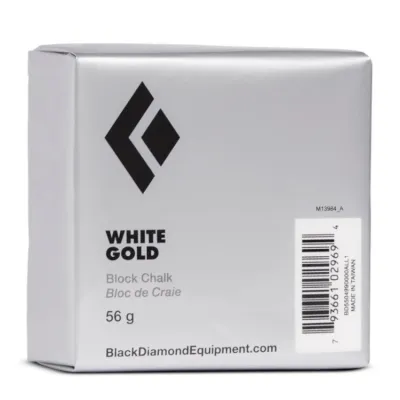
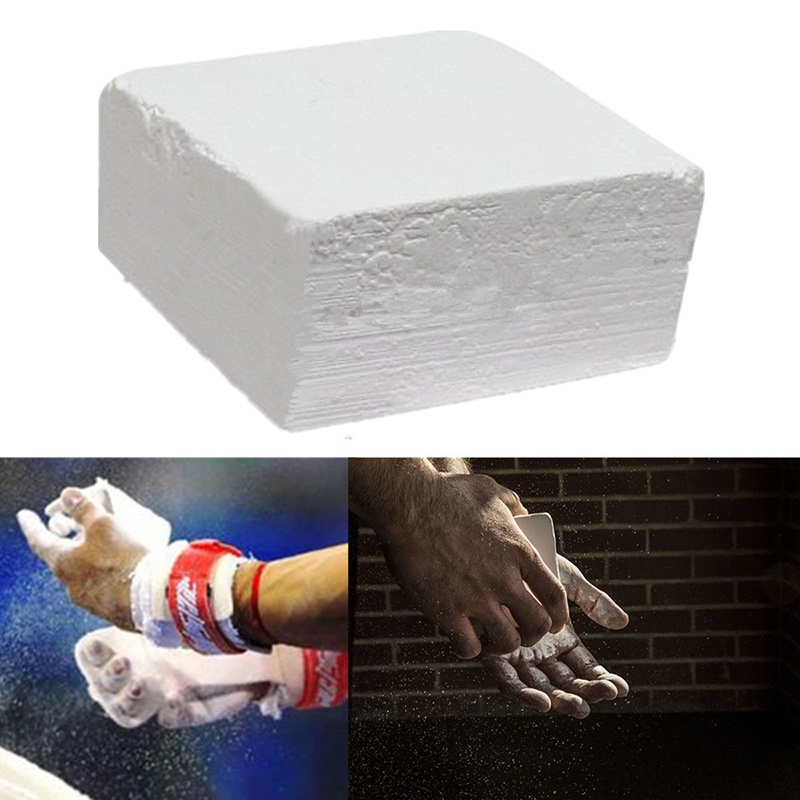
Block chalk consists of pure magnesium carbonate compressed into solid, dense blocks. This format is highly favored by budget-conscious climbers who prefer to buy their gear in bulk.
To use block chalk, you simply break off a chunk and crush it down to your preferred consistency inside your chalk bag. This allows you to customize your setup, whether you prefer a fine, flour-like powder or a mixture of small, solid chunks to squeeze during a rest.
Key Comparison Dimensions for Climbers
To determine which chalk format fits your routine, you must evaluate how each type performs across several practical dimensions. These include moisture management, respiratory comfort, gym compliance, and general convenience.

Grip Performance and Moisture Control
Moisture control is highly dependent on your personal sweat levels and the ambient temperature of your climbing venue. Liquid chalk provides an initial, intense drying effect because the alcohol base rapidly strips moisture from the skin upon application. This makes it highly effective as a base layer for climbers with very sweaty hands, though the alcohol can cause significant skin dryness and irritation over time.
In contrast, loose and block chalk absorb moisture dynamically as you climb. They do not contain drying alcohols, making them gentler on sensitive or already dry skin. However, because they lack a binding agent, they wear off faster than liquid chalk, requiring you to reapply more frequently during long, sustained sequences.
Dust Exposure and Gym Safety Rules
Air quality and respiratory comfort are major considerations, particularly in indoor climbing gyms with limited ventilation. Loose chalk easily becomes airborne, creating fine dust clouds that can irritate the lungs and eyes of everyone in the facility. Crushing block chalk also releases initial puffs of dust, contributing to the overall particulate levels in the air.
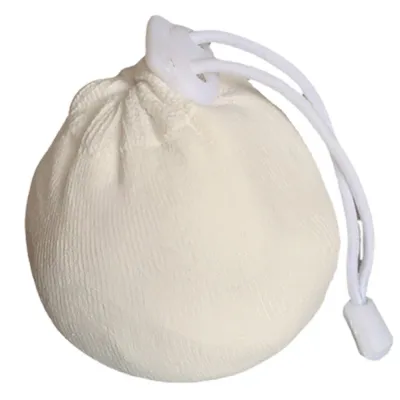
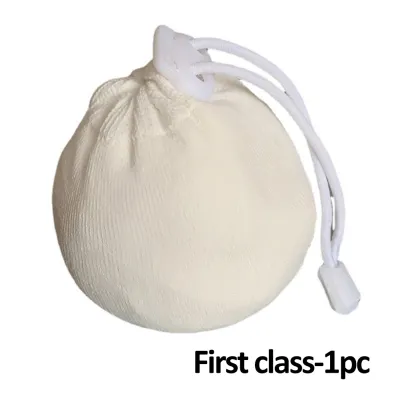
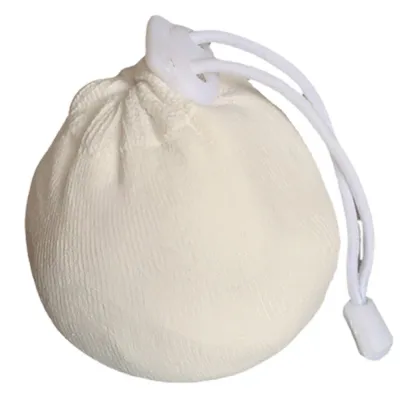
Liquid chalk produces virtually zero airborne dust during application, as the powder is bound in a liquid state until it dries on your hands. Because of this, many modern indoor climbing gyms, especially in urban areas like Singapore, enforce strict rules regarding chalk usage. Some facilities ban loose chalk entirely, while others permit it only if kept inside a mesh chalk ball to minimize spills. Always verify your local gym’s specific policies before packing your gear.
Mess, Portability, and Convenience
Handling and transporting your gear can quickly become messy if you choose the wrong format. Loose chalk is highly prone to accidental spills; a dropped chalk bag can coat gym mats, outdoor crash pads, ropes, and harnesses in a fine white powder. This dust can be difficult to clean and may affect the handling of your climbing ropes over time.
Liquid chalk is sealed in a secure bottle, virtually eliminating the risk of accidental spills in your backpack. It is highly portable and convenient for travel, though you must ensure the bottle size complies with local liquid restrictions if you are flying with carry-on luggage. Block chalk is also relatively clean to transport in its solid state, but it requires a secure, airtight container once you begin crushing it for use.
Decision Framework: Matching Chalk to Your Climbing Style
To finalize your choice, consider how your primary climbing discipline and environment align with the characteristics of each format.
- Choose Liquid Chalk if:
- You primarily climb indoors at facilities with strict dust-mitigation rules or liquid-only mandates.
- You experience highly active sweat glands and need a long-lasting base layer that won't rub off immediately.
- You want to keep your climbing gear, home training setup, and backpack completely free of chalk dust.
- Choose Loose Chalk if:
- You climb outdoors on sport or traditional routes where you must reapply chalk with one hand mid-climb.
- You prefer a traditional, tactile feel and like to coat your hands quickly between bouldering attempts.
- Your skin is highly sensitive to alcohol, and you want to avoid the intense drying effect of liquid formulas.
- Choose Block Chalk if:
- You are looking for a highly cost-effective, budget-friendly way to purchase pure magnesium carbonate.
- You enjoy customizing your chalk texture, preferring a specific mix of solid chunks and fine powder.
- You have a dedicated bouldering bucket or a home climbing wall where crushing blocks is convenient and mess is not a primary concern.
- Verify First if:
- You are visiting a new indoor climbing gym; check their website or call ahead to confirm if loose chalk is permitted.
- You have sensitive skin or eczema; test a small patch of liquid chalk on your skin to monitor for redness or cracking before applying it to your entire hand.
Safe Usage and Skin Care Practices
Because climbing chalk is designed to dry out moisture, proper skin care is essential to prevent painful cracks, tears, and calluses. Leaving magnesium carbonate or alcohol on your hands for extended periods can severely degrade your skin barrier.
Immediately after finishing your climbing session, wash your hands thoroughly with cool water and mild soap to remove all residual chalk and alcohol. Once your hands are clean and dry, apply a dedicated climbing salve or a thick moisturizer to help restore hydration and support skin recovery.
Monitor your hands regularly for signs of excessive dryness or deep cracking. If you develop open wounds, severe irritation, or painful skin tears, stop using chalk immediately and allow your skin to heal completely before returning to the wall. Additionally, store your liquid chalk tightly capped in a cool place to prevent the alcohol from evaporating, and keep loose chalk in an airtight container to stop it from absorbing ambient humidity.
Frequently Asked Questions (FAQ)
Can I mix liquid and loose chalk during a climbing session?
Yes, combining the two formats is a common practice among climbers looking for maximum moisture control. You can apply a thin layer of liquid chalk first as a dry base layer, allow it to dry completely, and then use loose chalk from your bag for quick top-ups during your climb. However, you must verify your climbing gym’s rules first, as facilities that ban loose chalk will not allow you to use it as a top-up.
Does climbing chalk expire or go bad?
Pure magnesium carbonate in loose or block form does not expire, though it can lose its effectiveness if left unsealed in humid environments where it absorbs ambient moisture. Liquid chalk, however, has a limited shelf life because the alcohol base can slowly evaporate over time, even in a closed bottle. If your liquid chalk becomes hard, clumpy, or separates into a watery liquid, it is time to replace it.
Is climbing chalk safe for my lungs?
Inhaling large amounts of airborne chalk dust can irritate your respiratory tract, leading to coughing or throat discomfort. To protect your lungs, avoid creating large dust clouds in indoor spaces, refrain from blowing excess chalk off your hands, and opt for liquid chalk or well-ventilated climbing areas if you have pre-existing respiratory sensitivities. If you experience persistent breathing discomfort, consult a medical professional.
Community discussion
Share your experience or ask a question. Comments are reviewed before publication.