
Quick Answer: Does the Lululemon Running Belt Manage Sweat Better?
Evaluating whether a lululemon belt manages sweat better than its competitors depends on your specific running conditions, sweat volume, and carrying needs. No single waist pack offers an absolute, universal victory in moisture management because different designs prioritize different cooling mechanisms. The Lululemon running belt is engineered with lightweight, synthetic four-way stretch fabrics and strategic mesh panels, making it highly effective at providing targeted ventilation and structured, bounce-free storage.
In contrast, competing designs on the market take alternative approaches to handling moisture. Seamless tubular belts distribute sweat evenly across a wider surface area of fabric and eliminate buckle friction, but they can hold onto moisture longer in saturated conditions. Minimalist strap belts maximize direct skin exposure to the open air by using ultra-narrow bands, though they offer significantly less storage space. Ultimately, the Lululemon design is ideal if you require structured pockets and localized airflow, while alternative styles suit runners who prioritize a seamless, second-skin fit or absolute minimalism.
How to Evaluate Breathability and Moisture Management in Running Belts
To understand how different running waist packs perform when you are working hard, you must look past marketing buzzwords and examine the physical properties of their materials and construction. Moisture management in athletic gear relies on several distinct scientific and structural principles.
Products mentioned in this guide
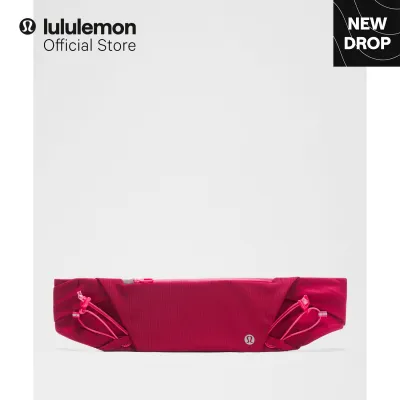
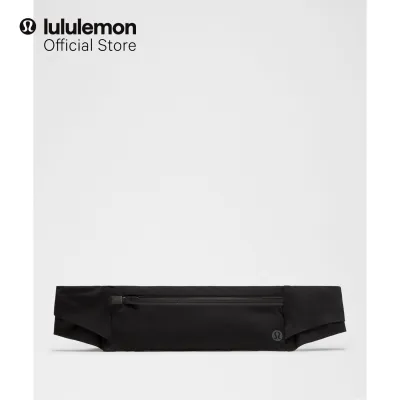
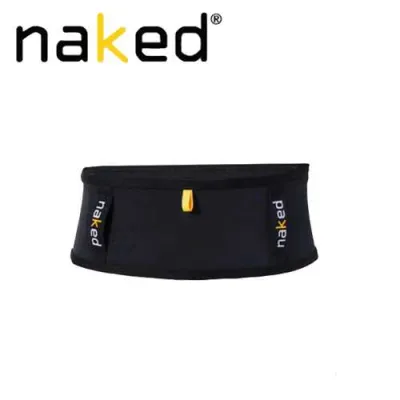
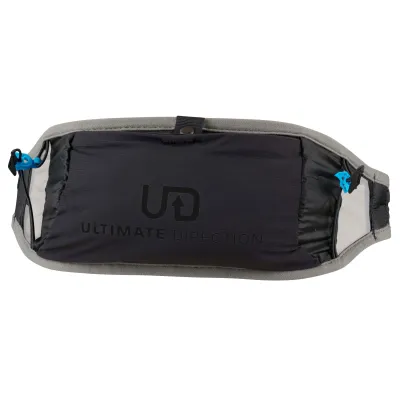
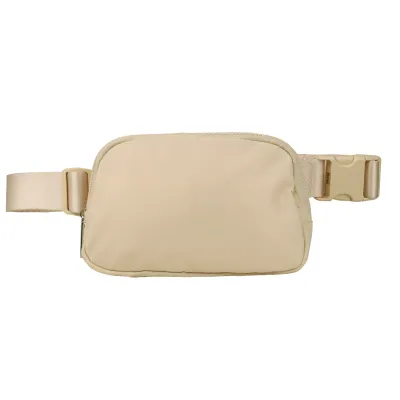
Prices are valid at publication and may change. Please refer to the product page for the latest price.

Fabric Composition and Capillary Action
High-performance running belts are constructed from synthetic fiber blends, primarily nylon, polyester, and elastane (spandex). These materials are inherently hydrophobic, meaning they resist absorbing water into the fiber core. Instead, they leverage capillary action—often referred to as wicking—to pull liquid sweat away from your skin and transport it to the outer surface of the fabric, where it can evaporate.
Nylon blends are highly valued for their durability and smooth texture against the skin, while polyester blends excel at rapid drying. Elastane is woven into these fabrics to provide the necessary stretch and recovery, ensuring the belt remains snug against your waist. The weave density also plays a critical role; a looser, more porous knit allows air to pass through easily, whereas a dense, tightly woven fabric restricts airflow but offers greater structural support for heavier loads.
Construction, Airflow, and Ventilation
Air circulation is the primary vehicle for sweat evaporation. Running belt designers use several structural strategies to promote airflow between the gear and your body:
- Mesh Paneling: Open-weave mesh fabrics allow air to flow directly to the skin or inner clothing layers, significantly accelerating evaporation in high-sweat zones.
- Laser-Cut Perforations: Small, strategically placed holes in solid fabrics provide targeted ventilation without sacrificing the tensile strength of the band.
- Open-Back Structures: Belts that use narrow straps or segmented pockets minimize the total surface area of fabric in contact with your skin, leaving more of your body exposed to ambient air.
- Enclosed Tubular Knits: These designs wrap around your entire waist. While they lack open ventilation zones, they rely on a continuous, highly breathable knit to pull moisture outward uniformly.
Moisture Capacity versus Drying Speed
There is a distinct trade-off between how much moisture a fabric can hold and how quickly it dries. A thicker, plush fabric may feel incredibly comfortable when dry and can absorb a significant volume of sweat before feeling saturated. However, once it reaches its limit, it becomes heavy, sags, and takes a long time to dry.
Conversely, ultra-thin, lightweight fabrics have a lower overall moisture capacity. They saturate quickly but dry almost immediately when exposed to a light breeze. For high-output activities, a fast-drying fabric is generally superior because it prevents the belt from gaining water weight and bouncing during your stride.
Skin Contact and the Mechanics of Chafing
When fabric becomes saturated with sweat, its behavior against your skin changes dramatically. Wet fibers cling to the epidermis, increasing the coefficient of friction. As you run, the repetitive motion of your hips creates shear stress on the skin.
To mitigate this, high-quality belts utilize flatlock seams, heat-bonded edges, or entirely seamless construction. The tension of the belt must also be carefully balanced; if it is too loose, the wet fabric will slide and rub against your skin, while a belt that is too tight can trap heat and sweat, leading to localized irritation or heat rashes. Proper moisture management is therefore directly linked to preventing painful chafing.
The Lululemon Belt: Design Features and Sweat Performance
Lululemon has established a strong reputation in the running community by applying its extensive knowledge of apparel textiles to utility gear. Analyzing a typical lululemon belt reveals a thoughtful balance of premium athletic fabrics and structured utility.
Material Profile and Tactile Feel
Lululemon running belts frequently utilize lightweight, four-way stretch synthetic fabrics similar to those found in their high-end running tights. These materials are engineered to feel cool to the touch upon initial contact and offer excellent shape retention, preventing the belt from stretching out or sagging when wet.
The interior lining of the belt—the side that directly contacts your shirt or skin—is typically brushed or finished to minimize friction. This smooth texture is crucial for reducing the risk of chafing during long, sweaty efforts where the belt is subjected to constant micro-movements.
Ventilation Strategies
To combat heat buildup around the lumbar region and lower abdomen, Lululemon incorporates dedicated ventilation zones. Many of their designs feature a mesh back panel or perforated fabric sections along the inner band. These mesh structures allow body heat to escape and encourage ambient air to circulate behind the belt.
By placing these breathable materials in high-sweat zones, the design helps mitigate the “greenhouse effect” that often occurs under thick, solid waist packs. This targeted airflow is particularly noticeable during recovery walks or when running into a headwind, as it helps cool the skin beneath the band.
Hardware and Pocket Design Trade-offs
While the fabric of a lululemon belt is highly breathable, the storage compartments introduce necessary functional trade-offs. To protect your phone, cash, or electronics from being ruined by body sweat, Lululemon often employs water-resistant zippers, internal coatings, or specialized pocket linings.
These protective barriers are inherently non-porous. Consequently, the pocket zone creates a localized barrier to breathability. Heat and moisture cannot easily pass through these water-resistant layers, which can lead to sweat pooling on the side of the pocket facing your body. This is a common characteristic of almost all structured running belts; protecting your gear from moisture inevitably means sacrificing some breathability in that specific area.
Real-World Behavior and Drying Performance
During extended runs, the Lululemon running belt generally performs well by keeping moisture moving outward. The lightweight fabric dries relatively quickly compared to heavier utility belts. However, in highly humid conditions, the areas directly behind the structured pockets will remain damp longer than the ventilated mesh side panels.
Runners typically observe that the belt maintains its snug fit even when damp, resisting the urge to sag or bounce. The buckle systems are usually low-profile, preventing the hardware from digging into wet skin or causing pressure points over long distances.
How Competing Brands Approach Moisture Management
To understand where the Lululemon design sits in the wider market, it is helpful to contrast it with alternative design philosophies utilized by other major running brands.
Seamless Tubular Belts
Seamless tubular belts, pioneered by brands like FlipBelt, take a completely different approach to carrying gear and managing sweat. Instead of utilizing a traditional strap-and-buckle system with a distinct pouch, these belts consist of a continuous, 360-degree loop of stretchy, circular-knit fabric that sits flat against the hips.
- Moisture Distribution: Because there are no concentrated pockets or heavy hardware, sweat is distributed uniformly across the entire surface area of the belt. This prevents localized wet spots.
- Friction Reduction: The absence of buckles, clasps, or seams drastically reduces the risk of chafing, making them highly comfortable when fully saturated.
- Drying Speed Trade-off: Tubular belts use a double layer of fabric to create the continuous pocket sleeve. In extremely hot and humid conditions, this double-layer construction can retain a significant volume of sweat, making the belt feel heavy and warm over time, and extending its drying time compared to single-layer mesh designs.
Minimalist Strap and Mesh Pouch Belts
Minimalist belts, such as those produced by Nathan or Salomon, focus on reducing the overall footprint of the gear to maximize direct skin exposure. These designs typically feature an ultra-narrow, highly breathable elastic strap paired with a single, small mesh pouch.
- Maximum Airflow: By minimizing the amount of fabric wrapping around your waist, these belts allow your body's natural cooling mechanisms to work with minimal interference.
- Localized Sweat Pooling: The primary drawback is that the pouch itself is often made of highly porous mesh. While this keeps the pouch breathable, it offers very little protection for your belongings. Sweat from your waist can easily seep straight through the mesh and soak your phone or paper race nutrition packets.
Waterproof versus Water-Resistant Trade-offs
Some brands prioritize absolute waterproofing by utilizing materials like neoprene or TPU-coated nylon. While these materials are exceptional at keeping heavy rain and sweat away from your electronics, they are completely non-breathable.
Wearing a waterproof belt often results in a distinct patch of heavy sweat directly underneath the pouch, as there is no way for heat or moisture to escape. Brands like Lululemon attempt to strike a middle ground by using highly breathable fabrics for the body of the belt and reserving water-resistant materials strictly for the protective pockets.
Choosing the Right Belt for High-Humidity Runs in Singapore
Running in Singapore presents a unique set of challenges for athletic gear. With year-round high temperatures and relative humidity levels that frequently hover between 80% and 100%, the rate of sweat evaporation is naturally very slow. In this tropical climate, your gear will inevitably get wet; the goal is to choose a belt that handles that moisture gracefully without causing discomfort.
The Impact of Tropical Humidity on Evaporation
In low-humidity environments, sweat evaporates quickly from moisture-wicking fabrics, cooling your body in the process. In Singapore, however, the air is already saturated with water vapor, which severely limits evaporation. Your running belt will quickly become soaked with both sweat and ambient moisture.
Because drying is so slow, you must prioritize a belt that does not gain excessive water weight, maintains its structural integrity when wet, and features design elements that prevent skin friction under saturated conditions.
Actionable Decision Framework
Use the following guidelines to select the best waist pack design for your specific running routine in hot, humid conditions:
- Choose a Lululemon-style mesh-panel belt if: You prioritize structured organization, need to carry a mix of items (such as a phone, keys, and energy gels) in dedicated, bounce-free compartments, and prefer a traditional adjustable buckle system. The targeted mesh panels will provide essential airflow to help cool your lower back during long runs along East Coast Park or through the Green Corridor.
- Choose a seamless tubular belt if: You are highly prone to chafing from seams or buckles, prefer a compressive, second-skin fit that distributes weight evenly around your entire waist, and do not mind the belt holding onto moisture during your run. This style is excellent for shorter, high-intensity workouts where maximum comfort and zero movement are your primary goals.
- Choose a minimalist strap belt if: You carry only the bare essentials—such as a single key and a couple of gels—and want to maximize skin exposure to stay as cool as possible. This setup is ideal for race days or track sessions where every gram of weight and every degree of body temperature matters.
Verification and Testing Tips
Before purchasing any running belt, take a moment to inspect the material tags and construction features. Look for high percentages of nylon or polyester combined with elastane, and avoid any cotton blends, which absorb moisture and dry incredibly slowly. Check the inner seams to ensure they are flat, smooth, and free of rough stitching that could irritate wet skin.
Always test a new running belt on a shorter, easy training run close to home before wearing it for a long-distance run or a race. Pay close attention to how the belt behaves as you begin to sweat: does it slide around, do the pockets bounce, or do you feel any hot spots or rubbing? Adjust the tension of the strap to find the sweet spot where the belt is secure enough to prevent movement but loose enough to allow proper breathing and skin ventilation.
Frequently Asked Questions (FAQ)
Can I wash my running belt to restore its moisture-wicking properties?
Yes, regular washing is essential for maintaining the performance of synthetic athletic fabrics. Over time, accumulated body oils, dried sweat salts, and skin cells can clog the microscopic channels in moisture-wicking fibers, significantly reducing their breathability and capillary action.
To clean your belt safely, always check the manufacturer’s care label first. As a general rule, hand wash or machine wash the belt on a gentle, cold-water cycle using a mild detergent. Strictly avoid using fabric softeners, as they leave a thin, waxy coating on the synthetic fibers that permanently blocks moisture transport and traps unpleasant odors. Always air dry your running belt; high heat from a clothes dryer can damage the elastane fibers, causing the belt to lose its elasticity and fit.
Does a darker running belt color affect how hot it feels?
During daytime runs in direct sunlight, darker colors (such as black or deep navy) absorb more solar radiation and heat than lighter or reflective colors. However, the practical impact of this on a running belt is relatively minor compared to other factors.
Because a running belt is worn around the waist, it is often partially shaded by your running shirt or your body’s posture. The breathability of the fabric, the presence of ventilation mesh, and the belt’s moisture-wicking capabilities play a far more significant role in regulating your body temperature and managing sweat than the color of the fabric itself. If you frequently run in direct midday sun, a lighter color or highly reflective material can provide a slight cooling benefit and improve your visibility to traffic.
Why does my running belt chafe when it gets wet?
Chafing is caused by a combination of moisture, friction, and repetitive movement. When your running belt becomes saturated with sweat, the wet fabric clings tightly to your skin or clothing, increasing friction. As you run, the constant up-and-down or side-to-side movement of the belt creates shear stress on the damp, softened outer layer of your skin.
Furthermore, as sweat evaporates, it leaves behind microscopic salt crystals. These salt crystals act like fine sandpaper between the belt and your skin, rapidly accelerating irritation. To prevent this, ensure your belt is adjusted to a snug, bounce-free fit to eliminate movement, choose designs with flat or bonded seams, and consider applying a specialized anti-chafe balm to high-friction areas around your waist before heading out on long, humid runs.
Community discussion
Share your experience or ask a question. Comments are reviewed before publication.