
Choosing the ideal yoga mat from premium brands like Lululemon, Manduka, and Jade Yoga requires looking beyond physical thickness to understand how material density supports your body. A thicker mat does not automatically guarantee a better practice; instead, the right choice depends on your joint health, the style of yoga you practice, and whether you commute to a local studio. While Lululemon focuses on a balanced, high-grip surface with moderate cushioning, Manduka offers dense, heavy-duty support, and Jade Yoga provides a springy, natural rubber texture. Evaluating these structural differences ensures you select a mat that keeps you grounded during standing balances while protecting your knees and wrists during floor work.
Matching Mat Thickness to Your Practice Style and Joint Needs
Your practice style dictates the level of cushioning and stability you need from a yoga mat. Dynamic, fast-paced practices like Vinyasa or power yoga require a firm, stable foundation. In these active styles, an overly thick or soft mat can cause your hands and feet to sink, which destabilizes your ankles and wrists during balancing poses. Conversely, restorative or Yin yoga involves holding floor poses for extended periods, making plush, thick cushioning essential for comfort.
Material density is just as important as physical thickness when it comes to joint protection. A thin mat made of high-density material can offer superior support compared to a thick mat made of cheap, low-density foam that bottoms out under pressure. When your joints sink completely through the mat to meet the hard floor, you lose the benefits of cushioning. In Singapore, where many homes feature hard tiled or polished parquet floors, this compression resistance is critical for protecting sensitive areas like the knees and wrist joints during weight-bearing postures.
Products mentioned in this guide

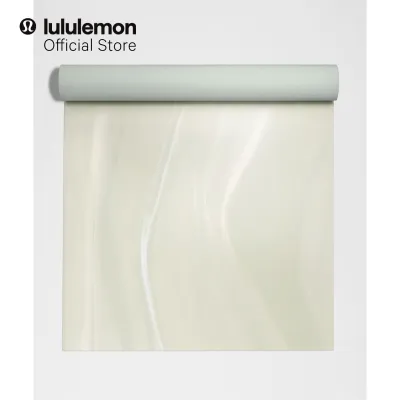

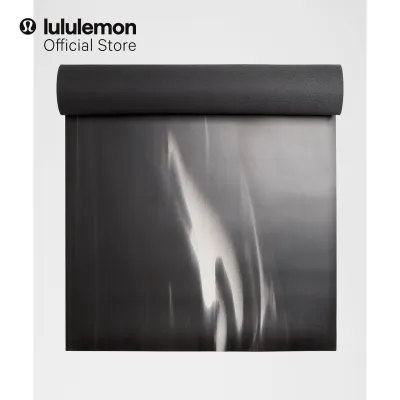
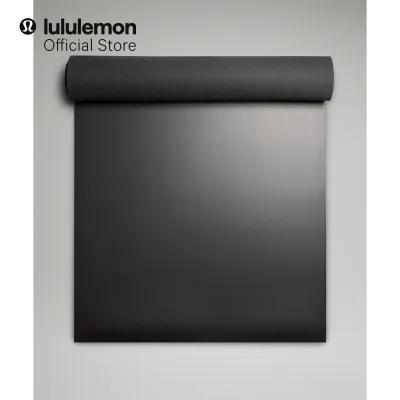


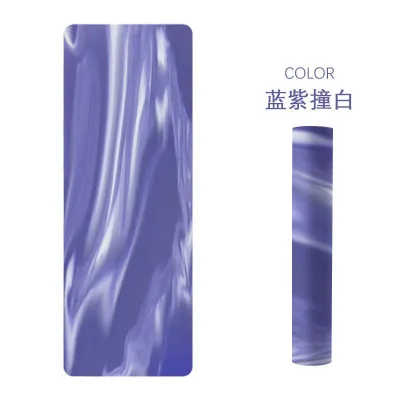
Prices are valid at publication and may change. Please refer to the product page for the latest price.
Recognizing the physical signals of an inadequate mat can help you decide when to upgrade. If you experience sharp discomfort in your knees during low lunges, or if your wrists ache after a few minutes of downward-facing dog, your current mat may be too thin or lacking in density. On the other hand, if you find yourself wobbling or struggling to maintain balance in standing poses, your mat might be too soft and unstable, sacrificing structural support for artificial softness.
Lululemon Yoga Mats: Thickness Profile and Best Use Cases
Lululemon yoga mats are widely recognized for their smooth, high-grip polyurethane top layer and natural rubber base. To find the right option, you should check the manufacturer’s current specifications on their official product pages, as their lineup features distinct thickness options ranging from lightweight travel profiles to standard studio models. These mats are designed to balance immediate surface traction with reliable base cushioning, making them a popular choice for dynamic and heated practices.

The design philosophy behind Lululemon’s mats focuses on immediate wet and dry grip. The polyurethane top layer absorbs moisture, which helps prevent slipping during sweaty sessions without requiring a separate towel. Beneath this grippy surface, the natural rubber core provides a solid, dense base that absorbs shock during active transitions. This combination offers a balanced feel that is neither too squishy nor too rigid, appealing to practitioners who transition quickly between standing and floor poses.
When considering a Lululemon mat, it is important to verify if the available thickness options align with your specific environment. If you frequently practice on hard tiled floors or have highly sensitive joints, you will need to confirm whether their standard thickness provides enough shock absorption for your knees. For those who commute to local studios in Singapore, balancing the physical thickness with the overall weight of the mat is crucial, as denser rubber bases can make thicker models heavier to carry.
Manduka and Jade Yoga: Thickness Profiles and Best Use Cases
Manduka and Jade Yoga take distinct approaches to mat construction, offering different thickness profiles and material experiences. Manduka is famous for its high-density, closed-cell construction, particularly in its professional lines. You should verify the thickness and density differences between their standard, PRO, and travel lines on their official website. The signature PRO series is exceptionally dense and firm, designed to act as a protective barrier that never bottoms out, providing unmatched long-term durability and a highly stable, grounded surface for advanced balancing.
Jade Yoga, on the other hand, utilizes open-cell natural rubber to deliver a completely different tactile experience. You should check the current thickness options for Jade Yoga mats, such as their standard and travel models, to find the right balance for your needs. The natural rubber construction offers a springy, responsive cushion that naturally contours to your joints while providing excellent dry grip. This open-cell structure makes the mat feel softer and more yielding than Manduka’s dense PVC, offering comfortable joint protection without sacrificing stability.
The trade-off between these two brands lies in how they balance stability and plushness. Manduka’s dense, closed-cell mats do not absorb moisture, making them hygienic and incredibly durable, but they require a break-in period to achieve optimal grip and can feel very hard to beginners. Jade Yoga’s natural rubber provides instant, reliable traction and a springy cushion, but the open-cell material requires more careful maintenance and can wear down faster under heavy use. Choosing between them depends on whether you prefer a firm, solid floor feel or a resilient, textured grip.
Comparing Cushioning, Stability, and Grip Across the Brands
To help you compare these premium brands, the table below outlines how their typical thickness options, material compositions, and performance characteristics align with different practice styles.
| Brand | Typical Thickness Options | Material Feel | Best Practice Style |
|---|---|---|---|
| Lululemon | 3mm to 5mm (Verify current specs) | Smooth, grippy polyurethane top with dense rubber base | Vinyasa, Power Yoga, and Hot Yoga |
| Manduka | 1.5mm to 6mm (Verify current specs) | Ultra-dense, firm closed-cell surface with high stability | Ashtanga, Iyengar, and daily studio practice |
| Jade Yoga | 1.5mm to 8mm (Verify current specs) | Textured, springy open-cell natural rubber | Hatha, Vinyasa, and Restorative Yoga |
Thickness and material composition directly influence how a mat performs when wet. Thicker, open-cell mats like those from Jade Yoga absorb sweat, maintaining excellent grip during humid or heated sessions, but they can become heavier as they hold moisture. Thicker polyurethane mats from Lululemon also offer great wet grip but may compress differently under localized pressure. In contrast, Manduka’s closed-cell mats do not absorb sweat at all, meaning you will need a yoga towel to prevent slipping once moisture pools on the surface.
Weight and portability are major trade-offs when opting for thicker, denser mats. A premium 5mm or 6mm mat made of high-density rubber or PVC can weigh upwards of three kilograms, making it a challenge to carry on public transport or during a daily commute. If you primarily practice at home, a thicker, heavier mat provides a luxurious, permanent foundation. However, if you are constantly on the move, you may need to compromise on thickness or look into dedicated travel-thickness options that fit easily into a backpack.
Decision Framework: Which Brand's Thickness Suits You Best?
To make your final decision, consider how your practice style, joint needs, and lifestyle align with these conditional recommendations:
- Choose Lululemon if you want a versatile, medium-thickness mat with an exceptionally grippy surface that handles sweaty Vinyasa flows without needing a towel, and you prefer a smooth texture.
- Choose Manduka if you prioritize lifetime durability, want maximum joint protection through dense, firm cushioning that does not compress to the floor, and do not mind a heavier mat or using a towel during sweaty sessions.
- Choose Jade Yoga if you prefer eco-friendly natural rubber, want a springy and responsive cushion that is gentle on the joints, and value a textured, non-slip surface right out of the box.
Before purchasing, always verify the current stock, exact model specifications, and return policies on the brand’s official website or through authorized physical retailers in Singapore. Because premium mats represent a significant investment, checking these details ensures you receive the exact thickness and material composition you expect. Additionally, look for local studios or retail showrooms where you can physically touch the mats or test their density, as personal comfort with a mat’s texture and firmness is highly subjective.
Frequently Asked Questions (FAQ)
Does a thicker yoga mat always mean better joint protection?
No, physical thickness is only half of the equation; material density is equally critical. A thick mat made of low-density foam will compress easily under pressure, allowing your knees or wrists to press directly against the hard floor. An ultra-dense mat, even if it is slightly thinner, offers better joint protection by resisting compression and keeping your body suspended. Overly thick, soft mats can also create an unstable surface, increasing the risk of joint strain during balancing poses.
How do I clean and maintain thick natural rubber or polyurethane mats?
You should always check the specific care instructions provided by the manufacturer for your exact mat model, as premium materials require different cleaning methods. Generally, natural rubber and polyurethane mats should never be cleaned with harsh chemicals, alcohol, or essential oils, which can degrade the material and ruin the grip. Instead, wipe them down with a damp cloth and a mild, diluted soap solution. Ensure the mat is completely air-dried in a shaded area away from direct sunlight before rolling it up.
Are travel-thickness mats from these brands suitable for daily home practice?
Travel-thickness mats, which typically range from 1.5mm to 3mm, are generally not recommended as a primary mat for daily home practice on hard floors like tile or hardwood. Over time, the lack of cushioning can lead to joint discomfort during floor-based poses. However, they can be suitable for home use if you place them over a carpeted area or use them as a hygienic layer on top of an existing studio mat. If portability is not a priority, investing in a standard-thickness mat is better for long-term joint comfort.

Community discussion
Share your experience or ask a question. Comments are reviewed before publication.