
Choosing the right yoga mat thickness is a critical decision that directly impacts your balance, joint comfort, and overall practice quality. When comparing a Lululemon exercise mat to other premium options, the ideal thickness depends on your primary practice style, where you practice, and your physical needs. While a thinner mat offers closer ground connection and stability for standing poses, a thicker mat provides essential cushioning for sensitive joints during floor-based postures.
In Singapore, where many practitioners commute to local studios via public transit or practice on hard tiled floors at home, portability and cushioning must be carefully balanced. A premium mat is a significant investment, often costing upwards of S$100 to S$180, making it essential to understand how different brands design their mats before making a purchase. By evaluating thickness alongside material density and surface texture, you can find a mat that supports your body and enhances your yoga journey.
Understanding Yoga Mat Thickness and Practice Styles
Yoga mats generally fall into three main thickness categories: thin (1.5mm to 3mm), standard (4mm to 5mm), and thick (6mm or more). Each category serves distinct practice styles and physical requirements, and choosing the wrong one can lead to instability or joint discomfort.
Products mentioned in this guide

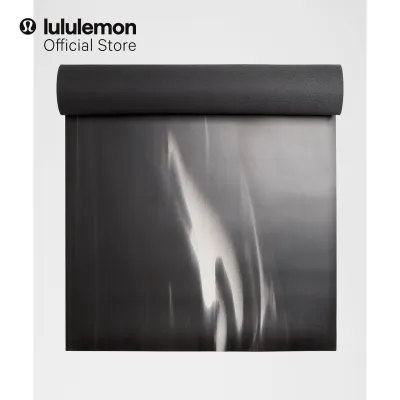
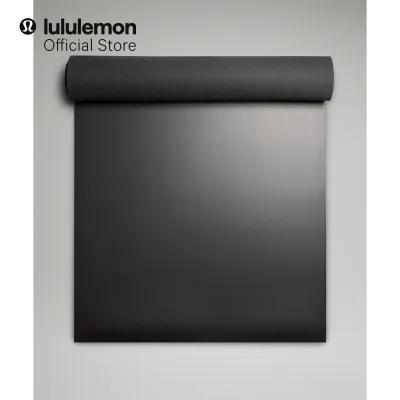

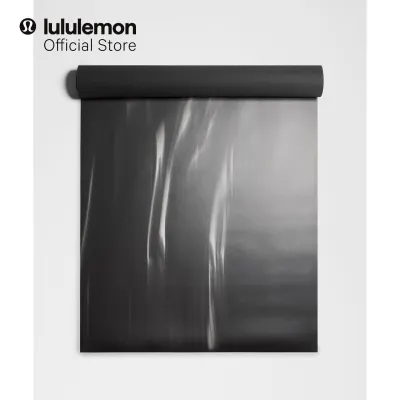

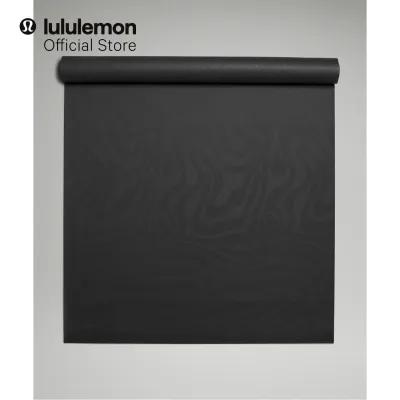
Prices are valid at publication and may change. Please refer to the product page for the latest price.
Thin mats, ranging from 1.5mm to 3mm, are designed primarily for portability and stability. They allow your hands and feet to make firm contact with the floor, which is highly beneficial for standing balances and active, fast-paced flows. However, because they offer minimal cushioning, they can feel unforgiving on sensitive joints, especially during prolonged floor poses.
Standard mats, typically 4mm to 5mm thick, represent the most versatile option for the majority of practitioners. This range offers a balanced combination of joint protection and stability, making it suitable for dynamic styles like Vinyasa as well as slower, alignment-focused classes. They provide enough cushion to protect the knees and spine without causing you to sink or lose your balance during standing postures.
Thick mats, measuring 6mm or more, prioritize comfort and joint support. These mats are highly suited for restorative yoga, Yin yoga, or therapeutic practices where you spend extended periods lying down or kneeling. The extra cushioning helps absorb pressure, but the added thickness can make balancing poses more challenging as the surface yields under your weight.
Beyond your practice style, your physical environment plays a major role in determining the right thickness. Many homes in Singapore feature hard flooring materials such as ceramic tiles, marble, or polished concrete, which have no natural shock absorption. If you practice primarily at home on these surfaces, a thicker mat is often necessary to prevent discomfort, whereas practicing on carpeted floors or resilient studio flooring allows for a thinner mat.
Lululemon Exercise Mats: Thickness and Design Profile
The Lululemon exercise mat lineup is designed with specific thickness options to cater to different practitioner needs, with the most common options being 3mm and 5mm models. These specifications are clearly indicated on the official product labels and packaging, allowing buyers to select the exact level of support they require.

The 5mm Lululemon mat is engineered for those who require substantial cushioning. It is constructed to provide a supportive barrier between your body and the floor, making it a popular choice for practitioners who experience knee or wrist sensitivity. The added thickness does increase the overall weight of the mat, which is an important consideration if you plan to carry it to classes.
The 3mm Lululemon mat offers a more streamlined, lightweight profile. It is designed for yogis who prefer a strong connection to the ground and want to feel stable during complex standing sequences. This thickness is also significantly easier to roll tightly and transport, making it a practical choice for commuters who travel to studios after work.
In terms of surface texture and materials, Lululemon mats typically feature a dual-sided design. One side is made of a smooth, moisture-absorbent polyurethane layer that is designed to offer reliable grip even when wet, which is particularly useful in Singapore’s warm and humid climate. The reverse side is usually made of a textured natural rubber base that grips the floor to prevent the mat from sliding during movement.
Because product specifications and material formulations can change over time, readers should always check the specific product page, tag, or user manual for the exact millimeter measurements, weight, and care instructions. This ensures that the mat you select aligns with your expectations for durability and performance.
How Other Premium Brands Approach Thickness and Grip
Other premium yoga mat brands on the market take diverse approaches to thickness, density, and material composition. Rather than relying on a single standard, these brands offer various options designed to balance weight, support, and traction in different ways.
Many premium manufacturers categorize their mats into travel, standard, and professional or extra-thick editions. Travel mats from these brands can be as thin as 1mm to 2.5mm and are often designed to be folded rather than rolled, allowing them to fit easily into a suitcase or backpack. While highly convenient, they offer virtually no cushioning and are typically used on top of a studio-provided mat or on carpeted surfaces.
The relationship between a mat’s material and its weight is a crucial factor to analyze. For example, mats made from high-density natural rubber or dense polyvinyl chloride (PVC) are exceptionally durable and supportive, but they are also heavy. A 6mm natural rubber mat from a premium brand can weigh over 3 kilograms, which may make it impractical for daily commuting but excellent as a permanent home practice mat.
Conversely, some brands utilize thermoplastic elastomers (TPE) or closed-cell foam to create thicker mats that remain remarkably lightweight. While these mats are easy to carry, they may not offer the same level of floor grip or long-term durability as denser rubber mats. They can also feel more squishy, which might compromise your stability during standing balance poses.
Grip technology also varies widely across premium brands. Some rely on open-cell natural rubber, which provides a textured, high-traction surface that performs well in dry conditions but may require regular deep cleaning. Others use smooth polyurethane top layers similar to Lululemon, which grip instantly but can be sensitive to oils and lotions. Reviewing the manufacturer’s specifications regarding density and grip technology is essential, as these factors influence your practice just as much as thickness does.
Comparing Key Dimensions for Your Decision
When choosing between a Lululemon exercise mat and another premium brand, comparing specific, verifiable dimensions will help you make the right investment. The table below outlines the key specifications you should verify before purchasing.
| Dimension | Lululemon 3mm Mat | Lululemon 5mm Mat | Other Premium Standard (4mm-5mm) | Other Premium Thick (6mm+) |
|---|---|---|---|---|
| Thickness | 3mm | 5mm | 4mm to 5mm | 6mm or more |
| Material | Polyurethane & Rubber | Polyurethane & Rubber | Natural Rubber, PVC, or TPE | Dense Rubber or PVC |
| Portability | High (Lightweight) | Moderate (Heavier) | Moderate to Low | Low (Suited for home use) |
| Primary Use | Balance & Commuting | Cushioning & Comfort | All-purpose practice | Restorative & Joint Support |
| Floor Grip | Textured rubber base | Textured rubber base | Varies by brand | High (due to weight) |
Weighing these dimensions against your personal routine is key to finding the right balance. For instance, if you frequently travel to studios in Singapore, a heavier 5mm or 6mm natural rubber mat may become a burden to carry on public transport, making a 3mm mat or a lightweight TPE alternative more appealing. However, if your practice is entirely home-based and your floors are hard tile, prioritizing thickness and density over portability is generally the wiser choice.
Additionally, always verify the warranty terms, return policies, and specific care instructions directly with the retailer or brand. Premium mats often require specialized cleaning solutions or must be kept out of direct sunlight to prevent the materials from degrading, and understanding these requirements beforehand will help protect your investment.
How to Choose the Right Thickness for Your Practice
To select the ideal mat thickness, you can use the following conditional framework to match your physical needs and practice environment to the correct specifications.
Choose a 3mm or thinner mat if:
- You prioritize stability and ground feedback during standing balances and active transitions.
- You commute regularly to yoga studios and need a lightweight mat that is easy to carry.
- You practice on carpeted floors or resilient wood surfaces that already provide some natural cushioning.
Choose a 5mm or thicker mat if:
- You experience joint sensitivity, discomfort, or pain in your knees, elbows, or spine during floor postures.
- Your primary practice consists of slow-paced, restorative, or Yin yoga where poses are held for several minutes.
- You practice on hard, unyielding floors such as ceramic tile, marble, or concrete.
Verify first if:
- You have a pre-existing joint injury or chronic condition; consult a physical therapist or medical professional to determine the appropriate level of support and whether additional props, such as yoga blocks or knee pads, are necessary.
- You practice hot yoga or sweat heavily; ensure the mat's surface material is rated for wet grip, as thickness alone will not prevent slipping.
- You plan to store the mat in a humid environment; check the manufacturer's guidelines to ensure the material is resistant to moisture retention and odor buildup.
Before making your final decision, visit a local retail store if possible to physically inspect the mats. Feeling the density of the material by squeezing it between your fingers can give you a much better sense of its supportiveness than looking at measurements online. If you are shopping online, use a household ruler to visualize the difference between 3mm and 5mm to ensure you select the thickness that aligns with your practice.
Frequently Asked Questions (FAQ)
Is a thicker yoga mat always better for joint pain?
No, a thicker yoga mat is not automatically better for joint pain. While thickness provides a physical barrier, the density and compression resistance of the material are what actually prevent your joints from bottoming out against the hard floor. A very soft, low-density foam mat that is 6mm thick may compress completely under your weight, offering less support than a highly dense 4mm natural rubber mat. For persistent joint pain, it is important to check manufacturer descriptions for high-density support claims and consult a physical therapist for personalized guidance.
How do I verify the exact thickness of a premium yoga mat before buying?
To verify the exact thickness of a premium yoga mat, look for the official specifications listed in millimeters on the product tag, packaging, or the manufacturer’s official website. If you are shopping in a physical retail store, you can inspect the edge of a display mat to assess its thickness. Keep in mind that some mats may have slightly tapered edges, so measuring closer to the center or checking the official product documentation is the most reliable way to confirm the exact dimensions.
Community discussion
Share your experience or ask a question. Comments are reviewed before publication.