
The Short Answer: Is a Lululemon Mat Worth the Premium Price?
A Lululemon yoga mat is worth the premium investment if you prioritize immediate, high-traction grip, modern aesthetics, and a balanced level of cushioning for dynamic movement. However, it is not a universally perfect solution for every practitioner. For those who experience heavy sweating during high-intensity hot yoga sessions in Singapore’s humid climate, or those who want a mat designed to last a lifetime under daily rigorous use, other premium brands may offer better targeted value.
The value of a Lululemon mat depends heavily on your primary yoga style and physical joint requirements. If your practice consists of moderate-paced Vinyasa, Hatha, or Yin yoga, the brand’s signature polyurethane and natural rubber blend provides an exceptional balance of comfort and stability. If you require maximum joint protection or want to avoid natural rubber due to latex sensitivities, alternative premium options like dense PVC or synthetic elastomer mats are often more suitable. Ultimately, the premium price is justified if the mat’s specific material properties align with your personal practice habits and aesthetic preferences.
How Lululemon Mats Compare Across Key Performance Metrics
To determine how Lululemon stacks up against other high-end options, we must compare its performance across three core dimensions: grip, cushioning, and durability. Premium competitors typically include established brands like Manduka, Liforme, and Jade Yoga, each utilizing distinct material formulations. By examining these materials through the lens of material science—such as the differences between closed-cell and open-cell structures—we can objectively evaluate their performance.
Products mentioned in this guide
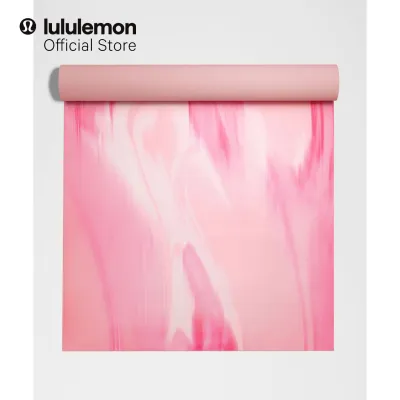
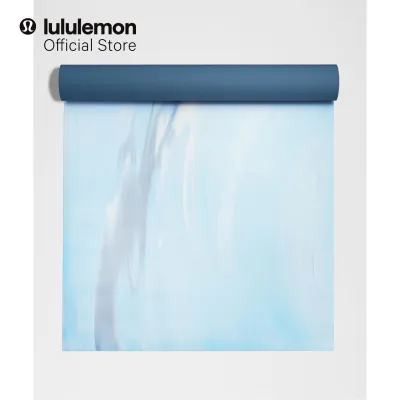
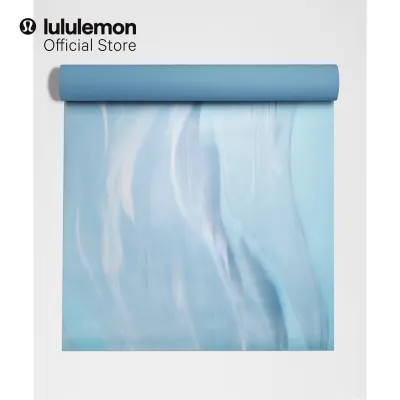
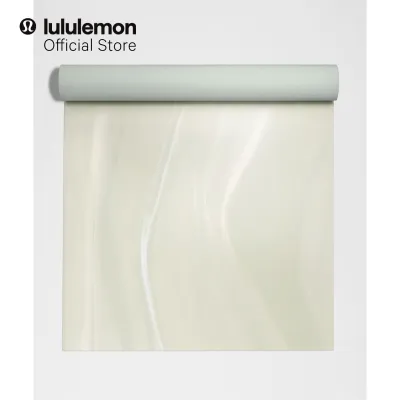
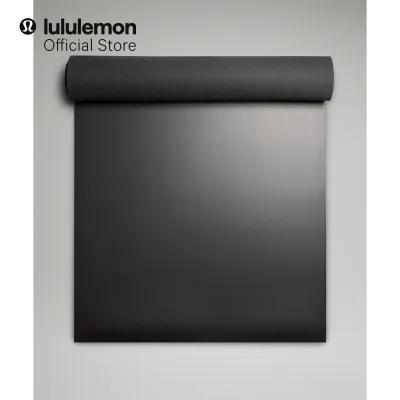
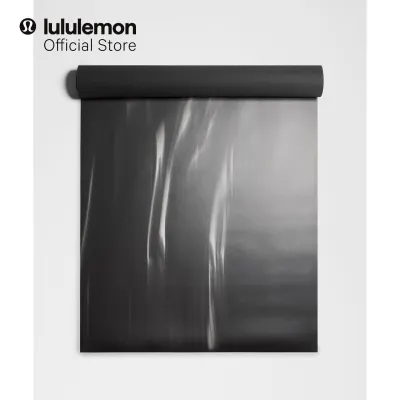
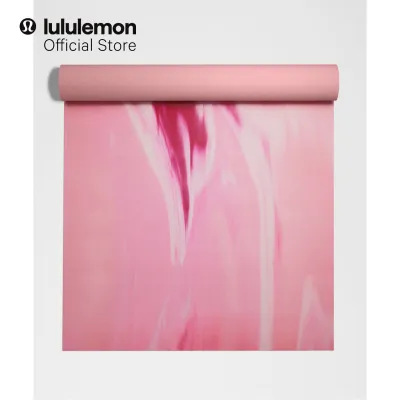

Prices are valid at publication and may change. Please refer to the product page for the latest price.

Rather than relying on vague marketing claims, practitioners should focus on how these physical material properties behave under real-world conditions. Factors such as room temperature, humidity, and individual sweat production directly influence how a mat performs during practice. Understanding these variables allows you to make an informed decision based on your specific physical needs and environmental conditions.
Grip and Traction in Sweaty Conditions
The surface texture and material composition of a yoga mat dictate its traction, which is critical for maintaining stability and preventing injury during transition movements. Lululemon mats typically feature a smooth polyurethane (PU) top layer bonded to a natural rubber base. Polyurethane is a semi-porous material that offers exceptional dry grip right out of the box, meaning your hands and feet remain firmly planted without any initial “break-in” period.
When moisture is introduced, the PU surface absorbs small amounts of sweat, which actually enhances its traction during the initial stages of a sweaty practice. This is a significant advantage over closed-cell synthetic mats, such as those made from high-density PVC. Closed-cell surfaces do not absorb moisture at all; instead, sweat pools on top of the mat, creating a slippery film that requires the immediate use of a microfiber yoga towel to prevent sliding.
However, open-cell natural rubber mats, such as those from Jade Yoga, handle moisture differently. Open-cell structures act like a sponge, drawing sweat deep into the core of the mat to maintain high traction even in extremely wet conditions. The trade-off is that these mats also absorb body oils, dirt, and bacteria, making them more difficult to sanitize and prone to developing odors over time.
Lululemon’s PU surface strikes a middle ground by providing superb dry-to-moderate wet grip while remaining relatively easy to wipe clean. However, during intense, high-humidity hot yoga sessions in Singapore, a PU layer can eventually become fully saturated. Once saturated, the surface may lose some of its traction, meaning practitioners who sweat heavily should verify their personal sweat limits and consider using a grip towel for added safety.
Cushioning, Thickness, and Joint Support
Cushioning is essential for protecting sensitive joints, such as the knees, wrists, and hips, from the hard floor beneath. Lululemon mats are most commonly available in a 5mm thickness, alongside lighter 3mm and ultra-thin travel variations. This thickness directly influences the biomechanical trade-off between joint protection and balance stability.
A thicker 5mm mat provides excellent impact absorption, which is highly beneficial for restorative practices, Yin yoga, or individuals recovering from joint discomfort. When performing poses that place significant weight on a single joint, such as Low Lunge, a thicker mat prevents the joint from compressing fully against the floor. This reduces localized pressure and allows you to hold poses comfortably for longer durations.
However, increased thickness can compromise stability in standing and balancing poses, such as Tree Pose or Warrior III. If a mat is too soft or lacks sufficient density, your feet and hands will sink into the material. This sinking effect destabilizes the ankles and wrists, forcing the stabilizing muscles to work harder to maintain balance, which can lead to premature fatigue or strain.
Density is just as critical as thickness when evaluating support. Lululemon’s rubber-blend core is moderately dense, offering a supportive, springy feel that cushions joints without feeling overly spongy. In comparison, premium competitors like the Manduka PRO series utilize an ultra-dense, heavy PVC formula. While a 6mm Manduka PRO is significantly heavier to carry, its high density ensures you never “bottom out” to the floor, providing a rock-solid foundation for advanced balancing postures.
Durability and Material Longevity
Investing in a premium yoga mat means expecting a product that resists wear and retains its performance characteristics over years of regular use. The longevity of a mat is largely determined by its chemical makeup and how it responds to environmental stressors like friction, sweat, and UV exposure.
Lululemon mats are constructed primarily from polyurethane and natural rubber, which are biodegradable materials. While this makes them more environmentally friendly than synthetic petroleum-based plastics, it also means they naturally degrade faster over time. Under regular use, the smooth polyurethane top layer will eventually show signs of wear, such as cosmetic scuff marks, surface pilling in high-friction areas, or gradual discoloration from body oils.
Furthermore, natural rubber is highly sensitive to environmental conditions, particularly UV light and extreme heat. In Singapore’s tropical climate, leaving a natural rubber mat in direct sunlight or storing it in a hot car can trigger oxidation. This process causes the rubber to dry out, lose its elasticity, and eventually become brittle or flaky, severely compromising both the grip and the structural integrity of the mat.
In contrast, synthetic closed-cell PVC mats are virtually indestructible and do not degrade when exposed to moisture, sweat, or sunlight. Many high-density PVC mats come with lifetime warranties because their molecular structure does not break down under normal practice conditions. If your primary goal is a mat that will withstand a decade of daily, rigorous practice without showing physical wear, synthetic alternatives hold a clear advantage over natural rubber blends.
Price-to-Value Breakdown: Lululemon vs. Competitors
In the premium yoga mat market, prices generally span from S$100 to over S$220. Lululemon mats sit firmly in the mid-to-high tier of this range, typically retailing between S$120 and S$160 depending on the specific thickness and design. To determine if this price point is justified, we must evaluate the functional features, material quality, and brand value compared to other industry leaders.
One of the primary functional advantages of Lululemon mats is their reversible, dual-texture design. One side features the smooth, high-grip polyurethane surface, while the reverse side offers a textured natural rubber surface. This design essentially provides two mats in one, allowing you to switch sides depending on whether you are practicing a fast-paced, sweaty Vinyasa flow or a slow, grounding Yin session.
Additionally, Lululemon incorporates an antimicrobial additive into the rubber core of their mats. This treatment helps inhibit the growth of mold, mildew, and bacteria within the mat—a highly valuable feature in Singapore’s year-round high humidity, where damp sports equipment can easily develop unpleasant odors. Many competitors do not include built-in antimicrobial properties, requiring users to be far more diligent with post-practice cleaning and drying routines.
However, a portion of the price tag is undeniably associated with brand prestige and contemporary aesthetic appeal. Lululemon is highly regarded for its sleek, minimalist visual designs, unique marbled colorways, and modern styling that appeals to design-conscious practitioners. In comparison, brands like Liforme, which often cost upwards of S$200, justify their price with detailed, laser-etched alignment grids on the surface to assist with precise hand and foot placement. Manduka focuses its value proposition on unmatched physical durability and long-term warranties.
Ultimately, if you value dual-texture versatility, built-in antimicrobial protection, and a modern aesthetic that fits your lifestyle, Lululemon offers a highly competitive price-to-value ratio. If you prioritize technical alignment markings or want a mat that will literally last a lifetime, you may find better long-term value in specialized competitor offerings.
Which Premium Yoga Mat Should You Choose for Your Practice?
Selecting the right premium yoga mat requires matching the mat’s material specifications to your physical needs, primary practice style, and lifestyle constraints. Use the following condition-based framework to guide your decision:
Choose Lululemon if:
- You want an all-in-one, reversible mat that supports both high-sweat dynamic flows and slower, grounding practices.
- You prefer immediate, high-traction grip right out of the box without needing a break-in period.
- You value modern, sleek aesthetics and want built-in antimicrobial protection to combat humidity-induced odors.
- You need a premium mat that is relatively lightweight and manageable to transport to local studios.
Choose a dense, heavy alternative if:
- Your primary concern is joint protection, and you require maximum density to prevent bottoming out during kneeling poses.
- You practice mostly dry or slow-flow yoga and do not mind using a separate microfiber towel during occasional sweaty sessions.
- You want a highly durable, synthetic mat backed by a lifetime warranty that will not degrade over years of daily use.
- You practice primarily at home, where the physical weight of a heavy mat (often exceeding 3kg) is not a transport inconvenience.
Choose an open-cell natural rubber alternative if:
- You prioritize 100% natural, eco-friendly materials and want to avoid synthetic top layers entirely.
- You require maximum dry traction and prefer a textured, organic surface feel under your hands and feet.
- You are willing to perform a more rigorous, regular cleaning routine to keep the open-cell pores free of sweat, oils, and dirt.
Verify first if:
- Latex Allergies: Lululemon mats contain natural rubber, which contains latex proteins. If you have a known latex allergy, you must verify the material composition and opt for a completely synthetic, latex-free alternative such as PVC or thermoplastic elastomer (TPE).
- Extreme Hot Yoga: If you practice in high-temperature, high-humidity environments, verify whether a closed-cell setup with a towel or a highly absorbent open-cell mat matches your sweat level and cleaning preferences.
Maintaining Your Premium Yoga Mat for Longevity
Proper maintenance is essential to preserve the grip, hygiene, and overall lifespan of your premium yoga mat. Because different materials react differently to cleaning agents, always check the manufacturer’s care tag before applying any solution or cleaner to your mat’s surface.
For Lululemon’s polyurethane and natural rubber mats, clean the surface after every few practices by wiping it down with a soft microfiber cloth dampened with warm water and a small drop of mild, pH-balanced dish soap. Avoid using harsh chemical cleaners, bleach, solvents, or alcohol-based sprays, as these substances will strip the polyurethane layer and accelerate the chemical breakdown of the natural rubber base. Never submerge the mat in water or place it in a washing machine, as this will saturate the core and ruin its structural integrity.
Once cleaned, allow your mat to air dry completely in a flat or draped position before rolling it up for storage. Always dry your mat in a shaded, well-ventilated indoor space. Never expose it to direct sunlight, as UV rays will oxidize the natural rubber, causing it to lose its elasticity and grip. When rolling the mat, ensure the smooth polyurethane side is facing outwards; this simple step prevents the surface from creasing and ensures the mat lies perfectly flat the next time you unroll it for practice.
Frequently Asked Questions (FAQ)
Can I use a Lululemon mat for hot yoga?
Yes, you can use a Lululemon mat for hot yoga, but you should monitor your sweat levels during practice. The polyurethane top layer is designed to absorb moderate moisture to maintain traction, but during high-intensity, extremely sweaty hot yoga sessions, the surface can eventually become fully saturated and lose some grip. To ensure optimal safety and hygiene, check the manufacturer’s official guidelines, and consider pairing your mat with a high-quality microfiber yoga towel to absorb excess sweat.
How do I stop my natural rubber yoga mat from smelling?
New natural rubber yoga mats naturally emit a distinct, earthy odor due to the organic compounds in the rubber. This scent is completely normal and will naturally off-gas and fade over time. To accelerate this process, unroll your mat and allow it to air out in a shaded, well-ventilated indoor area for several days. Avoid applying strong essential oils, perfumes, or harsh chemical deodorizers, as these substances can degrade the rubber compounds and permanently damage the mat’s grip.
Are premium yoga mats worth the investment for beginners?
A premium yoga mat is a worthwhile investment for a beginner if you are committed to developing a regular practice, or if slipping on a budget mat is causing joint pain or safety concerns. A high-quality mat provides reliable traction and proper cushioning, allowing you to focus on learning correct alignment and building strength safely. However, if you are still exploring whether yoga is right for you, a mid-range, budget-friendly mat is perfectly adequate for establishing your initial routine.
Community discussion
Share your experience or ask a question. Comments are reviewed before publication.