
Deciding whether to invest in a premium athletic hair accessory like the Lululemon claw clip or stick to standard drugstore alternatives depends heavily on your specific yoga practice, hair type, and comfort priorities. For yogis who frequently practice dynamic, high-intensity flows or spend significant time in inversions, a premium clip designed specifically for movement can offer a secure, slip-free hold that justifies its higher price tag. Conversely, if your routine consists primarily of gentle, floor-based restorative sessions, or if you have fine hair that is easily secured by standard clips, the premium cost may not translate into noticeable functional benefits. Evaluating your personal hair volume, sweat levels, and the physical demands of your practice is essential to determining whether this upgrade is a practical investment or an unnecessary luxury.
Key Physical Differences That Affect Your Yoga Practice
When transitioning between poses like Downward-Facing Dog and active inversions, the physical design of your hair claw directly impacts your focus and comfort. Standard claw clips often rely on rigid, brittle plastics and basic spring mechanisms that struggle to maintain tension under movement. In contrast, premium athletic claw clips are typically engineered with specialized materials and structural features tailored to physical activity.
Grip strength and teeth design are critical when securing heavy, thick, or slippery hair during dynamic sequences. Standard drugstore clips often feature straight, widely spaced teeth that allow hair to slide out as your head moves. Premium athletic clips, such as those from Lululemon, frequently utilize curved, double-row teeth or overlapping claw structures that hug the scalp more closely. This design distributes the clamping force more evenly across a larger surface area, preventing the clip from sliding downward when gravity pulls on your hair during an inversion. The interior of these premium clips may also feature matte or rubberized coatings that increase friction against wet or dry hair strands, reducing the need for constant readjustment mid-flow.
Products mentioned in this guide
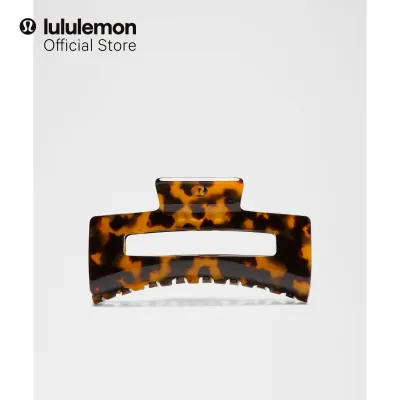
Prices are valid at publication and may change. Please refer to the product page for the latest price.
Material flexibility and hinge durability are equally important under the repeated stress of opening and closing the clip during daily workouts. Budget-friendly clips are commonly made from cheap polystyrene, which is highly susceptible to cracking when dropped on studio floors or compressed inside a gym bag. Premium athletic accessories often employ more resilient materials, such as acetate, nylon blends, or flexible polycarbonate. These materials can absorb impact and bend slightly without snapping. Furthermore, the spring mechanism in a premium clip is typically constructed from rust-resistant metals or reinforced alloys designed to maintain consistent tension over hundreds of uses, preventing the loose, floppy feel that often develops in cheaper alternatives after a few weeks of active wear.
The profile shape of the clip plays a massive role in back-of-head comfort, particularly when lying flat on your mat for Savasana, Wind-Relieving Pose, or floor-based core work. Traditional claw clips feature a high, protruding hinge and sharp handles that dig painfully into the scalp when pressure is applied. Premium athletic designs often prioritize a flatter, more contoured profile. By curving the back of the clip to match the natural shape of the skull and minimizing the protrusion of the opening handles, these specialized clips allow you to lie supine with minimal discomfort. This thoughtful geometry helps you maintain focus on your breathing and alignment rather than forcing you to remove your hair accessory every time you transition to the floor.
Evaluating the Price Premium and Long-Term Value
To determine if a premium athletic hair claw is worth the investment, it is helpful to compare the upfront costs against the expected lifespan and daily utility of the accessory. In Singapore, standard drugstore or supermarket claw clips typically range from S$2 to S$8 per piece, often sold in multi-packs. On the other hand, premium athletic brand accessories, including those from Lululemon, generally command prices between S$20 and S$40. This represents a significant price multiplier, making it essential to analyze the cost-per-use.

Calculating cost-per-use involves looking at your weekly practice frequency and hair care routines. If you practice yoga four to five times a week and wash your hair after every session, your hair claw is subjected to constant handling, sweat exposure, and frequent cleaning. A cheap S$3 clip that snaps after a month of heavy use results in a high replacement rate and ongoing inconvenience. If a premium S$30 clip lasts for a year or more under the same conditions due to superior hinge construction and impact-resistant materials, the long-term cost-per-use becomes highly comparable, with the added benefit of uninterrupted, distraction-free practices.
However, it is important to distinguish between actual functional benefits and aesthetic branding. A higher price tag does not automatically guarantee better performance if the design does not align with your physical needs. If a premium clip features the same basic geometry and brittle plastic as a drugstore option but simply carries a prominent logo, you are paying for brand prestige rather than utility. True value lies in observable physical upgrades: a rubberized non-slip finish, a recessed hinge that does not press into the floor, and a flexible frame that conforms to your head shape. If these features directly resolve a recurring distraction in your practice, the premium price is a functional investment in your training.
How to Choose the Right Claw Clip for Your Routine
Selecting the ideal hair claw requires matching the accessory’s specifications to your specific yoga style, hair characteristics, and personal preferences. There is no single option that suits every practitioner, so a targeted approach is necessary to avoid wasting money on unsuitable products.
You should consider choosing a premium athletic claw clip if your routine involves vigorous, high-movement styles such as Vinyasa, Power Yoga, or Ashtanga. These practices demand rapid transitions and head-down positions where a loose clip will inevitably fail. Additionally, if you have thick, heavy, or long hair, the superior clamping force and specialized teeth design of a premium clip are often necessary to support the weight of your hair without causing scalp strain. Those who practice hot yoga will also benefit from the moisture-resistant materials and non-slip coatings that prevent the clip from sliding off sweat-slicked hair strands.
Conversely, standard regular clips are often perfectly adequate if your practice leans toward gentle, slow-paced, or restorative yoga, where movements are deliberate and head transitions are minimal. If you have fine or thin hair, a standard clip with moderate tension can easily secure your hair without the need for heavy-duty clamping force, which might otherwise cause discomfort. Opting for budget-friendly clips is also highly practical if you prefer to rotate your accessories frequently to match different outfits, or if you have a habit of misplacing hair clips at the studio and want to avoid the financial sting of losing an expensive item.
Before making a purchase, verify the performance of your current hair accessories. Pay attention to whether your clips slip during specific poses, cause tension headaches from uneven weight distribution, or snap easily at the hinge when packed in your bag. If you experience these issues regularly, upgrading to a premium, ergonomically designed athletic clip is a logical step to improve your comfort. If your current budget clips hold your hair securely and comfortably throughout your entire routine, there is little practical reason to pay a premium.
Care and Maintenance to Extend Clip Lifespan
Regardless of whether you choose a premium athletic claw or a standard drugstore clip, proper care and maintenance are vital to preserving the accessory’s structural integrity and hygiene. Sweat, natural scalp oils, and styling products like leave-in conditioners or hairsprays can accumulate on the surface of the clip over time, degrading both the material finish and the metal spring.
To clean your hair claw, gently wash it by hand using lukewarm water and a mild, sulfate-free soap or shampoo. Avoid harsh chemical cleaners or boiling water, as extreme heat and strong solvents can weaken polycarbonate plastics and strip away non-slip rubberized coatings. Pay close attention to the hinge area, where sweat and moisture can pool and cause the metal spring to rust. After washing, thoroughly dry the clip with a soft microfiber towel, ensuring no water remains trapped inside the spring mechanism.
Safe storage is equally critical to preventing physical damage. Avoid tossing your hair claw loosely into a crowded gym bag where heavy water bottles, yoga blocks, or shoes can crush the teeth or snap the clasp. Instead, store the clip in a dedicated, padded compartment of your bag, or clip it securely onto an internal strap where it is protected from direct pressure. When storing multiple clips at home, keep them in a cool, dry place away from direct sunlight, as prolonged exposure to ultraviolet rays can embrittle plastic materials and cause colors to fade.
Frequently Asked Questions (FAQ)
Are premium claw clips better for hot yoga?
Yes, premium claw clips designed for athletic use are generally much better suited for hot yoga environments. High humidity and heavy sweating cause hair strands to become incredibly slippery, which easily overcomes the weak grip of standard plastic clips. Premium athletic clips often feature specialized matte, textured, or rubberized coatings that maintain friction even when wet, preventing the clip from sliding down your head. Additionally, premium clips typically utilize rust-resistant metals or treated alloys for their internal springs, protecting the hinge from the corrosive effects of sweat and moisture, whereas standard budget clips may rust quickly and lose their tension.
Will a tighter claw clip cause hair breakage during workouts?
A tighter claw clip does not necessarily cause hair breakage, provided its teeth and edges are properly designed. Breakage during physical activity is usually caused by sharp plastic seams, rough edges, or uneven pressure points that pinch and pull individual hair strands. High-quality premium clips are typically molded with smooth, rounded teeth and seamless finishes that glide through the hair without snagging. They also distribute their clamping force evenly across the scalp. However, if a clip is excessively tight and lacks a protective coating, or if you pull it out of your hair without fully opening the hinge, the friction can damage the hair cuticle and lead to breakage. Always ensure you open the clip completely before adjusting or removing it.
Community discussion
Share your experience or ask a question. Comments are reviewed before publication.