
Choosing the right lululemon yoga mat thickness is a personal decision that directly shapes every posture, transition, and savasana. The brand’s two primary thickness options—3mm and 5mm—represent a deliberate engineering trade-off between tactile feedback and joint protection. Finding your ideal match depends on your preferred yoga style, joint health, and daily commute. While a thicker mat offers plush cushioning, a thinner mat provides the firm, unyielding foundation required for precise balance.
Why Thickness Matters: The Trade-Off Between Cushioning and Stability
The physical thickness of your yoga mat directly affects your body’s biomechanics during practice. Every millimeter of material alters the distance and sensory feedback between your sensory receptors (particularly in your hands and feet) and the solid floor beneath you. This relationship governs two competing performance priorities: cushioning and stability.
Cushioning protects sensitive bony areas—such as the knees, ankles, wrists, and spine—from the impact of hard studio floors. Stability, on the other hand, relies on a firm, non-giving surface that prevents your joints from sinking or micro-wobbling during complex postures. A common misconception among beginners is that a thicker mat is universally superior. In reality, excess cushioning can degrade your balance by absorbing the subtle muscular adjustments your feet make to stay upright. Conversely, a mat that is too thin can turn a restorative session into an uncomfortable test of physical endurance. Selecting the correct thickness is about finding the precise point on this spectrum that aligns with your physical needs and movement style.
Products mentioned in this guide

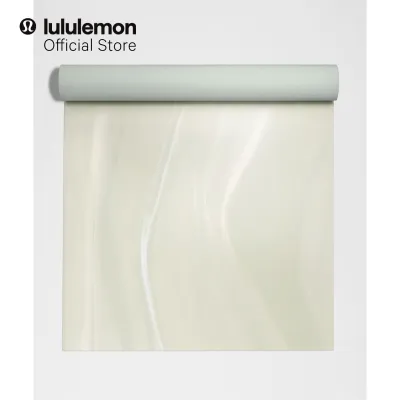
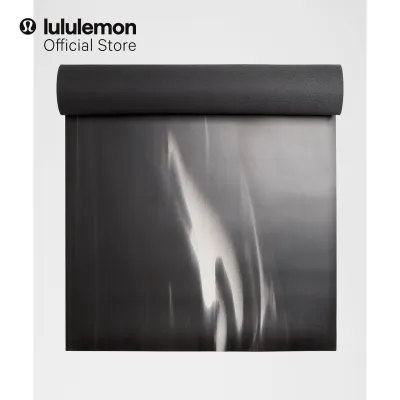
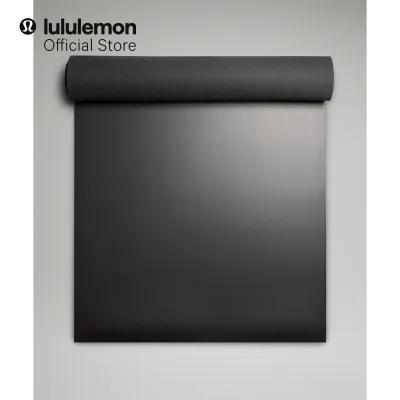
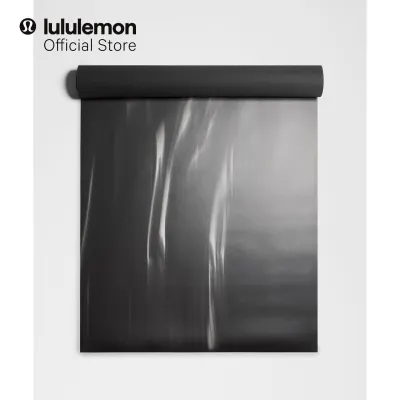
Prices are valid at publication and may change. Please refer to the product page for the latest price.
3mm Specs Decoded: Grounding, Stability, and Dynamic Flow
The 3mm lululemon yoga mat is engineered for practitioners who prioritize stability, precise alignment, and a close connection to the ground. This thinner profile provides a highly responsive surface that does not compress under load. When executing rapid transitions or holding complex standing balances, your feet can engage directly with the floor, minimizing ankle wobble and reducing the risk of strain.

This direct grounding makes the 3mm specification highly suitable for dynamic, fast-paced disciplines. In practices like Vinyasa, Power Yoga, or Ashtanga, where movement is synchronized with the breath, a firm mat allows for clean, predictable transitions between poses. You can press off the mat without feeling like you are fighting against a soft, spongy surface.
However, this stability comes with a clear physical trade-off. With only 3mm of separation from the floor, you will feel the hardness of the underlying surface more acutely. During kneeling postures, low lunges, or prolonged seated and supine poses, the pressure on your patella, hip bones, and spine is significantly higher. If you lack joint sensitivity or have developed techniques to distribute your weight evenly, this may not pose an issue.
Beyond physical performance, the 3mm mat offers practical logistical advantages. It rolls into a compact cylinder that fits easily into standard yoga bags and is significantly lighter than its thicker counterpart. For those commuting through busy transit hubs or walking to local studios, the reduced bulk makes it a highly manageable travel companion.
5mm Specs Decoded: Impact Absorption and Joint Support
For practitioners seeking to minimize joint stress, the 5mm lululemon yoga mat provides a substantial, dense layer of impact absorption. This additional 2mm of material completely transforms the tactile experience of your practice. The mat acts as a protective barrier, dispersing concentrated pressure across a wider surface area to protect vulnerable joints.
This level of cushioning is highly beneficial for individuals managing joint sensitivity, minor arthritis, or recovering from previous wrist or knee discomfort. It is also the preferred choice for slower, floor-centric practices. In Yin Yoga, Restorative Yoga, or traditional Hatha classes, where poses are held for several minutes at a time, the 5mm thickness ensures that your body remains comfortable and supported, allowing you to focus on deep stretching and breathing rather than physical discomfort.
The primary trade-off with a 5mm mat lies in balance and micro-stability. Because the material is thicker, it yields slightly under concentrated weight. During deep standing balances, such as Tree Pose or Warrior III, or advanced arm balances, your hands and feet will sink slightly into the mat. This compression requires your stabilizing muscles to make continuous, minor micro-adjustments to maintain equilibrium. While this can help build strength over time, it may initially feel less secure than practicing on a 3mm surface.
Additionally, the dense rubber construction of these 5mm mats makes them considerably heavier and bulkier. They require more effort to roll tightly and can be cumbersome to carry over long distances, making them best suited for home practices or dedicated studio storage.
Beyond Thickness: How Surface Material Affects Grip in Humid Weather
While thickness dictates the level of cushioning under your joints, it is the surface material of the mat that determines your grip and traction—a critical factor for anyone practicing in Singapore’s hot and humid tropical climate. A thick mat will not prevent you from slipping if the top layer cannot handle moisture, and a thin mat is of little use if your hands slide during a downward dog.
Lululemon’s mats typically feature a polyurethane (PU) top layer paired with a natural rubber base. The PU surface is specifically engineered to absorb sweat and moisture, actually increasing its grip as it gets wetter. This makes it highly effective for hot yoga sessions or high-intensity flows where perspiration is inevitable.
For non-heated practices or individuals who prefer a dry, textured feel, the reversible natural rubber side offers a different tactile experience. When selecting your mat, it is vital to look at the material composition alongside the thickness. If you opt for a 3mm mat for its portability, ensure the surface material matches your sweat levels; a slippery 3mm mat can lead to sudden slips that risk joint strain. Always check the manufacturer’s care instructions, as improper cleaning can degrade these specialized grip surfaces over time.
Decision Guide: Matching Mat Specs to Your Body and Yoga Style
To finalize your choice, you must weigh your physical requirements against your practical lifestyle. Rather than following general trends, evaluate how you move, where you practice, and how your body feels during and after a session.
Use the following decision matrix to guide your selection:
- Choose the 3mm Mat If:
- Your primary practice consists of dynamic, balance-heavy styles like Vinyasa, Ashtanga, or Power Yoga.
- You prioritize maximum stability, solid grounding, and minimal ankle wobble.
- You commute regularly to studios, travel frequently, and need a lightweight, highly portable mat.
- You have no history of joint pain or sensitivity in your knees, wrists, or spine.
- Choose the 5mm Mat If:
- Your practice focuses on slower, floor-heavy styles like Yin, Restorative, or gentle Hatha.
- You experience discomfort or sensitivity in your knees, wrists, or spine when pressing against hard floors.
- You primarily practice at home or have storage facilities at your local studio, making weight and bulk minor concerns.
- You are willing to trade a small amount of standing balance stability for superior impact absorption.
Frequently Asked Questions (FAQ)
Is a 5mm Lululemon mat too thick for balance poses?
While a 5mm mat is softer than a 3mm model, Lululemon uses a dense natural rubber base that prevents excessive sinking. For most practitioners, it is not too thick for standard standing balances. However, advanced practitioners who perform complex arm balances or highly precise transitions may notice the slight compression and prefer the immediate feedback of the 3mm option.
Can I use a 3mm mat if I have sensitive knees?
Yes, you can still enjoy the portability and grounding of a 3mm mat even with sensitive joints. The key is to use temporary, targeted cushioning. Placing a folded microfiber yoga towel, a small knee pad, or even doubling over the edge of your mat during kneeling postures provides localized relief without compromising the overall stability of your practice.
Does the thickness affect the weight and portability of the mat?
Yes, the difference is substantial. The 5mm mat is significantly heavier and bulkier to roll, carry, and store. If you walk, cycle, or take public transit to your yoga classes, the 3mm mat is much more practical. The 5mm mat is generally recommended for home setups or situations where you do not have to carry it far.
Community discussion
Share your experience or ask a question. Comments are reviewed before publication.