
Selecting the right heart rate monitor is a pivotal decision for any cyclist looking to optimize training, track cardiovascular fitness, or pace efforts during long rides. Magene offers two distinct styles of sensors to meet these needs: the traditional chest strap and the modern optical arm band. Choosing between them is not a matter of finding a universally superior device, but rather matching their distinct technologies to your specific riding style, comfort preferences, and accuracy requirements. While one rider might prioritize the split-second responsiveness of a chest strap during intense interval sessions, another might value the unobtrusive comfort of an arm band during long endurance rides across Singapore’s park connector network.
How Chest Straps and Optical Sensors Measure Heart Rate
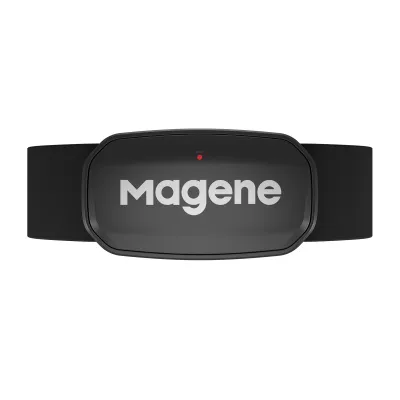
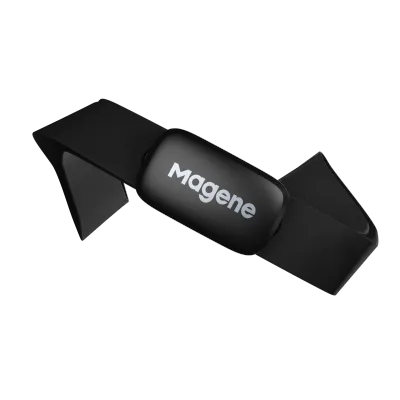
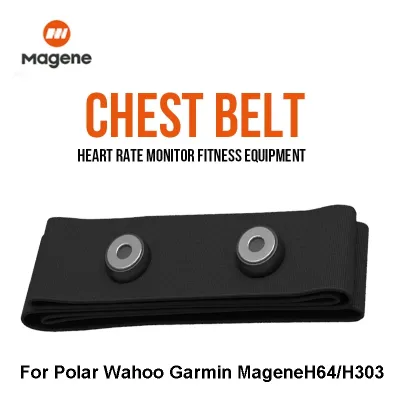
To make an informed choice, it is essential to understand how these two sensor types capture your physiological data. Chest strap heart rate monitors rely on electrocardiography (ECG) to detect the electrical activity of your heart. Every time your heart beats, it generates a tiny electrical signal that spreads through the cardiac muscle. The conductive pads on a chest strap, positioned close to your heart, detect these microvoltages directly through the skin. This direct electrical measurement allows the sensor to register each individual heartbeat almost instantaneously, providing highly precise beat-to-beat interval data.
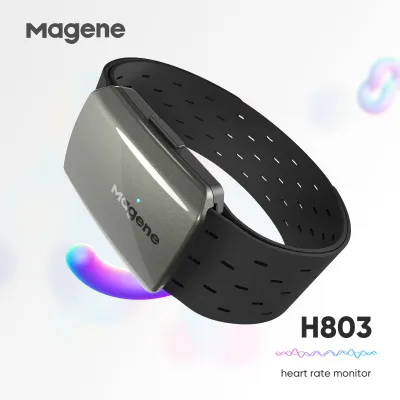
In contrast, optical arm bands utilize photoplethysmography (PPG) to track your heart rate. These sensors feature light-emitting diodes (LEDs) that shine light through your skin into the underlying blood vessels, alongside photodetectors that measure how much light is reflected back or absorbed. Because blood absorbs light differently as blood volume pulses through your vessels with each heartbeat, the sensor can calculate your pulse rate by analyzing these optical fluctuations. While highly sophisticated, this method measures the mechanical flow of blood at a peripheral site—such as your forearm or upper arm—rather than the direct electrical activity of the heart itself.
Products mentioned in this guide
![[Magene SG] Magene H303 Heart Rate Sensor](https://img.lazcdn.com/g/p/1c259e34b33a1f57990fc1c452ad67a6.jpg_400x400q80.jpg_.webp)
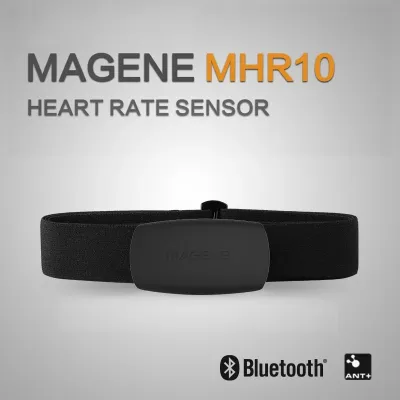
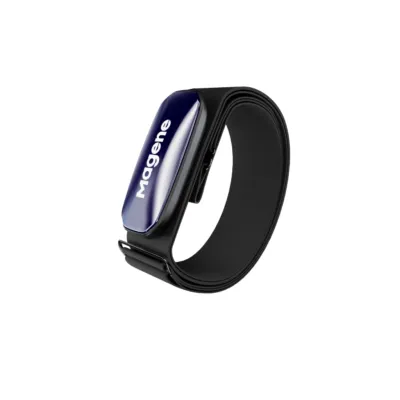
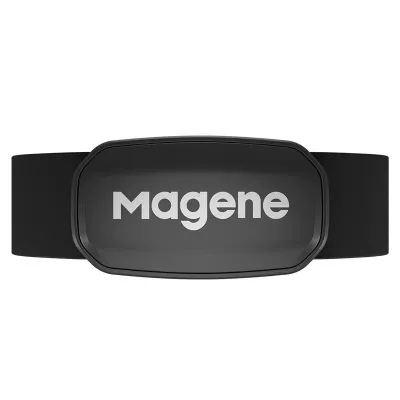
Prices are valid at publication and may change. Please refer to the product page for the latest price.
These fundamental physical mechanisms dictate how each sensor behaves during physical motion. The ECG method used by chest straps is highly resilient to body movement because the sensor remains firmly anchored to the torso, where muscle movement is relatively minimal during cycling. The PPG method used by optical bands, however, must filter out noise caused by the movement of your arm muscles, changes in grip pressure on the handlebars, and vibrations from uneven road surfaces. Consequently, optical sensors rely heavily on internal algorithms to smooth out the data, which can introduce a slight delay in displaying rapid heart rate changes.
Evaluating Accuracy Across Different Cycling Conditions
The environment and your specific cycling discipline play a major role in how reliably these sensors perform. During high-intensity interval training (HIIT), short hill climbs, or sudden out-of-saddle sprints, your heart rate can spike or drop rapidly. Because chest straps measure electrical signals directly, they capture these sudden transitions with virtually zero lag. Optical arm bands, due to their reliance on peripheral blood flow and algorithmic data smoothing, often experience a brief delay of several seconds before reflecting these rapid changes. For cyclists who rely on precise, real-time data to manage short, intense efforts, this lag can make pacing more challenging.

Physical movement and grip changes also affect optical sensor performance. When you grip the handlebars tightly, climb out of the saddle, or ride over rough gravel paths, the muscles in your forearms and wrists contract and relax. These contractions alter local blood flow and can physically shift the optical sensor against your skin, occasionally leading to temporary reading errors or cadence locking, where the sensor mistakenly tracks your pedaling cadence instead of your heart rate. Chest straps are largely immune to these hand and arm movements, making them highly stable during technical off-road riding or high-cadence road cycling.
Environmental factors and individual physiology introduce additional variables. In cooler weather, the body naturally restricts blood flow to the extremities to preserve core temperature, a process known as vasoconstriction. This reduced peripheral blood flow can make it difficult for optical arm bands to acquire an accurate reading during the initial miles of a chilly morning ride. Furthermore, factors such as dense arm hair, deep skin tones, or heavy sweat can occasionally scatter the LED light of an optical sensor, requiring careful placement to ensure a reliable reading. Conversely, chest straps actually perform better when wet, as moisture improves the electrical conductivity between the skin and the sensor electrodes.
Comfort, Fit, and Daily Maintenance Requirements
While accuracy is critical, a sensor is only useful if you are comfortable wearing it on every ride. Traditional chest straps require a snug, secure fit around the chest, directly beneath the pectoral muscles. For some cyclists, this tight elastic band can feel restrictive, particularly during deep breathing on steep climbs or during long, hot rides. The strap can also cause friction or chafing against the skin over several hours, especially if salt crystals from dried sweat begin to accumulate. Some riders may also find the positioning of a chest strap less compatible with certain sports bras or bib strap designs.
Optical arm bands offer a highly appealing alternative in terms of comfort and ease of wear. Typically worn on the forearm or upper arm, these bands use soft, adjustable straps that do not restrict chest expansion. They are easy to slip on and adjust mid-ride, and they generally cause far less chafing over long distances. However, riders must still ensure the band is snug enough to block out ambient light without being so tight that it restricts local blood circulation, which would paradoxically degrade the sensor’s accuracy.
Maintenance routines also differ significantly between the two designs and directly impact their long-term durability. Chest straps require diligent upkeep; the elastic fabric strap must be rinsed regularly to remove sweat, skin oils, and salt, which can corrode the conductive pads and lead to erratic readings over time. Many manufacturers recommend hand-washing the strap after every few rides and occasionally machine-washing it on a gentle cycle. Optical arm bands require less fabric maintenance, but you must regularly wipe down the optical sensor window to keep it free of sweat, dust, and sunscreen, which can cloud the lens and interfere with the light transmission.
Battery Life and Device Connectivity Checks
Power management and system compatibility are crucial practical considerations before making your purchase. Most chest strap heart rate monitors are powered by a replaceable CR2032 coin cell battery. These batteries are highly efficient, often lasting for hundreds of hours of riding time before requiring replacement. This means you rarely have to worry about charging your sensor before a ride, though you must keep a spare coin cell on hand for when the battery eventually drains. Optical arm bands, on the other hand, typically feature built-in rechargeable lithium-ion batteries. While they eliminate the need to buy replacement batteries, they require regular charging—often after every 15 to 40 hours of use, depending on the model—meaning you must remember to plug them in alongside your cycling computer.
Before finalizing your choice, it is vital to verify the connectivity options of the specific model you are considering. Modern Magene sensors generally support dual-band connectivity, broadcasting via both ANT+ and Bluetooth. This dual-protocol support allows you to connect the sensor to a wide range of devices, including dedicated cycling computers, GPS watches, and indoor training applications on smartphones, tablets, or laptops. You should check the manufacturer’s specifications to confirm how many simultaneous Bluetooth connections the sensor can support, which is particularly important if you plan to pair the device with both a virtual training platform and a sports watch at the same time.
Additionally, verify that the sensor’s physical dimensions and transmission range align with your setup. If you ride indoors on a trainer, ensure your receiver or computer is within the recommended signal range to prevent data dropouts. Checking these technical specifications beforehand ensures a seamless integration into your existing cycling ecosystem without unexpected compatibility issues.
Decision Framework: Which Magene Sensor Fits Your Riding Style?
To choose the right heart rate monitor, evaluate your primary cycling activities, training goals, and personal comfort thresholds.
Choose the Chest Strap if:
- Your training focuses heavily on structured intervals, racing, or high-intensity efforts where split-second accuracy and immediate responsiveness are essential.
- You prefer a set-and-forget battery system that lasts for months without needing a recharge.
- You do not mind the sensation of a snug elastic band around your chest during exercise.
Choose the Optical Arm Band if:
- You prioritize long-distance comfort and want to avoid the potential chafing or chest constriction associated with chest straps.
- Your riding consists primarily of steady-state endurance rides, commuting, or casual touring where minor data lag is inconsequential.
- You prefer the convenience of a rechargeable device and do not mind adding another sensor to your regular charging routine.
Verify first if:
- You have checked current retail availability and pricing in S$ through authorized local sports retailers or reputable online marketplaces in Singapore.
- Your existing cycling computer, smartwatch, or indoor training software supports the specific connection protocols (ANT+ or Bluetooth) of your chosen sensor.
- You have reviewed the manufacturer's sizing guidelines to ensure the strap or band will fit your body comfortably and securely.
Frequently Asked Questions (FAQ)
Can I use an optical arm band for high-intensity interval training (HIIT)?
Yes, you can use an optical arm band for high-intensity interval training, but you should expect a slight delay in the readings. Because optical sensors measure peripheral blood flow rather than direct electrical heart signals, there is an inherent lag of several seconds when your heart rate spikes or drops rapidly. While the sensor will eventually capture your peak heart rate, it may not show the immediate real-time changes during short, explosive intervals. For precise, second-by-second tracking during HIIT, a chest strap remains the more suitable tool.
Do I need to wet the chest strap electrodes before every ride?
Yes, it is highly recommended to moisten the electrode pads on a chest strap before putting it on. ECG sensors require a conductive medium to accurately detect the faint electrical signals of your heart through your skin. In dry conditions or at the start of a ride before you begin to sweat, a dry strap may struggle to establish a connection, leading to erratic readings or dropouts. Applying a small amount of water or electrode gel to the pads ensures immediate, stable tracking from the moment you start your workout.
Community discussion
Share your experience or ask a question. Comments are reviewed before publication.