
Quick Answer: Which Massage Tool Fits Your Routine?
Choosing the right recovery tool is essential for maintaining an active lifestyle, whether you are training for a marathon, recovering from a gym session, or seeking relief from long hours at an office desk. Deciding between a traditional manual massage hammer and a modern electric percussion massager comes down to a clear trade-off: precise, budget-friendly, user-controlled tension relief versus high-frequency, automated deep-tissue muscle recovery.
A manual massage hammer is highly recommended if you want a quiet, lightweight, and zero-maintenance tool. It gives you complete, intuitive control over the exact placement and force of each strike, making it perfect for gentle to moderate tension relief. Because it requires no electricity, it is exceptionally reliable, highly portable, and budget-friendly.
An electric percussion massager is the better choice if you require deep tissue stimulation, rapid muscle recovery after intense physical activity, or automated operation that minimizes arm fatigue. These motorized devices deliver rapid, repetitive strokes that penetrate deep into the muscle fibers, making them highly effective for athletes and active individuals who are willing to invest in a powered recovery tool.
Products mentioned in this guide
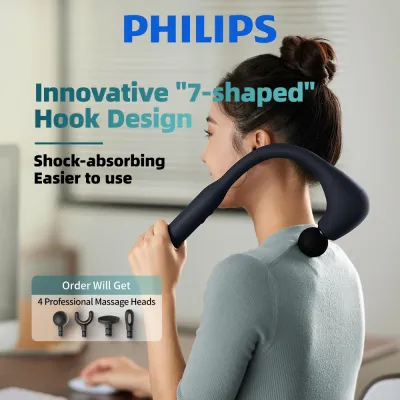
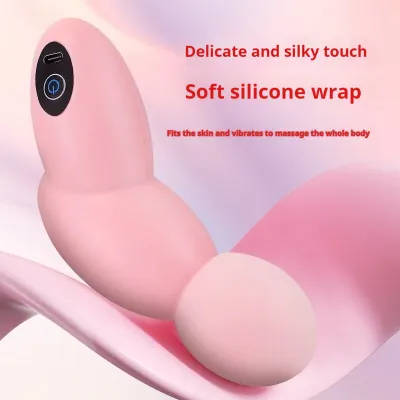
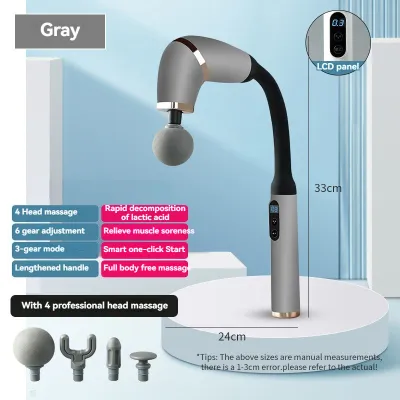
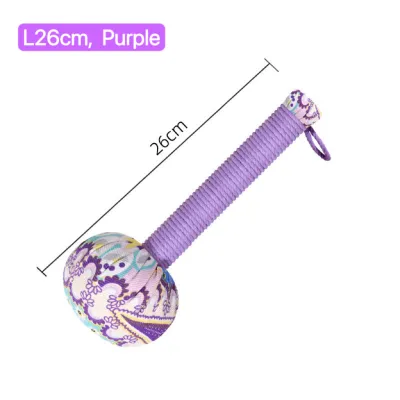

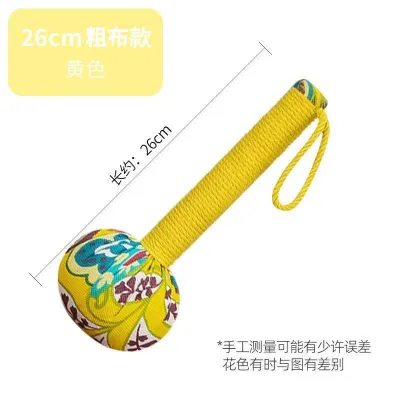
Prices are valid at publication and may change. Please refer to the product page for the latest price.
While both options are excellent for managing daily muscle soreness and promoting circulation, neither tool is a substitute for professional medical care. If you are dealing with acute injuries, chronic pain, or underlying joint issues, consult a qualified healthcare professional or physiotherapist before starting any self-treatment routine.
How Manual Hammers and Percussion Massagers Actually Work
Understanding the mechanical differences between these two wellness tools helps clarify how they deliver pressure to your muscles and which mechanism aligns best with your physical needs.

Manual Massage Hammers: Targeted, User-Controlled Pressure
Manual massage hammers operate on simple mechanical leverage and human effort. These tools typically feature a long, flexible shaft made of wood, plastic, or spring steel, capped with a weighted striking head made of rubber, silicone, or dense wood. Some designs offer dual-headed surfaces, featuring a smooth side for broad muscle coverage and a spiked or textured side for targeted acupressure.
To use a manual hammer, you swing the device in a rhythmic tapping motion against your muscles. The flexible shaft acts as a natural spring, amplifying the gentle movement of your wrist to deliver a consistent tapping sensation. Because the power source is entirely manual, you can instantly adjust the intensity, speed, and angle of every strike based on the immediate feedback you receive from your sensory nerves.
Electric Percussion Massagers: High-Frequency, Deep Tissue Impact
Electric percussion massagers, often called massage guns, rely on a high-torque electric motor and a rechargeable lithium-ion battery to drive a reciprocating piston. This mechanical action converts the motor’s rotational force into rapid, linear strokes that move back and forth at high speeds, typically measured between 1,800 and 3,200 percussions per minute.
The impact intensity of an electric device is determined by its amplitude, which is the physical distance the head travels forward and backward, and its stall force, which is the amount of pressure you can apply before the motor stops. Unlike manual tools, the electric massager does all the physical work; your primary task is simply to hold, guide, and support the weight of the device over your muscle groups.
Comparing Intensity, Convenience, and Cost
To determine which tool fits your lifestyle, it is helpful to compare them across three core practical dimensions: muscle relief intensity, daily convenience, and long-term financial value.
Intensity and Muscle Relief Effectiveness
Manual massage hammers excel at delivering superficial to moderate muscle stimulation. They are highly effective for light tapotement—a rhythmic tapping technique used in traditional massage to stimulate local blood circulation and soothe the nervous system. Because you control the force directly, manual hammers are excellent for sensitive areas or for individuals with a lower pain tolerance who find motorized devices too aggressive.
Electric percussion massagers are designed for deep tissue stimulation and myofascial release. The high-frequency mechanical pulses penetrate deep into thick muscle groups, such as the quadriceps, hamstrings, and glutes, helping to disrupt pain signals and reduce post-exercise muscle tightness. The rapid movement increases local blood flow and lymphatic drainage far more quickly than manual tapping can achieve.
However, this high intensity requires careful handling. Using an electric massager at maximum speed or applying excessive pressure can easily cause bruising, tissue inflammation, or nerve irritation. If you have sensitive skin, thin muscle mass, or are recovering from a mild strain, the aggressive nature of a motorized tool may be counterproductive compared to the gentle, controlled touch of a manual hammer.
Convenience, Portability, and Ease of Use
When evaluating daily usability, physical ergonomics and power requirements play a major role. Manual hammers feature long, curved handles that make it incredibly easy to reach the mid-back, shoulder blades, and lower back without straining your arms. They are exceptionally lightweight, typically weighing under 200 grams, and operate in complete silence, allowing you to use them in quiet offices or shared living spaces without disturbing others.
Electric massagers are significantly heavier, often weighing between 800 grams and 1.5 kilograms. Holding a heavy, vibrating device against your own upper back or shoulders for extended periods can cause notable arm and shoulder fatigue, sometimes requiring a partner to help you reach difficult areas. They also generate audible motor noise, which can be distracting in quiet settings.
Power management and travel requirements are another major differentiator. Manual tools require no batteries, charging cables, or specific voltage adapters, making them permanently ready for use. Electric massagers require regular battery charging, typically via USB-C or proprietary power adapters.
For frequent travelers, carrying an electric device requires extra planning. Because these devices contain high-capacity lithium-ion batteries, they generally cannot be placed in checked baggage under international aviation safety rules, including those enforced at Singapore’s Changi Airport. They must be carried in your hand luggage, and their bulky size and weight take up valuable space compared to a slim, lightweight manual hammer.
Budget and Long-Term Value
From a financial perspective, manual massage hammers require a very low initial investment. In Singapore, high-quality manual hammers are highly affordable, typically positioned in a low price band under S$20. Because they have no electronic components, motors, or batteries, they are virtually indestructible and carry a long-term cost of ownership of zero.
Electric percussion massagers represent a much larger financial commitment. Entry-level models generally sit in a moderate price tier starting around S$50, while professional-grade devices with high stall forces, adjustable arm angles, and long-lasting batteries can reach premium tiers of S$200 to S$500 or more.
When investing in an electric device, long-term value depends heavily on build quality, motor durability, and battery health. Over several years of regular use, lithium-ion batteries naturally degrade and lose their capacity to hold a charge, and replacement parts or attachment heads may not always be easily accessible. An electric massager should be viewed as a long-term investment in a dedicated athletic recovery routine, while a manual hammer is a low-risk, highly durable addition to any household wellness kit.
Side-by-Side Feature Breakdown
The following table summarizes the key operational differences between manual massage hammers and electric percussion massagers to help you compare their features at a glance.
| Feature | Manual Massage Hammer | Electric Percussion Massager |
|---|---|---|
| Power Source | Human physical effort and leverage | Rechargeable lithium-ion battery |
| Intensity Control | Dynamic, based on swing force and wrist speed | Motor speed settings and physical amplitude |
| Best For | Light relaxation, targeted acupressure, quiet use | Deep tissue recovery, athletic warm-ups |
| Noise Level | Completely silent | Moderate hum (typically 40 to 60 decibels) |
| Portability & Travel | Extremely lightweight; fits easily in any bag | Heavier; subject to airline lithium battery rules |
| Maintenance | Simple wipe-clean; no electronic care | Battery management; motor care; head cleaning |
| Typical Cost Tier | Budget-friendly (typically under S$20) | Moderate to Premium (S$50 to S$500+) |
The Decision Framework: Which One Should You Buy?
To make the right choice, evaluate your personal physical activity levels, your recovery goals, and the specific environments where you plan to use the tool.
Choose a Manual Massage Hammer If…
You should opt for a manual tool if your primary goal is simple, budget-friendly tension relief that you can access instantly without worrying about battery levels or charging cords. It is the ideal choice for:
- Targeted Trigger Point Therapy: You want to locate specific, highly localized muscle knots and apply precise, static pressure or gentle tapping directly to those points.
- Quiet and Shared Environments: You plan to use the tool while watching television, working in a quiet office cubicle, or resting in a shared bedroom where motor noise would be disruptive.
- Low-Risk Trial: You are new to self-massage and want an affordable, low-risk tool to see if tapping therapy helps manage your daily muscle tension.
- Light Wellness Routines: Your physical activity consists primarily of light stretching, yoga, walking, or managing general stiffness from prolonged sitting.
Choose an Electric Percussion Massager If…
You should invest in an electric device if you participate in rigorous physical training and require a powerful, automated tool to accelerate muscle recovery and improve range of motion. It is the ideal choice for:
- Intense Athletic Recovery: You engage in high-impact sports, heavy weightlifting, long-distance running, or high-intensity functional fitness training.
- Deep Muscle Stimulation: You have dense muscle groups (such as thick quadriceps or glutes) that require deep, high-frequency physical penetration to relieve stubborn tightness.
- Effortless Operation: You prefer a tool that does the physical work for you, allowing you to relax your arms and hands while the motorized piston massages the tissue.
- Customizable Versatility: You want to customize your recovery sessions using different interchangeable attachment heads (such as bullet, fork, flat, or round heads) designed for specific muscle shapes.
- Pre-Workout Warm-ups: You want a rapid way to stimulate blood flow and prime your muscles before starting a demanding workout session.
When Neither Might Be the Best Fit (Verify First)
There are specific physical conditions and situations where neither a manual hammer nor an electric massager should be used. If you are experiencing acute inflammation, swollen joints, unexplained chronic pain, or have been diagnosed with conditions like deep vein thrombosis, severe varicose veins, or osteoporosis, do not use these tools.
If your primary discomfort stems from joint paint, nerve compression (such as sciatica), or spinal misalignment, using a high-impact percussion tool or a heavy manual hammer can worsen your symptoms. In these scenarios, stop immediately and consult a qualified physiotherapist or medical professional.
For broad, gentle myofascial release across large muscle groups, alternative tools such as high-density foam rollers, soft massage balls, or guided stretching routines may provide a safer and more effective recovery experience than targeted tapping or percussion.
Safety Boundaries and Maintenance Tips
Using self-massage tools safely requires strict adherence to anatomical boundaries and proper device maintenance. Always read the manufacturer’s safety and usage manual thoroughly before using any wellness device for the first time.
Anatomical No-Go Zones
Never apply either tool directly to bones, joints, or the spine. Tapping or vibrating these hard structures can cause severe bruising, joint capsule damage, or micro-fractures. Avoid the front and sides of the neck entirely, as pressure here can compress the carotid artery, affect blood flow to the brain, or damage sensitive nerves.
Do not use these tools directly over your kidneys (located on the lower mid-back), your groin, or any areas with thin skin and major blood vessels. Keep the application limited to fleshy, dense muscle groups like your calves, thighs, glutes, shoulders, and upper arms.
Safe Operational Guidelines
- For Electric Massagers: Always start on the lowest speed setting to gauge your muscle's sensitivity. Avoid holding the device on a single spot for more than 60 to 120 seconds; instead, keep the massager gliding slowly over the muscle fibers. Applying too much downward pressure can stall the motor and cause deep tissue bruising.
- For Manual Hammers: Avoid using aggressive, heavy force that causes sharp, shooting, or sudden pain. Effective manual massage should feel like a deep, satisfying pressure—often described as a "good hurt"—rather than sharp discomfort. If your muscles begin to tense up or guard against the impact, reduce the force immediately.
Maintenance and Care Instructions
Proper maintenance ensures your tools remain hygienic and perform reliably over time, especially in warm, humid climates like Singapore’s.
- Manual Hammer Care: Wipe down rubber, silicone, or plastic striking heads with a damp cloth and mild, soapy water after each use to remove sweat and skin oils. If your hammer has wooden components, dry it thoroughly with a soft towel and store it in a cool, dry, well-ventilated space to prevent mold growth or wood warping.
- Electric Massager Care: Clean the removable plastic or silicone attachment heads with disinfectant wipes after use, ensuring they are completely dry before reattaching. Never submerge the motorized body of an electric massager in water or expose it to heavy moisture. To preserve battery health, avoid letting the lithium-ion battery drain completely to 0% before recharging, and store the device in its protective carrying case away from direct sunlight.
Frequently Asked Questions (FAQ)
Can I use a percussion massager on my neck or spine?
No, you should never use an electric percussion massager directly on your spine or the bony structures of your neck. The cervical spine lacks the thick, protective muscle padding found in areas like the thighs or glutes, and the high-frequency impact of a motorized piston can cause serious damage to your vertebrae, spinal discs, and nerves.
Additionally, the front and sides of the neck contain major blood vessels, including the carotid artery, and sensitive nerve pathways that can be easily damaged by heavy vibration. If you want to relieve tension in your neck and shoulder region, you can safely use an electric massager on the fleshy, muscular portion of your upper trapezius (the top of your shoulders) on a low speed setting, but you must strictly avoid the bony spine and neck area.
Do manual massage hammers work for deep muscle knots?
Manual massage hammers can help relieve moderate muscle knots by stimulating local blood circulation and encouraging the muscle fibers to relax through rhythmic tapping. They are highly effective for superficial tension and trigger points that respond well to targeted, repetitive pressure.
However, for very deep, stubborn muscle adhesions in thick muscle groups, such as the deep gluteal muscles or heavy calf muscles, a manual hammer may not provide enough sustained depth of pressure to fully release the knot without causing significant physical fatigue in your hands and arms. For deep, persistent knots, combining a manual hammer with a firm massage ball, a foam roller, or seeking professional deep-tissue massage therapy is often a more effective approach.
Community discussion
Share your experience or ask a question. Comments are reviewed before publication.