
Quick Answer: Which Tool Should You Choose?
Selecting the right muscle recovery tool comes down to your specific physical needs, daily habits, and budget. Neither the massage gun nor the foam roller is universally superior; instead, they serve different roles in a post-workout routine.
A massage gun is highly effective if you need fast, targeted relief for deep, localized muscle knots and prefer a convenient tool that requires minimal physical effort to operate. It allows you to sit comfortably while addressing specific tight spots.
Conversely, a foam roller is the ideal choice if you want to address broad muscle groups, incorporate active stretching into your routine, and prefer a budget-friendly, highly durable option. It requires you to move your body on the floor, making it as much an active mobility exercise as a recovery session.
Products mentioned in this guide
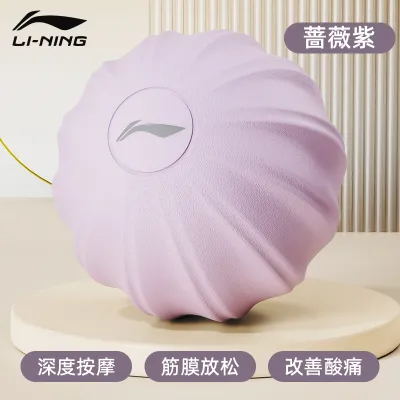
Prices are valid at publication and may change. Please refer to the product page for the latest price.
How Massage Guns and Foam Rollers Target Muscle Tissue
To make an informed choice, it helps to understand how these tools interact with your body. Both aim to relieve tension, but they use entirely different mechanical methods to interact with muscle tissue and the surrounding fascia.

Massage guns utilize percussive therapy. This method delivers rapid, localized pulses of pressure deep into the muscle belly. The high-frequency tapping overrides pain signals sent to the brain and coaxes tight muscle fibers to relax. Because the pressure is concentrated on a very small surface area, it can penetrate deeply without requiring you to exert heavy physical force.
Foam rollers rely on self-myofascial release. This technique uses your own body weight to apply broad, sustained pressure across a larger muscle surface. As you roll slowly over the cylinder, the pressure helps smooth out tension in the fascial sheath surrounding the muscles. This process requires patience and active movement, as you must manually control the intensity by shifting your weight.
Because everyone has a unique pain threshold and tissue density, individual responses to these tools will vary. It is essential to monitor your comfort levels and adjust the intensity to avoid bruising or aggravating sensitive tissues.
Key Comparison Dimensions for Muscle Recovery
Evaluating how these tools perform in real-world scenarios will help you determine which one fits seamlessly into your lifestyle.
Targeted Relief vs Broad Muscle Coverage
When localized soreness strikes, the precision of your recovery tool matters. A massage gun excels at isolating hard-to-reach or highly specific sore spots, such as the piriformis muscle in the glutes, the arches of the feet, or the upper traps. The interchangeable attachments allow you to target a tiny area with pinpoint accuracy.
Foam rollers are designed for sweeping across large muscle groups. They are highly efficient for rolling out the quadriceps, hamstrings, calves, and the thoracic spine. Trying to target a tiny, deep knot with a broad foam roller can be difficult, just as using a small massage gun head to cover your entire back can be time-consuming.
Soreness Mapping Checklist
- Choose a massage gun if: Your tightness is concentrated in specific spots, you experience localized trigger points, or you need to target deep glute or shoulder muscles.
- Choose a foam roller if: You experience general stiffness across entire muscle groups, want to roll out your upper back, or prefer sweeping movements over localized pressure.
Ease of Use and Physical Accessibility
Using a recovery tool should not feel like an exhausting workout in itself. Operating a massage gun requires sufficient grip strength and arm endurance to hold the vibrating device steady. While it is easy to use on your legs and chest, reaching your own mid-back or shoulder blades can require awkward angles and shoulder flexibility.
Foam rolling demands a baseline level of core stability and floor mobility. To roll your quads or IT bands, you must support your body weight in a plank-like position on the floor. For individuals recovering from joint injuries, those with limited shoulder mobility, or older adults, holding these positions can be physically taxing or uncomfortable.
Before purchasing, assess your physical limits. If getting down on the floor and supporting your body weight sounds unappealing, a handheld massage gun offers a much more accessible, seated recovery experience.
Portability and Lifestyle Fit
Your recovery environment plays a major role in how often you will actually use these tools. Massage guns are compact and typically come with a carrying case, making them easy to pack in a gym bag or travel suitcase. However, they rely on rechargeable lithium-ion batteries, meaning you must keep track of chargers and manage battery health over time.
Foam rollers are lightweight but bulky. A standard 90-centimetre roller takes up significant space in a small apartment or a gym bag. On the plus side, they are entirely mechanical, requiring no batteries, cords, or charging time. They are always ready to use and can be tossed into a corner of your home gym without a second thought.
In humid tropical climates, material choice also affects lifestyle fit. Foam rollers made of cheap, open-cell foam can absorb sweat and develop odors quickly. Opting for closed-cell EVA or EPP foam rollers makes wiping away sweat much easier, ensuring your gear stays hygienic.
Budget and Value Considerations
Your budget is a practical deciding factor. Foam rollers are highly cost-effective, with basic high-density models starting under S$20, while premium textured rollers rarely exceed S$60. Because they have no moving parts or electronic components, a quality foam roller can last for years without needing replacement.
Massage guns represent a larger upfront investment. Entry-level models on online marketplaces may start around S$40, while high-end, professional-grade devices can cost S$300 to S$600 or more. Higher-priced models generally offer quieter brushless motors, longer battery life, and a wider variety of specialized attachments.
When evaluating value, consider your frequency of use. If you only experience occasional mild stiffness, a budget-friendly foam roller offers excellent long-term value. If you train multiple times a week and require rapid, convenient muscle maintenance, the higher cost of a massage gun is easily justified by the time saved.
Decision Framework: Choose Based on Your Recovery Needs
To finalize your decision, match your personal profile to the frameworks below.
Choose a massage gun if:
- You want fast, targeted relief for specific muscle knots without getting on the floor.
- You prefer a passive recovery experience where the tool does the physical work.
- You travel frequently and need a compact recovery tool that fits in a carry-on bag.
- You have the budget to invest in a premium electronic device.
Choose a foam roller if:
- You want to address large muscle groups and improve overall body mobility.
- You enjoy incorporating active stretching and core engagement into your cool-downs.
- You want a durable, low-maintenance tool with no batteries to charge.
- You are looking for a highly budget-friendly recovery solution.
Consider using both if:
- You want a comprehensive routine where you use the foam roller to sweep large muscle groups first, followed by the massage gun to target stubborn, localized knots.
Verify first if:
- You have acute injuries, severe joint pain, or circulatory conditions. Always consult a medical professional before applying deep pressure or high-frequency vibration to compromised areas.
Safety Checks and When to Stop
Using recovery tools incorrectly can lead to tissue damage or worsen existing injuries. To stay safe, always keep these boundaries in mind.
Never apply a massage gun or a foam roller directly to bones, joints, the front of the neck, or the lower back spine. These areas lack the thick muscle cushioning required to absorb heavy pressure or rapid vibrations, and targeting them can cause nerve irritation or joint inflammation.
Listen to your body’s feedback. While muscle release can feel intensely deep, it should never cause sharp, stabbing pain, numbness, tingling, or bruising. If you experience any of these sensations, stop using the tool immediately.
If you are dealing with an acute muscle strain, a sprain, deep vein thrombosis, or unexplained chronic pain, do not attempt to self-treat. Consult a qualified physiotherapist or medical professional to receive a personalized recovery plan.
Frequently Asked Questions (FAQ)
Can I use a massage gun and a foam roller on the same day?
Yes, you can safely combine both tools in a single recovery session. A logical approach is to start with the foam roller to perform broad, sweeping passes over your major muscle groups, which helps warm up the tissue and identify areas of tension. Once you have addressed the larger areas, you can use the massage gun to target any stubborn, localized knots that require deeper, pinpoint pressure. Be mindful of total tissue stress and avoid spending more than two minutes on any single spot to prevent bruising.
How do I clean and maintain my recovery tools?
Keeping your tools clean is essential for hygiene, especially after sweaty workouts. For foam rollers, wipe the surface down with a damp cloth and a mild, non-abrasive soap, then allow it to air dry completely away from direct sunlight. For massage guns, wipe the handle and plastic attachments with a damp cloth, taking care not to let water enter the motor vents or charging port. Always check the manufacturer’s instructions before using alcohol-based sanitizers, as harsh chemicals can degrade foam materials and silicone attachments over time.
Community discussion
Share your experience or ask a question. Comments are reviewed before publication.