
Choosing the right short fins for your swimming workouts depends entirely on your training goals, whether you want to build cardiovascular endurance, refine your kick technique, or enjoy a low-impact fitness routine. Unlike long fins, which provide massive propulsion and are designed for diving, short fins mimic the natural tempo of a barefoot kick. They add just enough resistance to build leg strength and elevate your heart rate without altering your natural stroke mechanics.
To select the ideal pair, you must evaluate key design specifications—such as blade stiffness, material composition, and foot pocket design—against your workout objectives. For instance, competitive swimmers focusing on high-tempo lap training require stiffer, ultra-short blades that encourage a rapid, compact kick. Conversely, fitness swimmers looking for joint-friendly cardio benefit from softer, more flexible silicone fins that offer gentle resistance and high comfort.
By understanding how different manufacturers design their training gear, you can navigate the market with confidence. This guide breaks down the biomechanics of short fins, matches specific design features to your training goals, and outlines how to verify product specifications to find the perfect fit for your local pool sessions.
Products mentioned in this guide
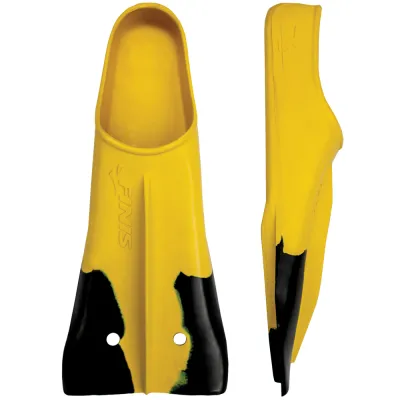
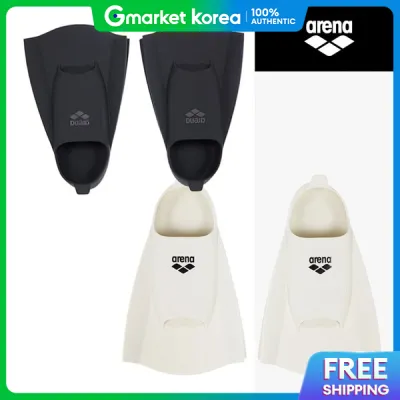
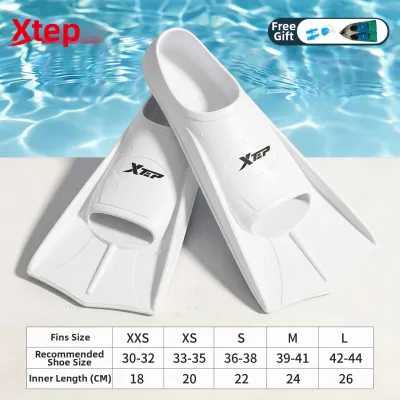
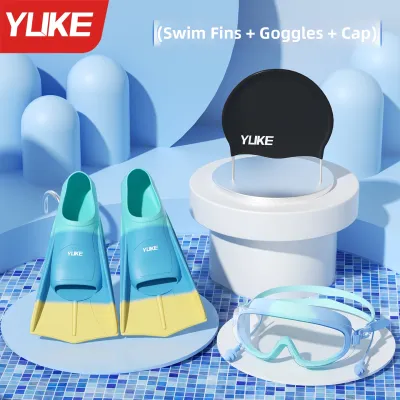
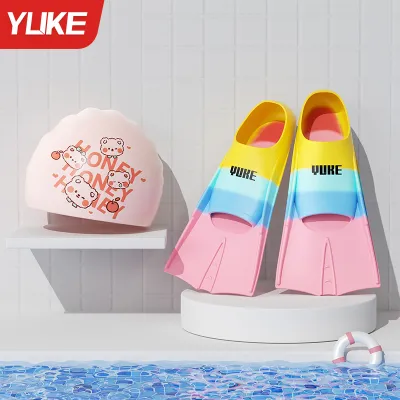
![[TRITAN] Swim Fins and Snorkeling Short/Long Training Gear](https://img.lazcdn.com/g/p/af9c41e939fa88c50929994a8a7413ab.jpg_400x400q80.jpg_.webp)
Prices are valid at publication and may change. Please refer to the product page for the latest price.
How Short Fin Design Impacts Your Swim Workouts
Short fins are engineered to bridge the gap between barefoot swimming and high-resistance training. The primary design element is the blade length, which typically extends only a few centimeters beyond the toes. This compact profile allows you to maintain a high kick frequency (tempo) that closely matches your natural stroke rate. By keeping the kick compact, short fins prevent the wide, slow, and inefficient kicking patterns often induced by longer recreational fins.
Blade stiffness plays a critical role in determining the intensity of your workout and the strain placed on your joints. Stiffer blades require more muscular force to bend through the water, which increases the workload on your quadriceps, hamstrings, and glutes. This added resistance is excellent for building explosive power but can quickly fatigue unconditioned muscles or strain the ankles. Softer blades, on the other hand, flex easily, providing a gentler workout that focuses on cardiovascular conditioning rather than raw strength.
The choice of material directly influences both the durability and the physical behavior of the fin in the water. Natural rubber is a traditional choice, offering a classic balance of weight and flexibility, though it can degrade over time when exposed to chlorine and sunlight. Silicone has become highly popular due to its exceptional softness, UV resistance, and hypoallergenic properties. Silicone fins tend to feel more like a natural extension of the foot, reducing the risk of chafing while providing a consistent flex. Thermoplastic elastomers (TPE) are also common, often used to create lightweight, hybrid designs with varying zones of stiffness.
Buoyancy is another critical factor governed by material composition. Some short fins are designed to float, which naturally helps elevate your hips and legs to the surface of the water, improving your overall hydrodynamic body position. Other fins are heavier and sink, which can be useful for swimmers who need to work harder to keep their feet from breaking the surface too early during backstroke or freestyle sets. Checking the manufacturer’s product label for buoyancy characteristics ensures you select a tool that supports your specific body alignment needs.
Matching Fin Specs to Your Specific Training Goals
Selecting the right short fins requires aligning their physical specifications with your daily training regimen. Different workouts demand distinct biomechanical responses from your lower body, meaning a fin that excels in a sprint set might cause discomfort during a long-distance endurance swim. Before browsing brands, it is essential to categorize your primary swimming activities and understand the specific blade characteristics they require.

Lap Training and Endurance Building
For long-distance lap training and building aerobic endurance, your primary goal is to maintain a consistent, sustainable kick tempo over extended periods. The ideal fin for this application features a moderate blade length and medium stiffness. This combination provides enough propulsion to keep you moving efficiently without overloading your calves and Achilles tendons, which can lead to painful cramping mid-set.
When evaluating options, look closely at manufacturer specifications for terms like “training,” “endurance,” or “fitness.” Verify the actual blade measurements if provided, as some “short” fins are still long enough to slow down your kick rate excessively. A blade that is too long will alter your natural stroke rhythm, making it difficult to transition back to barefoot swimming.
Consider the inherent trade-off between propulsion assistance and muscular fatigue. While highly rigid fins offer a satisfying burst of speed, they demand significant energy expenditure. For endurance sets that last 30 minutes or more, a slightly more flexible blade made of high-grade silicone or soft rubber will allow you to sustain your workout longer, keeping your heart rate in the target zone without premature muscle failure.
Technique Drills and Kick Mechanics
If your focus is on refining your stroke, improving ankle flexibility, or correcting a faulty kick pattern, you need a highly specialized fin design. Technique-focused short fins often feature advanced hydrodynamic elements, such as angled blades or side rails. An angled blade mimics the natural angle of the foot during extension, allowing for a more efficient downward kick and a stronger upward recovery phase.
Look for brands that emphasize foot pocket ergonomics and water-channeling channels on the blade surface. These channels direct water flow backward rather than letting it spill off the sides, which helps you feel the water resistance more acutely. This sensory feedback is invaluable for identifying dead spots in your kick cycle and learning to apply force evenly throughout both the upward and downward phases of the kick.
It is important to recognize the limits of training gear. While short fins are excellent tools for elevating your hips and allowing you to focus on specific drill movements, they cannot automatically correct fundamental stroke flaws. If you struggle with crossing your legs, bending your knees excessively (the “bicycle kick”), or poor shoulder rotation, fins should be used in conjunction with professional coaching or video analysis to ensure you are not simply reinforcing bad habits with extra speed.
General Fitness and Low-Impact Cardio
For recreational swimmers and fitness enthusiasts whose primary goals are calorie burn, cardiovascular health, and joint-friendly exercise, comfort is the absolute priority. Your fins should be easy to put on and take off, and they should not cause any pinching or pressure points. Look for highly flexible, soft silicone materials that minimize stress on unconditioned ankle joints and the lower back.
Moderate to high buoyancy is highly beneficial for fitness swimming. Many recreational swimmers struggle with “heavy legs,” where the hips and thighs sink, creating massive drag and making breathing difficult. A floating short fin naturally lifts your lower body into a horizontal position, making your swim feel smoother, less exhausting, and far more enjoyable.
You will also need to choose between open-heel and full-foot pocket designs. Full-foot pockets offer a secure, shoe-like fit that is excellent for continuous pool swimming, though they must fit perfectly to avoid blisters. Open-heel designs, which often feature an adjustable strap, offer more sizing flexibility and are easier to slip on, making them a convenient choice if you share gear or prefer a less restrictive feel around your heel.
Navigating Reputable Brands and Verifying Specifications
When shopping for short fins, navigating the sea of marketing claims requires a methodical approach. Established swim, snorkel, and dive manufacturers are generally the safest bet because they invest in precise mold engineering, consistent quality control, and reliable sizing standards. Reputable brands also provide accessible customer support and clear, detailed sizing charts that account for foot width and volume, not just length.
Rather than relying on generic product titles that simply label an item as “short,” dig into the manufacturer’s technical specifications. Look for exact details regarding material composition—such as 100% medical-grade silicone versus cheaper plastic blends—and check if they provide a specific stiffness rating or blade length measurement. A high-quality brand will clearly state whether a fin is designed for competitive training, recreational fitness, or specific stroke drills.
Cross-referencing verified purchaser feedback is a crucial step in the research process. Look for reviews from swimmers who have used the fins consistently for several months. Pay close attention to comments regarding long-term durability, such as whether the rubber shows signs of drying out and cracking, or if the silicone foot pocket is prone to tearing near the seams. In Singapore’s warm, humid climate, materials can degrade more rapidly if stored poorly, making high-quality UV-resistant silicone a particularly wise investment. Be skeptical of universal praise and look for balanced reviews that detail how the fins perform under actual training conditions.
Sizing, Foot Pocket Fit, and Final Purchase Checks
Finding the correct size is the most critical factor in ensuring your short fins are a useful training tool rather than a source of pain. Unlike running shoes, which allow for some wiggle room, swim fins must fit snugly to prevent your foot from sliding around inside the pocket. Any movement inside the pocket when wet will quickly lead to painful friction blisters, and a loose fin can easily slip off your foot during a powerful flip turn or a vigorous kick set.
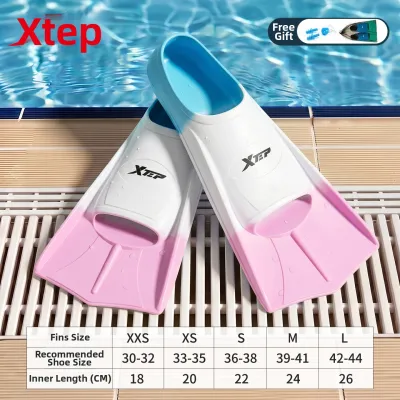
To determine your size, do not rely solely on your standard shoe size, as sizing scales vary dramatically between different manufacturers. Instead, measure the actual length and width of your foot in centimeters. Compare these measurements directly to the brand’s specific sizing chart. If you fall between sizes, consider the material: highly flexible silicone can sometimes accommodate a slightly snugger fit, while stiff rubber or plastic blends are unforgiving and may require you to size up to prevent painful toe cramping or restricted blood flow.
Before you take your new fins to the pool, perform a thorough physical inspection upon delivery. Check the seams where the foot pocket meets the blade, as this is a common point of structural failure; look for any uneven bonding, thin spots, or manufacturing defects. Slip the fins on at home and sit with your feet extended to simulate the swimming position. If you feel immediate pinching across the instep, tightness around the toes, or a digging sensation at the heel, the fit is incorrect. Finally, ensure you purchase from an authorized retailer and review their return policy, as most reputable sellers will allow exchanges for sizing issues as long as the fins have not been used in the water.
Frequently Asked Questions (FAQ)
Can I use short fins for open water swimming?
Short fins can be used in open water, but they are not the ideal tool for this environment. Because they are designed for high-tempo pool training, they do not provide the massive propulsion, speed, or efficiency needed to cover long distances against open-water currents. If you find yourself swimming in oceans or lakes, long-blade fins are far more effective for navigating waves and maintaining a steady pace over miles of open water.
Safety is another major consideration. In open water, visibility to boat traffic and jet skis is paramount, and the subtle splash of a short fin does little to make you stand out. Furthermore, if you encounter a strong current, the limited propulsion of a short fin may leave you struggling to make headway back to shore. If you do choose to use short fins in open water, ensure you are swimming in a designated, safe zone, wear a highly visible swim buoy, and consult local safety guidelines and weather forecasts before entering the water.
How do I care for and store my short fins to maintain their condition?
Proper maintenance is essential to prolonging the lifespan of your short fins and preventing the materials from becoming brittle or tearing. After every swim, whether in a chlorinated pool or salty open water, rinse your fins thoroughly with clean, fresh water. This simple step removes residual chlorine, salt, sand, and organic debris that can slowly eat away at rubber or silicone over time.
Once rinsed, allow your fins to air dry completely in a shaded, well-ventilated area. Never leave them in direct sunlight, as UV radiation is highly damaging to both natural rubber and synthetic polymers, causing them to fade, lose their elasticity, and crack. When storing your fins, lay them flat or hang them up without bending the blades or crushing the foot pockets. Shoving them into a cramped gear bag where they are forced into an awkward shape can permanently warp the blades, ruining their hydrodynamic properties and altering their performance in the water.
Community discussion
Share your experience or ask a question. Comments are reviewed before publication.