
Selecting the right accessories for your Stoke water bottle can transform how you hydrate during physical activities. The ideal setup depends entirely on your environment, movement patterns, and how quickly you need to drink. A lid that works perfectly on a stationary gym bench might cause spills on a bumpy bike path, while a carrying strap designed for running could be unnecessary bulk inside a fitness center. By matching your accessories to the specific demands of your workout, you can ensure your bottle remains a practical tool rather than an inconvenience.
Identifying Hydration Demands for Gym, Running, and Cycling
Every sport presents unique physical challenges that dictate how you should carry and access your water. In a gym environment, your primary concerns are stability, spill prevention, and hygiene. Fitness centers feature flat surfaces like rubber mats, wooden studio floors, and treadmill consoles where a tipped bottle can cause disruptions or damage electrical equipment. Furthermore, gym-goers frequently mix protein powders, pre-workouts, or branched-chain amino acids directly in their bottles. This requires accessories that do not trap powder residue and are straightforward to disassemble for thorough cleaning.
Running introduces continuous, high-impact movement that makes carrying a bottle challenging. When running on pavement or trails, you must prioritize lightweight profiles and secure, ergonomic grips to prevent hand fatigue. Drinking while maintaining your pace requires a one-handed mechanism that does not force you to tilt your head back, which can temporarily block your vision and increase the risk of tripping. Your carrying method—whether a handheld strap, a running belt, or a hydration vest—must keep the bottle secure and bounce-free.
Products mentioned in this guide
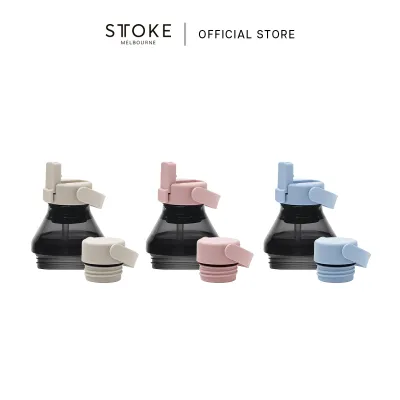
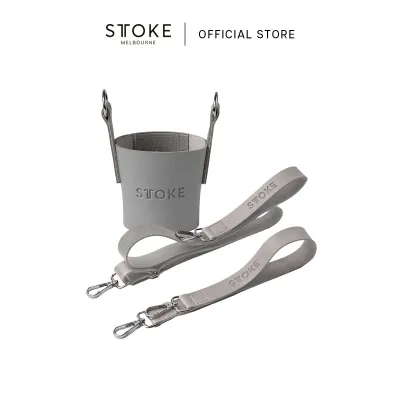
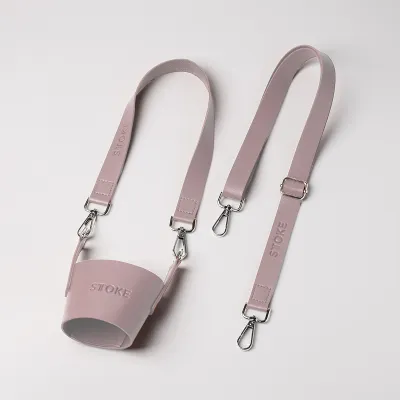
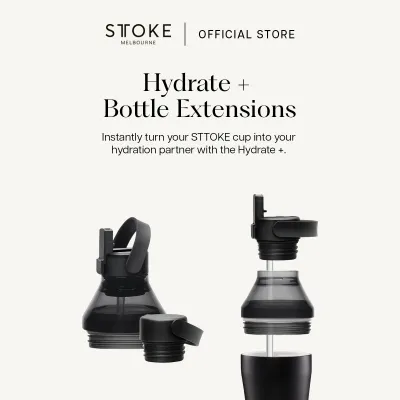
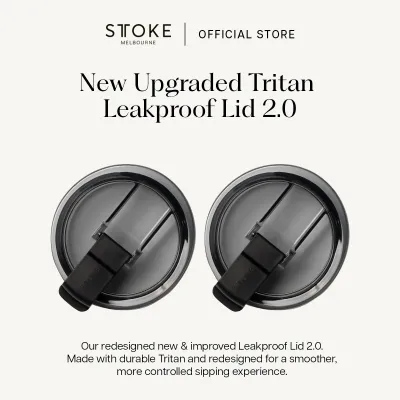
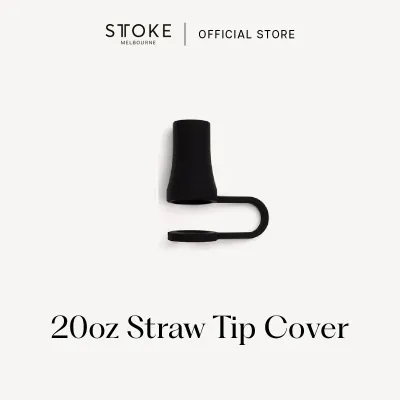
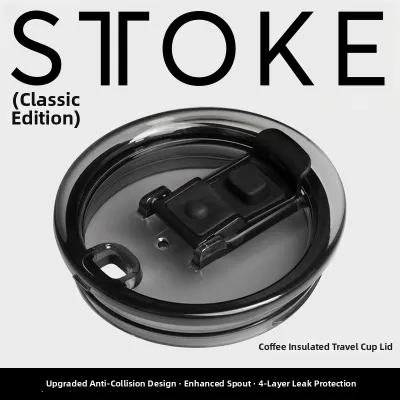
Prices are valid at publication and may change. Please refer to the product page for the latest price.
Cycling demands a setup that integrates seamlessly with your bicycle’s hardware and allows for safe operation at speed. Your bottle must fit snugly into standard frame-mounted bottle cages without rattling loose on bumpy roads or gravel trails. Accessing your water must be a swift, one-handed action that allows you to keep your eyes on the path and one hand firmly on the handlebars. Consequently, bulky handles, loose carrying straps, or wide silicone boots that prevent the bottle from sliding into a cage are highly impractical for cyclists.
Matching Accessory Features to Your Workout Style
Understanding how different accessory categories function allows you to customize your bottle for peak performance. Lid mechanisms are the most critical interface between you and your hydration. Straw lids are highly favored by runners and cyclists because they allow you to drink while keeping your head upright and your eyes focused forward. Flip-top lids offer a balance of quick, one-handed access and a secure seal, making them excellent for the gym where you can quickly sip water between sets. Chug caps provide a high flow rate for rapid hydration, which is ideal after intense cardio intervals, though they require two hands to open and a tilted head to drink.

Carrying solutions must match how you transport your gear to and from your workout venue. Integrated loop handles are perfect for gym environments, allowing you to carry your bottle easily between weight machines or clip it to a locker hook. For outdoor activities like walking or light jogging, carrying slings or cross-body pouches offer hands-free convenience, distributing the weight of the bottle across your torso. Paracord loops and carabiners provide rugged attachment options for hiking or outdoor training, though they may add unnecessary weight and noise for high-speed running or cycling.
Protective gear, such as silicone boots and sleeves, addresses environmental and physical wear. In warm, humid climates like Singapore, cold water inside a bottle can lead to external condensation on non-insulated surfaces, making the bottle slippery. A textured silicone sleeve enhances your grip when your hands are sweaty from a workout. Additionally, a silicone boot placed on the base of the bottle provides crucial drop protection on hard gym floors, prevents dents on concrete paths, and eliminates the loud metallic clanging sound when placing your bottle down in a quiet yoga or pilates studio.
How to Verify Accessory Compatibility With Your Stoke Bottle
Before purchasing any new accessory, you must verify that it physically fits your specific bottle model to avoid compatibility issues and leaks. Start by measuring the outer diameter of your bottle’s mouth. Manufacturers typically design accessories to fit either standard-mouth or wide-mouth openings, and these two categories are not interchangeable. A lid designed for a wide-mouth bottle will not thread onto a standard-mouth model, regardless of the brand.
Next, consult the original product packaging, official brand labels, or manufacturer specifications. Look for specific model names, volume capacities, and thread patterns. Some aftermarket lids may physically screw onto a bottle but fail to create a watertight seal because the thread pitch or gasket thickness does not match perfectly. Always check if the accessory is explicitly rated for your bottle’s fluid capacity, as internal straw lengths vary significantly between short and tall bottles.
If the fitment details are unclear, conflicting, or undocumented on the packaging, do not attempt to force the accessory onto the bottle. Forcing a mismatched lid can strip the plastic or metal threads, permanently damaging your bottle’s sealing capability. Stop and contact the manufacturer or a qualified retailer to confirm compatibility before completing your purchase.
Deciding Between Modular Swapping and Dedicated Setups
Deciding whether to use one bottle with multiple interchangeable accessories or to invest in dedicated setups for each sport depends on your budget and routine. A modular swapping approach is highly cost-effective, allowing you to use a single premium bottle for the gym, running, and cycling simply by changing the lid or removing a protective boot. This approach minimizes clutter and maximizes the utility of your initial investment.
However, if you choose a modular routine, you must establish a strict cleaning schedule. Swapping a lid that has been exposed to outdoor road dust during a cycle ride directly onto a bottle you plan to use on a clean gym floor requires thorough washing. You must also account for the time spent swapping parts before each workout.
Hygiene and material wear are critical factors when sharing accessories across high-sweat indoor and outdoor environments. Frequent disassembly and reassembly can accelerate the wear on silicone seals and plastic threads. If you exercise daily across different disciplines, investing in two dedicated bottles—such as a lightweight, bare bottle for your bike cage and a booted, loop-handled bottle for the gym—may offer better long-term durability and convenience.
Frequently Asked Questions (FAQ)
How do I properly clean a straw lid after intense workouts?
To maintain hygiene and prevent mold, disassemble all removable parts, including the straw and silicone mouthpiece, according to the manufacturer’s guidelines. Use a specialized straw cleaning brush, mild dish detergent, and warm water to scrub the internal channels thoroughly. Allow all components to air dry completely in a well-ventilated area before reassembling. If you notice persistent odors, visible mold, or material degradation that cannot be fully cleaned, stop using the lid and replace the affected components immediately.
Can I use a silicone boot on my bottle if it has a painted finish?
Yes, but you must take precautions to protect the exterior finish of your bottle. Moisture can easily become trapped between the silicone boot and the painted or powder-coated surface of the bottle during washing or outdoor use. Review the care labels for any specific warnings regarding painted finishes. Regularly remove the boot to clean and dry both the bottle and the silicone interior, and monitor the surface for any signs of paint softening, peeling, or degradation. If you observe any damage, discontinue using the boot.
Community discussion
Share your experience or ask a question. Comments are reviewed before publication.