
Choosing the right weight for boxing gloves is one of the most critical decisions you will make for your training progression, hand health, and the safety of your training partners. For most men, the ideal glove weight is not a single number but a range determined by your body weight and the specific target you are hitting. Lighter gloves (8oz to 12oz) are engineered for speed, precision, and official matches, while heavier gloves (14oz to 16oz) are essential for protecting your hands during heavy bag work and shielding your partners during live sparring.
Finding the right boxing gloves for men requires balancing protection with performance. Selecting the wrong weight can lead to chronic wrist pain, bruised knuckles, or being banned from sparring at your local gym. Equipment cannot replace proper punching technique and wrist alignment; if you experience sharp pain or joint discomfort, stop training immediately and verify your hand-wrapping technique.
Quick Reference: Matching Glove Weights to Training Purposes
To help you navigate your options, the table below maps standard glove weights to their primary training applications and target user profiles.
Products mentioned in this guide
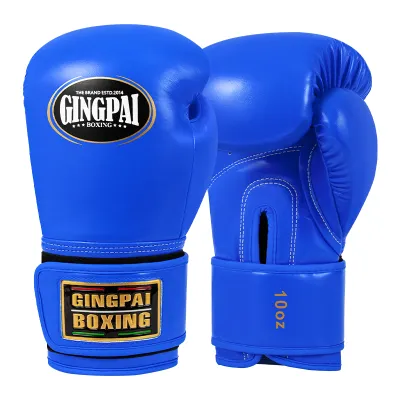
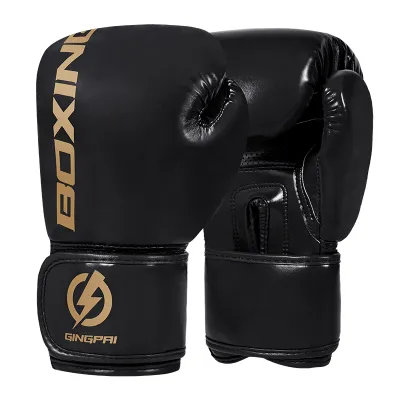
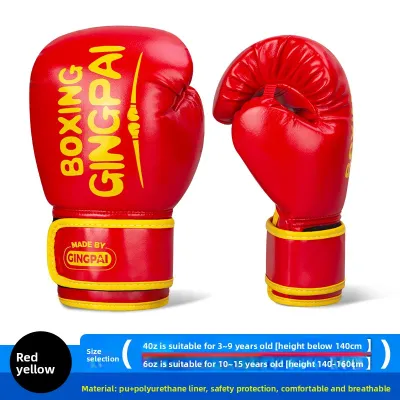


Prices are valid at publication and may change. Please refer to the product page for the latest price.
| Glove Weight (oz) | Primary Training Purpose | Key Characteristics | Target User Profile |
|---|---|---|---|
| 8 oz | Professional Competition | Minimal padding, maximum speed, high impact feedback | Welterweight and lighter fighters |
| 10 oz | Amateur/Pro Competition, Pad Work | Low padding, fast hand speed, sharp feedback | Average-weight fighters, technical pad work |
| 12 oz | Bag Work, Focus Mitts, Drills | Balanced padding, moderate speed, good knuckle protection | Men under 70kg for general bag work |
| 14 oz | All-Around Training, Light Sparring | High padding, conditioning-focused, protective | Men 70kg to 80kg for general training |
| 16 oz | Heavy Sparring, Partner Drills | Maximum padding, high impact absorption, partner safety | Men over 80kg, mandatory for live sparring |
The fundamental rule of glove weight is simple: heavier gloves contain more protective padding, which absorbs more kinetic energy upon impact. Conversely, lighter gloves prioritize hand speed, allowing you to refine your technique and feel the exact angle of your punches.
Decoding "Oz": How Glove Weight Impacts Speed and Protection
The abbreviation “oz” stands for ounces, which is the unit of measurement for the physical weight of the glove. Because boxing gloves are constructed with a relatively uniform outer shell design, a higher ounce rating directly translates to a greater volume of internal foam or horsehair padding.

This weight distribution creates a direct performance trade-off. When you wear a heavier glove, such as a 16oz model, the extra foam shields your knuckles and wrist joints from severe impact forces. However, carrying that extra weight requires more muscular effort from your shoulders and arms, which can slow down your hand speed and accelerate fatigue during long rounds.
A common misconception among beginners is that training exclusively with heavy gloves is a shortcut to building punching power and shoulder muscle. While heavier gloves do increase muscular endurance in the shoulders, using excessive weight before mastering proper punching mechanics can be counterproductive. Without correct alignment, the added centrifugal force of a heavier glove can strain your wrists, elbows, and rotator cuffs. Equipment can never replace structured coaching and technical discipline.
Choosing the Right Weight for Specific Training Activities
Your training intent must dictate the volume of padding on your hands. Using a glove that is too light for high-impact activities can lead to micro-fractures in your hand bones, while using a rock-hard, compressed glove for sparring poses a direct safety risk to your training partners. Always inspect your gloves before training to ensure the padding has not shifted or bottomed out.
Bag Work and Pad Work
For striking heavy bags, double-end bags, or focus mitts, most adult men should opt for 10oz to 12oz gloves. This weight range offers an optimal balance of knuckle protection and speed, allowing you to practice complex combinations and receive clear tactile feedback upon impact. Feeling how your knuckles land helps you adjust your wrist alignment in real-time.
While some experienced practitioners use 14oz or 16oz gloves on the heavy bag for conditioning drills to build shoulder stamina, this should not be your default choice for technical pad work. Heavy gloves can mask poor punching form and make it difficult to maintain crisp, rapid combinations during fast-paced mitt work with a coach.
Sparring and Partner Drills
When it comes to live sparring and controlled partner drills, safety must be your absolute priority. For these activities, men should strictly use 14oz to 16oz gloves. The substantial padding in these heavier gloves is designed to absorb concussive forces, reducing the risk of cuts, bruises, and head trauma for your sparring partner, while simultaneously protecting your own hands.
Most reputable boxing gyms worldwide, including those in Singapore, enforce a strict safety policy mandating a minimum of 16oz gloves for any live sparring session. If you attempt to spar with 10oz or 12oz gloves, you will likely be asked to sit out of the session. Before purchasing your sparring gear, check your gym’s specific safety rules and consult your coach to ensure compliance.
Competition and Official Bouts
In official amateur and professional matches, glove weights are strictly regulated by sanctioning bodies and are typically set at 8oz or 10oz, depending on your weight class. These gloves feature much thinner padding to ensure that clean punches deliver maximum impact, making defense and head movement even more critical.
Never use competition-grade gloves for your daily heavy bag training. The thin, specialized padding in competition gloves is designed for short-term use and will degrade rapidly under the repeated stress of a heavy bag, leaving your knuckles vulnerable to severe injury. Always verify the exact tournament guidelines before investing in a pair of competition gloves.
Factoring in Body Weight and Hand Size
While training purpose is the primary guide, your physical stature is a critical secondary dimension. A larger, heavier man naturally generates more kinetic energy and punch force, which requires a thicker layer of padding to absorb, even during routine bag work.
If you weigh under 60kg, you can generally use 12oz gloves for bag work and comfortably spar with 14oz gloves. If you weigh between 60kg and 80kg, standardizing on 12oz for bags and 16oz for sparring is highly recommended. For men weighing over 80kg, a 14oz glove should be the absolute minimum for bag work, and a 16oz (or even 18oz) glove must be used for sparring to protect both your hands and your partners.
It is also important to recognize that the external weight of a glove (oz) does not always dictate its internal hand compartment size. A 16oz glove from one brand might have a tight, compact hand pocket, while a 12oz glove from another might feel loose. Always check the manufacturer’s sizing charts, measure your hand circumference just below the knuckles, and ensure your hand wraps fit comfortably inside the glove without cutting off circulation.
Frequently Asked Questions (FAQ)
Can I use one pair of boxing gloves for all training purposes?
While beginners can temporarily use a single pair of 12oz or 14oz gloves as a compromise for light bag work and basic drills, serious practitioners should own at least two pairs. Striking a heavy bag repeatedly compresses the internal foam padding over time, hardening the glove. If you use those same compressed gloves for sparring, you risk injuring your partner’s face and head due to the degraded impact absorption.
Do heavier boxing gloves make you punch harder?
No, heavier gloves do not increase your punching power. In fact, because they add weight to the end of your arms, they slightly decrease your hand speed and absorb more of the punch’s kinetic energy, resulting in a softer impact. However, training with heavier gloves builds shoulder endurance and explosive strength, which can make your hands feel significantly faster and more powerful when you transition to lighter competition gloves.
Community discussion
Share your experience or ask a question. Comments are reviewed before publication.