
Quick Answer: Fitting Merach Gear in an HDB Flat
Selecting the right Merach home gym equipment for a Singapore Housing & Development Board (HDB) flat requires prioritizing foldable, adjustable, and multi-functional designs. Because space is at a premium in modern estates, you must verify the exact setup and folded dimensions of any machine against your available floor area and door widths before purchasing. While compact cardio machines and adjustable strength gear are highly compatible with smaller layouts, specific model availability, weight limits, and precise dimensions should always be verified directly on the brand’s official store or through authorized online marketplaces.
How to Measure Your HDB Space for Gym Equipment
Before browsing any fitness catalog, you must establish the physical boundaries of your designated workout zone. Start by measuring the flat floor area where the machine will sit, but do not stop at the static footprint. You must account for your full range of motion during exercise, which includes space for extending your arms, stepping off the machine safely, or tilting the equipment during storage.

Next, map out the delivery route from the lift lobby to your front door. Standard HDB main doors, narrow hallway corridors, and bedroom doors can present tight corners that block bulky, pre-assembled fitness gear. Measure the width and height of every doorway and turn along the path to ensure the boxed equipment can pass through without damaging your walls or the product packaging.
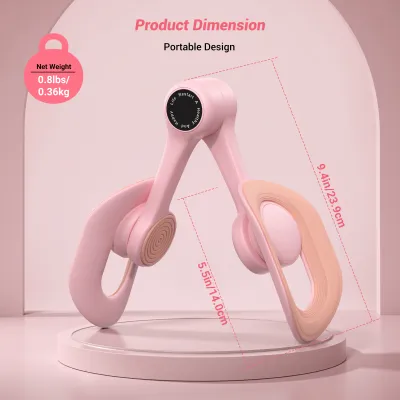
Products mentioned in this guide
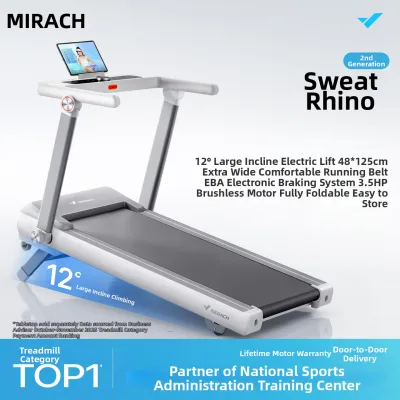
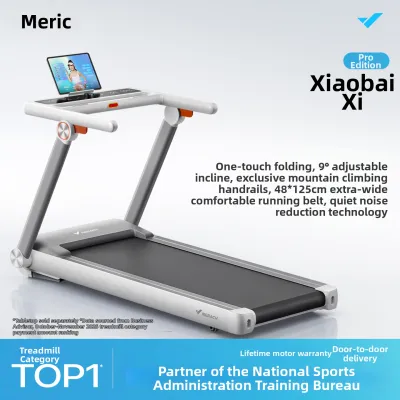
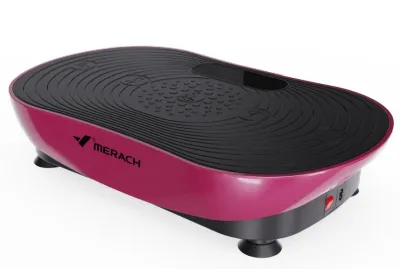

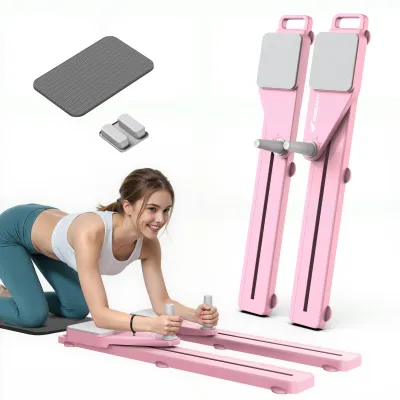
Prices are valid at publication and may change. Please refer to the product page for the latest price.
Ceiling height is another critical dimension that is easily overlooked. Standard HDB ceilings typically measure around 2.6 meters, which can feel restrictive during overhead movements or when standing on an elevated treadmill deck. Calculate your height plus the deck elevation of the machine to ensure you have comfortable clearance for your head during high-intensity workouts.
Evaluating Merach Equipment Types for Compact Layouts
To make the most of limited square footage, look for fitness gear designed specifically for small-space living. Key features to prioritize include vertical storage capabilities, built-in transport wheels, and frames that fold down when not in use. Always cross-reference the manufacturer’s official specification sheet with your physical measurements to confirm a safe fit.
Foldable and Stowable Cardio Machines
Cardio workouts do not have to permanently claim your living room floor. Foldable treadmills, upright exercise bikes, and compact rowing machines are excellent options because they can be stored vertically or slid under low furniture when your session is complete. This flexibility allows you to reclaim your living space for daily activities and hosting guests.
When evaluating these space-saving cardio options, pay close attention to the folded dimensions and the total weight of the unit. A machine is only practical if you can safely move and store it by yourself without straining your back. Look for models equipped with high-quality transport wheels and assist mechanisms, such as hydraulic folding systems, which reduce the physical effort required to lift the deck.
Additionally, inspect the durability of the folding hinges and the motor housing. Because you will be folding and unfolding the machine frequently, these moving parts must be robust enough to withstand daily wear. Check user manuals or product labels to verify that the locking pins and frame joints are constructed from solid steel rather than lightweight plastics.
Adjustable and Space-Saving Strength Gear
Strength training in an HDB flat can quickly lead to clutter if you rely on traditional weight racks. Adjustable dumbbells and smart kettlebells solve this issue by consolidating an entire set of weights into a single pair of handles. These systems use dial or slide mechanisms to change resistance instantly, saving valuable floor space and keeping your workout area organized.
To complement adjustable weights, look for utility benches that fold completely flat or feature a slim profile that slides under a bed frame. A bench that can be tucked away ensures your room remains multi-functional, serving as a bedroom or home office when you are not training. Look for models with integrated wheels to make moving the bench effortless.
Before purchasing any strength equipment, always verify the maximum weight capacity and structural stability. Check the manufacturer’s safety labels to ensure the bench and weight systems can support both your body weight and the maximum load you plan to lift. Avoid lightweight frames that wobble, as stability is crucial for preventing injury during heavy lifts.
Clearance, Installation, and Floor Safety Checks
Operating home gym equipment safely requires a dedicated clearance zone around the machine. For motorized equipment like treadmills, leave at least one meter of open space behind the belt and half a meter on either side. This safety buffer ensures you can mount and dismount without obstruction and provides a clear exit path in the event of an emergency stop.
Protecting your HDB flooring is equally important for maintaining your home’s value and preventing structural wear. Heavy strength gear and high-impact cardio machines can scratch vinyl planks or crack ceramic tiles over time. Laying down high-density rubber mats under your equipment helps distribute the weight evenly and absorbs the localized pressure of heavy frames.
Furthermore, living in close proximity to neighbors means you must manage noise and vibration transfer. The impact of running or the hum of a treadmill motor can easily travel through concrete floors to the unit below. Using thick, shock-absorbing mats and choosing machines with advanced base padding or quiet magnetic resistance systems will help maintain a peaceful relationship with your neighbors.
Common Space-Matching Mistakes to Avoid
One of the most frequent errors home gym buyers make is confusing the static footprint of a machine with its actual operational space. A rowing machine might only occupy two meters of floor space when resting, but the user’s body slides back and forth, requiring additional clearance at both ends. Always plan your layout around the maximum extension of the machine and your body during use.
Another common oversight is ignoring the swing radius of moving components. Elliptical pedals, rowing machine oars, and folding bench legs often extend beyond the main frame during operation. If you place the equipment too close to a wall, wardrobe, or glass sliding door, you risk damaging your home or restricting your natural exercise movements.
Power outlet proximity and cable management are also vital considerations in tight spaces. Motorized fitness equipment must be placed near a wall outlet to avoid running long extension cords across high-traffic walkways, which creates a serious tripping hazard. Plan your layout so that power cables run directly along walls and are secured safely out of the way.
Finally, ensure there is adequate ventilation and heat dissipation around motorized equipment. Placing a treadmill motor directly against a wall or inside a tight closet can restrict airflow, causing the internal components to overheat and wear out prematurely. Leave a few inches of breathing room around all motor housings to keep the machine running efficiently.
Frequently Asked Questions (FAQ)
Do I need to reinforce my HDB floor for heavy Merach multi-gyms?
Standard HDB residential floors are designed to support a structural load limit of 150 kilograms per square meter. For most compact home gym setups, including individual cardio machines and adjustable dumbbell sets, reinforcement is not necessary. However, if you are planning to install a heavy multi-gym station with a massive weight stack, you must calculate the combined weight of the machine, the loaded plates, and your own body weight. If this total concentrated weight approaches or exceeds the structural limit, you should consult the Housing & Development Board or a qualified structural engineer before installation.
Can I assemble large Merach equipment inside a small HDB bedroom?
Assembling bulky fitness equipment in a confined bedroom can be challenging due to limited workspace. Before unboxing, review the assembly manual to see how much clearance is required to maneuver tools and align heavy frame pieces. If your bedroom is too tight, it is often easier to assemble the main frame in a larger area, such as your living room, provided you measure your bedroom door first to guarantee the fully assembled unit can fit through. Alternatively, consider utilizing professional assembly services offered by authorized retailers to ensure the equipment is put together safely in tight quarters.
Community discussion
Share your experience or ask a question. Comments are reviewed before publication.