
Choosing a 90hp outboard motor is a significant investment that directly impacts your boat’s safety, handling, and operating costs. Because no single outboard is universally superior, the ideal choice depends on your boat’s hull design, transom weight limits, and primary activities. Rather than searching for an absolute winner, evaluate how the distinct design philosophies of Mercury, Yamaha, and Suzuki align with your specific boating requirements.
A conditional decision framework can help narrow down your choice:
- Choose Mercury if you prioritize a compact, lightweight powerhead design, simplified maintenance access, and integrated steering torque management systems that excel in dynamic handling.
- Choose Yamaha if you value a highly refined, smooth-idling platform with a long-standing reputation for multi-point electronic fuel injection (EFI) reliability and consistent power delivery.
- Choose Suzuki if you seek advanced fuel management systems like lean-burn control and offset driveshaft configurations designed to optimize low-to-mid-range torque and cruising efficiency.
Ultimately, the “best” 90hp outboard is the one that matches your boat’s physical constraints and your primary activities, whether that involves inshore fishing, family cruising, or light watersports. Before making a final decision, validate all technical specifications against the manufacturer’s current official specification sheets and consult with an authorized local marine dealer to ensure compatibility with your vessel.
Products mentioned in this guide
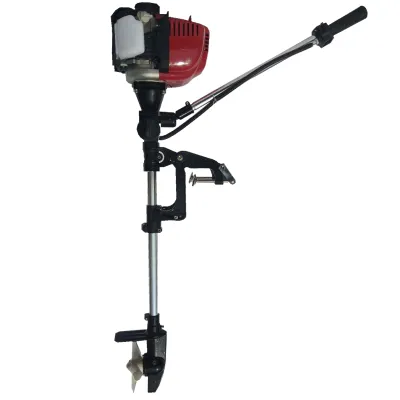
Prices are valid at publication and may change. Please refer to the product page for the latest price.
Critical Specifications to Compare Before Buying
When comparing 90-horsepower outboards, looking past marketing claims and focusing on objective, verifiable technical specifications is essential. The 90hp class is highly competitive, and minor differences in engine architecture can lead to noticeable variations in how your boat handles, planes, and powers onboard systems. To make an accurate comparison, download the official specification PDFs directly from each manufacturer’s website for the current model year.
The first critical metric to evaluate is the engine’s dry weight in relation to your boat’s maximum transom weight capacity. Outboard manufacturers often offer different shaft lengths (typically 20-inch and 25-inch) and configuration options that alter the final weight of the unit. Installing an engine that exceeds your transom’s rated weight capacity can compromise your boat’s draft, alter its center of gravity, and cause water to back up through the scuppers, creating a serious safety hazard.
Next, examine the engine displacement, measured in liters or cubic centimeters. Displacement refers to the total volume of the engine’s cylinders; larger displacement engines can move more air and fuel, allowing them to generate higher torque at lower engine speeds (RPM). This low-end torque is crucial for pushing heavy loads or helping a deep-V hull transition quickly from a standstill to a plane. Conversely, smaller displacement engines may rely on higher gear ratios or higher operating RPMs to achieve the same 90-horsepower rating, which can influence fuel consumption and engine noise.
You must also compare the gear ratio, which represents the relationship between the rotations of the engine’s driveshaft and the rotations of the propeller. A higher gear ratio (such as 2.59:1) allows the engine to turn a larger propeller, which provides better grip in the water and improved low-speed maneuverability, making it highly suitable for heavy pontoon boats or offshore fishing vessels. A lower gear ratio (such as 2.00:1) is typically optimized for lighter, faster hulls where top-end speed and high-RPM efficiency are the primary goals.
Finally, do not overlook the alternator output, measured in total amperes (amps). Modern boats are increasingly equipped with sophisticated marine electronics, including high-definition fishfinders, GPS chartplotters, livewell pumps, stereo systems, and VHF radios. The alternator must produce enough current to power these accessories while simultaneously keeping your starting and house batteries charged. When reviewing spec sheets, distinguish between the total alternator output and the “net” output available at idle speeds, as trolling or idling with multiple electronics running can quickly drain a battery if the alternator’s low-RPM output is insufficient.
Mercury 90hp: Design Philosophy and Handling Traits
The engineering philosophy behind the mercury 90hp outboard centers on delivering a high power-to-weight ratio, compact packaging, and responsive handling. Mercury has historically focused on optimizing the physical footprint of its mid-range outboards, aiming to reduce overall weight without sacrificing displacement. This makes the mercury 90hp outboard a popular option for boaters looking to repower older vessels that were originally designed for lighter two-stroke engines, as well as modern hulls with strict transom weight limits.

One of the defining characteristics of Mercury’s design is its focus on steering torque management and ergonomic control. Many Mercury models feature specialized steering systems and geometry designed to minimize the physical effort required to steer the boat, especially when executing sharp turns or operating at high speeds. This focus on handling is particularly beneficial for active boaters who participate in watersports or navigate winding inland waterways, where constant steering adjustments are necessary.
Additionally, Mercury emphasizes user-friendly maintenance through features like their top-cowl access points and clear, color-coded service indicators under the hood. This design philosophy allows boat owners to perform basic pre-trip checks, such as verifying oil levels and inspecting fuel filters, with minimal tools and effort. The compact powerhead design also ensures that the engine fits neatly on narrow transoms or within tight motor wells, reducing the risk of interference with swim platforms or fishing decks.
To maximize the handling and performance of a mercury 90hp outboard, avoid relying on generic performance estimates. Instead, consult Mercury’s official propeller selection guides and performance bulletins. Propeller selection—including material (aluminum versus stainless steel), pitch, and diameter—plays a critical role in how the engine’s power is transferred to the water. Matching the correct propeller to your specific hull shape and typical passenger load is essential for achieving optimal acceleration, fuel efficiency, and steering response.
Yamaha 90hp: Engine Architecture and Operational Profile
Yamaha’s approach to the 90hp outboard class is built on a foundation of mechanical refinement, smooth operation, and long-term durability. The brand’s engineering philosophy prioritizes consistent, predictable power delivery, which is achieved through highly developed multi-point electronic fuel injection (EFI) systems and robust engine blocks. Yamaha outboards are widely recognized for their exceptionally quiet and vibration-free idle, making them a preferred choice for family cruisers, pontoon boaters, and anglers who value a peaceful on-water experience.
When evaluating a Yamaha 90hp outboard, it is important to understand its engine architecture, which may feature either a Single Overhead Cam (SOHC) or Double Overhead Cam (DOHC) configuration depending on the specific model generation and design cycle. A SOHC design typically utilizes fewer moving parts, which can simplify routine maintenance and reduce the overall physical width of the powerhead. A DOHC design, on the other hand, allows for more precise control over the intake and exhaust valves, which can enhance combustion efficiency and throttle response across a wider RPM range. Understanding these structural differences can help you make informed decisions regarding maintenance accessibility and long-term servicing costs.
Yamaha’s operational profile also emphasizes integration with proprietary digital systems, such as their digital network gauges and variable trolling controls. These systems allow boaters to monitor critical engine parameters in real time and adjust engine speeds in precise increments, which is highly advantageous for specific fishing techniques like trolling. The smooth power delivery of the Yamaha block ensures that transitions from idle to mid-range cruising speeds are seamless, minimizing the “bow rise” often experienced when accelerating.
To gauge the real-world efficiency and performance of a Yamaha 90hp outboard on your specific boat, avoid relying on generalized fuel economy claims. Instead, search Yamaha’s extensive library of official performance bulletins. These bulletins provide detailed, verified test data for a wide variety of boat brands and hull designs, showing exact fuel consumption rates (liters or gallons per hour) and speed measurements at various RPM intervals. This allows you to estimate your potential operating costs and cruising range based on actual testing conditions that closely match your own setup.
Suzuki 90hp: Fuel Management and Torque Characteristics
Suzuki has carved out a distinct position in the 90hp outboard market by focusing heavily on advanced fuel management technologies and innovative drivetrain engineering. The core of Suzuki’s design philosophy is to maximize thermal efficiency and mechanical advantage, allowing boaters to get the most performance possible out of every drop of fuel. This focus makes Suzuki a compelling option for long-distance cruisers, commercial operators, and budget-conscious boaters who prioritize operating economy.
A key feature of Suzuki’s 90hp platform is their proprietary Lean Burn Control System. This technology uses an array of sensors to monitor engine operating conditions, air intake, and fuel delivery in real time. When the engine detects that the boat is operating at a steady cruising speed, the system automatically adjusts the fuel-to-air mixture to a “leaner” ratio, meaning less fuel is injected into the cylinders. This precise fuel management aims to significantly reduce fuel consumption during extended cruising periods without sacrificing the engine’s responsiveness when rapid acceleration is required.
In addition to fuel management, Suzuki utilizes a unique offset driveshaft design on many of its mid-range outboards. By positioning the driveshaft forward of the crankshaft, Suzuki shifts the engine’s center of gravity forward, which helps reduce transom stress and improves overall balance on the water. This offset design also allows for a two-stage gear reduction system, which enables the engine to turn a larger propeller with a higher gear ratio. The result is improved low-to-mid-range torque, which provides excellent “hole shot” acceleration and superior load-carrying capabilities, particularly on heavier boats or multi-passenger pontoons.
Because fuel management and drivetrain technologies can vary by model year and specific regional configurations, you should always check the official product documentation to confirm which features are active on the exact model you are purchasing. Understanding how these systems interact with your typical cruising RPMs will help you optimize your driving habits, allowing you to maintain the engine’s “lean burn” zone for maximum fuel savings during long trips.
Matching the Outboard to Your Boat's Transom and Use Case
Selecting the right 90hp outboard requires a thorough understanding of how the engine’s physical weight and mechanical characteristics interact with your boat’s hull. Installing an outboard is not merely a matter of matching the horsepower rating on your boat’s capacity plate; it requires careful calculation of weight distribution, safety margins, and operational demands.
The most critical safety consideration is your boat’s maximum transom weight limit. This limit, specified by the boat manufacturer, represents the maximum weight the transom can safely support under dynamic conditions, such as hitting waves at high speeds. When calculating this weight, you must account for more than just the dry weight of the outboard listed on the spec sheet. You must also include the weight of the engine oil, the mounting hardware, the steering cylinder, the propeller, and any starting batteries or fuel tanks located near the stern. Exceeding this weight limit can cause the stern to sit too low in the water, reducing your boat’s freeboard, compromising its stability, and increasing the risk of taking on water from trailing waves.
Different hull designs also interact uniquely with an outboard’s gear ratio and propeller characteristics:
- Deep-V Hulls: These hulls require significant low-end torque to push through the water and transition onto a plane. An outboard with a larger displacement or a higher gear ratio that can turn a larger propeller is often ideal for these vessels.
- Flat-Bottom and Skiff Hulls: These lightweight, shallow-draft boats require less effort to plane. A lighter outboard block can help maintain a shallow draft, allowing you to navigate skinny water without dragging the stern.
- Pontoon and Catamaran Hulls: These multi-hull vessels present high wind resistance and require substantial thrust to maneuver at low speeds. An engine configuration optimized for turning large-diameter, low-pitch propellers is highly beneficial here.
To determine the best match for your vessel, compile a realistic checklist of your typical operating load. Calculate the combined weight of your average passenger count, full fuel tanks (gasoline weighs approximately 0.75 kg per liter), filled livewells, coolers, safety gear, and fishing equipment. If your boat is frequently loaded to its maximum capacity, prioritizing an outboard with high displacement and low-end torque will ensure you can still plane safely and maintain control in rough water. Conversely, if you primarily boat solo or with a single companion, a lighter engine block may offer better overall balance and efficiency.
Dealer Network, Warranty, and Long-Term Maintenance in Singapore
In Singapore, the practicalities of outboard ownership extend far beyond initial purchase prices and technical specifications. Because marine engines operate in a highly demanding, high-salinity tropical environment, long-term reliability and safety depend heavily on local dealer support, parts availability, and strict adherence to maintenance schedules. Before finalizing your purchase of a Mercury, Yamaha, or Suzuki 90hp outboard, you must evaluate the local infrastructure supporting each brand.
The proximity and capability of authorized service centers in Singapore should be a primary factor in your decision. Authorized dealers have access to proprietary diagnostic software, specialized tools, and factory-trained technicians who can quickly identify and resolve complex mechanical or electronic issues. If a critical component fails, the speed with which the local distributor can source replacement parts directly impacts how long your boat remains out of service. A brand with a robust, well-stocked local parts warehouse will minimize downtime, ensuring you do not miss valuable time on the water.
Warranty terms are another crucial area of comparison. You should contact local distributors directly to verify the exact warranty coverage available for your specific use case, as commercial use often carries different warranty terms than recreational use. Pay close attention to the conditions required to keep the warranty valid. Most manufacturers mandate that all scheduled servicing—such as the 20-hour initial service and subsequent 100-hour or annual services—be performed by an authorized technician using genuine OEM parts and approved marine lubricants. Failing to document these service intervals can void your warranty, leaving you responsible for costly repairs.
Finally, the tropical climate of Singapore presents unique maintenance challenges. High humidity, warm water temperatures, and intense salinity accelerate corrosion and the buildup of marine growth. To protect your investment, you must establish a rigorous maintenance routine. This includes thoroughly flushing the cooling system with fresh water after every single outing, regularly inspecting and replacing sacrificial anodes, and applying marine-grade anti-corrosion sprays to metal components under the cowl. If your boat is stored in the water at a marina, proper anti-fouling measures and routine gear lube inspections are essential to prevent water intrusion and gearcase damage.
Frequently Asked Questions (FAQ)
Can I mix different brands of outboards on a twin-engine setup?
Mixing different brands of outboards on a twin-engine boat is highly discouraged and generally impractical due to significant mechanical, electronic, and operational compatibility barriers. Modern outboards rely on proprietary digital communication protocols to synchronize throttle positions, gear shifts, and engine monitoring systems. Attempting to link a Mercury engine with a Yamaha or Suzuki engine, for example, would prevent these systems from communicating, making synchronized control nearly impossible. Furthermore, different brands utilize distinct steering geometries, gear ratios, and propeller rotations, which would cause uneven thrust and unpredictable, potentially dangerous handling characteristics. Unless explicitly approved by your boat’s manufacturer and configured by a highly qualified marine systems specialist, you should always install identical models from the same brand for twin-engine configurations.
How does engine displacement affect the performance of a 90hp outboard?
Engine displacement, which represents the total swept volume of the engine’s cylinders, plays a fundamental role in determining how a 90hp outboard delivers its power. While Mercury, Yamaha, and Suzuki all produce engines rated at 90 horsepower, they may achieve this rating using different displacements. A larger displacement engine naturally draws in more air and fuel per cycle, allowing it to generate greater torque at lower engine speeds (RPM). This low-end torque is highly beneficial for heavy boats, as it provides the necessary thrust to push the hull onto a plane quickly and maintain planing speeds in rough seas. A smaller displacement engine, by contrast, must often operate at higher RPMs or utilize aggressive gear ratios to produce the same 90 horsepower. While a smaller displacement block may be lighter, it may require more throttle input and consume more fuel when pushing heavy loads or operating under high-drag conditions.
What is the break-in procedure for a new 4-stroke 90hp outboard?
Properly breaking in a new 4-stroke 90hp outboard is one of the most critical steps you can take to ensure its long-term reliability, fuel efficiency, and performance. While the general principles of engine break-in involve varying the engine speed, avoiding prolonged idling, and refraining from operating at wide-open throttle (WOT) for extended periods during the first ten hours of operation, you must follow the exact, step-by-step instructions detailed in your specific owner’s manual. Different manufacturers have precise schedules—such as operating at a maximum of 2,000 RPM for the first hour, followed by brief bursts of acceleration in subsequent hours—designed to allow the piston rings to seat properly against the cylinder walls and ensure all internal components wear in evenly. Failing to adhere to the manufacturer’s specified break-in protocol can lead to premature engine wear, increased oil consumption, and potential voiding of your factory warranty.
Community discussion
Share your experience or ask a question. Comments are reviewed before publication.