
Quick Answer: Which Material is Better for Hot Weather Running?
When running in hot and humid conditions, mesh is the superior material for a waist pouch. Its open-weave structure allows continuous airflow and rapid sweat evaporation, which prevents heat from building up around your waistline. This makes mesh the preferred choice for high-exertion training runs where staying cool and dry is your primary comfort goal.
Nylon, by contrast, is a tightly woven synthetic fabric that naturally restricts airflow and traps heat against your body. While standard nylon can quickly feel damp and heavy against sweaty skin, it excels at protecting your gear from external moisture and resisting wear and tear. For a nylon waist pouch to perform comfortably in hot weather, it must be engineered with specific design features, such as a breathable mesh back panel or laser-cut ventilation holes.
Choosing between these two materials requires balancing your need for personal ventilation against your need to protect your belongings. The following sections will analyze how mesh and nylon handle sweat, prevent skin irritation, and protect your essentials during your runs.
Products mentioned in this guide
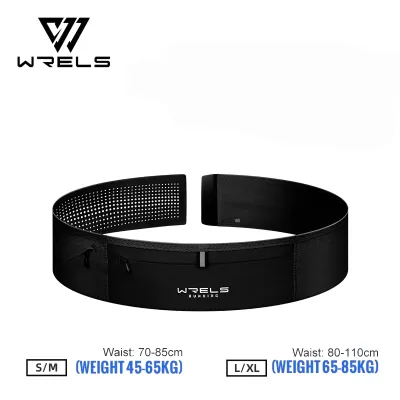
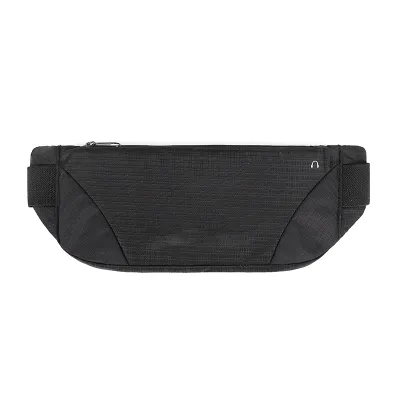
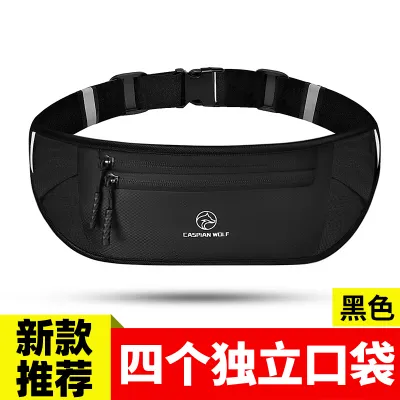
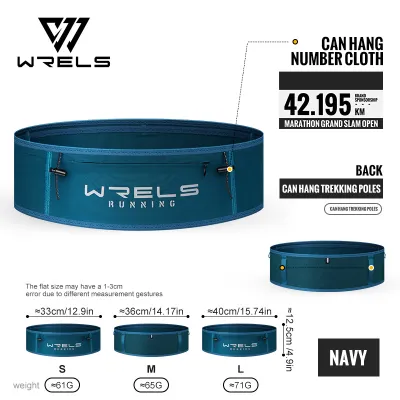
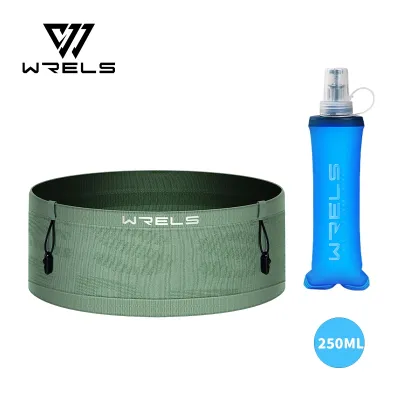
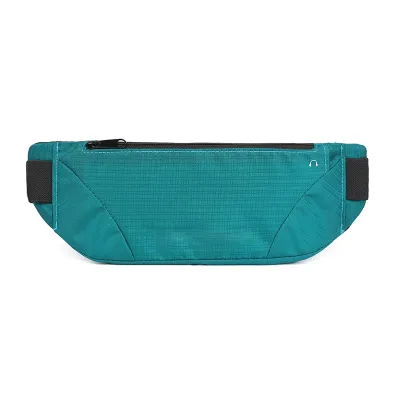
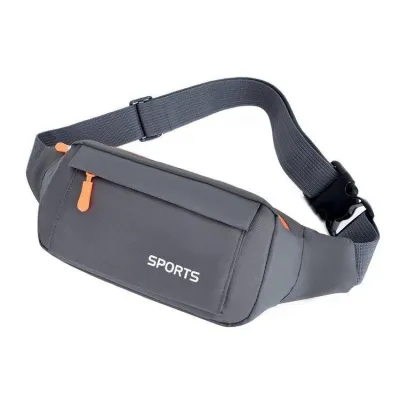
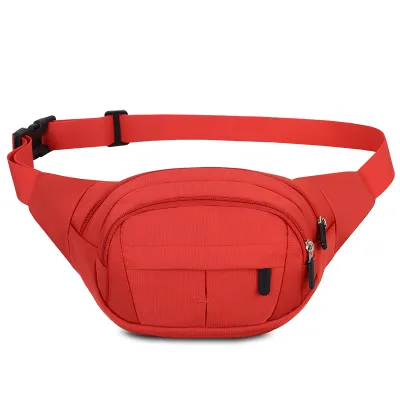
Prices are valid at publication and may change. Please refer to the product page for the latest price.
Breathability and Moisture-Wicking: Mesh vs. Nylon
To understand how these materials perform on a run, it is helpful to look at how they interact with your body’s natural cooling mechanism. When you run, your body releases sweat to cool down through evaporation. If a fabric blocks this process, sweat pools on your skin, your body temperature rises, and your gear becomes uncomfortably wet. Mesh and nylon manage this moisture barrier in fundamentally different ways.

Mesh: Airflow and Quick Drying
Mesh fabrics are knitted with intentional gaps between the yarns, creating a porous, net-like structure. This open design allows air to pass directly through the fabric to reach your skin. As you move, the natural air currents generated by your running pace circulate through the pouch, accelerating the evaporation of sweat before it can saturate the material.
This continuous ventilation prevents the microclimate around your waist from becoming a pocket of trapped, hot air. Because mesh does not hold onto moisture, a mesh pouch remains lightweight and dry even during intense workouts. This quick-drying quality is highly beneficial during long, high-intensity runs where excess weight and damp gear can drain your energy.
However, the open-weave design of mesh does introduce specific trade-offs:
- Debris Ingress: Small particles of dust, sand, or trail debris can easily pass through the open pores of the fabric, potentially scratching sensitive electronics.
- Reduced Structural Support: Highly flexible mesh fabrics can stretch and sag when loaded with heavy items, causing the pouch to bounce against your body.
- No Weather Protection: Rain, mist, and heavy sweat will pass directly through the mesh, leaving your phone, keys, or cards completely exposed to moisture.
Nylon: Heat Retention and Weather Protection
Nylon is a synthetic polymer woven into a dense, continuous sheet of fabric. This tight weave creates a highly durable barrier that is exceptionally good at blocking wind and water, but it also blocks air. When worn close to the body, standard nylon prevents heat and moisture vapor from escaping, creating a warm, damp zone underneath the pouch.
Despite this heat retention, nylon is highly valued by runners for its practical protective qualities. It is naturally resistant to abrasions, meaning it will not easily rip if you brush past branches on a trail or drop your pouch on gravel. Furthermore, many nylon pouches are treated with a water-resistant coating, which helps keep your phone and electronics dry during sudden downpours.
To make nylon comfortable for hot-weather running, manufacturers must incorporate specific design modifications. If you prefer the durability of nylon, look for these key features:
- Laser-Cut Perforations: Small, precision-cut holes in non-critical areas of the pouch that allow heat to escape without compromising the overall strength of the fabric.
- Hybrid Construction: Pouches that use tough nylon on the outer face to protect your gear, combined with a soft, breathable mesh on the inner face that rests against your body.
- Moisture-Wicking Liners: Interior linings designed to pull sweat away from your skin and spread it across a larger surface area for faster drying.
Comfort and Chafing in Hot and Humid Climates
Chafing is one of the most common and painful issues runners face, particularly in tropical climates where humidity levels regularly exceed 80%. The combination of repetitive motion, skin-on-fabric friction, and moisture creates the perfect conditions for skin irritation. Choosing the right material and design for your waist pouch can make the difference between a comfortable run and a painful recovery.
When sweat cannot evaporate, it softens the outer layer of your skin, making it far more vulnerable to tearing from friction. As the sweat dries, it leaves behind microscopic salt crystals. These crystals act like sandpaper, grinding against your skin with every stride. Because mesh allows sweat to evaporate quickly, it keeps the skin-contact zone drier and significantly reduces this abrasive action.
Standard, unlined nylon can become highly abrasive when wet. As it absorbs sweat from your body, the fabric can stiffen and cling to your skin, increasing the friction generated by your running gait. If the pouch bounces or shifts as you run, this friction is amplified, leading to rapid chafing around your waist or lower back.
To prevent this irritation, pay close attention to the backing material of the waist pouch. This is the surface that rests directly against your shirt or bare skin. The most comfortable running pouches utilize a specialized 3D spacer mesh on the back panel. This material features a three-dimensional knit that creates a physical air gap between the pouch and your body, allowing air to flow laterally even when the pouch is strapped tightly to your waist.
Additionally, the adjustability and elasticity of the strap play a crucial role in comfort. A strap that is too loose will cause the pouch to bounce, creating friction regardless of the fabric used. Look for wide, elasticated straps that distribute pressure evenly across your hips. A secure, snug fit prevents the pouch from moving, which minimizes the physical rubbing that triggers chafing.
Weight, Storage, and Durability Trade-offs
Every piece of running gear involves compromises, and waist pouches are no exception. While breathability is essential for comfort, you must also consider how the pouch performs in terms of weight, storage security, and long-term durability.
Weight Profiles
Mesh is inherently lighter than nylon because it uses less physical material to construct the same surface area. For minimalist runners who track every gram of their gear, a lightweight mesh belt can feel almost undetectable. Nylon pouches are slightly heavier due to the density of the weave and the addition of protective coatings, zippers, and internal dividers. While the weight difference may seem minor on paper, it can become noticeable over the course of a long-distance run or marathon.
Storage Security
When it comes to keeping your valuables safe, nylon is the clear leader. If you carry a smartphone, car keys, or paper money, a mesh pouch offers very little protection. Sweat from your body can easily seep through the mesh back panel, potentially causing moisture damage to your phone’s charging port or screen. Nylon pouches, especially those made from ripstop nylon with polyurethane coatings, act as a solid shield against both heavy sweat and external rain.
If you choose to use a mesh pouch but still need to carry sensitive electronics, you will need to take extra precautions. Placing your phone inside a small, sealable plastic bag or a dedicated waterproof sleeve before sliding it into the mesh pouch is an effective way to keep your gear dry while still enjoying the breathability of a mesh belt.
Durability and Stretch
High-quality nylon is incredibly resilient. It resists tearing, does not stretch out of shape easily, and can withstand years of regular use and machine washing. If you carry heavier items, such as a soft water flask or a large bunch of keys, a nylon pouch will hold these items securely against your body without sagging.
Mesh, particularly lower-grade power mesh, is more prone to stretching out over time. When repeatedly loaded with heavy items, the elastic fibers within the mesh can degrade, causing the pouch to sag and bounce. Mesh is also more susceptible to snagging on sharp objects, such as keys, velcro straps, or trailside branches. For long-term durability under heavy loads, a high-quality nylon or a nylon-elastane blend is generally more reliable.
Decision Framework: Choosing Your Running Waist Pouch
To help you select the right waist pouch for your specific running routine, consider how your typical running conditions align with the strengths of each material.
Choose a Mesh Waist Pouch If:
- You run in high heat and humidity: Your primary goal is to stay cool, and you want to avoid a sweaty, hot band around your waist.
- You prioritize a lightweight, minimalist feel: You carry very few items and prefer gear that feels like a natural extension of your running apparel.
- You are willing to pack gear in protective sleeves: You do not mind placing your phone or cash in a waterproof baggie to protect it from sweat.
- You run mostly on paved paths or tracks: You do not need to worry about branches, briars, or rough terrain snagging the delicate mesh fabric.
Choose a Nylon Waist Pouch If:
- You need reliable weather and sweat protection: You carry unprotected electronics, car key fobs, or paper maps and need to keep them completely dry.
- You require high durability for trail running: You run in areas where your gear might brush against rocks, bushes, or trees.
- You carry heavier loads: You need a structured pouch that will not sag or bounce when packed with a water flask, energy gels, and a phone.
- You run in cooler or highly variable climates: Extreme heat is not your main concern, and you value wind and rain protection over maximum ventilation.
Specifications to Verify Before Buying:
Before making your final purchase, always verify the product specifications to ensure the design matches your comfort needs. If you are leaning toward a nylon pouch for its durability and protection, check the manufacturer’s description for words like “mesh back panel,” “3D spacer mesh,” or “moisture-wicking lining.” These features indicate that the pouch has been engineered to mitigate the natural heat retention of nylon fabric.
Additionally, inspect the zipper quality. Water-resistant zippers (often coated with a matte polyurethane layer) are a common feature on high-quality nylon pouches and provide an extra layer of defense against rain. For mesh pouches, look for reinforced stitching around the seams and zipper tracks, as these are the areas most likely to experience strain and wear over time.
Frequently Asked Questions (FAQ)
Can I wear a mesh waist pouch in the rain?
You can wear a mesh waist pouch in the rain, but it will provide virtually no protection for the items inside. Because mesh fabric is full of open pores, rainwater and mist will pass directly through the material and saturate your gear. If you choose to run in wet weather with a mesh pouch, you must protect your electronics, car keys, and paper items by sealing them inside a waterproof dry bag, a silicone sleeve, or a simple zip-top plastic bag before placing them in the pouch. Alternatively, consider switching to a water-resistant nylon pouch for rainy runs.
Does nylon stretch out over time like mesh?
Nylon is highly resistant to stretching and generally maintains its shape and structural integrity much better than mesh over years of use. High-quality nylon pouches, particularly those blended with small percentages of spandex or elastane, are designed to stretch slightly to accommodate your gear and then snap back to their original shape. Basic mesh fabrics, however, are more prone to permanent stretching. If you regularly overload a mesh pouch with heavy items like large smartphones or heavy metal keychains, the individual knit loops can stretch out, causing the pouch to sag, lose its compression, and bounce during your runs.
Community discussion
Share your experience or ask a question. Comments are reviewed before publication.