
In Singapore’s intense heat and high humidity, choosing the right football training vest comes down to balancing direct airflow with moisture management. While both mesh and standard polyester vests are synthetic, they handle sweat and heat differently. Open-weave mesh excels at providing immediate ventilation during low-contact drills, whereas tightly woven polyester with moisture-wicking technology is better at pulling sweat away from the skin during high-intensity play. The ideal choice depends on your specific training style, how heavily you sweat, and how you maintain your gear.
Understanding Fabric Structures: Mesh vs Polyester Weaves
To choose the right training vest, it is essential to understand how these fabrics are constructed. Both mesh and standard polyester vests are typically made from polyester fibers, but their knitting processes create entirely different physical structures. Mesh is characterized by an open-grid pattern, which is created by warp-knitting the yarns to leave visible spaces. You can easily check the quality of a mesh vest by holding it up to the light; look for the size and density of the holes. A high-density mesh with smaller holes offers a good balance of airflow and structural strength, while a low-density mesh with larger holes maximizes ventilation but is more prone to tearing.
In contrast, standard polyester vests utilize a tight, continuous weave, such as an interlock or double-knit structure. This construction creates a smooth, solid surface with no visible openings. While this tight weave feels soft and uniform against the skin, it relies entirely on the fiber’s engineered properties rather than physical holes to manage heat and moisture.
Products mentioned in this guide
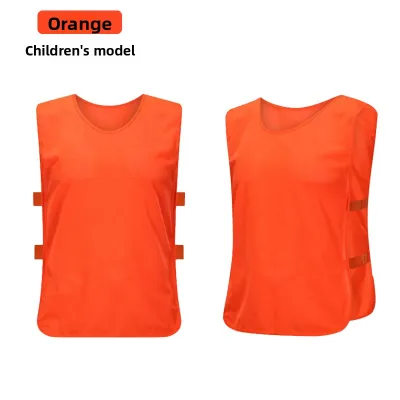
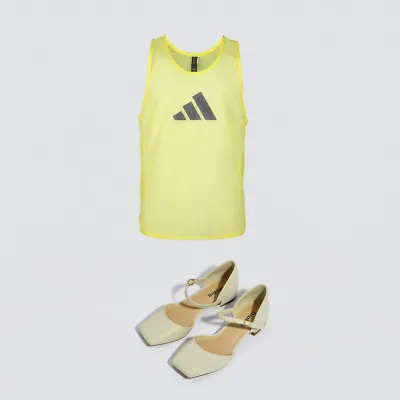
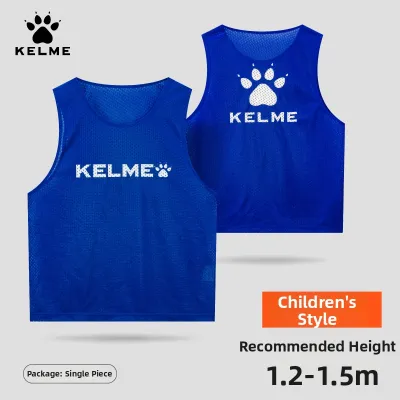
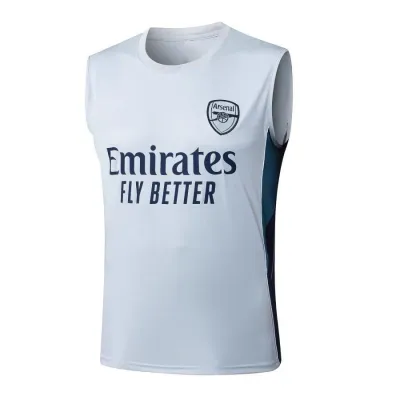

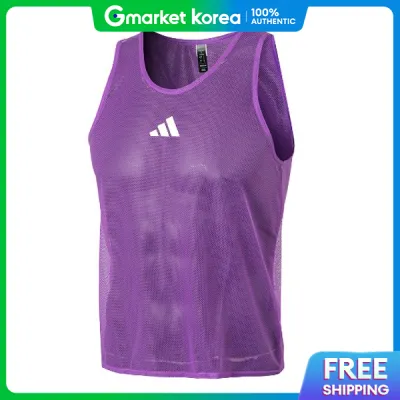
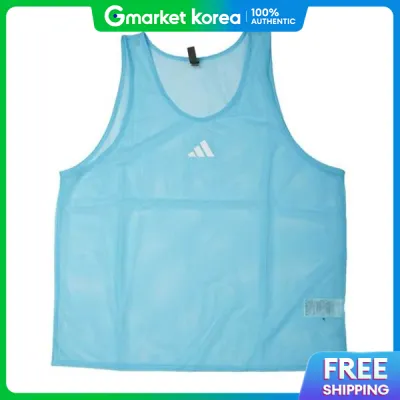

Prices are valid at publication and may change. Please refer to the product page for the latest price.
Fabric weight, measured in grams per square meter (GSM), also significantly impacts how the vest feels on the pitch. Lightweight vests, typically under 120 GSM, feel almost weightless but may lack durability. Heavier fabrics, around 140 to 160 GSM, offer more structure and longevity but can feel warm if the weave is too tight. Additionally, checking the manufacturer’s tag for blend ratios is highly useful. Some vests incorporate a small percentage of elastane or spandex, which provides mechanical stretch, allowing the vest to drape naturally and move with your body during quick turns and sprints.
Evaluating Breathability and Sweat Management in Humid Weather
In Singapore’s tropical climate, relative humidity often exceeds 80 percent, which means sweat does not evaporate easily from the skin. This environmental factor makes the distinction between direct airflow and moisture wicking critical for your comfort on the field.

Open-weave mesh vests rely primarily on direct ventilation. When you are moving or when there is a light breeze, air passes directly through the holes in the fabric, cooling your skin through convection. This makes mesh incredibly comfortable during low-intensity drills or warm-ups. However, if the air is completely still, a mesh vest made from basic, non-treated polyester can trap a layer of warm, humid air close to your body, as the fabric itself does not actively pull moisture away from your skin.
Tightly woven polyester vests handle sweat through capillary action, commonly known as moisture wicking. High-quality polyester fibers are engineered with non-circular cross-sections that create tiny channels. These channels draw liquid sweat away from your skin and transport it to the outer surface of the fabric, where it can spread out and evaporate more quickly. This process is highly effective during continuous, high-intensity running, but it requires the fabric to make direct contact with your skin or a base layer to work efficiently.
When selecting a vest, check the product labels for specific moisture-wicking technologies or specialized lining panels. Many modern vests feature hybrid construction, placing open mesh panels in high-sweat zones like the back and underarms, while using solid, wicking polyester on the chest to maintain the garment’s shape.
Chafing is another major concern when training in high humidity. Wet fabric rubbing against sensitive skin can quickly cause painful irritation. Examine the seam construction of any vest you consider; flatlock seams, which are stitched flat against the fabric, minimize friction compared to raised overlock seams. Furthermore, coarse mesh can feel abrasive against bare skin when wet. If you prefer to train without a base layer, a smooth, tightly woven polyester vest or a very fine, soft-knit mesh will be much gentler on your skin.
Assessing Durability, Odor Control, and Maintenance
Football is a physical sport involving contact, pulling, and occasional falls on turf or grass. Therefore, the durability of your training vest is just as important as its breathability.
Mesh vests are inherently more vulnerable to snagging and tearing. The open holes can easily catch on velcro straps from shin guards, the studs of football boots, or even the fingernails of opposing players during close-contact drills. Once a thread in a mesh vest breaks, it can quickly run or unravel, compromising the shape and utility of the vest.
Tightly woven polyester vests offer superior durability. The continuous, interlocking weave distributes tension evenly across the fabric, making it highly resistant to snagging and tearing. If you participate in regular, high-contact training sessions, a solid polyester vest will generally outlast a standard mesh bib.
Odor retention is another common challenge with synthetic sportswear. Polyester is naturally hydrophobic, meaning it repels water but attracts oils, such as the sebum present in human sweat. This makes synthetic vests a breeding ground for odor-causing bacteria. To combat this, look for vests that list anti-microbial or odor-resistant treatments on their care labels. These treatments use specialized finishes to inhibit bacterial growth, keeping your gear fresher over time.
Proper maintenance is crucial to preserve the performance of both materials. Always check the care label for specific washing instructions. Synthetic vests should be washed in cool or warm water, as high temperatures can break down the synthetic fibers and damage heat-applied logos or team numbers.
It is vital to avoid using fabric softeners when washing your training gear. Fabric softeners leave a thin, waxy coating on the fibers that clogs the moisture-wicking channels and traps odors, permanently reducing the fabric’s breathability. Instead, wash your vests with a mild detergent and hang them to air dry. Because polyester and mesh are highly hydrophobic, they dry very quickly in Singapore’s warm air, making a tumble dryer unnecessary.
How to Choose the Right Football Training Vest for Your Needs
To make the best decision for your training sessions, evaluate your typical playing conditions, intensity level, and personal comfort preferences against the characteristics of each material.
Choose a mesh vest if:
- Your training consists primarily of low-contact drills, tactical walk-throughs, or casual kickabouts.
- You prioritize maximum direct airflow and plan to train on windy days or in open, well-ventilated facilities.
- You always wear a high-quality, moisture-wicking base layer underneath your training bib, allowing the base layer to manage sweat while the mesh provides ventilation.
Choose a tightly woven polyester vest if:
- You participate in high-intensity, full-contact matches where vests are frequently pulled or snagged.
- You prefer to wear your training vest directly against your bare skin and require a smooth, non-abrasive texture to prevent chafing.
- You sweat heavily and need a fabric that actively wicks moisture away from your body to keep you feeling dry.
Before making a purchase, verify if the vest features a hybrid design. Vests with mixed-material panels—such as a solid polyester front for durability and a full mesh back for heat dissipation—often provide the best of both worlds for Singapore’s climate.
Finally, perform a thorough fit and sizing check. A football training vest should allow for a complete range of motion around your shoulders and chest. Ensure the armholes are cut wide enough to prevent pinching or rubbing under your arms, but not so loose that the vest hangs baggily and catches on passing players. When trying on a vest, mimic common football movements—such as twisting your torso and reaching overhead—to confirm that the fabric does not restrict your movement or ride up excessively.
Frequently Asked Questions (FAQ)
Can I wear a mesh training vest under a padded jersey?
Wearing a mesh training vest under a padded jersey is generally not recommended. The textured, open structure of the mesh can create significant friction against the inner lining of the jersey, which can lead to premature wear and pilling on both garments. Additionally, the weight of a padded jersey pressing the coarse mesh seams against your skin can cause severe chafing during active play. If you require an underlayer for warmth or muscle support, a smooth, tight-fitting polyester compression shirt is a much more suitable and comfortable option.
How often should I wash my football training vest to prevent odor?
You should wash your football training vest after every single training session. Allowing a sweat-soaked synthetic vest to sit in a gym bag or laundry hamper encourages bacteria to multiply rapidly, which can lock in stubborn odors that are incredibly difficult to wash out later. If you cannot wash the vest immediately after playing, rinse it thoroughly in clean, cold water to flush out sweat salts and organic oils, then hang it up to air dry until you can run a proper wash cycle.
Community discussion
Share your experience or ask a question. Comments are reviewed before publication.