
Quick Answer: Microfiber vs Cotton for Golf
To play your best on the course, keeping your hands dry and your equipment clean is essential. When comparing microfiber and cotton golf towels, neither material is universally superior; the ideal choice depends on your primary use case. Microfiber is generally superior for cleaning club faces and trapping fine dirt within its split fibers, making it the premier choice for gear maintenance. Conversely, cotton—especially in a plush terry or textured waffle weave—is often preferred for personal sweat wiping due to its natural skin comfort and superior feel on sensitive skin. Many golfers in tropical environments choose to carry both: a dedicated microfiber towel clipped to their bag for clubs and balls, and a soft cotton towel kept in the buggy or umbrella ribs for personal cooling. Selecting a dedicated sweat towel sports accessory can dramatically improve your comfort and performance on the course.
Performance Breakdown: How Each Sweat Towel Sports Fabric Handles the Course
To understand how these fabrics perform under real-world playing conditions, we must analyze them across several golf-specific dimensions. A golf towel is not just an accessory; it is a functional tool that directly impacts your grip pressure, clubface friction, and overall comfort during a four-hour round. Whether you are dealing with a sudden tropical downpour or intense afternoon heat, the physical properties of your towel dictate how quickly you can recover between shots. Below, we break down how microfiber and cotton compare in terms of absorbency, cleaning effectiveness, drying speed, and long-term durability.

Absorbency and Sweat Management
Absorbency is crucial on the course, but microfiber and cotton handle moisture differently. Microfiber is a synthetic blend of polyester and polyamide. During manufacturing, these fibers are split, creating millions of microscopic channels that pull moisture in through capillary action. This split-fiber structure allows microfiber to retain several times its weight in water. However, performance depends on density. Golfers should check product specifications for grams per square meter (GSM); a lower GSM (200–300) is lightweight and fast-drying, while a higher GSM (400+) offers heavy-duty absorbency.
Products mentioned in this guide
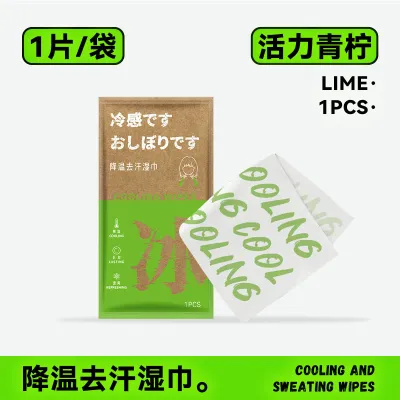
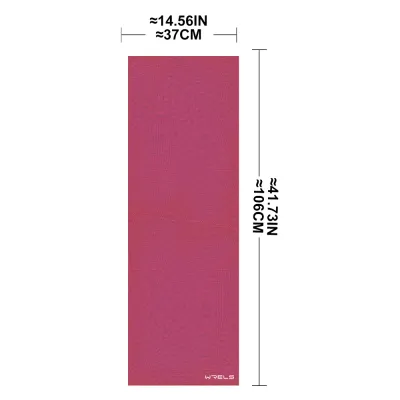
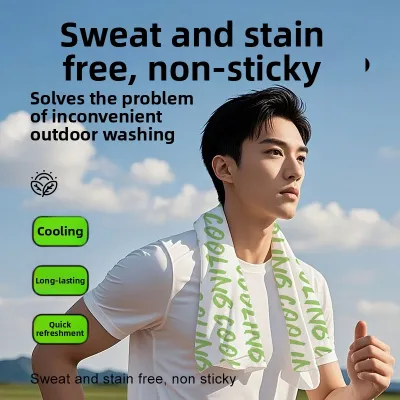
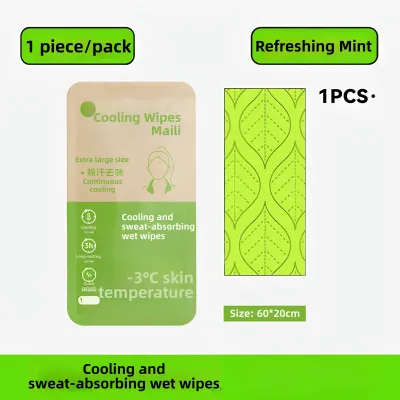
![[SG Stock]Disposable Cooling Towel | Instant Cool Sweat & Dirt Removal Non-Sticky Quick Dry for Outdoor & Sports凉感毛巾](https://img.lazcdn.com/g/p/269b0c1a9d6ebcb2f23211f8fefff4c5.png_400x400q80.png_.webp)
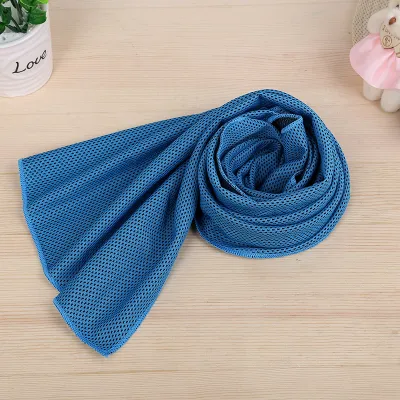
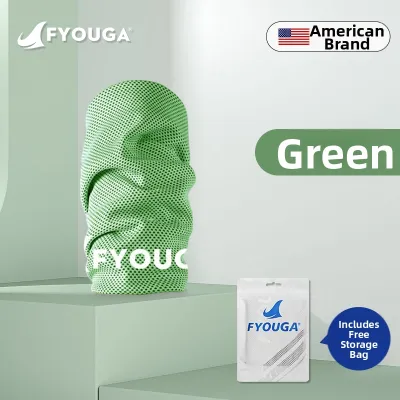
Prices are valid at publication and may change. Please refer to the product page for the latest price.
Cotton relies on natural cellulose fibers that absorb moisture directly into their core, binding instantly with water molecules. For golfers dealing with heavy sweat, a cotton towel—especially in a terry loop or waffle weave—provides immediate dryness when wiping the face and hands. Unlike microfiber, which can feel like it pushes water around if saturated, cotton absorbs sweat deeply. To evaluate a cotton towel’s absorbency, look at the weave density and yarn quality, such as ring-spun cotton, which offers superior absorption and a softer feel.
Club and Golf Ball Cleaning Effectiveness
Keeping equipment clean is vital for consistent shots; dirt or moisture in your club’s grooves reduces spin rate and alters launch angles. Microfiber is widely recognized as the superior material for cleaning club faces and golf balls. Its split fibers act like tiny hooks that reach deep into the micro-grooves of irons and wedges, lifting and trapping sand, soil, and grass rather than smearing them. Furthermore, microfiber’s soft synthetic structure ensures it will not scratch delicate club finishes, such as matte black or raw copper.
Cotton towels can clean clubs, but their effectiveness depends on the weave. Standard flat cotton or thick terry cloth towels have rounder, unsplit fibers that can slide over compacted dirt or push mud deeper into grooves. If you prefer cotton, choose a waffle weave pattern, which features a raised grid texture for mild scrubbing. Additionally, low-quality cotton can leave lint behind on your clubface or ball. Many golfers dedicate a separate microfiber towel specifically for equipment, keeping one end damp to loosen dirt and the other dry to wipe it clean.
Drying Speed in Humid Conditions
In tropical, high-humidity climates like Singapore, drying speed is critical. High relative humidity prevents moisture from evaporating quickly, meaning a wet towel can remain damp and heavy for the entire round. Microfiber excels here because polyester and polyamide are hydrophobic; they hold moisture in the spaces between the fibers rather than inside them. This shallow retention allows air to flow easily, facilitating rapid evaporation. A microfiber towel hung from a golf bag dries significantly faster than cotton, ensuring a dry section is always ready.
Cotton towels struggle to dry in humid environments. Because cotton fibers absorb water directly into their cellular walls, they lock moisture deep within the fabric. In high humidity, this bound water evaporates slowly. A cotton towel saturated from sweat or rain can remain damp for hours, becoming heavy and prone to developing a sour, musty odor from mildew. If you use cotton in humid climates, look for thinner profiles or open waffle weaves, and hang the towel in a well-ventilated area of your golf buggy rather than keeping it folded.
Durability, Texture, and Skin Comfort
The feel of a towel is highly subjective but impacts your comfort. Cotton is the leader in natural skin comfort and softness. Its organic feel is gentle on sensitive skin, making it pleasant for wiping sweat from the forehead and hands without snagging on rough skin or calluses. For players with skin sensitivity, pure cotton offers a reliable, soothing option that synthetics cannot replicate.
Microfiber has a distinct texture that some find unappealing. Its split-fiber structure can feel “grabby” on dry skin, catching on minor calluses. However, microfiber offers exceptional durability. Synthetic polyester and polyamide fibers resist shrinking, stretching, fading, and fraying through hundreds of wash cycles. Cotton degrades faster; repeated washing breaks down natural fibers, leading to thinning, fraying, and a stiff texture if washed in hard water. Balance your need for long-term durability against your preference for skin comfort.
Feature Comparison and Decision Framework
Choosing the right sweat towel sports gear requires balancing your personal comfort with your equipment maintenance needs. To help you evaluate your options at a glance, the table below compares the key physical properties and performance characteristics of microfiber and cotton golf towels under typical playing conditions.
| Feature | Microfiber | Cotton |
|---|---|---|
| Absorbency | High (retains water in fiber gaps) | Immediate (absorbs into fiber core) |
| Club Cleaning | Excellent (traps fine dirt in split fibers) | Moderate (best with textured waffle weave) |
| Drying Speed | Rapid (synthetic fibers dry quickly) | Slow (natural fibers retain water longer) |
| Skin Comfort | Moderate (can feel synthetic or grabby) | Excellent (soft, natural, and breathable) |
| Lint Production | Minimal to none | Moderate (can leave lint on grooves) |
| Best Use Case | Cleaning clubs, balls, and wet-weather play | Wiping sweat from face, neck, and hands |
To finalize your decision, consider the following practical guidelines based on your playing habits, local weather, and personal preferences:
Choose Microfiber if:
- Your primary goal is maintaining clean club grooves and spotless golf balls to ensure consistent spin and control.
- You frequently play in highly humid, tropical climates or wet weather where quick-drying performance is essential to prevent mold and heavy, damp towels.
- You prefer a lightweight, compact accessory that clips easily to your golf bag without adding unnecessary bulk or weight.
- You want a highly durable towel that retains its structural integrity, color, and cleaning power through hundreds of wash cycles.
Choose Cotton if:
- You primarily use your towel to wipe heavy perspiration from your face, neck, and hands, and you prioritize a soft, natural, and breathable texture against your skin.
- You prefer the classic look and substantial weight of a traditional terry cloth or waffle weave towel draped over your clubs or golf bag.
- You have sensitive skin that is easily irritated by the synthetic, slightly grabby texture of split microfiber fabrics.
- You want a highly absorbent option that instantly drinks up moisture upon contact without requiring a break-in period.
Verify first if:
- You have specific club finish requirements. For clubs with raw, matte black, or delicate custom finishes, always consult the manufacturer's care and cleaning guidelines before using any abrasive scrubbing towels.
- You are purchasing a blend. Many modern golf towels use a cotton-poly blend to combine the softness of cotton with the durability of polyester; check the product tag to verify the exact material composition.
- Your golf bag has secure attachment points. Ensure the towel you select features a compatible grommet, carabiner clip, or magnetic patch that matches your carrying method, whether you carry your bag, use a push trolley, or ride in a golf buggy.
Care and Maintenance for Longevity
Proper care preserves your golf towel’s lifespan. Because microfiber and cotton are made of different fibers, they require distinct washing methods.
For microfiber, never use fabric softeners or dryer sheets. Softeners deposit a thin, waxy silicone coating that clogs the microscopic channels in split microfiber, ruining its absorbency. Wash microfiber with mild liquid detergent, avoiding bleach. Wash it only with other synthetics; if washed with cotton, microfiber acts as a lint magnet, trapping fibers in its pores. Air dry or tumble dry on low heat, as high heat can melt synthetic fibers.
For cotton, the goal is maintaining softness and preventing lint. Cotton can be washed in warm water with standard detergent. However, excess detergent leaves a stiff residue. Adding a half-cup of white vinegar to the rinse cycle helps dissolve mineral deposits and restore softness. Cotton can handle higher drying temperatures, but over-drying can damage fibers. Never leave damp cotton towels in your golf bag; wash them promptly to prevent mildew, and ensure they are dry before storage. Always check the manufacturer’s care label on the product tag.
Frequently Asked Questions (FAQ)
Can I use a regular gym towel for golf?
While a standard gym towel can absorb sweat, it is generally not optimized for the specific demands of a round of golf. Gym towels typically lack the specialized attachment features, such as heavy-duty carabiner clips, reinforced metal grommets, or magnetic patches, that allow you to secure the towel to your golf bag or buggy for easy access. Furthermore, standard gym towels are often made of thick, flat cotton that easily snags on club grooves or leaves behind lint, which can interfere with ball contact. Golf-specific towels are designed with distinct textures, such as waffle weaves or dual-sided fabrics, that clean club grooves efficiently while remaining durable enough to withstand outdoor dirt, mud, and frequent washing.
What is a waffle weave golf towel and is it better?
A waffle weave golf towel features a unique, recessed grid-like pattern that resembles a kitchen waffle. This textured design is highly popular among golfers because it offers a perfect balance between cleaning power, absorbency, and drying speed. The raised edges of the grid act as gentle scrubbers that easily scrape away dried mud, sand, and grass from club faces and ball dimples without scratching the surface. Additionally, the waffle pattern increases the overall surface area of the fabric, allowing it to absorb large amounts of water while promoting faster airflow. This increased ventilation helps the towel dry much quicker than a standard, thick terry cloth towel, making it an excellent middle-ground option for players in humid environments.
Community discussion
Share your experience or ask a question. Comments are reviewed before publication.