
Choosing the right mini football ball depends on the player’s age, skill goals, and playing environment. While standard adult matches use a Size 5 ball, smaller sizes—ranging from tiny Size 1 skill balls to Size 4 futsal balls—serve specific developmental and situational purposes. Selecting the correct size ensures proper technique development, reduces joint strain, and matches the physical capabilities of the player.
What Defines a Mini Football Ball?
In football terminology, the term “mini” is often used broadly, but it refers to specific ball sizes designed for training, junior play, or small-sided games. Understanding these distinctions is the first step in selecting the right equipment.
Size 1 and Size 2 balls are the smallest options available and are universally classified as “mini” or skill balls. These are not meant for competitive matches but are engineered specifically for technical drills, footwork practice, and coordination training.
Products mentioned in this guide
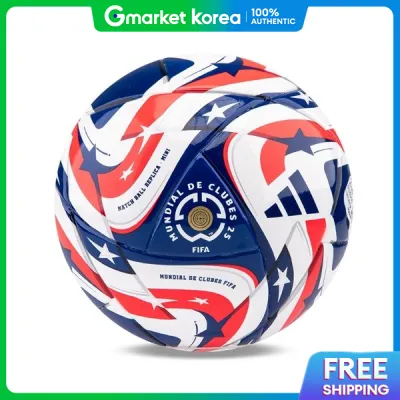

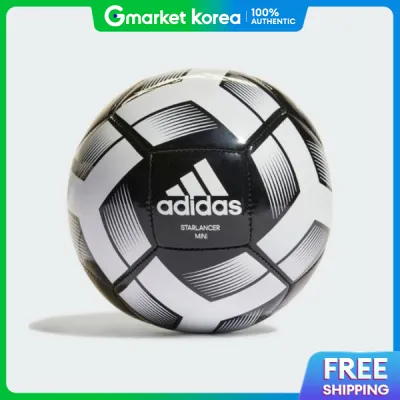
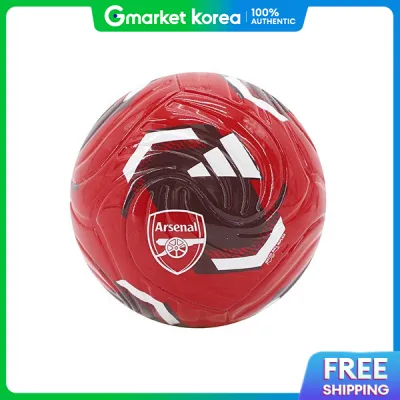
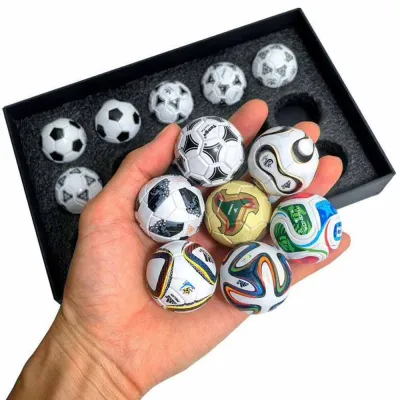
Prices are valid at publication and may change. Please refer to the product page for the latest price.
Size 3 balls represent the transition into junior match play. They are the standard size for young children starting organized league play, offering a manageable weight and circumference that matches their physical development.
Size 4 balls are slightly larger and are commonly used for older children, but they also include specialized low-bounce variants designed specifically for futsal and indoor courts.
Choosing the correct category is crucial for player development. Using a ball that is too large or heavy can lead to frustration, poor habit formation, and an increased risk of muscle strain or joint injury. Conversely, matching the ball size to the player’s physical stage accelerates skill acquisition and keeps the game engaging.
Matching Ball Size to Age Groups
Selecting a football based on age ensures that the ball’s weight and dimensions align with a player’s physical strength and motor skills.

Toddlers and Preschoolers (Ages 3 to 5)
For children aged three to five, a Size 1 or Size 2 mini football ball is the ideal choice. At this stage of physical development, young players are still mastering basic balance and motor coordination.
These smaller, lightweight balls allow toddlers to practice kicking, stopping, and chasing without putting unnecessary strain on their developing joints. The reduced weight ensures that accidental impacts do not cause injury or fear of the ball, helping to build early confidence and a positive association with the sport.
Young Children (Ages 6 to 8)
As children transition into early primary school ages, from six to eight years old, they should move up to a Size 3 football. This size is specifically designed to bridge the gap between miniature training toys and full-sized match balls.
A Size 3 ball provides the appropriate weight and circumference for junior matches, allowing young players to practice passing, shooting, and receiving with proper technique. It is heavy enough to travel realistically along the grass but light enough that children can lift it off the ground without straining their leg muscles.
Older Kids and Teens (Ages 9 and Above)
From age nine onwards, players generally transition to a Size 4 ball, which is the standard for pre-teen competitive play. By age twelve to fourteen, players typically graduate to the standard adult Size 5 ball.
For indoor environments, players in this age bracket should utilize a specialized low-bounce Size 4 futsal ball. Players at this stage have developed the physical strength and skeletal maturity to handle heavier weights, and using the correct size prepares them for competitive structures.
When purchasing a ball for organized play in Singapore, always verify the specific age-group requirements with local schools, private academies, or grassroots leagues. Tournament guidelines can vary slightly between different organizing bodies, and confirming the official size requirements beforehand prevents purchasing incompatible gear.
Choosing by Playing Situation and Skill Goal
Beyond age, the environment where you play and your specific training goals dictate which ball size and type will deliver the best results.
Technical Skill and Juggling Training
If your primary goal is individual skill development, Size 1 and Size 2 mini balls are highly effective training tools for players of all ages, including adults.
The significantly smaller surface area of a mini ball forces players to refine their touch, maintain intense focus, and improve their physical precision. Practicing juggling, close-control dribbling, and rapid footwork drills with a mini ball makes transitioning back to a standard-sized ball feel much easier, as the target area becomes comparatively larger.
Indoor Courts and Futsal
For indoor sports halls and hard-court surfaces, a specialized Size 4 low-bounce futsal ball is the standard choice.
Using a standard outdoor ball on hard indoor courts can be dangerous and difficult, as the high rebound makes the ball bounce unpredictably off hard floors and walls. Futsal balls are constructed with a heavier bladder filled with foam or synthetic fibers, which reduces the bounce and keeps the ball close to the ground, facilitating the rapid, short-passing style characteristic of the indoor game.
Casual Backyard or Beach Play
For unstructured, casual play in the backyard, at a park, or on the beach, strict adherence to official size rules is less critical than durability and weather resistance.
When kicking the ball around casually, a robust Size 3 or Size 4 ball is often the most practical choice for mixed-age groups. In these environments, look for balls with water-resistant outers and durable stitching that can withstand rough surfaces like concrete, sand, or damp grass without absorbing water and becoming excessively heavy.
Key Specs to Check Beyond Size
To ensure you select a high-quality ball that performs well and lasts, look closely at the technical specifications beyond just the numerical size.
- Weight and Bounce: Lightweight mini balls (Sizes 1 and 2) are designed for low-impact play and skill training, whereas specialized Size 4 futsal balls are intentionally heavier with a dampened rebound to suit hard courts. Matching the weight to the playing surface prevents joint fatigue and ensures realistic ball physics.
- Outer Material: Polyurethane (PU) outers offer a softer feel, better grip, and superior durability, making them ideal for indoor courts and regular training. Polyvinyl chloride (PVC) outers are harder and less responsive but offer excellent budget-friendly durability for casual outdoor use on abrasive surfaces.
- Bladder Type: The bladder inside the ball determines air retention and feel. Butyl bladders offer exceptional air retention, meaning you will not need to pump the ball frequently. Latex bladders provide a much softer, more responsive touch and are favored for match play, though they lose air more quickly and require regular inflation.
- Inflation and Care: Proper inflation is critical to preserving the ball's structural integrity. Always check the manufacturer's recommended pressure (measured in PSI or Bar) printed directly near the valve. Avoid over-inflating the ball, as excessive pressure can stretch the seams, warp the shape, and alter the bounce, while under-inflation hinders performance and control.
Frequently Asked Questions (FAQ)
Can a Size 1 mini football be used for actual matches?
No, Size 1 mini footballs are designed strictly for individual skill training, juggling, and coordination drills. Because of their extremely small size and lightweight construction, they are not approved for official matches in any age group or competitive league.
Do indoor futsal balls need to be inflated differently than outdoor balls?
Yes, indoor futsal balls generally require a lower inflation pressure compared to standard outdoor footballs to maintain their characteristic low-bounce properties. Always consult the specific PSI range printed on the ball’s valve area, as over-inflating a futsal ball can compromise its internal dampening materials and cause it to bounce excessively on hard courts.
Community discussion
Share your experience or ask a question. Comments are reviewed before publication.