
Selecting a mini bottle from popular sports brands requires looking past marketing aesthetics to evaluate how a compact container fits into your daily physical activities and transit routines. While larger flasks are standard for long treks, a mini insulated bottle—typically ranging from 12 to 18 ounces (approximately 350 to 530 milliliters)—offers a lightweight, highly portable alternative for quick workouts and daily commutes. The ideal choice depends on how well a brand’s specific lid design, insulation technology, and exterior finish align with your personal hydration habits. In urban environments where daily transits involve walking between air-conditioned offices and humid outdoor spaces, carrying a heavy, oversized bottle can become a chore. A well-chosen mini bottle provides just enough hydration to bridge the gap between destinations without adding unnecessary weight to your load.
To find the right model, you must compare how different manufacturers balance thermal retention with physical usability. A bottle that excels in a climate-controlled gym might not be the most practical option for a crowded morning commute on the MRT. By focusing on verifiable specifications, lid mechanics, and real-world portability, you can select a compact companion that keeps your drinks cold without adding unnecessary bulk to your gear. This guide breaks down the essential comparison points to help you make an informed decision based on your specific lifestyle needs.
Identifying Your Primary Use Case: Workouts vs. Daily Carry
Before comparing brands, define where and how you intend to use your mini bottle. High-intensity workouts demand quick, friction-free access to water. If you are using the bottle during a spin class, a quick run, or a strength training session, you need a design that allows for one-handed operation and features a slip-resistant exterior. Sweat-proof powder coatings are particularly valuable in humid climates, ensuring the bottle remains secure in your hand even when you are working hard. The physical venue also dictates the level of durability required; a bottle used on outdoor concrete courts needs to withstand accidental drops better than one resting on a padded gym mat.
Products mentioned in this guide
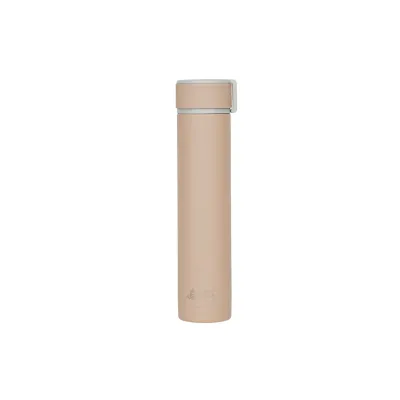
Prices are valid at publication and may change. Please refer to the product page for the latest price.
Conversely, daily commuting and office use prioritize security and space efficiency over rapid access. For a bottle that will spend hours inside a backpack, tote, or handbag alongside laptops and documents, a completely leak-proof seal is non-negotiable. The bottle must also feature a compact footprint that slides easily into side pockets or sits stably on a small desk. Aesthetic finishes, such as sleek metallic surfaces or minimalist matte colors, often take precedence in professional environments over rugged, rubberized bumpers. Additionally, a quiet base—often achieved through a silicone boot—prevents loud clanging noises when placing the bottle on hard office tables.
The “mini” capacity itself introduces specific hydration dynamics that you must consider. A 350ml to 500ml bottle is highly portable but requires frequent refilling if you are engaging in prolonged outdoor activities. For a short 45-minute gym session or a standard commute, this capacity is often sufficient and prevents you from carrying unnecessary water weight. However, if your routine involves extended outdoor training sessions under the sun, you will need to verify if there are convenient refilling stations nearby, as a mini bottle alone cannot sustain long-term hydration needs. Matching the capacity to your access to clean drinking water is key to avoiding mid-workout dehydration.
Core Specifications to Compare Across Sports Brands
When evaluating different sports brands, look past promotional slogans and focus on objective, verifiable metrics found on product labels and official specifications. The first critical metric is insulation performance. Most premium sports brands utilize double-wall vacuum insulation, but their stated cold and hot retention hours can vary. Check if the manufacturer specifies the testing conditions for these ratings, such as the starting water temperature and the ambient room temperature during testing, to ensure the claims are realistic for your local environment. Some brands incorporate an internal copper lining between the stainless steel walls to reflect thermal radiation, which can slightly improve temperature retention without adding noticeable weight.

Material quality directly impacts both the durability of the bottle and the taste of your water. Look for bottles constructed from food-grade 18/8 stainless steel (also known as Grade 304). This material is highly resistant to rust and does not retain flavors from previous drinks, allowing you to switch between water and sports drinks without lingering tastes. Additionally, verify that all plastic components, especially the inner linings of lids and silicone seals, are certified BPA-free to ensure long-term safety. High-quality brands will openly publish their material certifications and compliance standards on their websites.
Physical dimensions and weight are crucial for determining compatibility with your existing gear. Compare the empty weight of the bottles; a lighter bottle is always preferable for daily carry, but it should not come at the expense of thin, easily dented walls. You can calculate the total carrying weight by remembering that every milliliter of water adds exactly one gram of weight to the bottle’s empty mass. Measure the base diameter of the bottle and compare it against the dimensions of your car cup holders, gym equipment consoles, or the elastic side pockets of your backpack. A bottle that is even a few millimeters too wide will end up rolling around on the car seat or floor, creating a distraction while driving.
Evaluating Lid Mechanisms and Portability Features
The lid is the primary point of interaction with your mini bottle, and sports brands offer several distinct styles that alter the user experience. Flip-top spouts and straw lids are excellent for active use because they allow you to drink without blocking your field of vision, which is a key safety consideration when walking or using gym equipment. However, straw lids can be difficult to clean thoroughly and may leak if the folding mechanism becomes loose over time. They are also generally unsuitable for hot liquids due to pressure buildup.
Screw caps and narrow-mouth openings offer the most secure, leak-proof seals because they rely on direct thread engagement and compressed silicone gaskets. These are ideal for tossing into a bag, but they require two hands to open and close, making them less convenient during active exercise. Some brands offer hybrid lids that feature a narrow pouring spout protected by a screw cap, combining a secure seal with a relatively quick drinking experience. When evaluating these lids, check how the cap is retained; a magnetic or tethered cap prevents you from dropping or losing the lid while drinking.
Portability features like carrying loops, clips, and handles also vary significantly across brands. A flexible, pivoting strap or a rigid built-in loop makes it easy to carry the bottle with a single finger when your hands are full of other gear. However, if you plan to slip the bottle into a tight pocket, a minimalist, flush-top lid without protruding loops is much easier to insert and remove. Finally, check the brand’s policy on replacement parts; because silicone seals and plastic lids are subject to wear and tear, choosing a brand that sells individual replacement lids can save you from having to buy an entirely new bottle later.
Decision Framework: Matching Brand Features to Your Needs
To simplify your decision, use this conditional framework to match your daily habits with the right mini bottle design:
- Choose a rugged, flip-top sports brand model if your primary goal is quick, one-handed hydration during active workouts, and you prefer a textured, powder-coated grip that resists sweat and drops.
- Choose a minimalist, screw-cap brand model if your priority is absolute leak prevention during transit, and you need a sleek, compact bottle that fits seamlessly into professional bags or small purses.
- Neither may fit if you are training for endurance sports, long-distance running, or extended outdoor hikes where refilling is not an option; in these scenarios, a larger capacity bottle is necessary to prevent dehydration.
- Verify first if the bottle's base diameter matches the specific dimensions of your daily touchpoints, such as your car's console, your bicycle's bottle cage, or the cup holders on your favorite treadmill, before making a final purchase.
Frequently Asked Questions (FAQ)
Can I put hot coffee in a mini insulated sports bottle?
While the double-wall vacuum insulation of a sports bottle is highly effective at retaining heat, you must check the manufacturer’s specific guidelines before filling it with hot liquids. Many sports-centric lids, particularly those featuring straws, bite valves, or rapid-flip spouts, are designed exclusively for cold beverages. Hot liquids can cause steam pressure to build up inside the sealed bottle, leading to unexpected leaks or sudden spraying when you open the lid, which poses a burn risk. If you plan to use your mini bottle for hot coffee or tea, ensure you pair it with a solid, pressure-venting screw cap designed to handle high temperatures safely.
How do I clean the narrow neck of a mini insulated bottle?
Proper maintenance is essential to prevent mold and odor buildup, especially in the compact chambers of a mini bottle. Always refer to the brand’s care instructions to verify if the bottle body and lid are dishwasher safe; many powder-coated finishes require hand washing to preserve their exterior appearance. To clean a narrow-neck bottle effectively, use a dedicated bottle brush with soft nylon bristles that can reach the bottom corners without scratching the interior stainless steel. Avoid using harsh abrasive cleaners, bleach, or steel wool, as these can damage the protective chromium oxide layer of the stainless steel, making the bottle susceptible to rust and flavor retention.
Community discussion
Share your experience or ask a question. Comments are reviewed before publication.