
When you are stranded on the roadside with a flat tire, your choice of emergency inflation tool determines how quickly and safely you get back on the saddle. Finding the right bicycle pump portable enough to carry on every ride is a balance between weight, speed, and long-term reliability. The market offers three primary portable pump mechanisms: compact mini hand pumps, rapid CO2 inflators, and traditional full-length frame pumps.
The ideal choice depends entirely on your riding style, tire volume, and willingness to carry consumable cartridges. CO2 inflators are the premier choice for racers and fast group riders who prioritize speed and minimum weight above all else. Mini pumps are the perfect companion for daily commuters, gravel riders, and bikepackers who require an unlimited, highly reliable air supply. Frame pumps bridge the gap for long-distance road cyclists who want high-volume inflation efficiency combined with hands-free, frame-mounted portability.
Core Comparison: Evaluating Every Bicycle Pump Portable Option for Weight, Speed, and Reliability
Every portable inflation system requires a compromise. You cannot have instant inflation, zero weight, and an infinite air supply in a single device. Understanding how these tools compare across key performance metrics will help you identify which trade-offs match your cycling habits.
Products mentioned in this guide
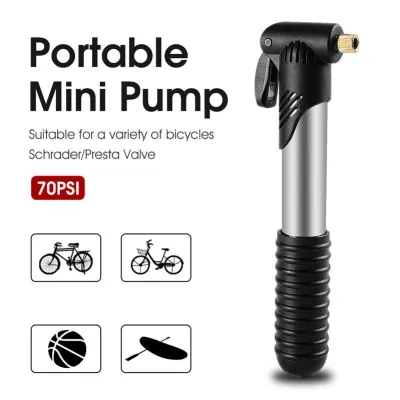
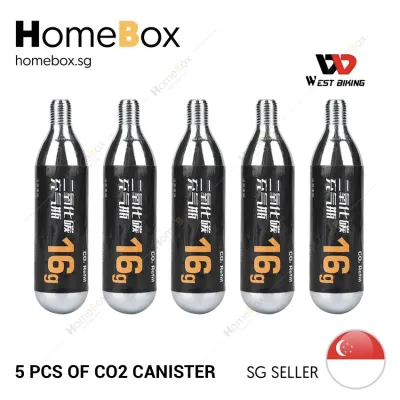
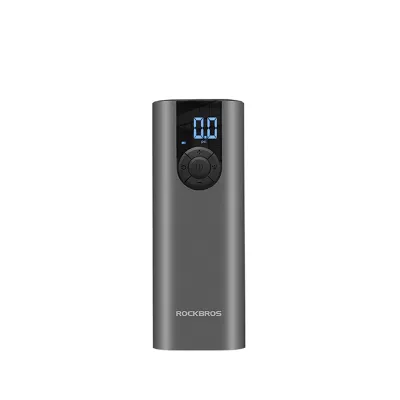
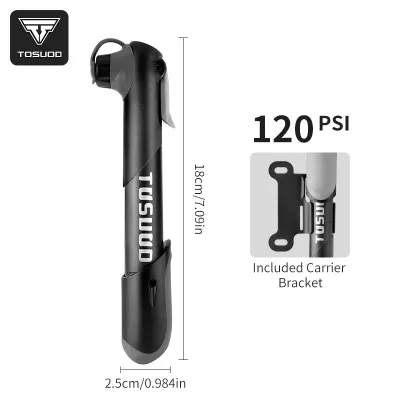
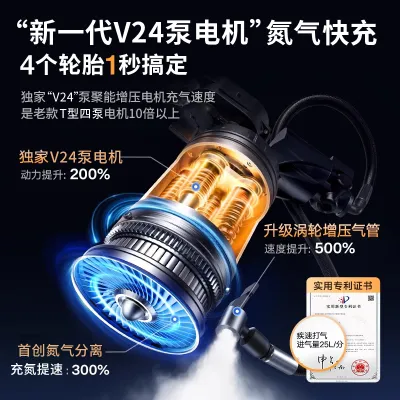
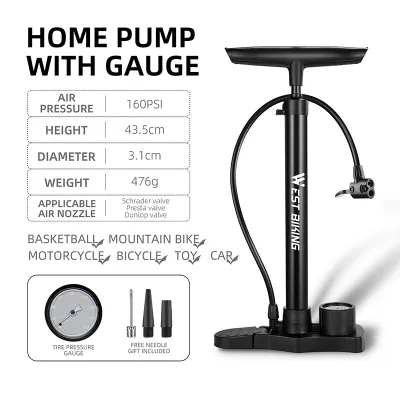
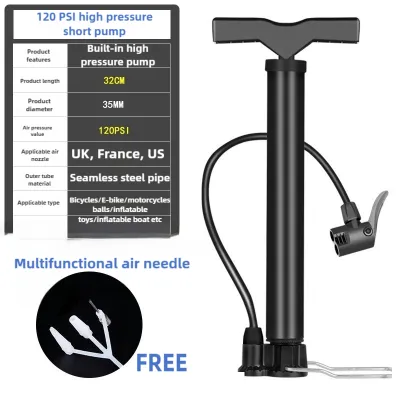
Prices are valid at publication and may change. Please refer to the product page for the latest price.
Weight, Size, and Mounting Options
Portability is the first filter for most cyclists. A tool is only useful if it is convenient enough to carry on every single journey without disrupting your riding position or aerodynamics.
Mini pumps are incredibly compact, typically measuring between 15 and 25 centimeters in length. They easily slide into a standard jersey pocket, a frame bag, or attach directly to your bottle cage bosses using a small plastic mounting bracket. While they are highly portable, carrying a mini pump on your body can add a small amount of bulk and weight to your jersey pockets.
CO2 inflators represent the absolute minimalist approach to roadside inflation. The inflator head itself is tiny, often weighing less than 30 grams and fitting easily into the palm of your hand. However, you must also carry the steel cartridges containing the compressed gas. These cartridges add concentrated weight (typically 16 grams or 25 grams of gas, plus the steel canister weight) and require dedicated storage in a saddle bag or pocket to prevent them from rattling.
Frame pumps are the largest and heaviest of the three options, designed to fit securely within the main triangle of your bicycle frame. They utilize a spring-loaded handle that wedges the pump between your frame tubes, usually tucked under the top tube or alongside the seat tube. This mounting style keeps the weight entirely off your body and out of your pockets, but it requires specific frame geometry, traditional straight tubes, and adequate clearance. Modern carbon frames with sloping top tubes or oversized junctions often lack the space required to mount a traditional frame pump.
Inflation Speed and Physical Effort
When a flat occurs, the physical effort required to return your tire to riding pressure can vary dramatically between these three systems.
CO2 inflators offer unmatched speed, delivering near-instant inflation with absolutely zero physical effort. By threading a cartridge into the inflator head and pressing it onto the valve, you can fill a high-pressure road tire or a high-volume mountain bike tire in less than three seconds. This speed is invaluable during competitive events or fast group rides where every second counts. However, this system is strictly single-use per cartridge; if you make a mistake or suffer a second puncture, you must use another cartridge.
Frame pumps occupy the middle ground, offering a much longer pump body and a larger internal air chamber than mini pumps. This increased volume means you push significantly more air into the tire with every single stroke. Reaching a target pressure of 80 to 100 PSI on a road tire is relatively easy and requires moderate physical effort, allowing you to inflate your tire in a couple of minutes without exhausting your arms.
Mini pumps require the greatest physical exertion and time. Because of their short stroke length and narrow barrel, they move a very small volume of air per stroke. Reaching high pressures with a mini pump can take several minutes of continuous, rapid pumping, often requiring hundreds of strokes. For high-volume gravel or mountain bike tires, the sheer number of strokes can lead to significant arm fatigue, making the inflation process a workout in itself.
Reliability, Maintenance, and Weather Resistance
Roadside emergencies often occur in less-than-ideal weather, making the environmental resilience of your inflation tool a critical factor.
Mini pumps and frame pumps are highly reliable, mechanically simple tools that provide an unlimited supply of air. As long as the internal seals remain intact, you can inflate as many tires as necessary. However, they are not completely maintenance-free. In highly humid climates, constant exposure to moisture and sweat can cause internal metal parts to corrode, and dust from the road can penetrate the pump head. Over time, the internal rubber O-rings can dry out and crack, which will cause the pump to lose compression when you need it most.
CO2 inflators are incredibly reliable because they have very few moving parts. However, the system is entirely dependent on the integrity of the seals inside the inflator head and the quality of the cartridge threads. If an O-ring inside the inflator head fails, the compressed gas will escape into the atmosphere instead of entering your tire. Additionally, cartridges can accidentally puncture or slowly leak if they are stored improperly in a saddle bag, leaving you with empty metal canisters and no way to inflate your tire. Once your carried cartridges are depleted, you have no backup air source.
Mechanism Breakdown: Pros, Cons, and Ideal Use Cases
Transitioning from abstract comparison metrics to real-world usage helps illustrate how each tool performs during a roadside repair. Each mechanism has distinct engineering characteristics that dictate its strengths and weaknesses.

Mini Pumps (Hand Pumps)
Mini pumps are the universal backup plan of the cycling world, offering a self-contained and highly dependable solution for flat tires.
Pros:
- Unlimited air supply that never runs out, regardless of how many punctures you suffer on a single ride.
- Highly cost-effective over time, as there are no ongoing consumable costs.
- Compact design that fits easily into almost any bag or pocket.
Cons:
- Extremely slow inflation times, requiring significant physical effort to reach riding pressures.
- Direct-mount models (without a flexible hose) place immense stress on the delicate Presta valve stem during pumping, which can bend or snap the valve if not held perfectly steady.
- Low volume per stroke makes them inefficient for wide, high-volume tires.
Ideal for: Daily commuters navigating urban environments, mountain bikers, gravel riders, bikepackers, and adventure cyclists who travel remote routes where running out of CO2 cartridges would leave them completely stranded.
CO2 Inflators
CO2 inflators utilize highly compressed carbon dioxide gas stored in small steel canisters to inflate tires almost instantaneously.
Pros:
- Near-instantaneous inflation that gets you back on the road in seconds.
- Minimal physical footprint and extremely low carrying weight.
- Requires zero physical effort, which is a massive benefit when you are already fatigued from a long ride.
Cons:
- High ongoing cost and environmental waste associated with single-use steel cartridges.
- Extremely cold temperatures generated during discharge can cause frostbite if handled without protection.
- Risk of total failure if the gas escapes due to a misaligned valve connection or a damaged seal.
Ideal for: Competitive racers, fast group ride participants, and minimalist road cyclists who prioritize speed and convenience above all else and are willing to pay for consumable cartridges.
Frame Pumps
Frame pumps are full-length hand pumps designed to wedge securely inside the main triangle of a classic bicycle frame.
Pros:
- Excellent air volume per stroke, allowing you to reach high pressures quickly and with minimal physical fatigue.
- Keeps your jersey pockets and saddle bags completely free of bulky tools.
- Highly durable construction with long, robust pump shafts that offer excellent leverage.
Cons:
- Must be sized precisely to match the internal dimensions of your specific bicycle frame.
- Can scratch or wear down the paint on your frame if not fitted with protective rubber pads.
- Often look aesthetically out of place on modern carbon frames, aero bikes, or full-suspension mountain bikes.
Ideal for: Traditional road cyclists, long-distance touring riders, audax/randonneurs, and owners of classic steel or titanium frames who want the reliability of a hand pump combined with superior inflation efficiency.
The Decision Framework: Choose Based on Your Riding Style
Selecting the right portable inflation tool is not about finding the objectively “best” pump, but rather finding the one that aligns with your specific riding habits, bike setup, and personal preferences.
Choose a CO2 Inflator if:
- You participate in organized races or fast group rides where stopping for more than a couple of minutes means getting dropped from the pack.
- You ride a high-performance road bike and want to keep your frame clean and your jersey pockets as light as possible.
- You are comfortable with the ongoing cost of purchasing replacement cartridges and the environmental responsibility of recycling the used steel canisters.
- Tip: If you choose a CO2 inflator for long solo rides, it is highly recommended to carry a tiny mini pump as an emergency backup in case you run out of cartridges or experience multiple flats.
Choose a Mini Pump if:
- You use your bicycle for daily commuting, utility riding, or casual weekend fitness paths where speed is less critical than absolute reliability.
- You ride a gravel bike, mountain bike, or touring bike with high-volume tires that would require multiple expensive CO2 cartridges to fill.
- You want a one-time purchase that will last for years without requiring you to buy, store, and carry consumable items.
- You frequently ride in remote areas where finding assistance or replacement cartridges is impossible.
Choose a Frame Pump if:
- You ride a traditional road, touring, or endurance bike with a standard diamond frame that can easily accommodate a full-length pump.
- You prefer to keep your pockets completely empty and want your emergency tools permanently mounted to your bicycle.
- You want the high-volume efficiency of a floor pump but in a portable format that allows you to reach high pressures without exhausting your upper body.
Verify first if:
- Your bicycle frame lacks standard mounting bosses or has unique tube shapes. Many modern carbon or aerodynamic frames cannot accept standard frame pump mounts or bottle-cage mini pump brackets, forcing you to carry your pump in a pocket or bag.
- You run a tubeless tire setup. Tubeless tires require a rapid blast of high-pressure air to seat the tire bead onto the rim during installation. While a CO2 inflator can provide this necessary burst of air in an emergency, a standard mini pump or frame pump will struggle to seat a tubeless bead on the roadside.
Maintenance and Safety: Keeping Your Pump Ready for Emergencies
A portable pump is an emergency tool that often sits unused for months, only to be desperately needed when a puncture occurs. Regular maintenance and safe handling practices ensure your tool functions perfectly when called upon.
To keep manual hand pumps (both mini and frame models) in working order, perform a quick mechanical check every few months. Inspect the flexible hose (if equipped) for signs of dry rot, cracking, or debris blockages. Apply a tiny drop of silicone grease to the internal rubber O-rings and the pump shaft to maintain a smooth stroke and an airtight seal. Wipe down the exterior of the pump to remove road grime, sweat, and salt, which can corrode aluminum bodies and degrade plastic parts over time.
CO2 inflators require specific safety precautions due to the physics of compressed gas. When carbon dioxide transitions from a highly compressed liquid state to a gas, it absorbs heat rapidly, causing the inflator head and the cartridge to drop to sub-zero temperatures almost instantly. This extreme cold can cause severe freeze burns to bare skin. Always use a protective foam sleeve or wear cycling gloves when operating a CO2 inflator. Additionally, ensure you thread the cartridge straight and tightly into the inflator head to prevent gas from leaking or discharging prematurely in your gear bag.
Before heading out on your first ride with a new portable pump or inflator, always consult the manufacturer’s instructions for your specific model. Pay close attention to recommended torque limits, threading directions, and valve head configurations. Testing your pump in the comfort of your home will prevent confusion and frustration when you are forced to perform a roadside repair in challenging conditions.
Frequently Asked Questions (FAQ)
Can I use a CO2 inflator on tubeless tires?
Yes, you can use a CO2 inflator on tubeless tires, but it comes with important caveats. The rapid blast of compressed gas is highly effective at popping a tubeless tire bead back onto the rim bead seat during a roadside repair. However, the extreme cold and chemical properties of carbon dioxide can cause certain liquid sealants to freeze, clump, or lose their effectiveness. If you must use CO2 in an emergency, it is highly recommended to bleed the CO2 out of your tire once you return home, replace it with standard air using a manual pump, and top up your sealant to ensure long-term puncture protection.
Do I need a Presta or Schrader valve adapter for my portable pump?
Most modern, high-quality portable pumps feature dual-compatible heads (often called smart heads) or easily reversible internal chucks that can accommodate both Presta and Schrader valves without requiring external adapters. Before purchasing a pump, check its technical specifications to ensure it natively supports the valve type on your bicycle. Carrying separate brass or plastic adapters is an option, but these small parts are easily lost on the roadside or trail, making native compatibility a much safer and more convenient choice.
Community discussion
Share your experience or ask a question. Comments are reviewed before publication.