
Selecting the correct soccer ball size is one of the most important decisions parents and youth coaches can make to support a child’s athletic development. While standard match balls are designed for older players, a mini soccer ball is specifically engineered to match the physical proportions, strength levels, and developmental needs of younger children. Choosing the right size ensures that young players can develop proper kicking mechanics, build confidence, and avoid unnecessary physical strain.
To find the ideal fit, you must evaluate your child’s age, physical coordination, and where they plan to play. While age brackets provide a reliable starting point, a child’s individual skill level and training goals should ultimately guide your final selection.
Quick Guide: Mini Soccer Ball Sizes by Age and Skill
Using a ball that is too large or heavy can hinder a child’s progress and make the game frustrating. Conversely, a ball that is sized appropriately allows young players to focus on coordination, balance, and spatial awareness. The table below serves as an immediate reference for matching ball sizes with age groups and developmental stages.
Products mentioned in this guide
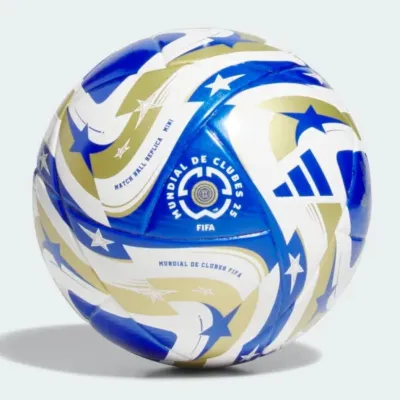
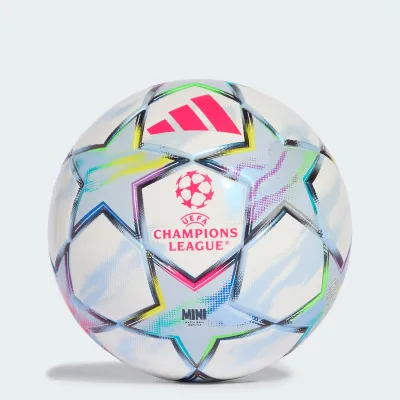
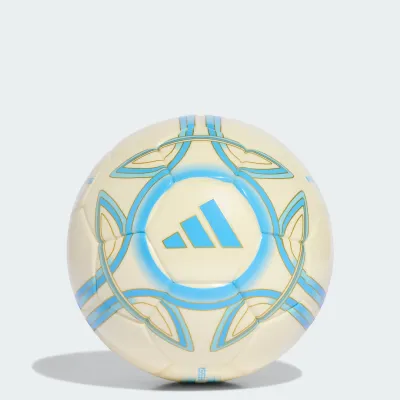
Prices are valid at publication and may change. Please refer to the product page for the latest price.
| Ball Size | Typical Age Group | Circumference (Approx.) | Primary Use Case |
|---|---|---|---|
| Size 1 | Toddlers (Under 3 years) & All Ages | 46–51 cm | Ball mastery, footwork drills, and casual toddler play |
| Size 2 | 3 to 5 years | 52–56 cm | Transitional play, basic coordination, and motor skills |
| Size 3 | 6 to 8 years | 58–61 cm | Early youth matches, structured training, and team play |
While these age brackets are standard, a child’s individual skill level should influence your choice. For example, an older child who is actively practicing advanced ball mastery or quick-footwork drills will benefit immensely from using a Size 1 ball. The tiny target forces them to concentrate on precise foot placement and rapid reaction times.
For absolute beginners, staying strictly within the recommended age brackets is highly recommended. A toddler starting out needs the lightweight profile of a Size 1 to prevent tripping, while a five-year-old needs the slightly larger visual target of a Size 2 to build confidence. Always prioritize physical coordination and the specific drills being performed over age alone.
Understanding Mini Soccer Ball Sizes and Their Purposes
Each mini soccer ball size serves a distinct developmental purpose, helping children transition smoothly from their first tentative kicks to structured team training.

Size 1 (Mini/Skills Ball)
Size 1 balls, often referred to as mini or skills balls, are the smallest option available. They play a vital role in developing early footwork and close ball control for players of all ages, while serving as a safe, non-intimidating first ball for toddlers under three years old.
Because of their small circumference, these balls force players to make contact with the exact center of the ball to control or kick it accurately. This constraint improves reaction times and sharpens neuromuscular pathways. For older players, using a Size 1 ball is a highly effective way to fine-tune dribbling skills in tight spaces.
Size 2 (Transitional Ball)
Size 2 balls act as a physical bridge for young children who are developing basic motor skills but are not yet ready for a standard junior match ball. This size is ideal for preschoolers aged three to five who are learning to run, stop, and change directions with a ball at their feet.
With a slightly larger profile than Size 1, the transitional ball is easier for young children to track visually while it is in motion. It provides enough surface area for them to practice basic passing and shooting mechanics without requiring the physical strength needed to move a larger, heavier junior ball.
Size 3 (Junior Match Ball)
Size 3 is the standard ball size utilized in organized youth leagues for children under eight years old. It introduces realistic match dynamics, including proper passing weight, roll distance, and flight trajectories, which are essential for developing spatial awareness.
At this stage, children transition from individual play to cooperative team play on small-sided pitches. The Size 3 ball is heavy enough to teach them how to strike the ball with power, yet light enough to protect their developing joints and muscles from repetitive strain during matches and team practice sessions.
Choosing by Scenario: Casual Play vs. Structured Training
How and where your child plays will dictate the construction and material specifications you should look for when purchasing a mini soccer ball.
Casual Play and Backyard Fun
For unstructured play in the backyard, at local parks, or on concrete void decks, durability and visibility are your primary concerns. Casual play often involves rough surfaces like asphalt, gravel, or coarse grass, which can quickly scuff and damage delicate materials.
Look for balls with highly durable synthetic outer covers, such as polyvinyl chloride (PVC) or thick thermoplastic polyurethane (TPU). High-visibility colors or bright, contrasting patterns are also beneficial, making the ball easy to track in low-light conditions or against varied outdoor backdrops.
Structured Training and Ball Mastery
If your child is participating in coached training sessions, academy clinics, or dedicated home practice, the ball must provide consistent performance and realistic tactile feedback. In these scenarios, the ball’s bounce, shape retention, and feel are critical.
Prioritize balls with polyurethane (PU) covers, which offer a much softer and more responsive touch than PVC. This soft touch allows young players to feel the ball’s spin and weight accurately, helping them develop the delicate touch required for successful dribbling, passing, and receiving.
Cross-Scenario Compatibility
Deciding whether to buy a single versatile ball or separate balls for different activities depends on your budget and where the training takes place. A highly durable casual ball made of PVC is excellent for concrete but will feel stiff and slick during technical indoor training, potentially hindering skill development.
Conversely, a premium PU training ball will degrade rapidly if kicked repeatedly against brick walls or concrete surfaces. If your child plays across multiple environments, investing in a mid-range TPU ball offers a balanced middle ground, or you can maintain a durable ball for outdoor recreation and a softer PU ball strictly for grass and indoor court training.
Material and Surface Considerations for Local Conditions
Selecting the right cover and bladder materials is essential to ensure the ball survives local playing surfaces and tropical weather conditions.
When comparing outer cover materials, PVC and PU are the two primary options. PVC is highly durable, scratch-resistant, and typically more affordable, making it the ideal choice for concrete, asphalt, and abrasive artificial turf. PU offers a superior, realistic feel and better grip, making it the preferred choice for natural grass pitches or smooth indoor futsal courts.
Singapore’s tropical climate brings high humidity and sudden, heavy downpours that can quickly waterlog a soccer ball. To prevent this, pay close attention to how the ball’s panels are joined. Standard machine-stitched balls have tiny gaps that allow water to seep into the inner lining, making the ball heavy and ruining its bounce. For wet conditions, look for thermally bonded or hybrid-stitched balls, which seal the seams against moisture and maintain their original weight and shape.
Additionally, consider the bladder material inside the ball. Synthetic butyl bladders offer exceptional air retention, meaning you will not have to pump the ball before every play session. Latex bladders provide a softer bounce and better responsiveness but lose air much faster, especially in warm climates. Always check the manufacturer’s label for specific indoor or outdoor surface recommendations to ensure the ball is rated for your intended playing area.
Practical Tips for Parents and Coaches
Proper care and timely transitions are key to maximizing the lifespan of a mini soccer ball and keeping young players safe on the pitch.
- Verify Inflation Levels: Always check the recommended pressure (PSI) printed directly near the inflation valve. For mini balls, this is typically between 4 to 8 PSI depending on the size. Avoid over-inflating the ball, as a rock-hard ball can cause painful toe injuries and joint strain for young children, while also putting unnecessary tension on the seams.
- Monitor for Transition Cues: Watch for physical signs that your child is ready to move up to a larger ball size. If the ball looks disproportionately tiny compared to their foot, or if they are consistently over-striking the ball during basic passes, it is likely time to transition. Moving up ensures they continue to build the appropriate leg strength and coordination.
- Store Away from Extreme Heat: Do not leave soccer balls in direct sunlight, on hot balconies, or inside the trunk of a car. High temperatures cause the air inside the bladder to expand rapidly, which can warp the ball's shape, stretch the outer seams, and degrade the synthetic adhesives. Store the ball in a cool, dry, and shaded indoor space when not in use.
Frequently Asked Questions (FAQ)
Can a child use a standard Size 4 or 5 ball for practice instead of a mini ball?
No, young children should avoid practicing with standard adult-sized balls. Heavy, oversized balls place excessive strain on a child’s developing joints, particularly the knees and ankles, increasing the risk of fatigue and injury. Furthermore, using a ball that is too large forces children to adopt incorrect kicking habits, such as toe-kicking, simply to move the heavy weight.
How do I know if the mini soccer ball is properly inflated without a pressure gauge?
While a pressure gauge is always the most accurate tool, you can perform a quick manual check using the thumb test. Press your thumb firmly into the center of the inflated ball; it should give slightly, compressing about 1 to 2 millimeters, rather than feeling completely rigid. You can also drop the ball from your shoulder level onto a flat floor; it should bounce back up to approximately hip height.
Are foam or sponge mini balls safe for indoor home practice?
Yes, foam or sponge mini balls are highly effective for indoor play because they protect household furniture, walls, and windows from damage while significantly reducing noise. However, they do not provide the realistic weight, bounce, or roll of a synthetic leather ball. They are excellent for casual indoor fun and basic hand-eye coordination, but should not replace a standard synthetic mini ball for structured skill training.
Community discussion
Share your experience or ask a question. Comments are reviewed before publication.