
To survive Singapore’s intense monsoon seasons, where sudden downpours can dump massive volumes of water in minutes, a camping tent must meet specific waterproof standards. As a baseline, you should look for a tent with a rainfly waterproof rating of at least 1,500mm to 2,000mm Hydrostatic Head (HH). However, the tent floor requires a significantly higher rating—ideally 3,000mm to 5,000mm HH—to withstand the physical pressure of occupants sleeping and moving on saturated ground.
While these numbers provide a reliable starting point, a tent’s real-world performance during a tropical storm depends on more than just a laboratory rating. Factors such as fabric type, seam construction, ventilation design, and proper pitching techniques all play critical roles in keeping you dry. Understanding how these elements interact will help you select a tent that offers both reliable storm protection and comfortable ventilation in hot, humid conditions.
Understanding Tent Waterproof Ratings
To make an informed decision, it is essential to understand how manufacturers measure waterproof performance. The standard metric used is the Hydrostatic Head (HH) rating, expressed in millimeters (mm). During laboratory testing, a tube is placed vertically over the tent fabric and filled with water. The height of the water column at the exact moment water begins to seep through the fabric determines the rating. For example, a fabric rated at 2,000mm HH can resist a two-meter column of water before leaking.
Products mentioned in this guide
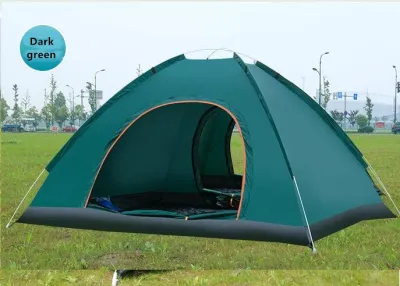
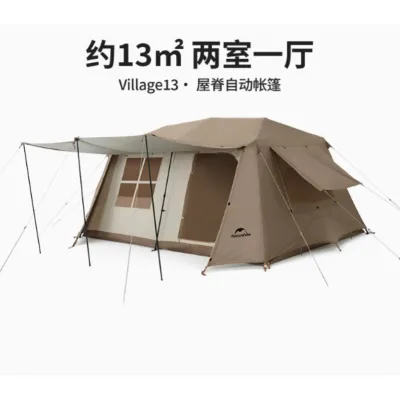
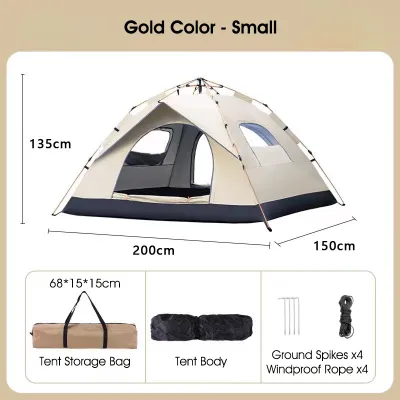
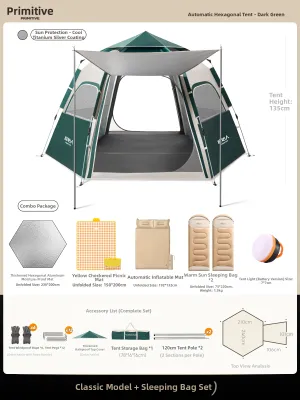
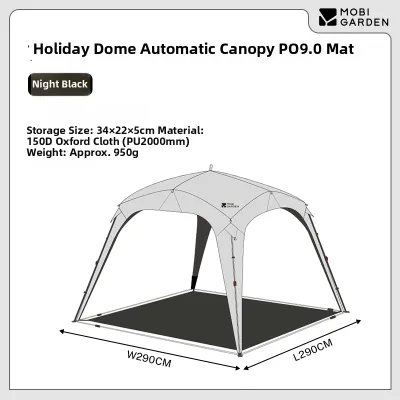
Prices are valid at publication and may change. Please refer to the product page for the latest price.
While a 1,000mm rating is generally considered rainproof for light showers, Singapore’s monsoon rain is often accompanied by strong winds that drive water against the fabric with significant force. This wind-driven velocity increases the pressure on the rainfly, which is why a minimum of 1,500mm to 2,000mm HH is recommended for the outer canopy.
The floor of the tent requires an even more robust barrier. When you sit, kneel, or lie down inside the tent, your body weight concentrates pressure on a small surface area. If the ground beneath the tent is saturated or pooling with water, this localized pressure can easily force moisture through a low-rated fabric. A floor rating of 3,000mm to 5,000mm HH ensures that even when the ground becomes a shallow puddle, the water remains outside the sleeping compartment.
However, relying solely on these numbers can be misleading. A high HH rating on a brand-new tent does not account for the degradation that occurs over time. Exposure to ultraviolet (UV) radiation from the tropical sun, high humidity, and physical abrasion from packing and unpacking will gradually wear down the waterproof coatings. Therefore, the quality of the base fabric and the type of coating applied are just as important as the initial rating.
Essential Structural Features for Heavy Monsoon Rain
A high waterproof rating is only effective if the tent’s structural design prevents water from finding alternative entry points. When camping during the monsoon season, several key design features are necessary to ensure complete protection.

First, look for a tent with a “bathtub floor” design. This construction style uses a continuous piece of heavy-duty, highly waterproof material for the floor that wraps several inches up the sides of the tent before joining the wall fabric. By elevating the seams well above ground level, a bathtub floor prevents pooling water and ground splash from seeping through the stitching.
Second, a full-coverage rainfly is non-negotiable. Some tents feature partial rainflies that cover only the roof, leaving the upper walls exposed to the elements. While these designs offer excellent ventilation, they are highly vulnerable to wind-driven, lateral rain common in tropical storms. A full-coverage rainfly extends all the way to the ground, creating a protective outer shell around the entire inner tent. Additionally, a rainfly that creates a spacious vestibule (an outer porch area) provides a dry space to store wet shoes and gear, preventing you from bringing moisture inside the sleeping area.
Third, pay close attention to seam construction. Every needle hole created during the manufacturing process is a potential leak path. High-quality tents feature factory-taped seams, where a waterproof tape is thermally bonded over the interior seams of both the rainfly and the floor. Before purchasing, verify that the seams are fully taped rather than just “critically taped,” which only covers the most exposed areas.
Finally, you must balance waterproofing with ventilation. In Singapore’s hot and humid climate, a completely sealed waterproof tent can quickly turn into a sauna. As you breathe, moisture condenses on the cool inner surface of the rainfly. Without adequate airflow, this condensation will drip down onto your gear, mimicking a leak. To prevent this, choose a tent with a highly breathable mesh inner body and adjustable rainfly vents. These vents should feature stiffeners or kickstands that keep them open even during heavy rain, allowing warm air to escape while keeping water out.
Verifying Waterproof Specifications and Materials
When shopping for a tent, evaluating manufacturer claims requires a critical eye. Specifications can sometimes be buried in technical jargon or omitted entirely in favor of vague marketing terms.
Start by locating the technical specifications sheet, either on the physical product tag or the manufacturer’s official website. Look for explicit numerical ratings for both the “fly” and the “floor.” If a product description only uses terms like “water-resistant,” “weatherproof,” or “monsoon-ready” without providing specific millimeter ratings, it is highly likely the tent is only designed for fair-weather use or light backyard camping.
Next, identify the type of waterproof coating applied to the fabric. The most common coating is Polyurethane (PU). PU coatings are highly effective, cost-efficient, and allow for easy factory seam taping. However, in hot, humid environments, PU coatings are susceptible to hydrolysis—a chemical process where moisture slowly breaks down the polyurethane molecules, causing the coating to become sticky, flake off, and lose its waterproof properties.
An alternative is silicone-coated fabric, often referred to as silnylon (silicone-coated nylon) or silpoly (silicone-coated polyester). Silicone coatings penetrate the fibers of the fabric, creating a highly durable, hydrophobic barrier that does not degrade in humid conditions. While silicone-coated tents are typically more expensive and require specialized silicone-based sealants rather than standard seam tape, they offer superior longevity in tropical climates.
Additionally, check if the outer fabric has been treated with a Durable Water Repellent (DWR) finish. DWR is a chemical treatment that causes water to bead up and roll off the fabric surface. This prevents the outer fabric from absorbing water and becoming saturated—a state known as “wetting out.” When a fabric wets out, it becomes heavy, sags, and completely blocks the passage of air, which drastically increases internal condensation.
Setup and Maintenance to Prevent Leaks
Even the most advanced waterproof tent will leak if it is pitched incorrectly or poorly maintained. Proper setup and regular care are essential to preserve the integrity of the waterproof barriers.
When pitching your tent, achieving the correct tension is critical. Use all provided stakes and guy lines to pull the rainfly taut. A taut rainfly allows water to shed quickly and prevents it from pooling in sagging sections of the fabric. Ensure there is a clear gap between the rainfly and the inner tent body. If the two layers touch, water can transfer through the fabric via capillary action, dampening the interior.
Regular maintenance is also necessary to extend the lifespan of your tent’s coatings. Dirt, sand, and oils from your hands can degrade both the DWR finish and the internal coatings. After a camping trip, clean the tent by wiping it down with a soft sponge and clean water. If a deeper clean is required, use a specialized, pH-neutral tech wash designed for outdoor fabrics. Never machine wash a tent, use harsh household detergents, or scrub the fabric vigorously, as these actions will strip away the waterproof coatings and peel off the seam tape.
Proper storage is the single most important factor in preventing coating failure in Singapore’s humid climate. Never pack away a tent while it is wet or even slightly damp. If you must pack up in the rain, unpack the tent as soon as you return home and hang it to dry completely in a shaded, well-ventilated area. Store the tent loosely in a breathable storage bag rather than stuffing it tightly into its original compression sack, which can crease the fabric and weaken the coatings over time.
If you notice the factory seam tape beginning to peel or water failing to bead on the outer fabric, you can perform basic DIY maintenance. Reapply a spray-on DWR treatment to the exterior and use a liquid seam sealer on the interior seams. However, if the polyurethane coating on the inside of the fabric has completely degraded—indicated by a sticky texture, flaking white powder, or a strong, sour chemical odor—DIY repairs will not restore the tent’s integrity. In such cases, contact the manufacturer to see if a replacement fly is available, or consider replacing the tent.
Frequently Asked Questions (FAQ)
Is a higher waterproof rating always better for tropical camping?
Not necessarily. While a higher HH rating provides greater resistance to water penetration, it often comes with trade-offs in weight, packability, and breathability. To achieve extremely high ratings (such as 10,000mm), manufacturers must apply thicker layers of polyurethane coating or use heavier, denser fabrics. This makes the tent heavier to carry and bulkier to pack. More importantly, thick coatings restrict airflow, trapping heat and humidity inside the tent. In Singapore’s warm climate, this lack of ventilation leads to severe condensation, making the interior feel wet even if no rain is getting through. A balanced tent with a 2,000mm fly, excellent ventilation, and a 4,000mm floor is generally much more comfortable than a heavy, fully sealed expedition tent.
How can I test my tent's waterproofness before a camping trip?
To verify your tent’s integrity without risking damage, set it up fully in a dry outdoor space, such as a yard or a spacious balcony. Ensure the tent is pitched with proper tension and all guy lines are secured. Use a garden hose equipped with a gentle spray nozzle to simulate a rain shower. Direct the spray over the rainfly for 10 to 15 minutes, paying close attention to the seams, zippers, and corners. Step inside the tent to inspect the interior for any dampness or dripping. Avoid using high-pressure washers or harsh scrubbing, as the intense pressure can easily strip away the DWR coating and damage the delicate seam tape.
Community discussion
Share your experience or ask a question. Comments are reviewed before publication.