
Selecting the right Mizuno compression gear depends entirely on matching the garment’s design to the specific physical demands of your sport. While all compression garments use elastic textiles to apply targeted pressure to muscle groups, a one-size-fits-all approach fails to address the vastly different biomechanical stresses of running, basketball, and weightlifting. By understanding how different compression styles support blood circulation, reduce muscle oscillation, and protect joints, you can choose the exact gear needed to optimize your training and recovery.
At its core, high-quality compression apparel works by applying graduated or targeted pressure to the body. This pressure narrows the diameter of veins, which increases the velocity of blood flow back to the heart and accelerates the removal of metabolic waste products like lactic acid. Furthermore, the tight wrap of the fabric stabilizes muscle fibers, minimizing the microscopic tearing caused by high-impact vibrations. To get the most out of these benefits, your choice of shirts, socks, or sleeves must align with the movement patterns of your chosen discipline.
Running: Calf Support and Muscle Recovery
Running is a highly repetitive, linear sport that subjects the lower body to continuous impact over long distances. Every foot strike sends shockwaves up the legs, placing unique physiological demands on your muscles and circulatory system.
Products mentioned in this guide
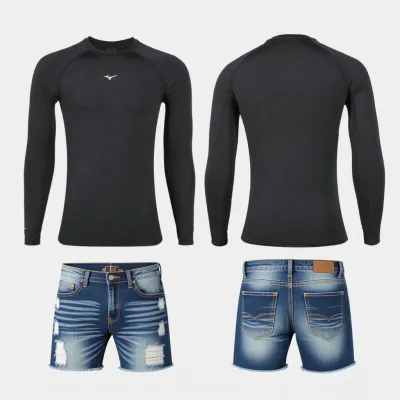
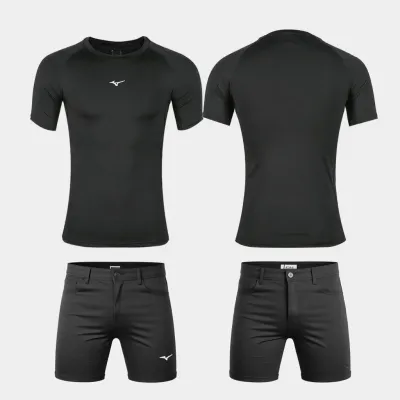
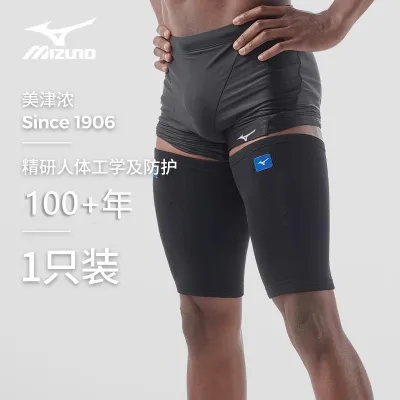
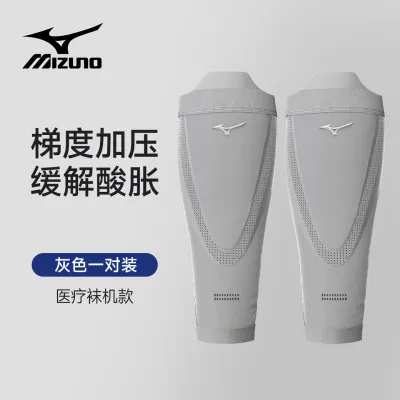
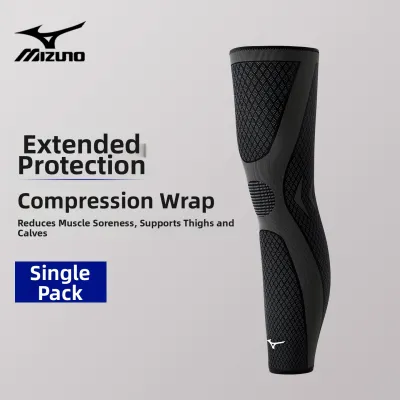
Prices are valid at publication and may change. Please refer to the product page for the latest price.
Key Biomechanical Needs for Runners
- Ground Impact Mitigation: Each step on hard pavement causes muscle oscillation—the lateral shaking of muscle fibers. Over kilometers of running, this continuous vibration leads to micro-tears, muscle fatigue, and post-run soreness.
- Venous Return Assistance: As gravity pulls blood downward, the calf muscles must work efficiently to pump blood back up to the heart. During long endurance runs, this process can slow down, leading to heavy, fatigued legs.
- Moisture Management: In Singapore's hot and humid climate, sweat evaporation is severely limited. Runners require lightweight, technical fabrics that actively wick moisture away from the skin to prevent chafing and heavy, waterlogged gear.
Best Mizuno Compression Types
- Graduated Compression Socks: These socks apply the tightest pressure at the ankle, which gradually decreases as the garment moves up the calf. This specific pressure gradient actively assists venous blood return, helping to maintain stamina and delay fatigue during long-distance road runs.
- Calf Sleeves: If you prefer to wear your own specialized running socks, calf sleeves offer the same muscle-stabilizing benefits. They wrap tightly around the gastrocnemius and soleus muscles, holding them firmly in place to reduce energy-wasting micro-vibrations with every foot strike.
- Flatlock-Stitched Fabrics: Mizuno designs its running compression with flat, smooth seams. This construction is vital for preventing friction-induced chafing, especially in high-sweat zones during long, humid training sessions.
Basketball: Joint Stability and Impact Absorption
Basketball requires explosive, multi-directional movements, including sudden lateral cuts, rapid acceleration, high jumping, and hard landings. These dynamic actions place immense shear stress on the lower body joints.

Key Biomechanical Needs for Basketball
- Joint Protection: The knees and ankles bear the brunt of sudden stops and changes of direction, making them highly susceptible to sprains, strains, and acute impact injuries.
- Proprioceptive Feedback: To execute precise cuts and land safely from jumps, players rely on proprioception—the body's subconscious awareness of its position and movement in space.
- Thermal Maintenance: Basketball involves frequent transitions between high-intensity play and sitting on the bench. Keeping muscles and joints warm during these rest periods is essential to prevent stiffness and reduce the risk of sudden strains.
Best Mizuno Compression Types
- Full-Length Compression Tights: These garments cover the entire lower body, offering comprehensive muscle support from the hips to the ankles. They help keep the large muscle groups of the legs warm and ready for explosive movements, even during breaks in play.
- Knee and Ankle Sleeves: Elastic compression sleeves worn over the joints provide continuous, mild pressure. This pressure enhances proprioceptive feedback, helping your brain coordinate safer landing mechanics and lateral movements.
- Synovial Joint Warmth: The compression fabric traps a small amount of body heat around the joints, keeping the lubricating synovial fluid warm and pliable, which supports overall joint mobility.
- Safety Verification Check: While compression tights and sleeves support muscle warmth and joint awareness, they do not provide the mechanical structural support of rigid, medical-grade orthotic braces. If you have an active ligament tear or severe joint instability, do not rely on compression gear as a substitute for professional medical treatment or physical therapy.
Weightlifting: Core Engagement and Load Bearing
Weightlifting is characterized by slow-velocity, high-load movements that demand extreme structural rigidity, postural control, and joint warmth rather than cardiovascular endurance.
Key Biomechanical Needs for Weightlifters
- Intra-Abdominal and Core Stability: Executing heavy squats, deadlifts, or overhead presses requires a highly stable core to protect the spine and transfer force efficiently.
- Postural Awareness: Maintaining a neutral spine and proper shoulder positioning is critical under heavy loads to avoid injury and optimize lifting mechanics.
- Joint Warmth and Elasticity: Heavy loading puts intense pressure on the knees and elbows. Keeping these joints warm between sets is crucial for maintaining tissue elasticity and comfort.
Best Mizuno Compression Types
- Compression Shirts: A tight-fitting compression top provides continuous tactile feedback across your upper back, shoulders, and chest. This constant pressure acts as a sensory cue, helping you keep your shoulder blades retracted and your spine properly aligned throughout a lift.
- Thick Knee and Elbow Sleeves: Designed to retain heat, these sleeves keep the surrounding tendons and ligaments warm and pliable. This warmth is especially beneficial during deep squats or heavy presses when joint friction is at its peak.
- Distinction From Rigid Gear: It is vital to understand that compression sleeves and shirts are designed for warmth, blood flow, and sensory feedback. They do not offer the mechanical assistance or structural load-bearing support of stiff, heavy-duty powerlifting belts or rigid canvas wraps. Never use compression gear to bypass proper lifting form or to attempt weights that exceed your physical capabilities.
Cross-Sport Compatibility: Mixing and Matching Gear
For multi-sport athletes, purchasing separate compression wardrobes for every activity can be impractical. Understanding which items offer versatile cross-sport utility—and which do not—can save money and prevent discomfort.
Highly Versatile Base Layers
- Compression Shorts: A high-quality pair of compression shorts is the most versatile piece of gear you can own. They prevent thigh chafing during long runs, fit comfortably under basketball shorts to provide hip warmth, and offer excellent pelvic support during heavy weightlifting sessions.
- Short-Sleeve Compression Tops: These shirts serve as an excellent moisture-wicking base layer for running, fit seamlessly under a basketball jersey, and provide useful postural cues during upper-body gym workouts.
Specialized Gear to Avoid Crossing Over
- Graduated Running Socks in the Gym: Graduated compression socks are designed to fit tightly around the foot and ankle to promote blood flow. However, during heavy weightlifting, you need your toes to splay naturally to establish a wide, stable base of support. Tight running socks can restrict this natural foot splay, compromising your balance during heavy lifts.
- Thick Lifting Sleeves on the Run: Heavy-duty knee sleeves designed for weightlifting are built to retain maximum heat and provide mild joint compression. If you attempt to wear these during a run, they will severely restrict your natural knee flexion, trap excessive sweat, and likely cause painful skin chafing.
Quick Decision Framework
- If you can only buy one item: Opt for a premium pair of mid-thigh compression shorts. They offer the highest cross-sport utility, protecting against chafing and providing core-adjacent muscle warmth across all three activities.
- If you can buy two items: Add a versatile short-sleeve compression shirt. This combination covers your core muscle groups, manages sweat effectively, and provides structural awareness without restricting joint movement in any sport.
Sizing, Fit, and Care Tips for Longevity
To experience the physiological benefits of compression gear, the fit must be precise. Garments that are too loose will fail to provide adequate pressure, while gear that is too tight can restrict blood circulation and limit your natural range of motion.
How to Measure for Compression Gear
- Avoid Standard Apparel Sizes: Do not rely on your everyday T-shirt or short sizes when buying compression garments, as sizing standards vary wildly between casual wear and technical gear.
- Use a Soft Measuring Tape: Take physical measurements directly against your skin. For calf sleeves, measure the widest circumference of your calf muscle. For knee sleeves, stand up and measure the circumference directly over the center of your kneecap. For compression shirts, measure the widest part of your chest.
- Consult the Brand Sizing Chart: Compare your exact measurements against the manufacturer's specific size guide. If your measurements fall between two sizes, choose the larger size for a comfortable, supportive fit, or the smaller size if you prefer high-intensity, active compression.
Proper Care Instructions
- Wash in Cold Water: High temperatures break down the synthetic elastane and spandex fibers that give compression gear its stretch. Always use a gentle, cold-water cycle.
- Skip the Fabric Softener: Fabric softeners leave a thin, waxy coating on synthetic fabrics. This coating clogs the micro-pores of the material, permanently destroying its moisture-wicking and breathable properties.
- Air Dry Only: Never put compression garments in a tumble dryer. The high heat will warp the elastic fibers, causing the gear to lose its shape and compressive strength. Instead, hang the garments to air dry in a shaded, well-ventilated area away from direct sunlight.
Frequently Asked Questions (FAQ)
Can I wear compression gear all day for recovery?
While wearing mild compression garments for a few hours after an intense training session can help reduce muscle soreness and promote circulation, you should avoid wearing tight, high-performance compression gear all day or while sleeping. Extremely tight garments can restrict blood flow when your muscles are completely at rest and inactive, which can lead to discomfort or numbness. If you want to use compression for extended recovery periods, choose garments specifically designed with a lower, gentler level of graduated pressure.
Does compression gear actually make me run faster or lift heavier?
Compression gear is not a mechanical performance enhancer and will not directly increase your maximum running speed or lifting capacity. Instead, it works indirectly by reducing muscle vibration, enhancing your body’s joint awareness, and accelerating muscle recovery between workouts. By minimizing fatigue and muscle soreness during and after training, the gear allows you to train more consistently and at a higher quality, which ultimately leads to long-term athletic improvements.
Community discussion
Share your experience or ask a question. Comments are reviewed before publication.