
Quick Answer: Which Goalkeeper Gloves Fit Your Playstyle?
Choosing between Mizuno and Adidas goalkeeper gloves depends on your specific priorities on the pitch, such as whether you value traditional, highly structured craftsmanship or modern, lightweight, and aggressive designs. Mizuno gloves are highly regarded for their precise construction, classic fits, and premium materials, making them a favored choice for players who prefer a traditional feel. Adidas, on the other hand, is a dominant force in glove innovation, offering cutting-edge features like strapless entry systems, knit backhands, and highly specialized latex formulations.
Rather than declaring one brand universally superior, your decision should rest on how specific model specifications align with your playing environment, hand shape, and budget. Both brands offer a wide spectrum of gloves, ranging from budget-friendly training models to high-end match-day options. To find the right pair, you must look beyond the brand logo and evaluate the specific latex type, cut, and protection features of each individual model.
Palm Grip and Latex Technology: What to Look For
The palm is the most critical component of any goalkeeper glove, as it directly dictates your ability to secure the ball. When comparing Mizuno and Adidas, you must look closely at the latex specifications provided by the manufacturer. High-grade match gloves typically feature premium natural latex, which offers exceptional stickiness but is highly delicate. Training gloves often incorporate a higher percentage of synthetic latex, which sacrifices some grip performance in exchange for significantly higher wear resistance.
Products mentioned in this guide
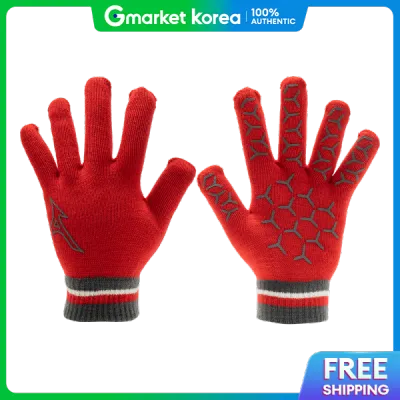
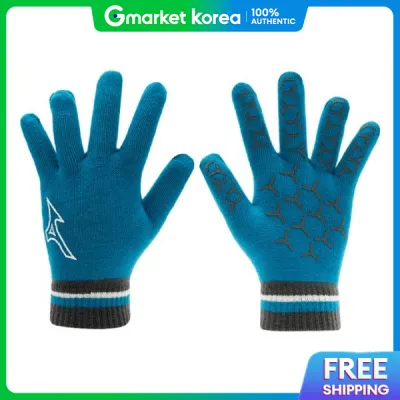
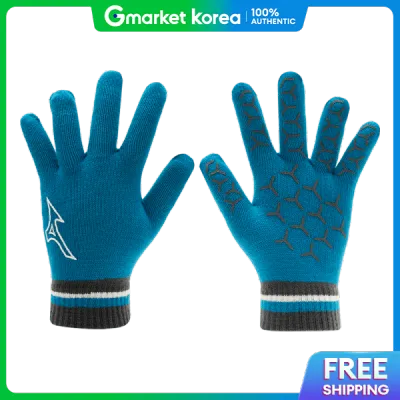
Prices are valid at publication and may change. Please refer to the product page for the latest price.

To evaluate grip performance for your specific playing conditions, always check the product labels for weather-optimized latex formulations. Some latex types are engineered specifically for wet weather, featuring highly porous structures that channel water away from the contact surface to maintain friction. Conversely, dry-weather or “all-round” latex performs best when kept slightly damp during play. If you frequently play in hot, humid climates like Singapore, a versatile all-weather latex is often the most practical choice.
Understanding the inherent trade-off between grip softness and durability is essential for managing your expectations and budget. A soft, 4mm professional-grade latex palm will provide outstanding shock absorption and cling to the ball effortlessly, but it will also show signs of abrasion after just a few uses on hard surfaces. If you need a pair for daily training, look for a slightly thinner or reinforced latex palm designed specifically for durability, saving your premium soft-latex gloves exclusively for match days.
Finger Protection and Spine Mechanisms
Finger protection, often referred to as finger saves or spines, consists of plastic inserts positioned along the backhand to prevent the fingers from hyperextending backward during hard shots. When browsing Mizuno and Adidas lineups, check the product descriptions to identify whether a model features removable or fixed spines. Removable spines offer excellent versatility, allowing you to customize your protection by removing supports from stronger fingers or adjusting the stiffness as your hands recover from injury.
It is also important to check the exact coverage of the protection system. Some gloves feature spines in all five fingers, including the thumb, while others only protect the four main fingers. While maximum protection might seem ideal, stiff spines inherently limit your hand’s natural flexibility and can make it more difficult to form a tight fist or feel the ball during a catch.
Your choice of finger protection should match your age, skill level, and injury history rather than assuming more protection is always better. Developing goalkeepers often benefit from the added safety of finger spines while they build hand strength and master proper catching techniques. However, experienced players frequently prefer gloves without spines to maximize their tactile connection with the ball. Remember that protective gear is a supportive tool; it cannot replace proper hand positioning, strength training, and sound goalkeeping judgment.
Durability, Care, and Maintenance
Regardless of whether you choose Mizuno or Adidas, proper care is the single most important factor in extending the lifespan of your goalkeeper gloves. New gloves arrive from the factory with preservative chemicals on the latex to keep it from drying out during transit. Performing a gentle pre-wash with lukewarm water before your first use is essential to wash away these chemicals and activate the latex’s natural gripping properties.
After every match or training session, establish a strict cleaning routine to remove dirt, sweat, and grass stains. Soil particles act like sandpaper on delicate latex, rapidly grinding down the grip if left unwashed. Wash the gloves by hand using lukewarm water and a specialized glove cleaner or a mild, additive-free soap. Gently squeeze out excess water without wringing or twisting the gloves, as twisting can easily tear the seams and ruin the palm structure.
Storage conditions play a massive role in preventing premature latex degradation. Never expose your gloves to direct sunlight, radiators, or extreme heat, as this will dry out the latex, causing it to crack and lose all grip. Instead, hang them to dry naturally in a cool, well-ventilated indoor space. Once dry, store them in a breathable glove bag, ensuring the palms do not touch each other, as they can stick together and tear when pulled apart.
Keep a close eye on observable signs of wear to determine when your gloves are nearing the end of their functional life. Minor flaking on the fingertips is normal, but deep cracks, thinning palm latex that exposes the base fabric, or torn seams along the fingers indicate that the gloves can no longer provide reliable grip or protection. When these signs appear, it is time to relegate them to training use and invest in a new match pair.
Fit, Sizing, and Glove Cuts
The cut of a goalkeeper glove refers to how the palm and backhand panels are stitched together, which directly dictates how the glove fits and feels on your hand. A flat palm cut offers a traditional, loose fit with a flat surface area, making it highly forgiving. A negative cut features internal stitching, creating a very snug, second-skin feel that minimizes glove movement but exposes the seams to more wear. Roll finger cuts wrap the latex entirely around the fingers for maximum latex-to-ball contact, while hybrid cuts combine elements of these styles to balance snugness and surface area.
To find your correct size, measure the circumference of your palm just below the knuckles, excluding the thumb, using a flexible measuring tape. Compare this measurement to the specific manufacturer’s sizing chart, as sizing can vary slightly between Mizuno and Adidas. Generally, adding one inch (or approximately 2.5 cm) to your measured palm circumference provides a standard starting size for goalkeeper gloves, allowing a small amount of room for comfort and finger movement.
Personal preference plays a major role in whether you prefer a tight, locked-in fit or a slightly roomier glove. If you are purchasing online from sports stores in Singapore, always verify the retailer’s return and exchange policies beforehand. Trying on the gloves with your hands fully prepped is the best way to ensure there are no uncomfortable pressure points or excess material at the fingertips before you commit to using them on the pitch.
Decision Framework: Choosing the Right Pair
To finalize your decision, use this structured framework to match your playing style, preferences, and local conditions to the right brand and model.
Choose Mizuno if:
- You prefer a classic, highly structured glove with a traditional wrist strap and a focus on robust, premium materials.
- You value precise, traditional Japanese design aesthetics and are looking for a highly reliable, classic fit.
- You have access to specialized retailers that stock Mizuno's football gear and want a glove that pairs seamlessly with classic leather boots.
Choose Adidas if:
- You want to experience modern glove innovations, such as lightweight strapless entry systems and advanced knit backhands.
- You prefer aggressive, modern cuts like tight negative or hybrid styles that offer a highly responsive, second-skin feel.
- You want a wide variety of models across multiple price points that are easily accessible in local retail stores and online marketplaces.
Verify first if:
- The specific model's latex type matches your primary playing surface, especially if you frequently play on abrasive artificial turf.
- You have checked the sizing charts carefully, as a poorly fitting glove will wear out prematurely and compromise your grip.
- You have compared prices in S$ across authorized sports retailers to ensure you are getting the best value for your budget.
Frequently Asked Questions (FAQ)
Do professional goalkeepers use the same gloves sold in retail stores?
Professional goalkeepers often use gloves that look identical to retail models but feature highly customized specifications. These professional-grade versions typically use extremely soft, premium natural latex designed for maximum grip under specific match conditions, sacrificing durability entirely. Retail versions, even high-end ones, are balanced to offer a practical combination of grip and longevity for amateur and semi-professional use.
How often should I replace my goalkeeper gloves?
There is no fixed timeline for replacing goalkeeper gloves, as wear depends entirely on usage frequency, playing surfaces, and care routines. Instead, look for visual cues such as significant latex erosion on the fingertips, deep cracking across the palm, or split seams that compromise the glove’s structural integrity. Once the latex has worn down to the base textile layer, the glove can no longer provide adequate grip and should be replaced.
Can I use firm ground gloves on artificial turf?
While you can physically wear firm ground gloves on artificial turf, the highly abrasive nature of synthetic grass will accelerate latex wear dramatically. If you regularly play on turf, look for gloves specifically labeled with durable or hard-ground latex formulations. Alternatively, many players use older, worn match gloves for turf training sessions to preserve their premium match gloves for natural grass pitches.
Community discussion
Share your experience or ask a question. Comments are reviewed before publication.