
The Molten BG4500 is a high-performance composite leather basketball engineered primarily for indoor play. Its key specifications—including a premium synthetic cover, a signature 12-panel Giugiaro design, and a nylon-wound butyl bladder—directly shape its on-court performance. For players, these technical features translate to a highly consistent bounce, enhanced moisture control during intense games, and a distinct tactile feel that aids in shooting alignment and ball handling.
Understanding how these specifications behave under different playing conditions is essential for selecting the right gear. By evaluating the material limits and construction details of this model, you can ensure it aligns with your local court surfaces and personal playing style.
Molten BG4500 Core Specifications at a Glance
To understand how this basketball performs, players must first look at its baseline manufacturing standards. The Molten BG4500 is built to meet precise dimensional and material criteria, which you can verify on the official product packaging or the manufacturer’s specification sheet. It is commonly available in standard sizes, such as Size 7 for adult male competition and Size 6 for female or youth categories.
Products mentioned in this guide
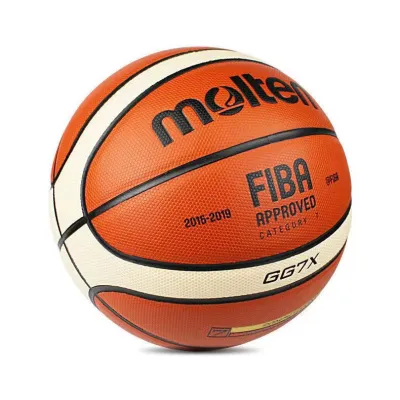
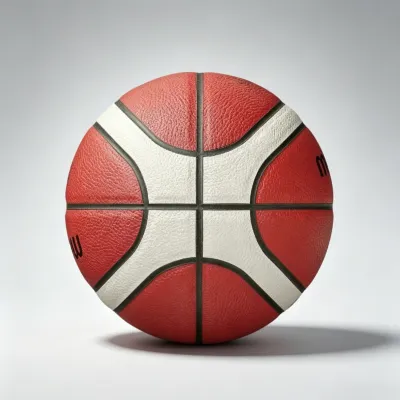
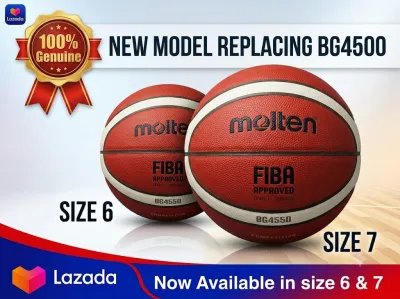
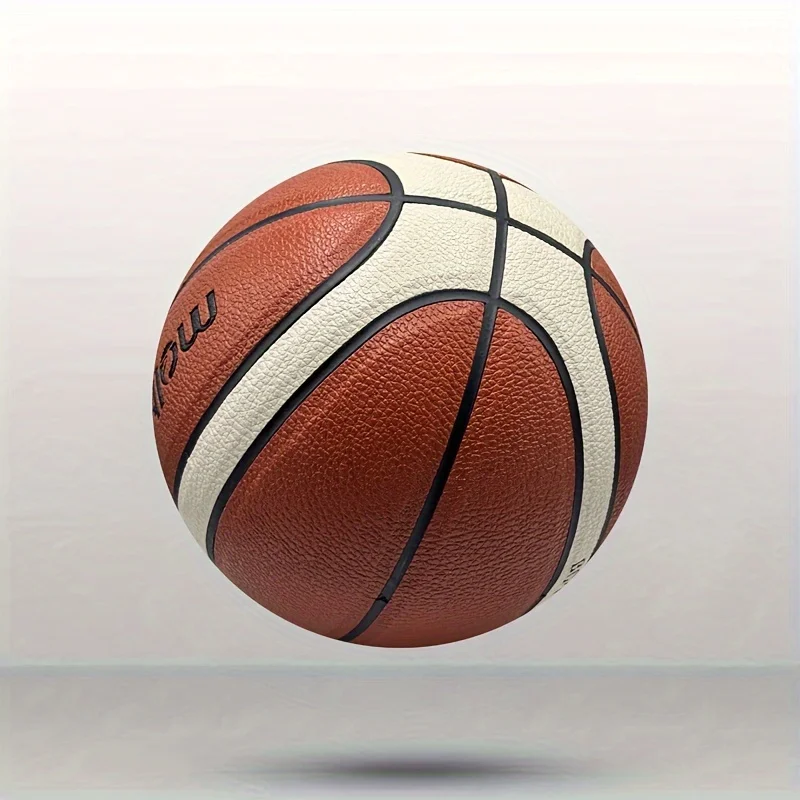
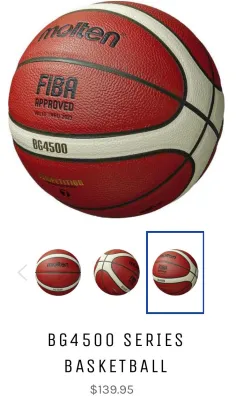
Prices are valid at publication and may change. Please refer to the product page for the latest price.
Below is a quick-reference table mapping the official material classification of this model to its recommended playing environments:
| Specification Category | Manufacturer Detail | Recommended Court Surface |
|---|---|---|
| Cover Material | Premium Composite Leather | Polished Indoor Hardwood / Synthetic Courts |
| Panel Configuration | 12-Panel Giugiaro Design | Indoor Sports Halls / Structured Training |
| Internal Construction | Butyl Bladder with Nylon Winding | Temperature-Controlled Indoor Venues |
| Size Options | Size 7 (Men's) / Size 6 (Women's) | Standard Competitive Play |
When selecting a basketball, verifying these baseline specifications ensures that the ball complies with your local league’s regulations. The choice of size and material directly impacts weight distribution and hand placement, making it the first critical decision point for any player.
Cover Material and Court Surface Compatibility
The cover material of a basketball dictates how it interacts with both your hands and the court surface. The Molten BG4500 features a premium composite leather cover, which is engineered to replicate the soft, tactile feel of genuine leather while offering greater consistency out of the box. This synthetic material is designed to provide a balanced grip that is neither too sticky nor too slick, allowing for smooth transitions during passing and shooting.

To assess whether this cover material matches your playing environment, check the manufacturer’s guidelines printed on the packaging. While composite leather performs exceptionally well on polished indoor hardwood or high-quality polyurethane surfaces, it is highly sensitive to abrasive environments. Playing on rough outdoor concrete or asphalt can rapidly wear down the synthetic fibers, leading to premature degradation.
Players should regularly inspect the ball for observable wear indicators. These include scuffing along the panels, peeling at the seams, or a noticeable smoothing of the pebbled texture. In humid climates, such as playing in non-air-conditioned indoor halls in Singapore, moisture can accelerate wear if the ball is not properly dried after use. If you notice the cover losing its texture or showing exposed backing material, it is a sign that the ball’s grip performance is compromised.
Grip Texture, Channel Design, and Ball Handling
The surface texture and channel design of the Molten BG4500 play a vital role in ball control and shooting mechanics. The ball utilizes a specialized pebbled texture across its entire composite cover, which is designed to optimize friction between your fingers and the ball. This texture is particularly important for moisture management; during intense games where sweat is common, the pebbled surface helps maintain grip retention by preventing a film of moisture from making the ball slippery.
In addition to the surface texture, the BG4500 features Molten’s signature 12-panel Giugiaro layout. This design introduces more seams and channels across the surface compared to a traditional 8-panel basketball. The increased number of channels provides shooters with more tactile reference points, making it easier to align fingers quickly along the seams during a catch-and-shoot motion. The depth and width of these channels are calibrated to allow secure finger placement without disrupting the ball’s aerodynamic flight.
It is important to note that this tier of synthetic cover requires a brief break-in period. When first unboxed, the composite leather may feel slightly stiff or have a dry, powdery texture. As you use the ball for dribbling drills and passing practice, the friction and natural oils from your hands will gradually soften the material. This process enhances the tackiness and flexibility of the cover, resulting in a more responsive feel during active gameplay.
Bladder Construction, Bounce, and Air Retention
Beneath the composite cover lies the bladder construction, which determines the ball’s bounce consistency and air retention capabilities. The Molten BG4500 is constructed with a high-grade butyl bladder reinforced by nylon winding. Butyl rubber is highly effective at resisting air permeation, meaning the ball retains its pressure far longer than those equipped with natural latex bladders, which require frequent reinflation.
To ensure optimal bounce performance, players must maintain the ball at the manufacturer’s recommended inflation pressure. This specification is typically printed directly onto the ball’s surface near the inflation valve, usually ranging between 7.25 and 8.70 psi. Inflating the ball within this exact range ensures a predictable rebound height and prevents the bladder from stretching or warping over time.
Maintaining proper inflation requires a disciplined routine. Always use a reliable pressure gauge to verify the internal pressure before play. When inflating the ball, apply a drop of glycerin or soapy water to the inflation needle before inserting it into the valve. This lubrication prevents the needle from damaging or displacing the valve core, which is a common cause of slow air leaks. Additionally, store the ball in a cool, dry place away from direct sunlight, as extreme heat can cause the air inside to expand and stress the bladder.
Matching the BG4500 to Your Playing Style and Skill Level
Choosing the right basketball depends heavily on your skill level, player position, and primary playing venue. The Molten BG4500 is highly suited for structured indoor training and competitive league play. Its precise weight distribution and consistent bounce make it an excellent tool for players looking to refine their shooting mechanics and ball-handling skills under standard game conditions.
For guards and playmakers, the high-friction grip and multi-channel design support rapid crossover dribbles and precise passing. Frontcourt players will appreciate the cushioned feel of the composite leather when securing rebounds and executing post moves. However, because the composite cover is optimized for indoor surfaces, players who primarily play on outdoor public courts should consider a dedicated outdoor model with a durable rubber or heavy-duty synthetic cover to ensure longevity.
Frequently Asked Questions (FAQ)
Does the Molten BG4500 require a break-in period before competitive play?
Yes, the Molten BG4500 benefits from a brief break-in period. Straight out of the box, the composite leather cover may feel slightly firm or slick. Regular use during practice sessions, passing drills, and individual shooting workouts will naturally soften the synthetic material and enhance its grip. Avoid using chemical conditioners, oils, or wet cloths to speed up this process, as they can damage the adhesive holding the panels and degrade the cover’s texture.
How often should I check the inflation pressure of my basketball?
You should check the inflation pressure before every game or training session. Basketballs naturally lose small amounts of air over time due to microscopic pores in the bladder and valve. Furthermore, ambient temperature changes—such as moving from an air-conditioned indoor sports hall to a warm outdoor environment—can cause the air inside to expand or contract. Always use a dedicated pressure gauge to ensure the ball matches the recommended psi printed near the valve.
Community discussion
Share your experience or ask a question. Comments are reviewed before publication.