
No single brand holds an absolute monopoly on the most breathable hydration vest. Breathability is highly conditional, depending on specific design architecture—such as open-back configurations versus full-coverage mesh panels—rather than the logo printed on the fabric. For runners navigating hot, humid, and tropical environments like Singapore, the primary challenge is not just letting air in; it is facilitating active moisture evaporation when the ambient air is already saturated with water vapor.
To find the right balance, consider a quick conditional summary of how different designs perform. Minimalist, open-back, or narrow-strap designs offer the highest direct ambient airflow, making them excellent for shorter, high-intensity runs where maximizing skin exposure is key to cooling. Conversely, advanced 3D air mesh designs with high-surface-area contact excel at pulling sweat away from the skin to prevent chafing and maintain load stability during long-distance or ultra-marathon efforts. Choosing the right vest requires matching these structural designs to your specific distance, pacing, and sweat rate.
Key Breathability Features to Compare Across Brands
To evaluate a hydration vest’s ventilation performance, look past marketing claims and examine three primary physical features: back panel construction, mesh material types, and strap architecture. These elements dictate how air flows and how heat dissipates from your body.
Products mentioned in this guide
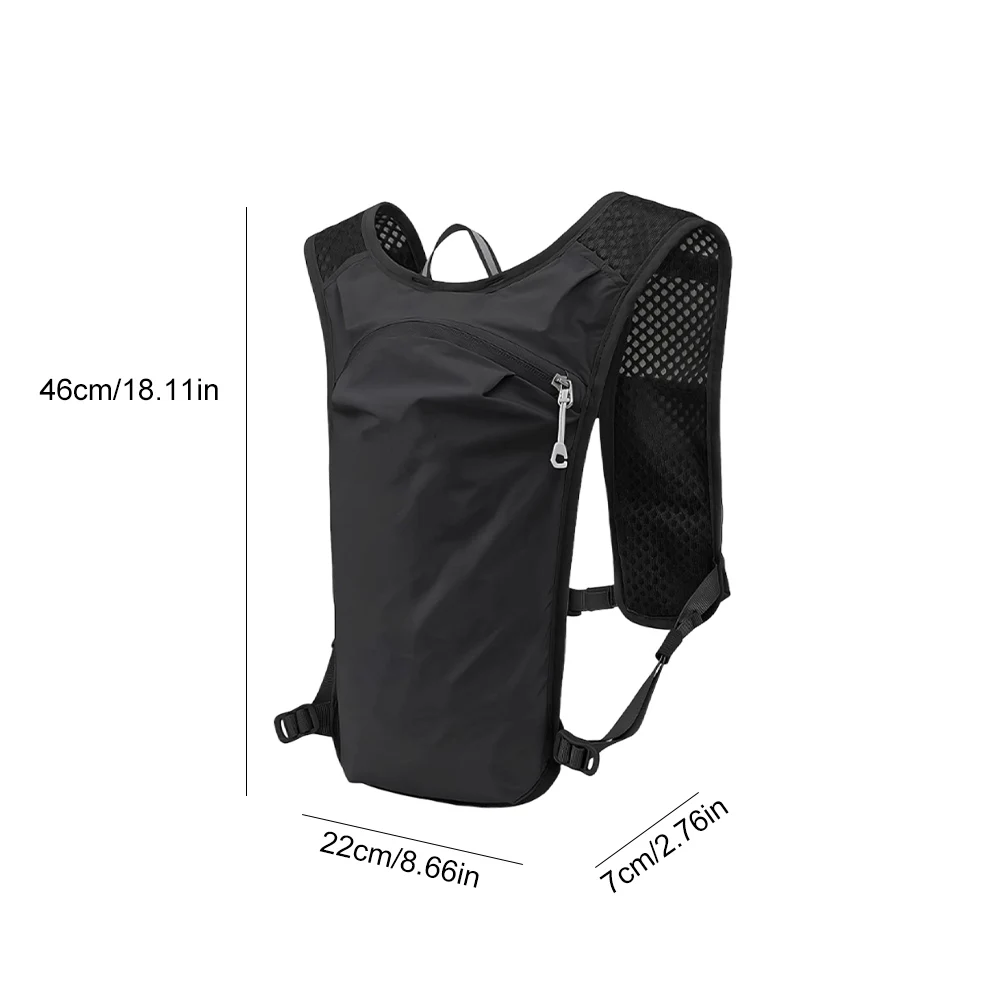
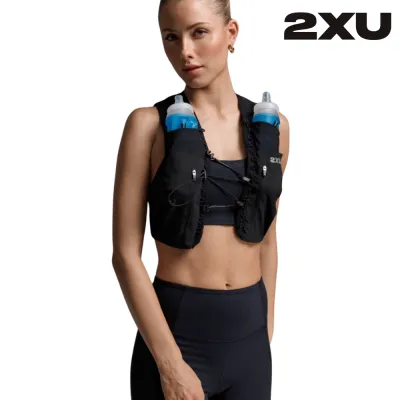
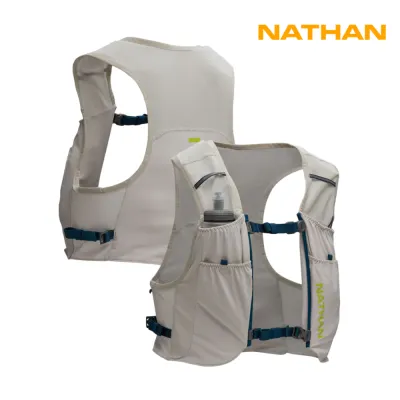
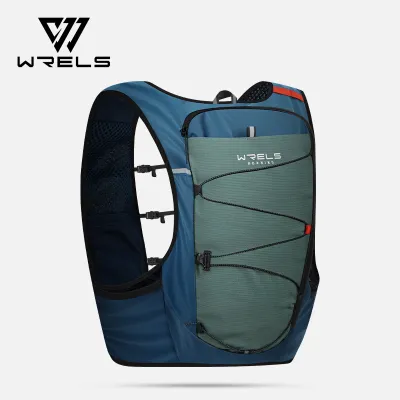
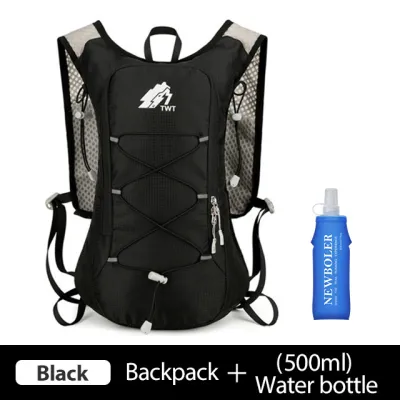
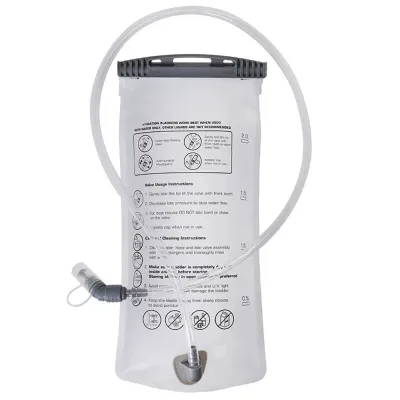
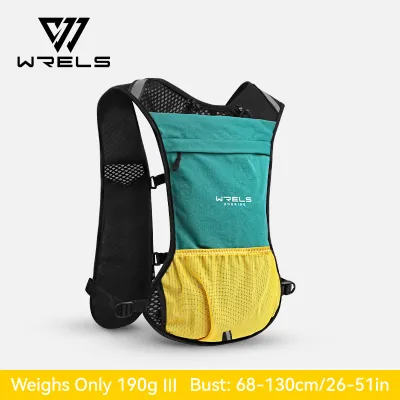
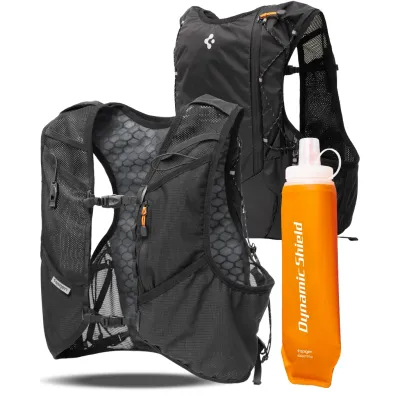
Prices are valid at publication and may change. Please refer to the product page for the latest price.
Back panel construction generally falls into three categories: full-coverage fabric, channeled foam, or open-back designs. Full-coverage panels offer maximum contact and load distribution but trap more body heat. Channeled foam panels use molded ridges to create physical air gaps between your spine and the reservoir, allowing hot air to rise and escape. Open-back designs cut away the material entirely along the spine or lower back, leaving only thin structural straps to hold the gear.
The fabric touching your body is usually either 3D air mesh or flat monofilament mesh. 3D air mesh uses a multi-layered weave with tiny vertical fibers that create a springy, cushioned gap. This structure acts like a pump, drawing moisture away from your shirt while allowing air to circulate through the chambers. Flat monofilament mesh is incredibly thin, hydrophobic, and resembles a fine screen. It absorbs almost no water and allows maximum direct airflow, but it lacks cushioning and can feel abrasive if worn directly against the skin.
Wide, load-bearing harness straps distribute weight evenly across the chest and shoulders, which is essential for carrying heavy water flasks without bouncing. However, wider straps cover more skin surface area, trapping heat on your chest. Minimalist strap designs use narrow, highly porous bands that prioritize skin exposure at the cost of carrying capacity and stability.
In high-humidity environments, passive airflow is severely limited because the air is already thick with moisture. Therefore, look for meshes that do not retain water; a wet, heavy vest acts as an insulating barrier, raising your core temperature. Verify these material specifications on product tags or manufacturer websites before purchasing.
How Top Running Brands Approach Vest Ventilation
Different manufacturers prioritize different aspects of the trade-off between carrying capacity, stability, and ventilation. Understanding these design philosophies helps you predict how a vest will perform in hot weather.

Salomon: 3D Mesh and Form-Fitting Breathability
Salomon’s design philosophy centers on a vest that acts as an extension of your apparel. Their signature construction utilizes highly elastic, body-hugging fabrics paired with multi-layered 3D air mesh on the inner panels. This form-fitting approach ensures that the vest moves in perfect sync with your torso, virtually eliminating bounce and friction. The 3D mesh is highly effective at capillary action—it rapidly pulls sweat away from your skin or shirt and spreads it across a wider surface area for evaporation.
However, this comprehensive coverage comes with a distinct trade-off. Because the vest wraps tightly around your chest, ribs, and upper back, it leaves very little exposed skin. In stagnant, humid air, this tight fit can create a warm microclimate around your torso. It is a system optimized for long-term comfort, sweat transport, and load stability rather than raw, direct air cooling.
CamelBak: Structured Airflow and Harness Systems
CamelBak approaches ventilation from a structural standpoint, often designing their vests around the physical presence of a water reservoir or rigid gear storage. To combat the heat trapped by a heavy water bladder, they frequently employ engineered back panels with deep ventilation channels or raised foam pods. These structures physically lift the main body of the vest away from your spine, creating a chimney effect where hot air can escape upward as you move.
The harness systems are typically constructed from rugged, wide-gauge mesh that maintains its shape under load. While this structure prevents the vest from sagging and compressing the air gaps, the materials tend to be slightly heavier and bulkier than minimalist alternatives. This makes CamelBak vests highly reliable for carrying larger fluid volumes comfortably, though the added material weight can feel warmer during high-intensity efforts in extreme heat.
Ultimate Direction & Nathan: Minimalist and Open-Back Designs
Ultimate Direction and Nathan frequently cater to runners seeking maximum weight savings and direct skin cooling by utilizing minimalist geometries and open-back architectures. Many of their hot-weather models feature cut-out back panels, low-profile necklines, and narrow shoulder straps. By stripping away non-essential fabric from the spine and shoulder blades, these brands maximize the surface area of your skin exposed directly to the ambient air.
The mesh materials used are often ultra-lightweight, non-absorbent monofilaments that do not hold onto sweat. While these designs excel at keeping you cool during short, fast efforts in intense heat, they require precise packing. Because there is less structural fabric to distribute the load, carrying heavy flasks or gear in a minimalist vest can lead to localized pressure points or bouncing if the weight is not perfectly balanced.
Decision Framework: Choosing the Right Vest for Your Run
To select the ideal hydration vest, you must match the brand’s design strengths to your specific running conditions, distance, and physical needs. Use this conditional framework to guide your decision:
Choose a minimalist or open-back design (such as select Nathan or Ultimate Direction models) if:
- Your primary running venue is hot, humid, and lacks wind, such as urban paths or dense jungle trails in Singapore.
- Your typical runs are under two hours, requiring you to carry only a moderate amount of fluids (e.g., two 500ml soft flasks) and minimal gear.
- You prioritize immediate, direct skin cooling and want to minimize the total surface area covered by fabric.
- You are comfortable with a slightly firmer, less elastic fit in exchange for maximum weight reduction and airflow.
Choose a 3D mesh, form-fitting design (such as Salomon’s high-end vest lines) if:
- You are training for ultra-marathons, long trail runs, or self-sustained endurance events where you will be wearing the vest for many hours.
- You need to carry a full gear list, including hydration flasks, a phone, nutrition, a lightweight jacket, and safety gear, requiring absolute load stability and zero bounce.
- Your skin is highly sensitive to chafing; the continuous, elastic contact of a form-fitting vest prevents the fabric from rubbing against your skin as you breathe and run.
- You prioritize active sweat-wicking and moisture transport over direct wind-to-skin exposure.
Choose a structured, channeled-airflow design (such as CamelBak) if:
- You prefer carrying a large fluid reservoir (1.5 to 2 liters) on your back rather than carrying multiple soft flasks on your chest.
- You want a physical barrier or air gap between the cold water reservoir and your warm back to prevent condensation from soaking your clothes.
- You value durable, structured materials that maintain their shape and support even when fully loaded with heavy gear.
In Singapore’s tropical climate, where relative humidity regularly exceeds 80%, passive evaporation is extremely slow. Therefore, if you choose a full-coverage vest, prioritize models with hydrophobic meshes that do not absorb water, as a waterlogged vest will quickly become heavy, sag, and trap heat. Always monitor your hydration levels and heart rate when running in extreme heat, and stop immediately if you experience dizziness, nausea, or chills.
Fit, Chafing, and Maintaining Vest Breathability
Even the most technologically advanced, breathable mesh will fail to keep you cool if the vest does not fit your body correctly. A vest that is adjusted too tightly will compress the 3D air mesh, flattening the microscopic chambers that allow air to circulate and sweat to wick. Conversely, a vest that is too loose will bounce and slide with every stride. This movement creates friction, leading to severe chafing, and causes the fabric to bunch up, trapping pockets of hot, stagnant air against your skin.
To achieve the optimal balance of airflow and stability, adjust your vest while it is fully loaded with water and gear. Start by tightening the side adjustment straps (if present) to pull the load close to your center of gravity, then secure the sternum straps. The sternum straps should be snug enough to prevent lateral bouncing but elastic enough to allow your chest to expand fully when breathing hard. If you feel restricted or notice the fabric bunching, loosen the straps slightly to let the mesh panels sit flat against your torso.
Maintaining the physical integrity of the mesh is crucial for long-term performance. Sweat contains salt, body oils, and minerals that dry inside the tiny pores of the mesh fabric. Over time, these microscopic deposits crystallize, clogging the air pathways and turning soft, flexible mesh into a stiff, abrasive surface that traps heat and scrapes against your skin.
To prevent this, rinse your hydration vest in cool, clean water after every single run. For a deeper clean, hand wash the vest using a mild, technical fabric detergent. Avoid using standard household detergents, bleach, or fabric softeners, as these chemicals leave behind residues that coat the fibers, destroying their hydrophobic and moisture-wicking properties. Always hang the vest to air dry in a well-ventilated, shaded area; never place it in a mechanical dryer, as high heat can warp the elastic fibers and damage the structural laminates.
Frequently Asked Questions (FAQ)
Does a hydration vest's breathability decrease over time?
Yes, a hydration vest can lose its ventilation efficiency if it is not properly maintained. During a run, the mesh panels absorb sweat, body oils, dead skin cells, and environmental dust. When the water evaporates, it leaves behind salt crystals and oily residues that clog the microscopic spaces between the fabric fibers. This build-up restricts airflow and prevents the mesh from wicking moisture effectively. To restore the vest’s original breathability, hand wash it regularly in lukewarm water with a gentle, residue-free technical wash. Avoid fabric softeners, which coat the fibers in a water-repellent film that permanently impairs sweat absorption. Always air dry the vest completely before storing it.
Should I wear a shirt under a breathable hydration vest in hot weather?
While going shirtless under a hydration vest maximizes direct skin exposure and airflow, it is generally not recommended for long or intense runs. The seams, zippers, and structural edges of a loaded vest rub continuously against your skin as you move, which can cause severe friction burns and chafing in hot, humid conditions. Wearing an ultra-thin, seamless technical shirt made of synthetic, moisture-wicking fibers provides a protective barrier that absorbs sweat and prevents direct skin-to-vest friction. Additionally, a high-quality technical shirt helps pull sweat away from your body and distributes it to the vest’s mesh panels, actually facilitating faster overall evaporation than bare skin in highly humid environments.
Community discussion
Share your experience or ask a question. Comments are reviewed before publication.