
Quick Verdict: Finding the Most Breathable Arm Band for Your Runs
When choosing a running arm band for men, breathability is not determined by a brand’s logo but by its material engineering and physical architecture. No single brand universally dominates this category because performance depends heavily on the specific construction of each model. For runners prioritizing maximum airflow in hot, humid conditions, mesh panels and laser-cut synthetic fabrics offer the highest level of direct ventilation. If you require a balance of active sweat management and a secure, bounce-free fit, moisture-wicking compression sleeves are highly effective. Conversely, traditional solid neoprene bands excel at shock absorption and water resistance but tend to trap heat and sweat, making them uncomfortable for high-intensity runs in warm weather.
What Actually Makes a Running Arm Band Breathable?
To understand how an arm band manages heat, you must look at how its materials and design interact with your body’s natural cooling mechanisms. During exercise, your body relies on the evaporation of sweat to regulate its core temperature. When an accessory blocks this evaporation, heat builds up rapidly, leading to discomfort and increased cardiovascular strain.

Fabric Composition
The primary factor in breathability is the fiber blend used in the band. High-performance arm bands utilize synthetic fibers such as polyester, nylon, and elastane (spandex). These materials are naturally hydrophobic, meaning they do not absorb water into their core. Instead, they allow moisture to pass through the spaces between the fibers to evaporate. Cotton and other hydrophilic materials must be avoided, as they absorb moisture, become heavy, sag, and cause severe friction against the skin.
Products mentioned in this guide
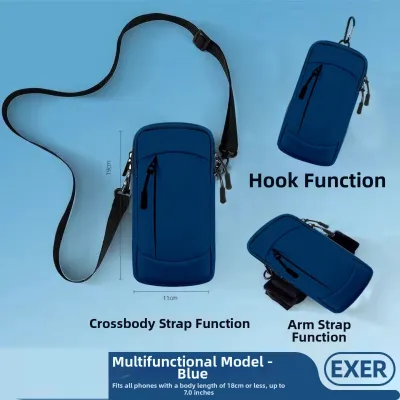
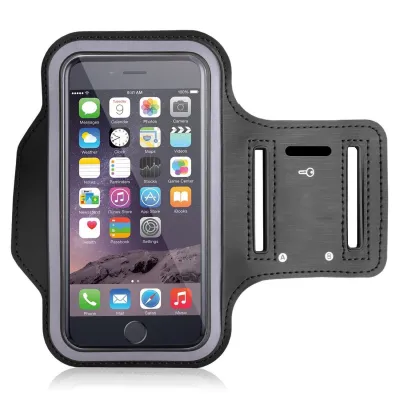
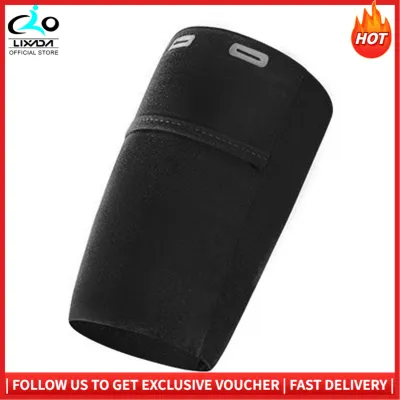
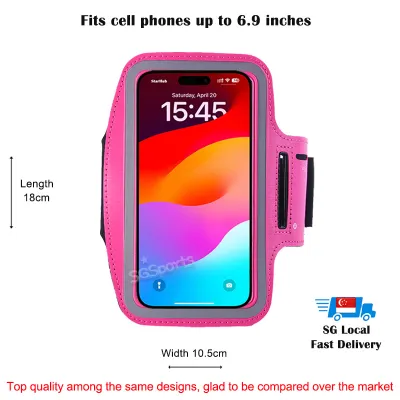
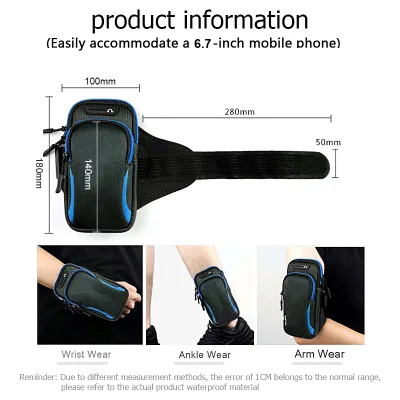
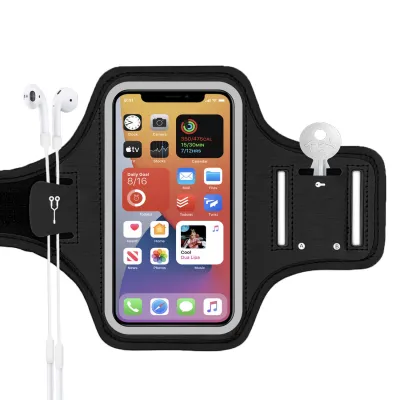
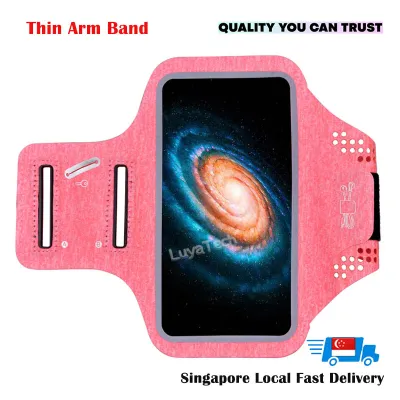
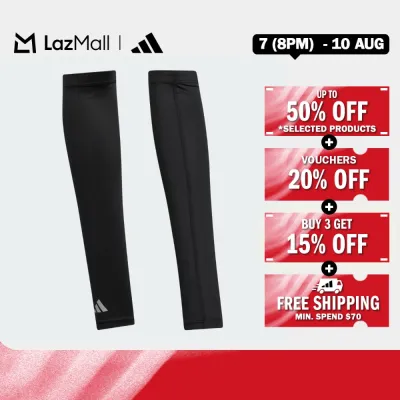
Prices are valid at publication and may change. Please refer to the product page for the latest price.
Structural Design
Airflow requires physical pathways to escape. Advanced arm bands incorporate specific design features to facilitate this cross-ventilation:
- Laser-Cut Perforations: Microscopic holes cut directly into the fabric allow air to reach the skin without compromising the structural strength or elasticity of the band.
- Mesh Paneling: Open-weave mesh fabrics provide the least resistance to airflow, allowing wind generated by your running motion to cool the arm directly.
- Open-Back Compartments: Many modern designs feature a minimalist frame that holds the phone securely while leaving the back of the device exposed, preventing a large, impermeable block of plastic or metal from resting directly against your bicep.
Fit and Compression
For men, the fit of an arm band must accommodate the natural contraction and expansion of the bicep during a run. If a band is too tight, it compresses the skin, restricts local circulation, and traps a layer of hot air and sweat underneath. If it is too loose, the constant shifting creates friction. When combined with moisture, this friction breaks down the skin’s outer barrier, leading to painful chafing. A breathable arm band must distribute elastic tension evenly over a wider surface area, maintaining a secure grip without requiring excessive compression.
Comparing Arm Band Materials for Moisture Management
Different materials offer distinct trade-offs between ventilation, stability, and protection. Choosing the right material requires matching these characteristics to your running environment and personal preferences.
Mesh and Laser-Cut Synthetics
These materials are engineered specifically for maximum airflow and weight reduction. By utilizing highly porous structures, they allow sweat to evaporate almost instantly, keeping the skin dry and cool. This makes them highly suitable for high-heat environments or indoor treadmill sessions where ambient air movement is limited.
However, these lightweight structures come with clear trade-offs. Mesh and highly perforated fabrics are inherently less durable than solid materials and can stretch out or tear over time if subjected to rough handling. They also offer minimal protection against external elements; a sudden downpour or heavy sweat will easily penetrate the fabric and reach your device. Additionally, because these materials have less physical structure, they require high-quality elastic components to prevent the phone from bouncing during high-impact strides.
Moisture-Wicking Compression Fabrics
Compression sleeves made from engineered synthetic blends manage moisture through capillary action. The fabric is knit in a way that creates a pressure differential between the inner and outer layers. The inner layer draws sweat away from the skin, while the outer layer spreads the moisture across a large surface area to accelerate evaporation.
This material is highly practical for outdoor road and trail running. It provides a secure, low-profile fit that conforms to the arm’s shape, eliminating the need for bulky straps, buckles, or plastic adjusters. Because the entire sleeve contacts the arm, it distributes the weight of the phone evenly, reducing bounce. The main consideration is fabric thickness; runners should select ultra-thin, lightweight compression sleeves, as thicker winter-weight compression fabrics will trap too much heat in warm climates.
Neoprene and Solid Elastomers
Neoprene is a synthetic rubber historically favored for running accessories due to its excellent cushioning, durability, and water resistance. It provides a protective barrier that shields your phone from sweat and light rain.
The significant drawback of solid neoprene is its thermal insulation. Neoprene acts as a barrier to both air and moisture, trapping sweat against the skin and creating a hot, humid microclimate around your arm. While some manufacturers offer perforated neoprene to improve airflow, the core material remains largely impermeable. Solid elastomers and thick neoprene bands are generally unsuitable for warm-weather running, though they remain viable for cold, wet conditions where protecting the device from heavy rain and keeping the arm insulated are the primary goals.
How Top Running Brands Approach Sweat and Airflow
Athletic accessory manufacturers address the challenges of heat and moisture management through distinct design philosophies. Understanding these approaches helps you evaluate individual products more effectively.
Major Athletic Brands
Global athletic brands like Nike and Under Armour typically integrate their established apparel technologies into their running accessories. For example, Nike’s arm bands frequently incorporate Dri-FIT technology, which utilizes specialized polyester microfibers to disperse sweat across the fabric surface. Under Armour utilizes HeatGear fabrics, designed to keep athletes cool and dry in hot conditions.
These brands generally design structured arm bands that feature a clear plastic pocket to protect the phone’s screen, combined with a soft, adjustable strap. While these designs offer excellent device protection and touch-screen compatibility, the plastic window itself is completely impermeable. To compensate, these brands often use textured, molded backings or mesh linings on the side of the band that contacts the arm. When choosing a band from a major brand, look for models that minimize the size of the plastic pocket and maximize the use of ventilated strap materials.
Specialized Running Accessory Brands
Specialist brands focus heavily on solving the physical challenges of carrying gear while running. Brands such as FlipBelt, Sprigs, and Tune Belt often take a more minimalist, structural approach to breathability.
FlipBelt and Sprigs have popularized the tubular fabric sleeve design. These bands eliminate plastic screens, heavy buckles, and hook-and-loop fasteners entirely. Instead, they consist of a continuous loop of high-performance spandex or nylon blend that slips over the arm, holding the phone flat against the bicep. This design maximizes breathability by using thin, uniform fabric that allows air to pass through easily. Other specialists, like Tune Belt, design traditional pocket-style bands but use specialized, lightweight neoprene alternatives or incorporate deep ventilation channels into the foam backing to allow heat to escape from behind the phone.
Checking the Construction
Regardless of the brand name, you should always inspect the specific material composition and construction of the arm band before purchasing. Brands often produce multiple models tailored for different climates and activities. A premium brand name does not guarantee comfort if the specific model is designed with thick, insulated materials for cold-weather running. Look for clear indications of ventilation, such as mesh panels, perforated straps, and lightweight synthetic blends.
Choosing the Right Arm Band for Singapore's Humid Climate
Running in Singapore presents severe physiological challenges due to the tropical climate. With temperatures consistently exceeding 30°C and relative humidity levels frequently above 80%, the air is already saturated with moisture. This high humidity severely limits the rate at which sweat can evaporate from your skin, making effective gear selection critical for comfort and safety.
The Risk of Trapped Moisture
When you run in high humidity, your body produces a large volume of sweat that cannot evaporate quickly. If you wear an arm band made of non-breathable materials like solid neoprene, sweat pools underneath the band. This constant wetness softens the skin—a process known as maceration—making it highly susceptible to friction. The constant rubbing of the wet band against softened skin quickly leads to painful chafing, redness, and heat rashes.
Recommended Design Features
To stay comfortable during humid runs in Singapore, prioritize the following features:
- Minimal Skin Contact: Choose open-back designs or minimalist straps that cover as little skin as possible.
- Ultra-Thin Compression: If you prefer a sleeve-style band, ensure it is made from an ultra-thin, lightweight synthetic blend designed specifically for hot weather.
- Light Colors: Opt for lighter fabric colors (such as grey, white, or high-visibility yellow) which absorb less radiant heat from the sun compared to standard black bands.
- Seamless Construction: Look for bands with flatlock seams or seamless edges to minimize friction points on your bicep.
Critical Maintenance for Humid Climates
In Singapore’s climate, your arm band will become completely saturated with sweat after every single run. This sweat contains salts, minerals, and skin oils. When the water evaporates, these solids remain trapped in the fabric. Over time, salt buildup clogs the microscopic pores of moisture-wicking materials, drastically reducing their breathability and elasticity. Furthermore, a warm, damp arm band is an ideal breeding ground for bacteria and fungi, which can cause unpleasant odors and skin infections.
To maintain the performance and hygiene of your gear, you must wash your arm band thoroughly after every run. Rinse it in fresh water immediately after your workout to remove salt before it dries, and wash it regularly according to the manufacturer’s care instructions.
Safety and Heat Awareness
When running in Singapore’s intense heat and humidity, equipment cannot replace proper physical preparation, hydration, and judgment. High humidity increases the risk of heat-related illnesses, such as heat exhaustion and heat stroke. Always monitor your physical condition. If you experience symptoms such as dizziness, lightheadedness, nausea, or a sudden cessation of sweating, stop running immediately, find a shaded or air-conditioned area, hydrate, and seek medical attention if symptoms persist.
Final Decision Framework: Which Arm Band Should You Buy?
To make the best choice for your running routine, match your selection to your primary running environment, sweat levels, and comfort priorities.
- Choose Mesh or Open-Back Designs if: You prioritize maximum airflow above all else, run primarily during the hottest parts of the day, or perform your workouts on indoor treadmills where ambient air movement is limited. These designs keep skin coverage to an absolute minimum and allow sweat to evaporate quickly.
- Choose Moisture-Wicking Compression Fabrics if: You require a highly secure, bounce-free fit for outdoor road or trail running. These bands are excellent if you want a low-profile design that moves naturally with your arm and actively pulls sweat away from your skin.
- Avoid Solid Neoprene if: You sweat heavily, run in high-humidity tropical environments, or are prone to skin irritation and chafing. Save neoprene options for cold-weather runs or situations where shielding your device from heavy rain is your primary concern.
- Verify First if: You have sensitive skin or specific allergies. Always check the manufacturer's material tag to ensure the fabric and elastic components do not contain latex or harsh synthetic dyes that could cause a reaction when mixed with sweat.
Frequently Asked Questions (FAQ)
Can I wash my running arm band in the washing machine?
You should always check the manufacturer’s care label first, but most high-quality running arm bands can be safely machine-washed. Place the arm band inside a mesh laundry bag to protect the elastic fibers and plastic components from catching on the machine’s drum. Wash on a gentle cycle using cold water and a mild detergent. Never use fabric softeners, as they leave a thin chemical residue that clogs the moisture-wicking pores of synthetic fabrics, permanently reducing their breathability. Always air-dry the band; the high heat of a tumble dryer will warp plastic windows and degrade the elastic fibers.
Is a running waist belt more breathable than an arm band?
Yes, many runners find that a running waist belt is a more breathable carrying solution than an arm band. While a waist belt covers a portion of your waist, it distributes the weight of your phone and keys around your center of gravity, which reduces bounce and keeps your arms completely free. The natural swinging motion of your arms during a run creates airflow that helps cool your upper body; placing a thick, non-breathable band on your bicep disrupts this natural cooling process. If you find arm bands uncomfortably hot or restrictive, a lightweight, moisture-wicking waist belt is an excellent alternative.
Community discussion
Share your experience or ask a question. Comments are reviewed before publication.