
Quick Verdict: Which Running Belt Style Suits Hot Weather Best?
When running in hot, humid conditions, choosing the right running belt is the difference between a comfortable, focused workout and a miserable session plagued by heat rash and chafing. While many runners search for a specific brand to solve their ventilation issues, the reality is that breathability depends far more on the belt’s structural design and material engineering than the logo printed on the front. To find the optimal gear for warm weather, you must evaluate how a belt manages heat dissipation, sweat transport, and physical contact with your skin.
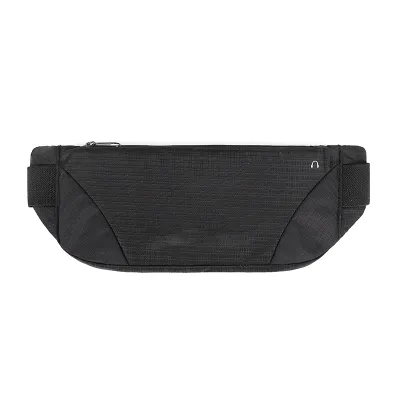
Tubular stretch belts offer excellent stability and even compression around your hips, making them a favorite for carrying heavier loads without bouncing. However, because they wrap around your entire midsection like a continuous band, they can act as an insulating layer that traps body heat if the fabric is too thick or lacks dedicated ventilation zones. If you choose a tubular style, you must prioritize models constructed with high-gauge mesh panels or engineered moisture-wicking synthetic yarns that actively facilitate airflow.
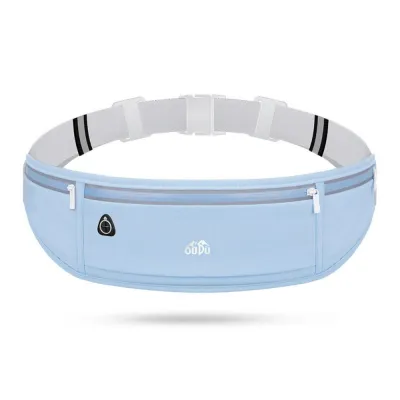
Adjustable strap belts, on the other hand, feature a traditional pouch secured by a narrow elastic band and a plastic buckle. This design inherently covers less skin, leaving a large portion of your waist completely exposed to the air for natural cooling. The trade-off is that the storage pouch itself is often made of water-resistant, non-breathable fabric to protect your electronics, which can create a localized sweat pocket against your lower back or abdomen. To counter this, look for strap belts that incorporate laser-cut ventilation holes and breathable spacer-mesh backings.
Products mentioned in this guide
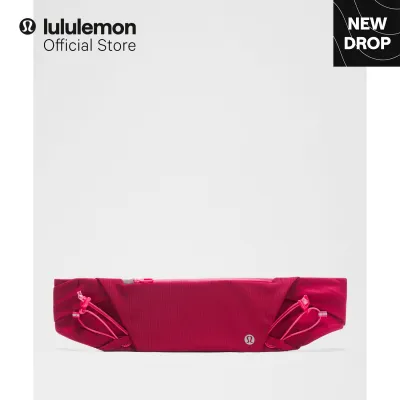
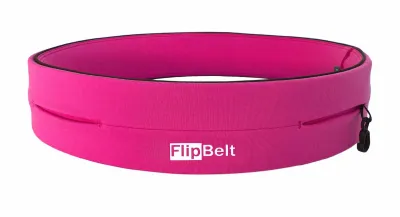
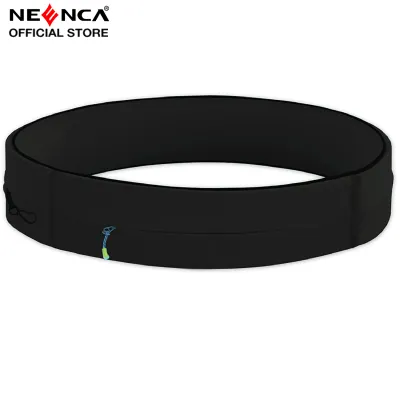
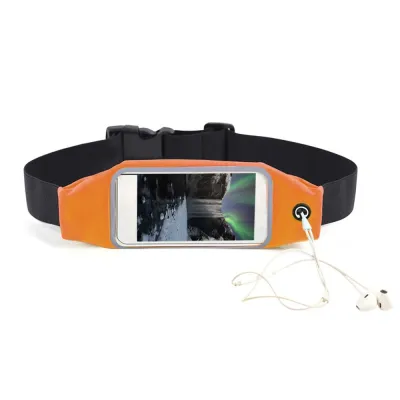
Prices are valid at publication and may change. Please refer to the product page for the latest price.
For hot-weather runs, you should always prioritize lightweight, moisture-wicking synthetic blends and laser-cut perforations over thick neoprene or cotton-blend fabrics. Neoprene is designed for insulation and water resistance, meaning it will trap heat and sweat against your body, while cotton absorbs moisture and stays wet, leading to severe friction. By focusing on structural ventilation and advanced fabric construction, you can keep your core temperature down and your skin dry during the most demanding warm-weather workouts.
Key Breathability Features to Check Before Buying
Material Composition
Polyester and nylon blends mixed with a low percentage of elastane are the gold standard for hot-weather running gear. Polyester is naturally hydrophobic, meaning it absorbs less than one percent of its weight in water, allowing it to pull sweat away from your skin and spread it across the fabric surface for rapid evaporation. Nylon is exceptionally strong and lightweight, making it ideal for creating thin, highly durable mesh structures that stand up to the friction of running. Elastane provides the necessary stretch to keep your gear secure, but because elastane fibers retain heat and moisture, high-quality warm-weather belts keep this percentage low—typically under fifteen percent—or isolate it to specific stretch panels.

Avoid cotton and thick neoprene entirely when running in high temperatures. Cotton is highly hydrophilic, absorbing up to twenty-five times its weight in water, which causes the belt to become heavy, saggy, and highly abrasive against your skin. Neoprene, while excellent for protecting gear from external water, acts as a thermal barrier that traps your body heat and prevents sweat from escaping. Running with a neoprene belt in the heat quickly creates a highly uncomfortable, sweat-soaked microclimate that can lead to skin irritation.
Fabric Construction
The way a fabric is woven plays a critical role in how well it breathes. Solid, tightly knit stretch fabrics provide excellent durability and hold heavy items securely, but they block airflow and trap heat. Open-mesh panels use a porous, net-like weave that allows air to circulate directly to your skin, helping to cool your core as you move. Many premium running belts now employ laser-cut perforations, which are tiny, computer-precise holes melted into solid stretch fabrics. This manufacturing technique maintains the structural integrity and pocket security of a solid knit while creating dedicated exhaust paths for heat and moisture to escape.
Contact Surface Area
The physics of heat transfer dictate that the more skin a fabric covers, the more heat it will trap. A wide tubular belt, typically measuring ten to twelve centimeters, distributes the weight of your gear beautifully across your pelvis, which eliminates bouncing and pressure points. However, wrapping a wide band of fabric around your entire waist acts like an insulating corset in hot weather. Conversely, a narrow strap belt measuring three to five centimeters minimizes skin coverage, allowing the rest of your midsection to stay cool. The trade-off is that narrow straps concentrate the weight of your items, which can cause the belt to bounce or dig into your hips unless it is pulled uncomfortably tight.
Hardware and Buckles
Large plastic buckles, thick adjustment sliders, and heavy Velcro strips are completely non-breathable. When these components sit tightly against your skin or thin apparel, they block airflow entirely and create sweat dams—localized areas where moisture pools and cannot evaporate. This constant moisture, combined with the friction of your running stride, leads to rapid skin softening and painful chafing. For hot weather, prioritize belts with seamless construction, low-profile flat-lock seams, or soft, integrated hook-and-loop closures that minimize bulk and physical contact points.
Comparing Popular Running Belt Designs for Ventilation
Tubular Stretch Belts
Tubular stretch belts are designed as a continuous, step-in loop of elastic fabric that sits snugly around the waist or hips. They feature multiple pocket openings around the perimeter, allowing you to slide in phones, keys, energy gels, and even soft hydration flasks. Because they distribute weight evenly around your entire pelvis, they are incredibly stable and virtually bounce-free, making them highly popular for long-distance training runs.
However, the full-coverage design means a wide band of fabric completely wraps your midsection. In hot and humid conditions, if the fabric is too thick or lacks ventilation zones, it will quickly saturate with sweat, trapping heat and making you feel significantly warmer. The lack of adjustable straps also means you must get the sizing exactly right; a belt that is too tight will compress wet fabric hard against your skin, while a loose belt will slide and cause friction.
To combat heat retention, look for tubular belts engineered with dual-layer construction. The inner layer facing your skin should consist of an open, high-gauge mesh that promotes airflow, while the outer layer provides the necessary tension to hold your gear secure. Some designs incorporate zone-specific ventilation, using highly breathable mesh on the back panel where sweat accumulation is highest, and stronger stretch fabrics on the front to support heavier items.
Adjustable Strap and Buckle Belts
Adjustable strap belts feature a central zippered or hook-and-loop pouch attached to an adjustable elastic strap, secured by a plastic buckle or low-profile clip. This is the traditional running belt design, built to carry a phone and a few small essentials. The primary advantage of this style in hot weather is minimal skin coverage, as the narrow strap allows air to circulate freely around most of your waist.
Despite the excellent airflow around the strap, the pouch itself can become a significant sweat trap. To protect electronic devices from rain and sweat, manufacturers often construct these pouches from water-resistant or waterproof materials. This non-breathable barrier sits directly against your lower back or abdomen, creating a localized hot spot where sweat pools rapidly against your skin.
When evaluating adjustable strap belts, seek out designs that feature a breathable spacer-mesh backing on the rear of the pouch. Spacer mesh is a three-dimensional knit fabric that creates a physical gap between the pouch and your body, allowing air to flow through the channel and sweat to drain away. Additionally, look for straps made of perforated elastic or lightweight webbing with integrated laser-cut ventilation holes to maximize airflow along the sides of your waist.
Minimalist Adhesive or Band Belts
Minimalist carrying systems are designed to hold only the bare essentials. They may consist of extremely thin, single-layer elastic bands, lightweight clip-on pouches that attach directly to the waistband of your shorts, or temporary adhesive pockets. By eliminating almost all fabric and hardware, these designs offer the highest possible ventilation, leaving your skin almost entirely unobstructed.
The clear drawback to these minimalist designs is extremely limited storage capacity. You cannot carry a phone, water flask, or multiple energy gels; these belts are strictly for a single key, an ID card, or a small gel packet. Additionally, in high-sweat conditions, thin elastic bands can twist, roll up, or dig into the skin, while adhesive options may lose their grip as sweat breaks down the medical-grade glue.
These minimalist options are ideal for short, high-intensity workouts, track sessions, or local races where water stations are readily available and your cargo needs are minimal. They allow you to focus entirely on your pace without the weight or heat retention of a traditional belt.
Managing Sweat and Chafing in High-Humidity Climates
The Humidity Factor
In tropical regions like Singapore, the challenges of hot-weather running are compounded by extreme humidity. When relative humidity levels exceed eighty percent, the air is already saturated with water vapor, which physically prevents sweat from evaporating off your skin. Because evaporation is your body’s primary method of shedding heat, you will sweat more profusely as your body struggles to cool down. In this environment, a running belt’s ability to dry quickly is secondary to its ability to move moisture. You need a belt that excels at capillary action—rapidly pulling liquid sweat away from your skin and spreading it across the outer surface of the fabric, where it can drain or evaporate as much as the humid air allows, rather than pooling against your body.
Preventing Chafing
Chafing occurs when wet skin is subjected to repetitive friction, and high humidity accelerates this process. To protect your skin during humid runs, apply a high-quality, water-resistant anti-chafe balm or gel to your waistline and hip bones before putting on your belt. Ensure your belt is adjusted to fit snugly; a belt that is too loose will bounce and slide with every stride, creating micro-abrasions that quickly turn into painful chafing, while a belt that is too tight will constrict breathing and compress wet fabric hard against the skin.
Establish a strict maintenance routine by washing your running belt after every single run. When sweat evaporates, it leaves behind sharp sodium chloride crystals. If you wear a dirty belt on your next run, these dried salt crystals act like sandpaper against your skin. Sweat also contains body oils and acids that degrade elastane fibers over time, causing the belt to sag, lose its supportive tension, and bounce more during your runs.
Skin Care
Running in wet, heat-trapping gear increases the risk of developing heat rash, also known as miliaria, or contact dermatitis. Heat rash occurs when sweat ducts become blocked, trapping perspiration beneath the skin and causing itchy, red bumps, which is especially common under wide, non-breathable belts. Contact dermatitis can occur when synthetic dyes, chemical water-repellent treatments, or laundry detergent residues leach out of the belt’s fabric when soaked in sweat. To minimize this risk, always wash a newly purchased running belt before wearing it for the first time, and use a hypoallergenic, fragrance-free detergent. If you notice persistent redness, itching, or bumps after a run, give your skin time to heal, switch to a more breathable or narrower belt style, and consult a medical professional if the irritation persists.
Decision Framework: Match the Belt to Your Run and Gear
Choose a Tubular Stretch Belt if:
- Long-Distance Training: You are embarking on a long-distance training run where you must carry multiple items, including a large smartphone, keys, energy gels, and a soft hydration flask.
- Even Weight Distribution: You prefer a highly stable, bounce-free fit that distributes weight evenly around your hips without creating pressure points.
- Ventilated Materials: You select a premium model that specifically features lightweight, high-gauge mesh ventilation panels or zone-mapped fabrics designed to release heat.
Choose an Adjustable Strap Belt if:
- Maximum Airflow: You want to maximize overall airflow around your waist and keep as much skin exposed to the air as possible.
- Lightweight Gear List: Your gear list is relatively light—perhaps just a phone and a single key—meaning you do not need the extensive storage capacity of a tubular belt.
- Spacer-Mesh Backing: You choose a model that incorporates a breathable spacer-mesh backing on the pocket and laser-cut ventilation holes along the elastic strap to prevent sweat pooling.
Choose a Minimalist Band if:
- Short, Fast Workouts: You are performing a short, fast workout, a track session, or a race where hydration is provided along the route.
- Minimal Cargo: Your only cargo is a single key, an emergency card, or a single energy gel.
- Zero Bulk: You prioritize absolute freedom of movement and zero excess fabric over storage capacity.
Verify First if:
- Sensitive Skin: You have highly sensitive skin or a history of severe chafing in humid weather.
- Material Composition: Inspect the manufacturer's material composition tags to verify the belt is free of thick neoprene, heavy rubberized backings, or rough internal seams.
- Test Runs: Before committing a new belt to a long, high-stakes training run, perform a short, low-stakes test run of three to five kilometers to evaluate how the fabric behaves when saturated with sweat and how it interacts with your skin.
Frequently Asked Questions (FAQ)
Can I wash my running belt in a washing machine to remove sweat?
Yes, but you must take specific precautions to protect the technical fabrics. Always check the manufacturer’s care label first. If machine washing is permitted, place the belt inside a mesh laundry bag to prevent the delicate mesh and elastic from catching on the machine’s drum or other garments. Use a gentle, cold-water cycle with a mild detergent, and avoid fabric softeners, which leave a chemical coating that clogs the fabric’s pores and destroys its moisture-wicking capabilities. Never put a running belt in a clothes dryer; the high heat will melt or degrade the elastane fibers, permanently ruining the belt’s elasticity and fit. Instead, hang it up to air dry in a well-ventilated, shaded area.
Does the color of the running belt affect how hot it feels?
While dark colors absorb more solar radiation than light colors, the practical impact on a running belt is minimal. Because a running belt is worn low on the waist, it is frequently shaded by your torso, your arms, or your running shirt. Furthermore, the total surface area of a belt is relatively small compared to your shirt or shorts. The material’s physical breathability, knit construction, and moisture-wicking performance have a vastly superior impact on your thermal comfort than its color. Focus on finding a belt made of highly ventilated mesh rather than worrying about whether it is black or white.
Are neoprene running belts good for hot weather?
No, traditional thick neoprene is highly unsuitable for hot-weather running. Neoprene is a synthetic rubber material designed primarily for insulation and water resistance, which is why it is commonly used in wetsuits. While it is highly durable and protects your gear from sweat, it acts as a complete thermal barrier that traps your body heat and prevents sweat from evaporating or draining away. Running with a neoprene belt in hot, humid conditions will quickly create a highly uncomfortable, sweat-soaked microclimate against your skin, leading to rapid overheating and severe chafing. For warm weather, always choose lightweight, perforated synthetic fabrics or open-mesh designs.
Community discussion
Share your experience or ask a question. Comments are reviewed before publication.