
Selecting the correct muay thai glove weight is one of the most critical decisions you will make for your training, directly impacting your hand safety, your training partner’s safety, and your overall performance. The weight of a Muay Thai glove is measured in ounces (oz), which represents the total amount of padding packed into the glove rather than just the physical size of the hand compartment. To choose the right weight, you must match the glove’s specifications to your specific training activity—whether that is hitting Thai pads, working the heavy bag, or engaging in live sparring—while also factoring in your body weight and your gym’s safety protocols.
Quick Guide: Standard Muay Thai Glove Weights and Their Uses
Before diving into the technical specifications, it helps to have a clear reference for how different weights align with training tasks. While individual preferences exist, most gyms follow standard safety rules to protect practitioners during partner work.
| Glove Weight (oz) | Primary Training Activity | Target User Profile / Body Weight |
|---|---|---|
| 8 oz | Professional competition, light pad work | Professional fighters, lighter flyweight classes |
| 10 oz | Amateur competition, speed pad work, bag work | Competitors, lighter practitioners under 55 kg |
| 12 oz | Pad work, heavy bag drills, technical drills | General practitioners, intermediate training |
| 14 oz | Heavy pad work, light technical sparring | All-round training, practitioners 55 kg to 75 kg |
| 16 oz | Heavy sparring, partner drills, conditioning | Heavy sparring, practitioners over 75 kg |
Always consult your head coach before purchasing gear, as individual gym requirements may vary depending on their specific training curriculum and safety standards.
Products mentioned in this guide
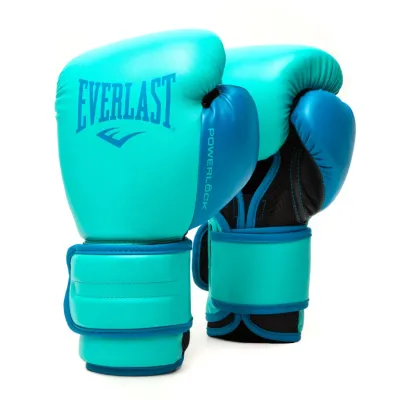
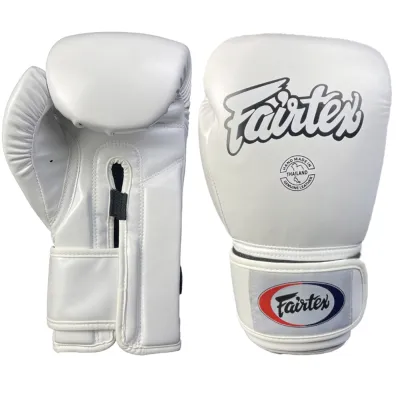
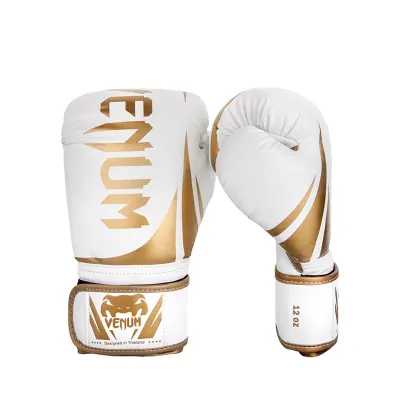
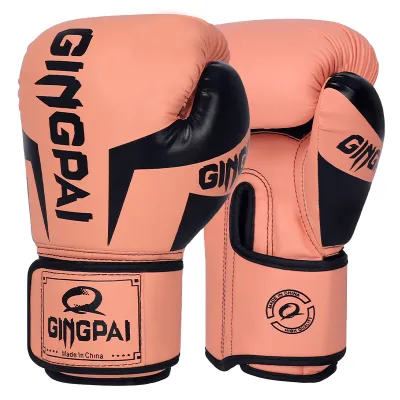
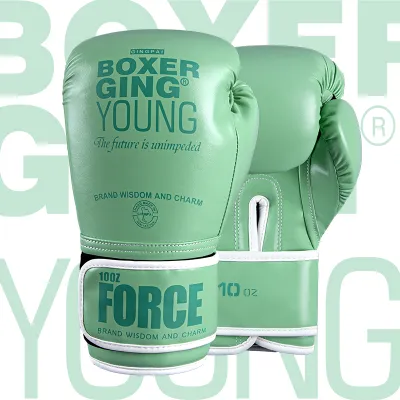
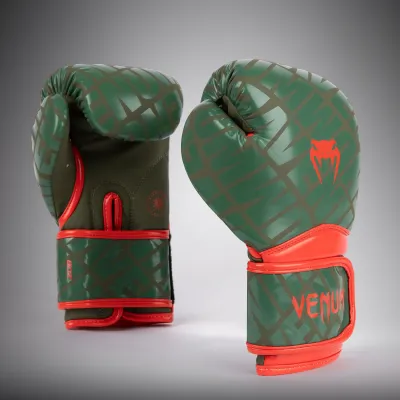
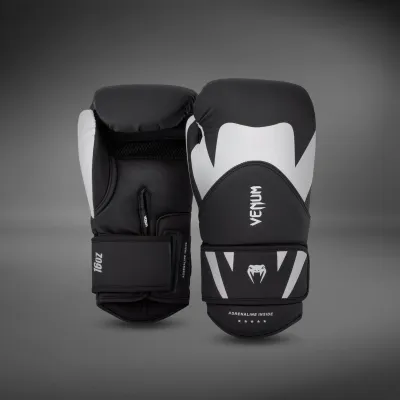
Prices are valid at publication and may change. Please refer to the product page for the latest price.
Decoding Muay Thai Glove Weights: 8oz to 16oz Explained
Understanding the relationship between ounce weight and glove construction is key to making an informed purchase. The “oz” rating indicates the physical weight of the padding material used inside the glove. A higher ounce rating means more foam or gel layers are integrated into the knuckle and hand areas, providing greater impact absorption. This design does not necessarily mean the internal hand compartment is larger; rather, it means the glove is built to absorb and distribute the force of your strikes more effectively.

8oz and 10oz: Competition and Light Pad Work
The lightest standard gloves, specifically 8oz and 10oz options, are engineered for maximum speed and minimal bulk. In professional Muay Thai stadiums, such as those in Thailand, 8oz gloves are the standard for lighter weight classes to ensure fast-paced, high-impact bouts. The 10oz glove is widely utilized in amateur competitions and is excellent for light pad work or speed drills on the heavy bag. Because these gloves contain minimal padding, they offer very little protection for your knuckles and wrists. Using them for heavy bag work without professional hand wraps significantly increases the risk of bone bruising, wrist sprains, and joint inflammation.
12oz and 14oz: The All-Rounders for Bag and Pad Work
If you are looking for a versatile training glove, the 12oz and 14oz categories serve as the primary workhorses for daily gym sessions. A 12oz glove strikes a practical balance between speed and protection, making it a favorite for rapid pad work, technical partner drills, and standard heavy bag training. It allows you to feel the impact of your punches, helping you correct your alignment without sacrificing hand safety.
The 14oz glove offers a step up in protection and is highly recommended for heavier pad work or light, controlled technical sparring. The extra padding protects your hands during high-volume training sessions and reduces the impact felt by your pad holder. For many intermediate practitioners, the 14oz glove is the ideal single-glove solution if they do not want to purchase multiple pairs of gear.
16oz: Heavy Sparring and Maximum Protection
When it comes to live sparring, safety is the absolute priority. A 16oz glove is the universal standard for sparring because its thick padding is designed to protect your training partner from cuts, concussions, and facial trauma. The dense foam layers slow down the impact velocity of your punches, absorbing a significant portion of the kinetic energy before it reaches your partner.
Beyond partner safety, training with 16oz gloves serves as an excellent conditioning tool. The added weight forces your shoulders, back, and arms to work harder to keep your guard high. Over time, this builds localized muscular endurance, making your hands feel incredibly fast and light when you switch to lighter gloves. However, you should avoid using 16oz gloves for rapid, speed-focused pad work, as the extra weight can lead to premature shoulder fatigue and compromise your punching form.
Adjusting Glove Weight for Body Type and Gym Rules
While training activities dictate the baseline weight, your physical profile and local gym environment are critical secondary factors. Striking power is directly proportional to body mass; therefore, heavier practitioners generate substantially more force behind their punches. If you weigh over 75 kg, you should strictly use 16oz gloves for any partner-focused drills or sparring to ensure adequate protection. Conversely, lighter practitioners under 55 kg may find 14oz gloves sufficient for controlled technical sparring, provided their coach approves.
In Singapore, where martial arts gyms emphasize structured, safe training environments, gym rules are often highly specific. Many local academies mandate 16oz gloves for all sparring sessions, regardless of the practitioner’s weight, to minimize the risk of training-induced injuries. Before investing in a premium pair of gloves, check your gym’s specific gear policy.
Additionally, always try on gloves while wearing hand wraps. The wrap adds significant volume to your hand, and a glove that fits snugly without wraps may become painfully tight or restrict blood flow once your hands are properly wrapped. Ensure the internal compartment accommodates your wrapped hand comfortably, allowing you to make a natural fist without straining your fingers.
Beyond Weight: Padding, Wrist Support, and Fit Specs
While weight is a primary consideration, Muay Thai gloves have distinct structural differences compared to traditional Western boxing gloves. Muay Thai gloves feature more evenly distributed padding across the back of the hand and the outer wrist. This design is crucial for blocking, parrying, and cushioning incoming kicks, knees, and elbows. The palm area is also wider and more flexible, allowing you to open your hand to catch kicks or secure a dominant clinch grip.
Wrist support is another critical specification to verify. Velcro (hook-and-loop) closures offer maximum convenience, allowing you to put on and remove your gloves independently during fast-paced classes. Lace-up closures provide superior wrist stability and a highly customized fit, but they require a training partner or coach to tie them for you, making them less practical for daily group training.
Finally, inspect the thumb attachment design. A fully attached thumb prevents the thumb from hyperextending during impact and reduces the risk of accidental eye pokes during sparring. Before purchasing, check the manufacturer’s product label and specifications to confirm these safety features. Remember, high-quality equipment is a vital tool, but it cannot replace proper training, defensive awareness, and adherence to your coach’s instructions.
Frequently Asked Questions (FAQ)
Can I use 12oz gloves for sparring?
Generally, no. Most gyms strictly prohibit 12oz gloves for sparring because the thin padding does not provide enough cushion to protect your partner from injury. While they may be used for light, touch-and-go technical drills between highly experienced practitioners, 16oz remains the safety standard for regular sparring.
Should beginners buy 14oz or 16oz gloves?
If you are a beginner focusing primarily on pad work and heavy bag drills, a 14oz glove is often the most versatile first purchase. However, if your gym’s curriculum includes sparring early on, or if you weigh over 75 kg, you should opt for a 16oz glove to ensure compliance with gym safety rules.
Does a heavier glove mean more punching power?
No, a heavier glove does not increase your punching power. The extra weight comes from additional layers of protective padding, which actually absorb and disperse impact energy, reducing the force transferred to the target. Heavier gloves are designed for safety and muscular conditioning, not for maximizing knockout power.
Community discussion
Share your experience or ask a question. Comments are reviewed before publication.