
Finding a single, reliable air pump that can handle your guest air bed, weekend pool floats, and sports equipment is an excellent way to declutter your storage space and save money. You do not need to buy separate, highly specialized pumps for every inflatable item in your home. Instead, a well-chosen multi-purpose air bed pump can bridge the gap between high-volume home comfort and rugged outdoor adventure, provided you understand how to match the pump’s specifications to your gear.
In Singapore’s compact living environments, maximizing the utility of every household tool is essential. A versatile pump eliminates the clutter of storing multiple single-use devices in your bomb shelter or utility closet. By focusing on key performance metrics—such as nozzle compatibility, pressure limits, and power source flexibility—you can confidently select a single unit that services everything from a heavy-duty camping mattress to a basketball or a beach kayak.
What Makes an Air Bed Pump Truly Multi-Purpose?
To understand what makes an air pump versatile, you must look beyond the brand name and examine its technical capabilities. A standard air bed pump is typically designed for high-volume, low-pressure (HVLP) applications. This means it moves a large amount of air quickly to fill a spacious mattress cavity, but it cannot generate the high pressure needed to make a bicycle tire or a sports ball firm. A truly multi-purpose pump must reconcile these differing physical demands.
Products mentioned in this guide
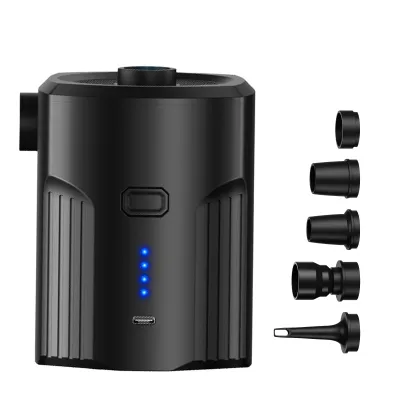
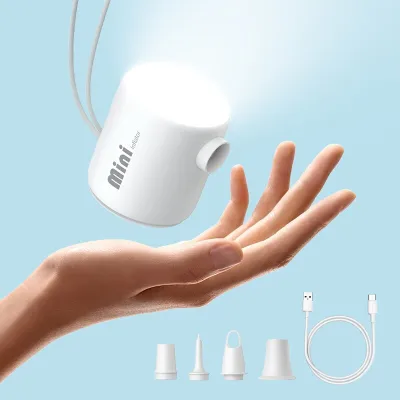
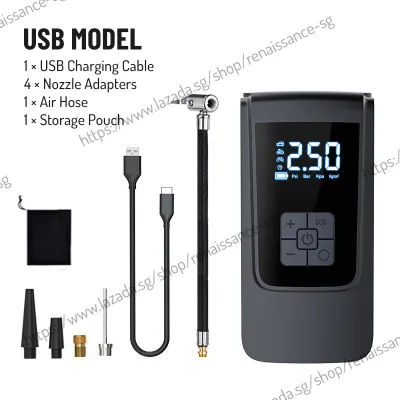
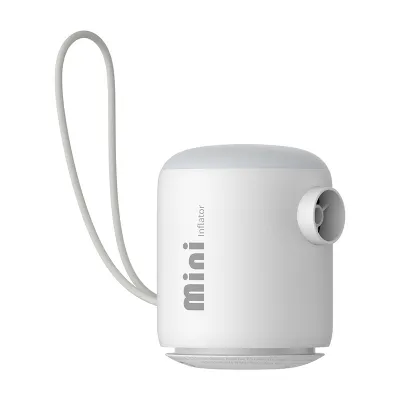
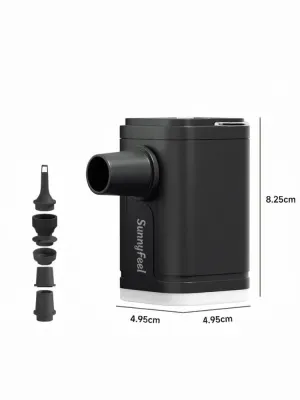
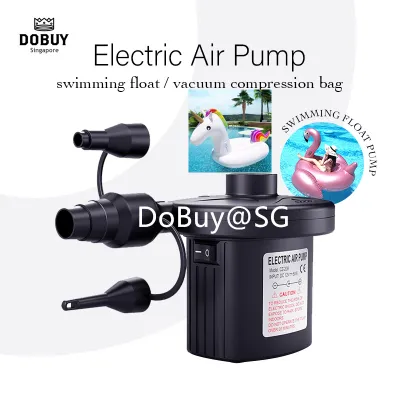
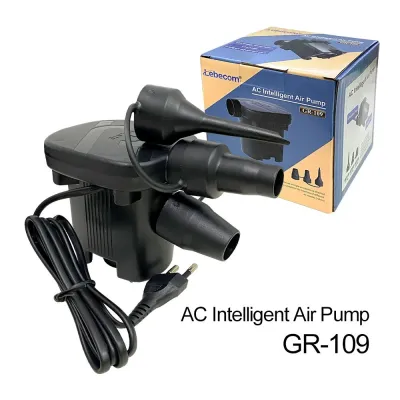
Prices are valid at publication and may change. Please refer to the product page for the latest price.
Nozzle Adaptability
The first indicator of a versatile pump is its selection of nozzle attachments. Inflatables do not use a single, universal valve standard. To handle a wide range of items, your pump must accommodate several common valve types:
- Boston Valves: These are two-way screw valves commonly found on inflatable kayaks, heavy-duty river rafts, and large camping air beds. They allow quick inflation without air loss during the process.
- Pinch Valves: These are the traditional, small plastic valves found on beach balls, pool floats, and inflatable pillows. They require a narrow, tapered nozzle that physically pushes open the internal flap.
- Needle Valves: These are the thin metal pins required to inflate sports balls, such as soccer balls, basketballs, and netballs. They require a pump capable of delivering higher pressure than standard mattress valves.
- Threaded or High-Pressure Valves: Often found on rigid inflatable structures, these secure tightly to the pump hose to prevent detaching under high pressure.
Pressure vs. Volume Dynamics
Air pressure is measured in pounds per square inch (PSI) or bar, while airflow volume is measured in liters per minute (L/min). Large inflatables like air beds and family pool floats require high volume at very low pressure, usually between 0.5 and 1.5 PSI. Trying to inflate a queen-sized air bed with a high-pressure, low-volume pump (like a bicycle frame pump) would take hours and cause physical exhaustion.
Conversely, sports balls require low volume but high pressure, typically between 7 and 10 PSI. If you attempt to inflate a basketball with a standard low-pressure air bed pump, the pump’s motor will stall as soon as it meets the resistance of the ball’s stiff rubber bladder. A multi-purpose pump solves this by either utilizing a dual-motor system—one for high-volume airflow and one for high-pressure compression—or by offering adjustable settings that let you switch between these two modes.
Bidirectional Airflow
A feature often overlooked but highly valuable is the ability to deflate as well as inflate. High-quality multi-purpose pumps feature a dedicated deflation port. When you connect the hose or nozzle to this intake port, the pump actively draws air out of the inflatable.
This bidirectional capability is crucial for packing up bulky gear. Manually squeezing air out of a large double-sized air bed or a massive pool lounge is time-consuming and rarely removes all the trapped air. Active deflation flat-packs the item, allowing you to fold it neatly back into its original packaging or storage bag, which is a massive advantage when organizing tight storage spaces in HDB flats or condominiums.
Matching Power Sources to Your Singapore Lifestyle
Your choice of power source dictates where and how you can use your multi-purpose pump. Because Singapore offers a mix of indoor hosting, beachside recreation, and regional road trips, you should select a power configuration that aligns with your primary activities.

Rechargeable and Battery-Operated Pumps
Rechargeable lithium-ion pumps offer the ultimate in portability. They are ideal if you frequently visit East Coast Park, Sentosa, or the Southern Islands for picnics and water sports. These cordless units allow you to inflate pool floats, air loungers, and beach toys directly at the water’s edge without searching for a power outlet.
When choosing a battery-operated pump, always check the battery capacity, typically measured in milliampere-hours (mAh). A higher capacity ensures the pump can run long enough to inflate multiple large items on a single charge. Keep in mind that rechargeable pumps degrade over time if left completely discharged, so they require regular maintenance charges even when not in active use.
12V Car Adapters
Pumps powered by a 12V DC car adapter plug directly into your vehicle’s cigarette lighter socket. These are highly practical for road trips up the East Coast of Malaysia or for car camping setups. They provide continuous, reliable power without the risk of a battery running flat mid-inflation.
When using a 12V pump, it is important to check your vehicle’s manual regarding power draw. To prevent draining your car’s starter battery, always run the vehicle’s engine or keep it in accessory mode while operating the pump. Be mindful of the cord length as well; ensure the 12V cable is long enough to reach from your dashboard or trunk outlet to the inflatable lying outside the vehicle.
Mains-Powered (AC) Pumps
Mains-powered pumps plug directly into standard 230V wall outlets. These units are the most powerful and reliable option for indoor use. If your primary goal is to quickly set up a guest air bed in your living room or spare bedroom, an AC pump is unmatched in speed, often fully inflating a large mattress in under three minutes.
The main drawback of AC pumps is their lack of portability. They are virtually useless at the beach or a campsite unless you carry a heavy, expensive portable power station. However, for domestic use within Singapore’s HDBs and condos, they offer hassle-free operation with zero battery degradation concerns.
Manual Foot and Hand Pumps
Manual pumps require physical effort but remain the most reliable backup option. Double-action hand pumps inflate on both the downward push and the upward pull, doubling the air volume delivered per stroke. Foot bellows pumps use your body weight to compress air, which can be less tiring than hand pumping.
Manual pumps are completely immune to electrical failures, flat batteries, and wet weather. They are excellent lightweight backups for backpacking trips or emergency kits. However, inflating a large family-sized air bed manually requires significant physical exertion, making them less practical as a primary inflation tool for large-volume items.
Brand Categories: Finding the Right Air Bed Pump and Multi-Use Brands
Because specific model availability and pricing fluctuate, it is helpful to categorize brands by their primary design focus. This framework allows you to evaluate any pump you encounter on ecommerce platforms or in local sporting goods stores.
Outdoor and Camping Specialists
Brands that specialize in camping and hiking gear design their pumps for rugged, off-grid use. These pumps often feature impact-resistant ABS plastic housings, rubberized bumpers, and dust-resistant seals. They are built to withstand being dropped on gravel, exposed to dirt, or packed tightly into a stuffed rucksack.
Pumps from camping specialists typically prioritize battery efficiency and compact designs. They excel at inflating camping sleeping pads, air pillows, and outdoor mattresses. While they are highly durable, they may carry a price premium compared to basic home-use pumps, with prices typically ranging from S$40 to over S$100 depending on battery technology and pressure ratings.
Water Sports and Pool Brands
Companies that manufacture inflatable kayaks, stand-up paddleboards, and large pool floats design highly efficient, high-volume pumps. These pumps are engineered to move massive amounts of air very quickly, making them ideal for large-scale inflatables. They usually come packaged with a generous selection of heavy-duty nozzles, including secure locking adapters for watercraft valves.
These pumps are highly effective for home air beds due to their rapid inflation speeds. However, because they are optimized for wet, sandy environments, they can be bulkier and louder than dedicated indoor pumps. They are an excellent choice if your lifestyle tilts heavily toward weekend water activities and beach outings.
General Home and Mattress Brands
Brands that focus on indoor air mattresses and home goods offer pumps optimized for convenience and quiet operation. These are often AC-powered or feature simple rechargeable batteries. They are designed to sit on a bedroom floor and plug into a wall socket, providing precise pressure adjustments so guests can customize their sleeping firmness.
While these pumps are excellent for domestic air beds, they generally lack the ruggedness required for outdoor use. They rarely feature dust or water protection, and their plastic casings may crack if dropped on hard outdoor surfaces. If you only need a pump for indoor hosting, these brands offer excellent value, with reliable entry-level models starting under S$30.
Verification Strategy
Regardless of the brand logo on the box, you must verify the technical specifications before purchasing. Do not assume a pump is multi-purpose just because the packaging claims it is. Check the following details on the specification label:
- Maximum Pressure: Ensure it can reach the PSI required for your highest-pressure item (e.g., 8 PSI for sports balls).
- Continuous Run Time: Verify how long the pump can run before requiring a cooling break.
- Included Accessories: Confirm that the nozzle kit contains the exact adapters needed for your existing gear.
Essential Pre-Purchase Checklist for Versatile Pumps
To avoid compatibility frustrations and ensure your pump stands up to daily use, run through this practical checklist before making a purchase.
Valve Compatibility Check
Before buying a pump, inspect all the inflatable items you currently own. Look closely at the valve openings on your air bed, your pool floats, and your sports equipment. Compare these shapes to the nozzle adapters included with the pump.
If you own specialized gear, such as a rigid inflatable kayak, ensure the pump includes a compatible high-pressure locking adapter. While you can buy aftermarket adapter kits on online marketplaces, a pump that includes the correct fittings out of the box saves time and guarantees a secure, airtight seal during inflation.
Auto-Shutoff and Pressure Gauges
Over-inflating an item can cause permanent damage, such as stretching the seams, warping the shape, or causing a violent rupture. This risk is especially high when using electric pumps on sports balls or high-pressure inflatables.
A pump equipped with a digital pressure gauge and an auto-shutoff feature allows you to set your target pressure (for example, 0.8 PSI for an air bed or 8 PSI for a soccer ball). The pump will monitor the internal pressure during inflation and automatically shut off the motor once the target is reached, protecting your gear from accidental damage.
Heat Management and Duty Cycles
Electric motors generate substantial heat when compressing air. Portable air pumps have a rated “duty cycle,” which is the maximum amount of time the pump can run continuously before it must be turned off to cool down. A common duty cycle for compact electric pumps is 10 minutes of continuous use followed by 10 minutes of rest.
If you attempt to inflate multiple double-sized air beds or a massive backyard pool slide without allowing the pump to cool, the motor can overheat, melting internal plastic gears or burning out the electrical windings. Look for pumps that explicitly state they have built-in thermal overload protection, which automatically shuts down the unit if it reaches unsafe operating temperatures.
Storage and Humidity Considerations
Singapore’s tropical climate presents unique challenges for stored electronics. With relative humidity levels frequently exceeding 80%, metal components inside pumps can corrode, and battery terminals can oxidize over time. Furthermore, damp plastic nozzles stored in dark closets can quickly develop mold.
When shopping for a pump, look for models that include a dry-storage bag or a hard-shell protective case. Ensure the storage solution has ventilation or room to include silica gel desiccant packets, which help absorb ambient moisture. Always store your pump in a cool, dry place away from direct sunlight and damp floor areas.
Safe Inflation and Maintenance Practices
Proper operation and regular maintenance will extend the lifespan of both your multi-purpose pump and your inflatable gear, ensuring safety and performance over many years.
Managing Thermal Expansion
The air inside an inflatable is highly sensitive to temperature changes. According to basic physics, air expands when heated and contracts when cooled. This is a critical consideration when using inflatables outdoors in Singapore’s intense afternoon heat.
If you inflate a pool float or an air bed to its maximum firmness in the cool shade or inside an air-conditioned room, and then place it in direct sunlight on a hot beach, the air inside will expand. This sudden increase in internal pressure can easily split the welded seams of PVC inflatables. To prevent this, always under-inflate outdoor items slightly—leaving them slightly soft to the touch—if they will be exposed to direct sunlight.
Cleaning and Drying
Outdoor use inevitably exposes your pump to environmental contaminants like sand, salt water, chlorine, and dirt. If these particles find their way into the pump’s motor housing or intake vents, they can cause severe internal damage.
After a day at the beach or pool, follow these cleaning steps:
- Wipe down the exterior of the pump and the nozzles with a clean, slightly damp microfiber cloth to remove salt residue and sand.
- Never submerge the pump body in water or rinse it under a tap, as this will destroy the electrical components.
- Use a soft brush to gently clear any sand or dust from the intake and exhaust vents.
- Allow all components, especially the flexible hoses and nozzles, to air-dry completely in a well-ventilated indoor space before packing them into storage.
Battery Care for Rechargeable Units
Lithium-ion batteries require specific care to maintain their capacity and safety. Exposing these batteries to extreme heat can accelerate their degradation and, in rare cases, pose a thermal runaway risk.
Never leave your rechargeable pump inside a parked car under direct sunlight, as cabin temperatures can quickly exceed safe limits. If you plan to store the pump unused for several months during the monsoon season, do not store it completely empty or fully charged. Instead, charge the battery to approximately 50% to 60% capacity. This partial charge state minimizes stress on the battery chemistry, preserving its overall lifespan.
Frequently Asked Questions (FAQ)
Can I use a standard air bed pump to inflate a stand-up paddleboard (SUP)?
No, you cannot use a standard air bed pump to inflate a stand-up paddleboard. Rigid SUPs require high pressure, typically between 12 and 15 PSI, to support a rider’s weight without flexing. Standard air bed pumps are designed purely for high-volume, low-pressure tasks, usually topping out at around 1 PSI.
If you attempt to use an air bed pump on an SUP, the pump will stall or overheat long before the board reaches its required rigidity. To inflate an SUP, you must use a dedicated high-pressure pump, often a dual-stage electric pump that uses a high-volume fan for the initial fill and automatically switches to a high-pressure piston compressor to finish the job.
Why does my air bed deflate overnight even when using a high-quality pump?
An air bed that feels softer in the morning has rarely suffered a pump failure or a puncture. In most cases, this overnight softening is caused by two natural factors: temperature drops and material stretching.
As the temperature in your room cools overnight—especially if you run an air conditioner—the air inside the mattress contracts, causing the bed to lose firmness. Additionally, new air beds made of PVC naturally stretch during their first few uses. This stretching increases the overall volume of the mattress, which lowers the internal air pressure. Simply top up the mattress with your pump before going to sleep to compensate for this initial stretch.
Community discussion
Share your experience or ask a question. Comments are reviewed before publication.