
Finding a single tool that can handle multiple inflation tasks across different sports equipment is a common challenge for active households. Whether you are preparing for a ride along local park connectors or heading to a community court for a basketball game, having separate pumps for every piece of gear is inefficient. Fortunately, a high-quality multi-purpose hand pump can effectively inflate both bicycle tires and sports balls, provided you choose a model with the correct valve compatibility, pressure range, and structural design. Consolidating your inflation tools saves storage space in compact living environments and ensures you always have the right tool on hand for quick top-ups. This guide explores the engineering differences between bicycle and sports ball inflation, outlines the essential features to look for when shopping, and details how to select and maintain the ideal pump for your specific lifestyle needs.
Why Bikes and Sports Balls Require Different Pump Specifications
To understand why a versatile hand pump requires specific design features, it is essential to look at the fundamental physics and hardware differences between cycling tires and sports balls. These two types of equipment operate on entirely different pressure scales and volume requirements, which dictates how a pump must deliver air.
Bicycle tires generally require high pressures but contain relatively low volumes of air. For instance, high-performance road bicycle tires typically need to be inflated to pressures between 80 and 120 PSI (Pounds per Square Inch) to minimize rolling resistance and prevent pinch flats. Mountain bike tires, while larger in volume, still require precise pressure management, usually operating between 25 and 45 PSI to optimize traction over rough terrain. In stark contrast, sports balls such as basketballs, soccer balls, and volleyballs require very low pressures but hold a larger volume of air relative to their pressure limits. A typical basketball is inflated to only 7 to 9 PSI, while a soccer ball operates between 8.5 and 15 PSI.
Products mentioned in this guide
![[LH7W] Bike Air Pump Portable Bicycle Pump Hand Air Pumps with Schrader Valve for Bike Tires Balls Balloons](https://img.lazcdn.com/g/p/a25ed6b70dc7d6221dfcf03b31a98d23.jpg_400x400q80.jpg_.webp)
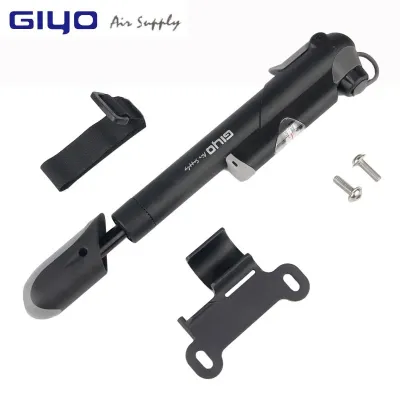
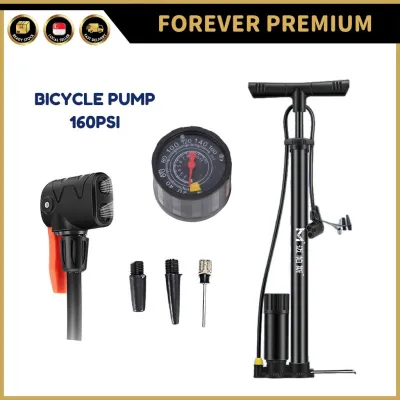
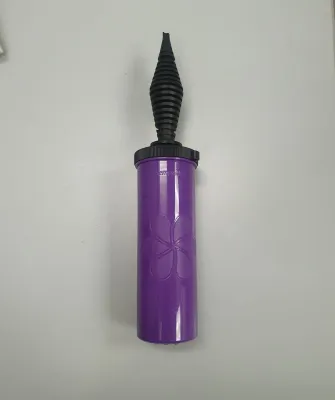
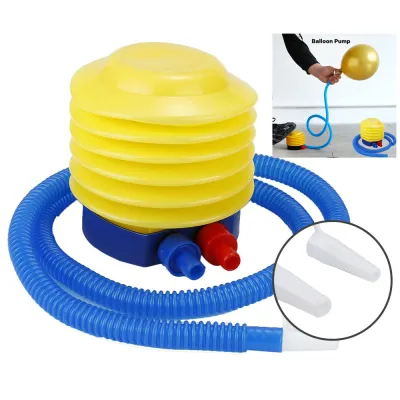
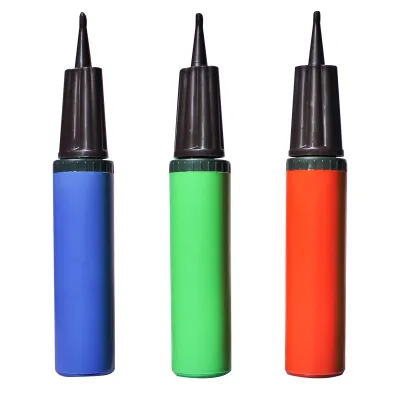
Prices are valid at publication and may change. Please refer to the product page for the latest price.
The physical valves used to access these air chambers are also completely different. Bicycle tubes utilize either a Schrader valve or a Presta valve. Schrader valves are wide, robust, and feature a spring-loaded internal check pin; they are common on utility, city, and mountain bikes. Presta valves are much narrower, threaded, and secured by a small lock nut at the tip; they are standard on road, gravel, and high-end racing bikes. Sports balls do not use exposed metal valves. Instead, they feature a recessed, self-sealing rubber bladder valve. Accessing this bladder requires a thin, hollow metal inflation needle that can bypass the rubber seal without tearing it, allowing air to flow directly into the core of the ball.
Attempting to inflate these items with the wrong equipment introduces significant risks. If you use a high-pressure bicycle pump without a pressure gauge on a low-pressure sports ball, you can easily over-inflate and rupture the internal rubber bladder, permanently ruining the ball. Conversely, attempting to inflate a high-pressure road bike tire with a basic, single-action ball pump is physically exhausting and often mechanically impossible. The high backpressure from the tire will push back against the pump piston, preventing you from forcing air through the Presta valve. Additionally, trying to force an incompatible pump head directly onto a Presta valve without the proper adapter can easily bend or snap the delicate valve core, causing immediate deflation and requiring a complete inner tube replacement.
Core Features to Look for in a Versatile Hand Pump
When evaluating product listings on online marketplaces or in local sports shops, you must look beyond basic marketing claims to find a truly versatile hand pump. A reliable multi-purpose pump must possess a specific set of technical specifications to handle both high-pressure cycling tires and low-pressure sports equipment safely and efficiently.

Valve Compatibility
The foremost requirement is universal valve compatibility. The pump head must support both Schrader and Presta bicycle valves, and the package must include a standard threaded metal ball needle. When shopping, check how the pump switches between these valve types. Some models feature a “smart head” that automatically adjusts its internal aperture to seal around either a Presta or Schrader valve stem. Other designs utilize a “twin head” with two separate, dedicated ports on the same nozzle. A third common design uses reversible internal parts, where you must unscrew the collar of the pump head, pull out a rubber grommet and plastic pin, flip them around, and reassemble the head to switch valve compatibility. While reversible parts are highly reliable, they require more manual effort and can be inconvenient if you switch between bikes and balls frequently.
Pressure Gauge Precision
A built-in pressure gauge is a critical safety feature, but not all gauges are created equal. Many hand pumps feature analog dial gauges rated up to 120 or 160 PSI to accommodate high-pressure road bike tires. However, because the scale is so broad, the markings at the very bottom of the dial—specifically the 0 to 15 PSI range needed for sports balls—are often highly compressed and difficult to read. To avoid over-inflation, look for pumps that feature a high-contrast, large-diameter analog gauge, or consider a pump with an integrated digital gauge. Digital gauges provide precise, numerical readouts down to 0.5 PSI increments, making them exceptionally well-suited for low-pressure sports balls. Always verify the gauge’s lower-limit accuracy in the manufacturer’s specifications before making a purchase.
Stroke Efficiency
The internal mechanism of the pump determines how much effort is required to inflate your gear. Standard single-action pumps compress and deliver air only when you push the handle inward. While simple and reliable, this design requires more strokes to fill larger volumes. Dual-action pumps, however, utilize a specialized internal valve system that compresses and discharges air on both the push and pull strokes. This effectively cuts inflation time in half. Dual-action technology is highly beneficial when inflating high-volume sports balls or wider mountain bike tires, as it maximizes the air output per stroke cycle. The trade-off is that dual-action pumps require slightly more physical effort on the pull stroke, which can be noticeable when reaching higher tire pressures.
Build Materials and Durability
The materials used to construct the pump barrel and internal piston directly impact its durability, weight, and heat management. High-end multi-purpose pumps typically feature CNC-machined aluminum barrels. Aluminum provides excellent structural rigidity, resists bending under high pressure, and dissipates heat rapidly. Heat dissipation is crucial because rapid pumping compresses air molecules, generating friction and heat inside the barrel that can degrade rubber internal seals over time. Alternatively, pumps constructed from high-grade composite or engineered plastics are exceptionally lightweight, highly portable, and completely immune to rust—a significant advantage in humid, tropical climates. However, plastic barrels can flex under extreme pressure, which may lead to air bypass around the internal piston seal during high-pressure cycling applications.
Recommended Hand Pump Designs for Dual Use
To successfully bridge the gap between high-pressure cycling and low-pressure sports equipment, manufacturers have developed several distinct pump designs. Choosing the right structural layout depends on whether your primary priority is home storage convenience, portable cycling safety, or maximum inflation speed.
Twin-Head Pumps with Flexible Hoses
Twin-head hand pumps equipped with integrated flexible hoses are the premier choice for home garages, storage rooms, and community sports clubs. Unlike direct-mount pumps that lock directly onto the valve stem, these models feature a flexible rubber hose that extends from the pump barrel to a dual-port nozzle. This flexible hose is a critical safety feature: it isolates the physical, vigorous motion of pumping from the delicate valve stem of your bicycle tire or the needle inserted into your sports ball. By absorbing the movement, the hose prevents you from accidentally bending a Presta valve core or snapping a metal needle inside a basketball’s rubber bladder. Furthermore, these slightly larger hand pumps usually feature a dedicated accessory storage compartment built directly into the handle or the base. This compartment keeps your metal ball needles and plastic inflatable adapters organized and securely stored, ensuring they are never misplaced when you need them most. This design is ideal for users who want a single, highly reliable, and heavy-duty manual pump to service all household sports gear.
Switch-Valve Direct-Mount Pumps
For cyclists who want to maintain correct tire pressures on long rides while also having the ability to pump up a football or basketball at the park, switch-valve direct-mount pumps offer the perfect balance of portability and functionality. These compact pumps are designed to mount directly to your bicycle’s frame or slide easily into a hydration pack. They feature a rigid pump head that locks directly onto the valve stem using a mechanical thumb lever. To switch between Presta and Schrader modes, these pumps utilize a physical switch or dial on the head, eliminating the need to disassemble the pump head in the field. When using this design, you must exercise caution to keep the pump perfectly steady during inflation, as any lateral rocking motion can put stress on the valve stem. Before purchasing, check the product specifications or labels to verify if the pump includes a secure storage cap or bracket for the metal ball needle; otherwise, you will need to carry the needle separately in a saddlebag or repair kit to prevent it from getting lost or puncturing other gear.
Dual-Action Mini Pumps with Integrated Accessories
If your primary priorities are speed, efficiency, and minimal packing volume, dual-action mini pumps with integrated accessories represent the cutting edge of portable inflation technology. These highly engineered pumps utilize a dual-chamber design to compress air on both the push and pull strokes, allowing you to inflate flat-to-full tires or soft sports balls in half the time of a standard mini pump. To maximize portability and protect your gear, premium models in this category often feature a completely hidden, integrated storage system where the flexible hose and the metal ball needle screw directly into the pump handle or slide inside the main barrel when not in use. This clever design prevents the needle from bending during transport and ensures it does not tear your backpack liner or scratch your bicycle frame. The primary trade-off with this design is volume: because the pump barrel is compact and narrow to facilitate high-pressure cycling top-ups, it moves a smaller volume of air per stroke compared to larger household pumps. This means that while it is incredibly efficient for its size, inflating a large, completely flat basketball or a wide mountain bike tire will still require a high number of strokes.
How to Verify Compatibility and Pressure Limits Before Buying
To avoid the frustration of purchasing a pump that claims to be “multi-purpose” but fails to perform in practice, you must carefully analyze product specifications, labels, and user manuals before making a purchase.
First, verify the pump’s maximum pressure rating (PSI) and match it against the highest-pressure equipment you own. If you ride a road bicycle that requires 100 PSI, ensure the pump is rated for at least 120 PSI to provide a safe operating margin. Attempting to force a pump to its absolute mechanical limit can cause sudden failure, such as blowing out the internal rubber seals, stripping the threads on the hose connection, or causing the handle to kick back violently against your hand. Conversely, if you are primarily inflating low-pressure sports balls, ensure the pump’s minimum gauge reading is clear and precise enough to measure single-digit pressures accurately.
Second, closely examine the product description and images to confirm that a high-quality, threaded metal ball needle is explicitly included in the package. Avoid relying on cheap, brittle plastic needles that are sometimes bundled with budget pumps. Plastic needles lack the structural integrity required to penetrate the tight rubber valves of high-quality sports balls; they can easily bend, crack, or snap off entirely inside the ball’s valve core. A snapped plastic needle permanently blocks the airway, rendering an expensive match ball completely unusable. Ensure the kit includes a standard stainless steel or brass needle with clean, deep threads that screw securely into the pump head or hose.
Third, read the fine print regarding the pressure gauge construction and display format. Determine whether the gauge is analog or digital, and verify that it displays measurements in both PSI and Bar, which are the two most common units marked on bicycle tires and sports equipment. If choosing an analog gauge, look for user reviews or manufacturer diagrams that show the face of the dial; ensure the markings are high-contrast and easy to read in outdoor lighting conditions. If you opt for a digital gauge, verify the battery type required (such as standard CR2032 coin cells) and check if the battery compartment is weather-sealed to protect the electronics from sudden tropical downpours or high humidity.
Simple Maintenance Steps for Long-Lasting Pump Performance
A multi-purpose hand pump is a mechanical tool that requires basic, low-risk maintenance to ensure consistent performance, accurate pressure readings, and a long operational lifespan. By taking a few simple steps, you can prevent air leaks and protect your sports gear from damage.
The most critical maintenance task is maintaining the internal airtight seal. Over time, the rubber O-rings inside the pump barrel can dry out due to friction, heat, and environmental exposure, leading to micro-tears and air leaks. Periodically—typically once a year or when you notice increased friction—unscrew the top cap of the pump barrel, carefully slide out the piston shaft, and apply a very thin layer of high-quality silicone grease to the rubber O-ring. Always consult the manufacturer’s care instructions before disassembly to ensure your specific model is user-serviceable. Never use petroleum-based lubricants such as WD-40 or household oils, as these chemicals will degrade, swell, and dissolve rubber seals, permanently ruining the pump’s compression capabilities.
Proper care of the inflation needle is equally important. The metal needle is exposed to moisture when inserted into sports balls, which can lead to corrosion over time. After every use, wipe the needle clean with a dry microfiber cloth to remove any dirt, sweat, or moisture. Store the needle in its designated dry compartment or a small protective case. A rusted or dirty needle can introduce abrasive debris directly into the ball’s self-sealing rubber valve bladder, causing slow, irreversible air leaks that will ruin the ball’s ability to hold pressure.
Finally, store your hand pump in a dry, temperature-stable indoor environment. In tropical climates characterized by high ambient heat and humidity, leaving a pump in an outdoor storage locker, balcony, or car trunk will rapidly accelerate the degradation of rubber hoses, weaken plastic fittings, and dry out internal lubricants. Keeping the pump indoors protects the sensitive gauge mechanism and ensures the rubber components remain supple and airtight for years to come.
Frequently Asked Questions (FAQ)
Can I inflate a basketball without a dedicated ball needle?
No, you should never attempt to inflate a basketball, soccer ball, or any other sports ball without a dedicated metal inflation needle. Forcing a bare pump nozzle, a plastic pen barrel, or a straw directly into the ball’s valve opening will tear, dislodge, or permanently deform the delicate self-sealing rubber bladder inside. Once this bladder is damaged, the ball will suffer from continuous, unfixable air leaks and must be discarded. Always use a proper, clean metal needle designed specifically for sports equipment to ensure a safe, airtight, and damage-free inflation process.
Why does my hand pump struggle to reach high tire pressures?
As the air pressure inside a bicycle tire increases, the physical resistance against the pump piston grows exponentially because you are trying to compress more air molecules into a fixed, highly pressurized space. If you experience extreme resistance, first inspect the connection to ensure there are no air leaks and that the valve is fully open (for Presta valves, ensure the brass lock nut is unscrewed and tapped down to release the seal). Next, verify that your pump is rated to handle the target pressure. When pumping to high pressures, position your body directly over the pump, keep your arms straight, and use your body weight rather than relying solely on arm muscle strength to complete the downward stroke.
Community discussion
Share your experience or ask a question. Comments are reviewed before publication.