
Finding a single inflatable pump that seamlessly transitions from inflating a high-pressure basketball to a high-volume double air mattress or a giant pool float requires understanding the fundamental engineering differences between pressure and volume. While many brands claim to offer “all-in-one” solutions, true multi-purpose functionality depends on a brand’s motor design, nozzle ecosystem, and power delivery. Instead of searching for a single magic brand that rules every category, smart buyers evaluate brand categories—such as outdoor recreation specialists, automotive utility brands, and athletic equipment manufacturers—based on how well their product lines balance high-pressure and high-volume demands.
To make an informed decision, you must look past generic marketing claims and analyze the physical capabilities of the pump. A pump designed solely for speed will fail when faced with the high resistance of a sports ball, while a high-pressure compressor will take an frustratingly long time to fill a large camping mattress. By understanding the key criteria of multi-purpose functionality, evaluating brand ecosystems, and matching specifications to your specific collection of inflatables, you can select a reliable tool that performs safely and efficiently across all your recreation gear.
Key Criteria for Multi-Purpose Functionality
Evaluating a pump for genuine multi-purpose utility begins with the nozzle adapter set. A truly versatile pump brand must provide a secure, airtight seal across a variety of valve types, including narrow sports needles, medium-sized pinch valves for pool toys, and wide-bore Boston valves for heavy-duty air beds. If the adapters do not fit snugly onto the pump hose or the inflatable’s valve, air leakage will occur, forcing the motor to work harder, run hotter, and inflate slower. Look for brands that offer locking or threaded adapters rather than loose friction-fit plastic nozzles, as these maintain a reliable seal even under higher pressures.
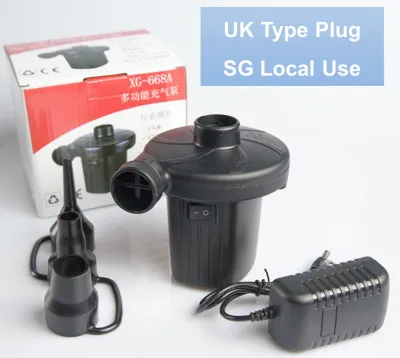
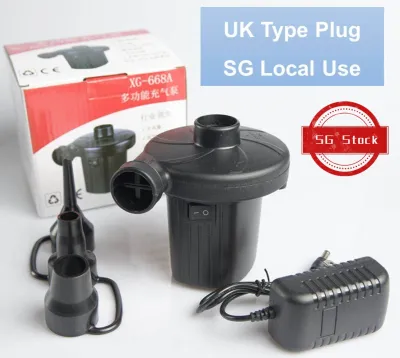
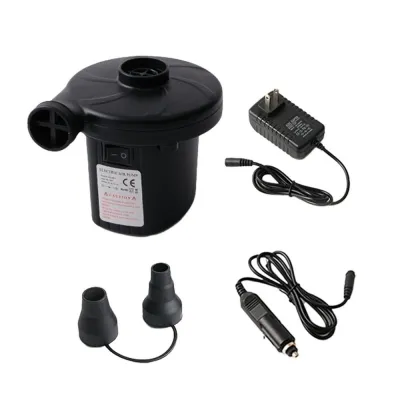
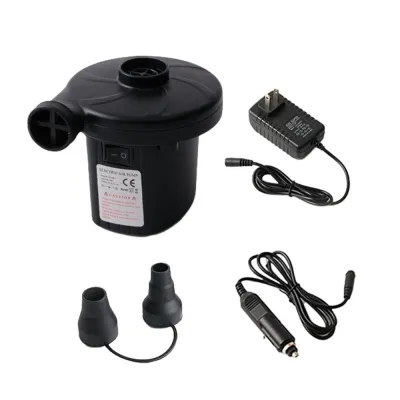
Products mentioned in this guide
![[ SG Local Seller ] Electric Air Pump ★ Multi Functional for Air Bed ★ Air Sofa ★ Inflattable Swimming Float ★ Vacuum bag ❤ Inflation +Deflation T1109 [ By Kim Hyeon ]](https://img.lazcdn.com/g/p/b2073e02bfb1b9d57fceb7844b7425f2.jpg_400x400q80.jpg_.webp)
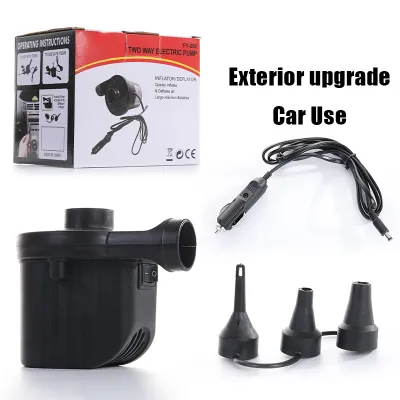
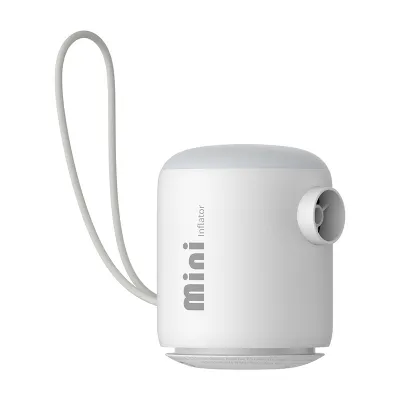
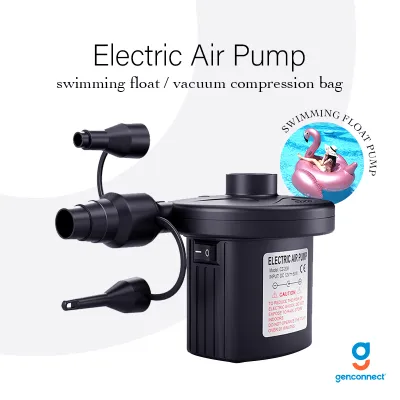
Prices are valid at publication and may change. Please refer to the product page for the latest price.
The core engineering challenge of a multi-purpose inflatable pump is the inherent trade-off between pressure output and airflow volume. High-pressure tasks, such as inflating sports balls or bicycle tires, require a motor that can push air against significant backpressure, typically measured in pounds per square inch (PSI). Conversely, high-volume tasks, like filling a large pool float or a guest mattress, require moving a massive quantity of air quickly, measured in liters per minute (L/min), against very low resistance. Single-motor pumps must compromise on one of these metrics, whereas specialized dual-stage or dual-motor pumps feature separate internal mechanisms to handle both high-pressure and high-volume tasks efficiently.
Power source options also dictate where and how you can use your pump, directly impacting its portability and continuous run-time. Mains-powered pumps (operating on standard 230V home outlets) offer the most consistent power and unlimited run-time, making them excellent for indoor guest beds, but they lack portability for outdoor use. 12V DC vehicle adapters allow you to power the pump directly from your car’s accessory socket, which is ideal for beach trips or campsite setups. Rechargeable lithium-ion battery-powered pumps offer the ultimate convenience for carrying to local swimming complexes or sports fields, but you must verify their battery capacity and continuous run-time limits to ensure they do not lose power mid-task.
In tropical climates like Singapore, where high humidity and heat are constant, battery care and material durability become even more critical. Rechargeable batteries stored in hot car trunks can degrade rapidly, and cheap plastic casings may warp or become brittle over time. Choosing a pump with robust housing and a reliable power management system ensures the device remains functional through weekend outings to East Coast Park or Sentosa without premature battery failure.
Evaluating Brand Ecosystems and Compatibility
When choosing an inflatable pump brand, you are also choosing its accessory ecosystem. Some manufacturers design proprietary nozzle connections that only work with their specific hoses and replacement parts, which can severely limit your options if you lose an adapter. Other brands utilize standardized universal fittings, such as standard friction-fit tapered nozzles or common threaded connections. Opting for a brand that supports universal compatibility ensures that you can easily source third-party replacement needles, hoses, and specialized valves without being locked into a single manufacturer’s expensive catalog.

The availability and cost of replacement parts is a crucial long-term ownership consideration. It is common to misplace small sports needles or plastic adapters during outdoor excursions or while packing up gear in a hurry. Before purchasing, check how easily you can buy official or compatible replacement nozzle kits. Brands with strong local distribution or a wide presence on major online marketplaces typically offer replacement nozzle sets for under S$5 to S$15, ensuring that a single lost plastic tip does not render your entire electric pump useless.
Understanding a brand’s primary specialization helps clarify what its products are truly built to do. Brands that specialize in outdoor camping gear generally design pumps optimized for high-volume, low-pressure tasks; their pumps will inflate a queen-sized air mattress in minutes but will lack the mechanical capability to inflate a soccer ball. On the other hand, brands rooted in automotive accessories or athletic equipment focus heavily on high-pressure compressors. These high-pressure units are excellent for sports balls and tires but will overheat or run for an hour if you attempt to fill a large pool lounge float. Identifying these brand DNA indicators prevents you from buying a pump that is fundamentally mismatched with your primary needs.
Matching Pump Specifications to Your Inflatables
To select the right pump, you must learn to read the manufacturer’s specification labels rather than relying on vague product titles. Look for the maximum pressure rating (expressed in PSI or Bar) and the maximum airflow rate (expressed in L/min or CFM). If a product label only lists a high PSI rating without mentioning airflow volume, it is almost certainly a high-pressure, low-volume compressor. Conversely, if it lists a high L/min rate but no maximum PSI, it is a high-volume, low-pressure pump designed strictly for large, soft inflatables.
Your primary use case should always drive your final decision. If eighty percent of your usage involves inflating basketballs, footballs, or bicycle tires, you must prioritize a pump with a high-pressure rating and precise gauge controls. If your primary goal is to quickly inflate guest beds or pool floats for weekend pool parties, airflow volume is the metric that will save you time and prevent motor strain.
High-Pressure Needs for Sports Balls
Sports balls require relatively high pressure but very low volume to reach their correct playing tension. For example, a standard basketball typically requires 7 to 9 PSI, a soccer ball needs 8 to 12 PSI, and a volleyball requires a much lower 4 to 5 PSI. Inflating these items requires a pump that can safely reach these thresholds without stalling. Using a pump without a clear pressure rating can result in under-inflation, which ruins the ball’s bounce, or over-inflation, which can permanently warp the casing or rupture the internal rubber bladder.
To handle these high-pressure tasks safely, a pump must feature a secure needle attachment and an integrated pressure gauge. Threaded brass needles are highly recommended over push-fit plastic alternatives, as they can withstand the backpressure without popping out of the pump hose. An integrated digital pressure gauge allows you to monitor the inflation progress in real-time, ensuring you do not exceed the manufacturer’s specified limits printed around the ball’s inflation valve.
Furthermore, you should verify whether the pump includes an automatic cut-off mechanism. This safety feature allows you to preset your desired PSI; the pump will automatically stop running once that exact pressure is reached. If a pump lacks this mechanism, you must manually monitor the gauge constantly and shut off the power instantly to prevent over-inflation, which requires a high level of vigilance and leaves no room for distraction.
High-Volume Needs for Mattresses and Floats
Large inflatables like air mattresses, inflatable kayaks, and family-sized pool floats contain massive cavities that require hundreds of liters of air to fill. For these items, airflow volume is the critical metric because it dictates how quickly the item will inflate. A high-volume pump utilizes a wide-bore nozzle and a high-speed impeller to dump air into the chamber rapidly. Using a low-volume high-pressure pump on a large mattress is highly inefficient; the motor will run for an extended period, causing extreme wear and tear and likely leading to premature failure.
Because high-volume pumps move so much air, their motors generate significant heat, making continuous run-time limits and thermal overload protection essential features. Most high-volume electric pumps have a maximum continuous run-time of 10 to 15 minutes before they require a mandatory cool-down period. A quality pump brand will integrate a thermal sensor that automatically cuts power to the motor if it reaches unsafe operating temperatures, protecting your investment from melting or burning out during a demanding inflation task.
Additionally, matching the correct large-bore nozzle to the valve of your mattress or pool float is vital for minimizing air leakage. Many modern air beds feature one-way Boston valves or rapid-inflation valves that require a specific threaded or stepped adapter to open the internal flap during inflation. Ensuring your pump brand includes these specific wide adapters prevents air from escaping around the edges of the valve, allowing the pump to build the light pressure needed to make the mattress firm and supportive.
Practical Checks Before Purchasing
Before you finalize your purchase and discard the packaging, perform a series of practical checks to ensure the pump meets your expectations and safety requirements. Unbox the pump and physically verify the accessory list against your actual inflatables. Insert the sports needle into your basketball and fit the wide-bore adapters into your air mattress valves to confirm a tight, secure fit. If any adapter feels loose or wobbles, you may need to source a compatible gasket or return the unit before you find yourself stranded at a campsite or sports field with an unusable pump.
Next, carefully review the local warranty terms provided by the retailer or manufacturer. In Singapore, electronic items are subject to consumer protection laws, but warranties often exclude motor burnout caused by exceeding the recommended duty cycle. Verify the duration of the warranty—ideally at least 12 months—and check whether the manufacturer covers battery degradation or motor failure under normal multi-purpose use. Understanding what is covered gives you a clear picture of the brand’s confidence in its product’s durability.
Finally, read the user manual to identify the manufacturer’s specified thermal protection limits and mandatory cool-down periods. Note the safe operating environments; for instance, using a battery-powered pump in direct, intense sunlight on a hot afternoon can cause it to overheat much faster than it would indoors. Familiarizing yourself with these operational boundaries, such as a “10-minute run, 10-minute rest” cycle, ensures you operate the pump safely, preserving its lifespan and keeping your sports gear, mattresses, and pool floats ready for action.
Frequently Asked Questions (FAQ)
Can a mattress pump inflate a sports ball?
No, a standard high-volume mattress pump cannot inflate a sports ball. Mattress pumps are designed to move large volumes of air at very low pressure, typically topping out at less than 1 PSI. Sports balls require much higher pressures, usually between 4 and 12 PSI, to overcome the resistance of their thick rubber bladders. A mattress pump lacks the internal piston or diaphragm mechanism required to compress air to this level, meaning it will simply stall or fail to push any air through the narrow sports needle valve. To handle both tasks, you must use a dual-mode pump specifically engineered with separate high-pressure and high-volume settings.
Do battery-powered pumps provide enough pressure for all inflatables?
Battery-powered pumps can provide sufficient pressure for most common recreational inflatables, but their performance depends heavily on the battery’s voltage and the pump’s internal motor design. Compact, low-voltage rechargeable pumps are excellent for high-volume, low-pressure items like pool floats and camping mattresses, but they often struggle to reach the higher pressures required for sports balls or bicycle tires. Conversely, heavy-duty battery-powered pumps utilizing higher-voltage lithium-ion packs can easily handle high-pressure tasks. However, for extremely large-volume tasks or continuous, back-to-back inflations, a plug-in mains power source or a 12V vehicle connection remains necessary to prevent the battery from draining completely mid-task.
Community discussion
Share your experience or ask a question. Comments are reviewed before publication.