
Finding the right bottle strap for your Nalgene depends entirely on your bottle’s mouth diameter, neck design, and your intended outdoor activity. Because Nalgene bottles feature distinct, standardized neck dimensions—most notably the classic wide-mouth and narrow-mouth profiles—not every universal strap on the market will provide a secure fit. Choosing the correct accessory requires matching the strap’s attachment mechanism to your bottle’s specific neck taper to prevent slippage, spills, or dropped gear. Whether you are navigating humid tropical trails, commuting through transit hubs, or packing for a weekend trek, selecting a compatible strap ensures your hydration remains securely within reach.
Understanding Nalgene Bottle Compatibility
Wide-mouth bottles (typically featuring a 63mm neck diameter) have a very different profile than narrow-mouth bottles (typically featuring a 38mm neck diameter). The collar of a wide-mouth bottle is thick and has a pronounced lip just below the threads, which provides an excellent anchor point for rigid plastic rings, paracord loops, and heavy-duty silicone bands. Narrow-mouth bottles, on the other hand, have a much steeper taper and a smaller collar diameter, meaning straps designed for wide-mouth models will slide right off.
Many Nalgene bottles come with a built-in plastic cap retainer loop. While this loop is convenient for keeping the cap attached to the bottle, it is not designed to bear the dynamic load of a full 32-ounce water bottle bouncing on a backpack during a vigorous hike. Relying solely on the stock cap loop for carrying can lead to plastic fatigue and eventual breakage. To carry the bottle securely, you need a dedicated strap system that attaches directly to the neck of the bottle itself, distributing the weight evenly below the collar.
Products mentioned in this guide
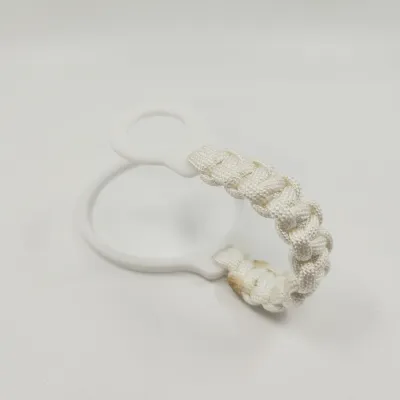
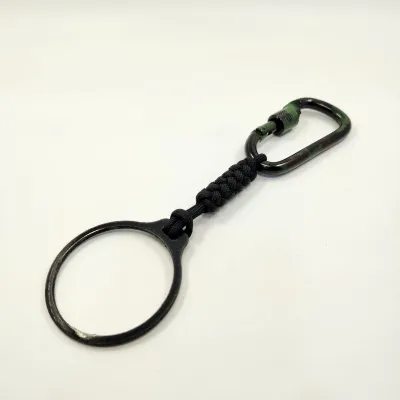
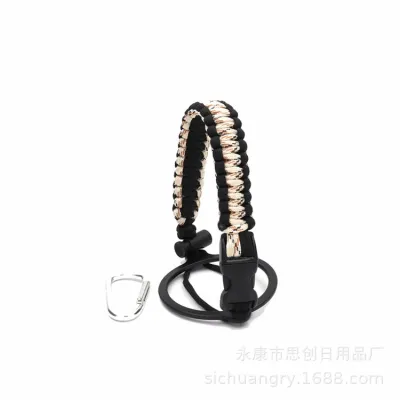
Prices are valid at publication and may change. Please refer to the product page for the latest price.
Many third-party straps are engineered specifically for vacuum-insulated stainless steel bottles. These metal bottles often have straight necks or very subtle ridges rather than the pronounced, threaded collar found on a plastic Nalgene. If you attempt to stretch a silicone ring designed for a metal flask over a Nalgene’s wide collar, you may overstretch the material, leading to micro-tears or sudden failure. Conversely, rigid plastic rings designed for other brands often fail to snap securely over the Nalgene thread profile, leaving the bottle prone to slipping out when fully loaded.
Matching Strap Types to Your Carrying Needs
Paracord handles are a popular choice for hikers and backpackers who require rugged, lightweight utility. These handles typically consist of a woven nylon cord attached to a semi-rigid plastic ring that fits snugly under the bottle’s collar. The woven design provides a comfortable grip for your fingers, and many models include a built-in metal carabiner, allowing you to clip the bottle directly to your backpack’s daisy chains or shoulder straps. This setup is ideal for keeping your hands free on technical trails where you might need to scramble over rocks or navigate uneven terrain.

For daily gym sessions, indoor climbing, or casual urban use, a silicone sleeve with an integrated handle offers excellent versatility. These sleeves slide over the bottom of the bottle and extend upward, providing a tactile grip that prevents the bottle from slipping out of sweaty hands. The integrated handle is usually molded directly into the silicone, offering a soft, flexible grip. Additionally, the silicone material acts as a bumper, protecting the base of your bottle from impact scratches when set down on rough concrete or gym floors.
When your activities require you to carry your bottle over long distances without a backpack, an adjustable shoulder sling is an ergonomic option. These slings typically feature a fabric or neoprene pouch that holds the bottle, connected to a wide, adjustable strap worn across the body or over the shoulder. This style is highly favored by travelers, birdwatchers, and casual walkers who want quick access to water while keeping both hands completely free for cameras, trekking poles, or navigation devices. The cross-body carry also distributes the weight of a full bottle across your torso, reducing shoulder strain during extended outings.
If you prefer a minimalist approach, simple clip-on accessories can be attached directly to the bottle’s neck. These usually consist of a small silicone or rubber ring paired with a metal carabiner. While highly compact and easy to pack, these clip-ons are best suited for lighter, smaller bottle sizes, such as the 16-ounce variants. When using a clip-on with a larger 32-ounce or 48-ounce bottle, the constant swinging motion can put significant stress on both the clip and your belt loop, so it is important to monitor the attachment points for signs of wear.
Key Features to Evaluate Before Buying
The security of your bottle strap depends entirely on how it grips the bottle. Look for attachment rings made of high-density polyethylene (HDPE) or thick, high-tensile silicone. Some paracord handles use a heat-shrink tubing finish over the knot to prevent unraveling, which adds an extra layer of durability. If you choose a screw-on cap accessory with an integrated strap, ensure the threads match the Nalgene pitch perfectly to prevent slow leaks when the bottle is tilted or compressed in your gear bag.
Outdoor gear must withstand exposure to the elements, including intense sunlight, rain, and abrasive surfaces. Nylon paracord is highly resistant to abrasion but can absorb water, making it heavier when wet. Silicone is completely waterproof and UV-resistant, meaning it will not degrade or become brittle after prolonged exposure to the sun. If you frequently hike in open areas with high UV exposure, silicone or UV-treated webbing straps will generally outlast untreated nylon alternatives.
In tropical climates like Singapore, high humidity and frequent rain showers create prime conditions for mold and mildew growth. Fabric and woven paracord straps can trap moisture and sweat, leading to unpleasant odors if not dried properly. For these environments, prioritizing quick-drying synthetic materials or non-porous silicone is highly beneficial. If you do use a paracord strap, look for mildew-resistant nylon fibers and ensure you can easily remove the strap from the bottle to wash and dry both components separately.
Some modern bottle straps offer additional utility beyond simple carrying. You can find paracord handles equipped with survival tools, such as a small compass, a whistle, or a fire-starter flint woven into the buckle. Other strap systems feature small neoprene pockets designed to hold keys, cards, or a small lip balm. While these extras can be convenient, evaluate whether they add unnecessary bulk or weight to your setup, especially if you prefer a streamlined, lightweight packing style.
Pre-Purchase Verification Checklist
Before purchasing any strap, verify the exact model, capacity, and mouth width of your Nalgene bottle. A strap labeled for a 32oz Wide Mouth will not fit a 32oz Narrow Mouth or a 24oz OTF (On-The-Fly) bottle due to the differing neck diameters and thread designs. Check the bottom of your bottle or the original packaging to confirm the precise model name.
Check the strap manufacturer’s specifications for the minimum and maximum neck diameters the attachment ring can accommodate. A standard Nalgene wide-mouth neck collar is approximately 2.5 inches (63mm) in diameter. If the strap is designed for a neck diameter smaller than this, attempting to force it on can snap rigid plastic rings or permanently deform silicone loops.
If you are choosing a slip-on silicone ring or sleeve, look for descriptions that mention high-friction interior surfaces. A smooth, glossy silicone ring is more likely to slip off the bottle’s neck when wet or under heavy loads. A textured or matte interior grip helps the strap stay firmly anchored under the bottle’s collar, even when subjected to the bouncing forces of active hiking or running.
Frequently Asked Questions (FAQ)
Can I use a strap designed for other brands on my Nalgene bottle?
While some universal straps claim to fit all wide-mouth bottles, you must exercise caution. Many popular vacuum-insulated stainless steel bottles have a slightly narrower neck diameter and a different thread profile than a classic plastic Nalgene. Forcing a rigid plastic ring designed for a metal flask onto a Nalgene can crack the ring, while using a loose strap can cause the bottle to slip out unexpectedly, risking damage to your gear. Always check the physical measurements of the strap’s attachment ring against your Nalgene’s neck collar before attempting to use it.
How do I clean and maintain a paracord or silicone bottle strap?
To prolong the lifespan of your strap, regular cleaning is essential, especially after outdoor use. Silicone straps can be washed easily with warm water and mild dish soap, then wiped dry with a clean cloth. For nylon paracord handles, hand-washing in warm soapy water is recommended to remove sweat, dirt, and oils. Avoid using harsh bleach or machine-washing, which can fray the woven fibers or damage plastic buckles. Always allow paracord straps to air-dry completely in a well-ventilated area before reattaching them to your bottle to prevent mold growth.
Community discussion
Share your experience or ask a question. Comments are reviewed before publication.