
In Singapore’s tropical climate, where daily temperatures frequently exceed 30°C and humidity levels remain high, keeping your drinks cold during outdoor activities is a constant challenge. The fundamental difference in how bottles maintain temperature lies in their physical construction. Single-wall plastic bottles, such as the classic small Nalgene lineup, conduct heat rapidly and rely entirely on the volume of ice you pack inside them. This makes them less effective for prolonged exposure to high ambient temperatures.
In contrast, double-wall vacuum-insulated sports bottles actively block heat transfer, maintaining cold temperatures for hours without producing messy exterior condensation. If your priority is an ultralight, highly durable bottle for indoor gyms, air-conditioned offices, or routes with easily accessible water coolers, a small Nalgene bottle is an incredibly practical choice. However, if you need all-day cold hydration during outdoor sports, long hikes, or commutes in the direct sun without access to ice refills, an insulated sports bottle is the necessary upgrade.
Single-Wall vs Double-Wall: How Construction Affects Cold Retention
To understand why these bottles perform so differently in Singapore’s heat, it is helpful to look at the science of thermal conductivity. Single-wall bottles are typically manufactured from durable co-polyester plastics like Tritan. While this material is exceptionally tough, it has a relatively high thermal conductivity compared to a vacuum. When you fill a plastic bottle with ice water, heat from the surrounding warm air passes directly through the thin plastic wall, rapidly melting the ice and warming your drink.
Products mentioned in this guide
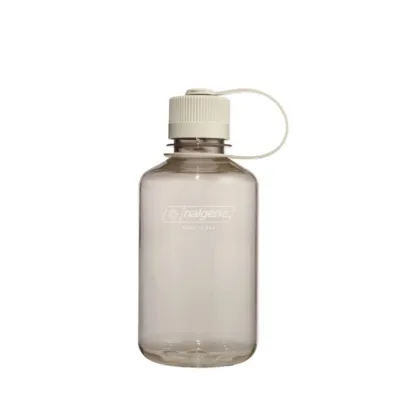
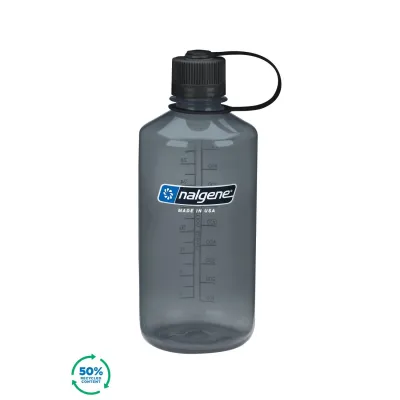
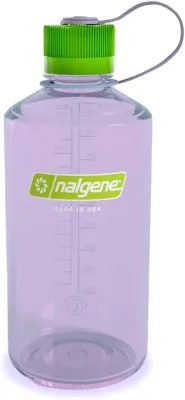
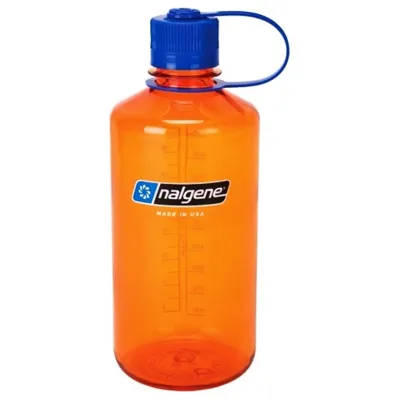
Prices are valid at publication and may change. Please refer to the product page for the latest price.
This rapid heat transfer also creates a major practical inconvenience: exterior condensation, commonly known as “sweating.” In Singapore’s humid environment, warm, moisture-laden air cools down instantly when it touches the cold outer surface of a single-wall bottle. This causes water vapor to condense into liquid droplets on the exterior. This moisture can quickly pool in your sports bag, soak your gym clothes, damage nearby electronic devices, or make the bottle slippery and difficult to hold during a workout.
Double-wall vacuum-insulated bottles solve this problem by using two layers of stainless steel with a vacuum sealed between them. Because a vacuum contains virtually no air molecules, it prevents heat from transferring via conduction or convection. The outer wall remains at room temperature, which completely eliminates exterior condensation. Meanwhile, the inner wall keeps the liquid cold, allowing ice to last for hours even when the bottle is exposed to direct sunlight or left inside a warm vehicle.
When to Choose Small Nalgene Bottles for Your Gear
Small Nalgene bottles, particularly those in the 500ml or 16-ounce range, offer distinct advantages that have nothing to do with temperature retention. Their primary benefit is their incredibly low empty weight. For runners, fastpackers, or daily commuters navigating the MRT, keeping pack weight to a minimum is essential. Carrying a heavy steel bottle can quickly become tiring when you are on your feet for extended periods.

Durability is another key factor that makes these plastic bottles highly popular. Made from impact-resistant Tritan plastic, a small Nalgene bottle can withstand severe drops onto concrete paths, gym floors, or rocky trails without cracking or shattering. While a metal bottle might dent or lose its vacuum seal upon impact, a high-quality plastic bottle will typically only suffer minor cosmetic scratches, ensuring long-term reliability.
These bottles are ideal for indoor environments where temperature control is already managed by air conditioning. If you spend most of your time in fitness centers, bouldering gyms, or offices with chilled water dispensers, you do not need a heavy insulated bottle. You can simply refill your lightweight Nalgene bottle with cold water whenever necessary. However, if you plan to use it outdoors, you must accept its thermal limitations and rely on packing it with a high volume of ice, knowing that the ice will melt relatively quickly.
When to Choose Insulated Sports Bottles for Outdoor Heat
When your activities take you outdoors into Singapore’s intense heat for extended periods, a double-wall insulated sports bottle becomes an invaluable piece of gear. Whether you are hiking through MacRitchie Reservoir, playing tennis on an open court, or spending a day at East Coast Park, having access to ice-cold water is crucial. Cold water not only tastes refreshing but also helps lower your core body temperature, preventing heat exhaustion and improving overall athletic endurance.
The primary trade-off of choosing a vacuum-insulated stainless steel bottle is its physical weight and bulk. The double-wall steel construction makes these bottles significantly heavier than plastic alternatives of the same capacity. Furthermore, because of the space required for the vacuum barrier, the external dimensions of an insulated bottle are larger, meaning a 500ml insulated bottle will take up more space in your backpack side pocket than a 500ml plastic bottle.
Despite the weight penalty, the thermal performance makes it the preferred choice for situations where you cannot easily refill your bottle or access ice. Many high-quality insulated bottles can keep drinks cold for up to 24 hours, allowing you to enjoy chilled hydration even at the end of a long day outdoors. When shopping for an insulated bottle, it is important to verify the manufacturer’s specific temperature retention ratings and check if the lid is also insulated, as non-insulated lids can allow heat to enter the bottle.
Side-by-Side Comparison of Key Features
To help you quickly evaluate the trade-offs between these two bottle styles, the table below compares their core physical and thermal characteristics.
| Feature | Small Nalgene Bottles | Insulated Sports Bottles |
|---|---|---|
| Material & Structure | Single-wall Tritan plastic | Double-wall vacuum stainless steel |
| Weight Profile | Extremely lightweight and easy to pack | Heavier and bulkier empty weight |
| Condensation (Sweating) | High condensation in humid air | Zero condensation (remains dry) |
| Cold Retention Method | Relies entirely on ice volume | Relies on vacuum barrier + ice |
| Impact Resistance | Highly drop-resistant, won't dent | Can dent or scratch on hard impact |
| Best Environment | Indoor gyms, offices, short commutes | Outdoor sports, long hikes, direct sun |
Final Decision Guide: Matching the Bottle to Your Activity
Choosing the right bottle ultimately comes down to analyzing your typical activity environment, carrying method, and personal hydration preferences. If your primary goals are saving weight, maximizing pack space, and having a bottle that can survive heavy drops without denting, a small Nalgene bottle is the ideal choice. It is perfect for indoor workouts, yoga classes, or daily commutes where you can easily refill your bottle with chilled water throughout the day.
On the other hand, you should opt for an insulated sports bottle if you prioritize having cold, refreshing water during extended outdoor activities in Singapore’s heat. The ability to prevent condensation also makes it the better choice if you frequently pack your bottle alongside sensitive electronics, books, or documents in a backpack.
Before making your final purchase, perform a few quick checks to ensure the bottle fits your specific needs. Verify the bottle’s outer dimensions to make sure it fits into your backpack’s side pockets, your bicycle’s bottle cage, or your car’s cup holders. Additionally, inspect the lid mechanism; some sports lids feature straws or bite valves that are convenient for quick sipping but require more thorough cleaning, while simple screw caps offer maximum leak prevention but require two hands to open.
Frequently Asked Questions (FAQ)
Can I put boiling water in a small Nalgene bottle?
While many high-quality plastic bottles are rated to withstand high temperatures, you should always check the manufacturer’s specific heat tolerance labels on your bottle model before pouring in boiling water. Some plastics can handle boiling water without melting, but extreme heat can sometimes cause minor deformation, affect the seal of the lid, or void the manufacturer’s warranty. For safety, it is generally best to let boiling water cool slightly to a warm temperature before filling a plastic bottle, or use a vessel specifically certified for hot liquids.
How do I prevent mold in insulated bottle lids?
Insulated sports bottles often feature complex lid designs, including silicone gaskets, straws, and bite valves, which can easily trap moisture and lead to mold growth in Singapore’s humid climate. To prevent this, regularly disassemble all removable parts of the lid and wash them thoroughly with warm, soapy water. Use a small straw brush to clean hard-to-reach crevices. Crucially, allow all components to dry completely in a well-ventilated area before reassembling them, and avoid storing your bottle with the lid tightly closed when it is not in use.
Community discussion
Share your experience or ask a question. Comments are reviewed before publication.