
Quick Answer: Which Bottle Offers the Best Insulation?
If you are comparing a classic Nalgene bottle to Hydro Flask and CamelBak with temperature retention in mind, the answer is clear: Hydro Flask and CamelBak offer vastly superior thermal insulation. Their flagship sports water bottles utilize double-wall vacuum insulation technology, which creates a physical barrier against heat transfer. This design keeps your drinks ice-cold or steaming hot for hours, even when exposed to demanding outdoor environments.
In contrast, the most iconic and widely used Nalgene bottles are made of single-wall Tritan plastic. This material provides zero thermal insulation, meaning your beverage will rapidly adapt to the ambient temperature. While Nalgene does offer some stainless steel options, they are primarily single-wall designs built for durability and boiling water over campfires rather than vacuum insulation performance.
Your choice comes down to a fundamental trade-off between temperature control and physical weight. Choose Hydro Flask or CamelBak if keeping your water ice-cold during a humid workout is your top priority. Choose Nalgene if you want an ultralight, virtually indestructible bottle with clear volume markings, and you do not require thermal insulation.
Products mentioned in this guide
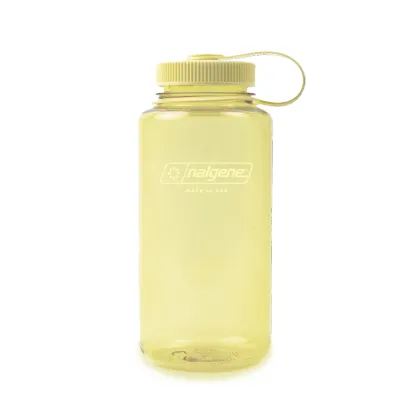
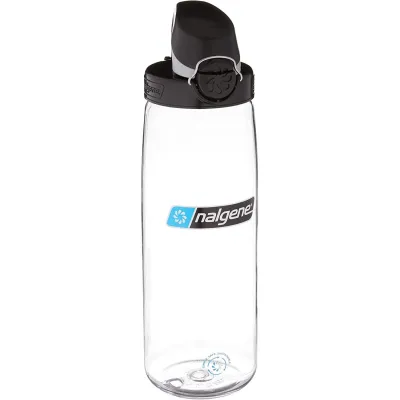
Prices are valid at publication and may change. Please refer to the product page for the latest price.
Insulation Technology: How Nalgene, Hydro Flask, and CamelBak Compare
To understand why these brands perform so differently, you must look at the materials and structural engineering behind their designs. Water bottles generally fall into two categories: single-wall containers and double-wall vacuum-insulated flasks. Mixing up these styles can lead to disappointing performance in the field.

Hydro Flask and TempShield Technology
Hydro Flask built its entire brand identity around temperature retention. Every insulated Hydro Flask utilizes a proprietary technology called TempShield. This design features two walls of pro-grade 18/8 stainless steel separated by a vacuum layer. Because a vacuum contains no air molecules, it prevents heat transfer by conduction and convection.
This double-wall construction also prevents condensation from forming on the outside of the bottle. No matter how cold your water is inside, the exterior remains dry and easy to grip. The interior stainless steel is non-reactive, ensuring your beverages maintain a clean taste without absorbing residual flavors.
CamelBak and Specialized Vacuum Lines
CamelBak offers a diverse lineup that includes both insulated and non-insulated bottles. Their premium insulation performance comes from their vacuum-insulated stainless steel lines, such as the Chute Mag Vacuum, Eddy+ Vacuum, and MultiBev series. Like Hydro Flask, these bottles employ a double-wall stainless steel build with a vacuum barrier to block thermal exchange.
CamelBak differentiates itself primarily through its lid engineering rather than the vacuum technology itself. While the thermal retention of their steel bodies matches Hydro Flask, CamelBak pairs this insulation with activity-specific caps. These include magnetic quick-stow caps for fast drinking and bite-valve systems designed for spill-free hydration during active workouts.
Nalgene and Single-Wall Tritan Copolyester
The classic Nalgene wide-mouth bottle is made from Tritan copolyester, a BPA-free plastic. This is a single-wall construction, meaning there is only one layer of plastic separating your drink from the outside air. Heat transfer occurs almost instantly through the thin plastic wall, making it impossible to maintain cold or hot temperatures for extended periods.
Nalgene also manufactures stainless steel bottles, but buyers must exercise caution. Their popular steel models are single-wall designs. While they are incredibly tough and can be placed directly on a camp stove to boil water in survival situations, they lack the vacuum layer required to keep your drinks cold.
Before purchasing any bottle online, check the product specifications carefully. Look for the terms “double-wall” or “vacuum insulated” to ensure you are getting a bottle designed for temperature retention. Both CamelBak and Nalgene sell non-insulated models that look similar to their insulated counterparts but perform very differently in hot weather.
Temperature Retention in Real-World Conditions
Technical specifications are helpful, but how these bottles perform during actual physical activities determines their true value. Whether you are training in a high-humidity indoor gym or hiking on an exposed outdoor trail, the differences in thermal performance will directly impact your comfort and hydration.
Cold Retention for Hot Weather Workouts
When exercising in tropical or summer climates, such as the year-round high heat and humidity of Singapore, keeping your water cold is more than a luxury—it helps regulate your core body temp. Double-wall vacuum bottles like the Hydro Flask and CamelBak Vacuum excel in these conditions. When filled with ice and cold water, they can keep your drink cold for an entire day, ensuring a refreshing sip during long outdoor runs or intense gym sessions.
Single-wall bottles fail to perform in high-humidity environments due to the physical phenomenon of “sweating.” When you fill a single-wall Nalgene or non-insulated steel bottle with ice water, the cold temperature transfers instantly to the outer surface. Warm, moisture-laden air hits this cold surface, causing rapid condensation.
This condensation can quickly saturate the inside of your gym bag, damage nearby electronics, and make the bottle incredibly slippery to hold. Vacuum-insulated bottles prevent this issue entirely because the outer steel wall remains at room temperature, keeping the exterior dry and secure in your hand.
Because real-world variables like ambient temperature, direct sunlight exposure, and how often you open the lid all affect performance, avoid relying on exact hourly claims. Instead, focus on the structural reality: a vacuum-insulated bottle will always keep water cold exponentially longer than any single-wall alternative.
Heat Retention for Cool Mornings and High Altitudes
If your outdoor activities take you into cooler environments, high-altitude trails, or early morning commutes, keeping beverages hot is often the primary goal. Hydro Flask and CamelBak vacuum bottles are highly effective at trapping heat. They allow you to carry hot coffee, tea, or warm electrolyte broths that remain hot for hours, providing comfort and energy when temperatures drop.
Using a single-wall Nalgene Tritan bottle for hot liquids requires extreme caution. Tritan plastic is highly durable and heat-resistant; it can withstand boiling water up to 100°C without melting, cracking, or leaching harmful chemicals. However, because it lacks insulation, that heat transfers immediately to the outside of the bottle.
Touching a Nalgene filled with boiling water can cause painful skin burns unless you use a thick, protective silicone or neoprene sleeve. Furthermore, the liquid inside will lose its heat rapidly, cooling down to ambient temperature within an hour or two. For hot drinks, vacuum-insulated stainless steel remains the safer and more effective choice.
Weight, Durability, and Field Usability
While insulation is crucial, a sports bottle must also be practical to carry and use. The physical demands of your specific sport or outdoor activity will dictate whether you should prioritize thermal performance or other physical characteristics.
Weight and Packability
For long-distance hiking, trail running, fastpacking, or cycling, every gram of gear matters. In these scenarios, Nalgene Tritan bottles are the clear winners. A standard 1-liter Nalgene wide-mouth bottle weighs approximately 180 grams when empty. This minimal weight makes it easy to pack and carry over long distances without adding unnecessary bulk to your gear.
In contrast, a 32-ounce (approximately 946 ml) double-wall insulated stainless steel bottle from Hydro Flask or CamelBak weighs around 430 to 450 grams empty. When you add the weight of the water itself, carrying an insulated steel bottle on a long trek can quickly become tiring. If your sport requires you to carry your own gear over many kilometers, the lightweight simplicity of a plastic bottle often outweighs the benefits of cold water.
Impact Resistance and Denting
Outdoor gear must be tough enough to survive accidental drops on concrete gym floors, gravel paths, or jagged rocks. Nalgene Tritan bottles are famous for their extreme impact resistance. If dropped, they will bounce, scuff, and scratch, but they rarely crack or shatter. This makes them highly reliable in rugged environments where a broken bottle could leave you without water.
Stainless steel bottles from Hydro Flask and CamelBak are also highly durable, but they react differently to impacts. A hard drop on a rock or concrete will not shatter the bottle, but it will often leave a deep dent. If a dent is severe enough to push the outer steel wall into contact with the inner steel wall, it eliminates the vacuum gap. This creates a thermal bridge, permanently destroying the bottle’s insulating capabilities and causing the exterior to sweat.
Lid Usability and Flow Rate
The ease with which you can drink while moving is a critical factor for sports usability. Each brand offers distinct lid styles to match different athletic needs:
- CamelBak: Renowned for its active-use lids. The Eddy+ features a bite-valve design that allows you to drink without tilting the bottle, which is ideal for cycling or driving. The Chute Mag uses a magnetic cap that snaps securely out of the way while you drink, preventing it from hitting your face.
- Hydro Flask: Offers versatile options, including the Flex Straw Cap for quick sipping during workouts and the standard insulated Flex Cap, which features a flexible strap that makes the bottle comfortable to carry on long walks.
- Nalgene: Features the classic wide-mouth design, which makes it incredibly easy to fill with ice cubes, clean, and mix hydration or protein powders. They also offer a narrow-mouth version that is much easier to drink from while walking or running without spilling water down your shirt.
Final Verdict: How to Choose the Right Bottle for Your Activity
Selecting the right sports water bottle requires matching the bottle’s design strengths to the specific demands of your activity, climate, and carrying method. Use the following guidelines to make your decision:
Choose Hydro Flask if:
- Your primary goal is maximum temperature control, and you want your water to stay ice-cold during hot outdoor workouts or long days at the office.
- You prefer a premium, powder-coated exterior that provides a textured grip even when your hands are sweaty.
- You are using the bottle for gym sessions, yoga, daily commuting, or casual day hikes where the empty weight of the bottle is not a major concern.
Choose CamelBak (Vacuum Insulated) if:
- You need reliable double-wall thermal retention but want specialized lid designs for active sports.
- You require a spill-proof bite valve for hands-free drinking while cycling, or a magnetic cap that stays open while you run or drive.
- You want a versatile bottle that transitions easily from high-intensity workouts to daily outdoor use.
- Check carefully: Always verify the product description online to ensure you are selecting a "Vacuum Insulated" stainless steel model, as CamelBak also sells non-insulated plastic and steel options.
Choose Nalgene if:
- You are prioritizing ultralight gear for backpacking, trail running, or multi-day treks where minimizing weight is essential.
- You want a transparent bottle that allows you to easily monitor your daily water intake or measure precise liquid ratios for mixing supplements and hydration powders.
- You need a virtually indestructible bottle that can survive heavy impacts on rocks or gym floors without losing its functionality.
- You do not care about keeping your water ice-cold and prefer a budget-friendly, low-maintenance option that is easy to clean.
Frequently Asked Questions (FAQ)
Can I put boiling water in a Nalgene Tritan bottle?
Yes, you can safely put boiling water in a Nalgene Tritan bottle. Tritan plastic is highly heat-resistant and is rated to handle temperatures up to 100°C without melting, warping, or leaching harmful chemicals like BPA or BPS. However, because the bottle is single-walled, the heat will transfer immediately to the outside of the plastic. This makes the bottle extremely hot to the touch and creates a burn hazard. If you must use it for hot liquids, always use a protective insulated sleeve or wrap the bottle in a towel before handling it.
Do insulated stainless steel bottles make water taste metallic?
High-quality insulated bottles from Hydro Flask and CamelBak are made with food-grade 18/8 stainless steel, which is non-reactive and should not impart a metallic taste to your water. If you do notice a metallic taste, it is usually caused by residual manufacturing oils, mineral buildup from hard tap water, or improper cleaning. To resolve this, wash the bottle thoroughly before its first use. You can also eliminate stubborn odors or tastes by soaking the interior with a mixture of warm water and two tablespoons of baking soda for a few hours before rinsing.
Are the lids of these vacuum-insulated bottles dishwasher safe?
While many modern stainless steel bottle bodies are labeled as dishwasher safe, you should always check the manufacturer’s specific care instructions. Generally, it is highly recommended to hand-wash the lids, especially those with complex designs. Lids for Hydro Flask and CamelBak bottles often contain silicone gaskets, bite valves, or magnetic components. The intense heat and harsh detergents of a dishwasher can warp these plastic parts, degrade the flexible silicone seals, and cause leaks. Hand-washing with warm, soapy water and a small brush ensures all small crevices remain clean and mold-free.
Community discussion
Share your experience or ask a question. Comments are reviewed before publication.