
Quick Answer: Which Bottle Keeps Water Colder?
In hot and humid tropical climates like Singapore, a double-wall vacuum-insulated sports bottle is the clear winner for keeping water ice-cold during exercise. The physical barrier of a vacuum prevents heat transfer, ensuring your water remains cold even during long outdoor training sessions. A classic single-wall Nalgene bottle, while highly durable and lightweight, allows heat from the surrounding air to warm the liquid rapidly, meaning your cold water will quickly reach ambient temperature.
However, choosing the right bottle requires balancing temperature retention against weight and durability. Nalgene bottles excel in lightweight carry and impact resistance, making them ideal for fast-paced activities where gear weight matters and drops are common. Your final decision should depend on your workout duration, environmental heat, and whether you have easy access to ice or water refills during your session.
Temperature Retention: Single-Wall Plastic vs Vacuum Insulation
To understand why these bottles perform so differently, we must look at how heat moves. Single-wall plastic bottles, typically made from Tritan co-polyester, have very little thermal resistance. When you fill a classic Nalgene with ice water and step into a warm environment, heat from the outside air quickly transfers through the thin plastic wall. This process is accelerated by high humidity, as moisture in the air condenses on the cold surface, releasing latent heat and warming your drink even faster.
Products mentioned in this guide
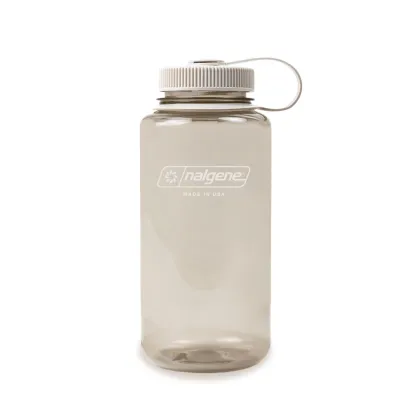
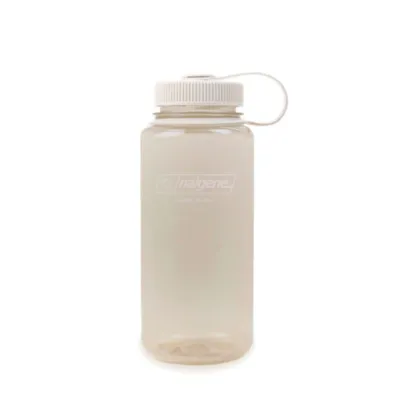
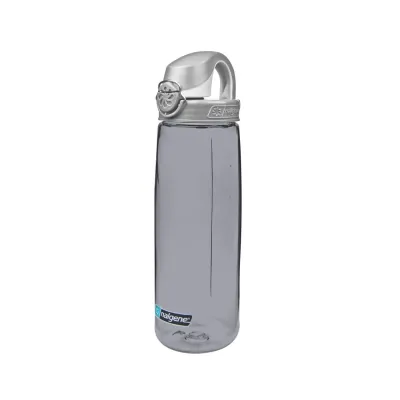
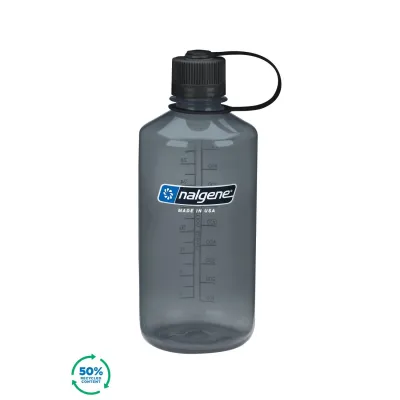
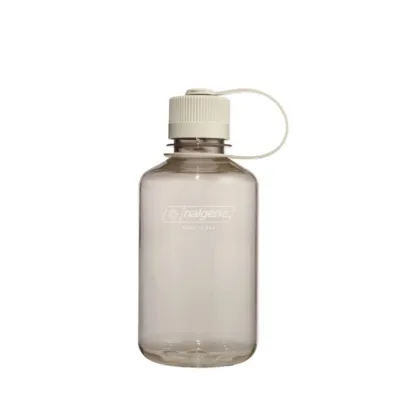
Prices are valid at publication and may change. Please refer to the product page for the latest price.

In contrast, double-wall vacuum-insulated bottles rely on a simple physical principle: heat cannot travel through a vacuum. These containers feature an inner and outer stainless steel wall with the air evacuated from the space between them. Because there are no air molecules to conduct heat, thermal transfer by conduction and convection is virtually stopped. The only way heat can enter is through the lid or neck of the bottle, which is why insulated bottles maintain cold temperatures for hours, even when exposed to direct sunlight during outdoor workouts.
For those using single-wall plastic bottles, managing water temperature requires strategic preparation. You can maximize cold retention by pre-chilling your water in the refrigerator overnight or packing the bottle with as much ice as possible before heading out. However, because there is no thermal barrier, the ice will inevitably melt rapidly during outdoor activities. If you are exercising in high-temperature environments, you must accept that a single-wall bottle will only offer cold water for the initial portion of your workout.
With insulated stainless steel bottles, pre-chilling the container itself with ice water for a few minutes before filling it can further extend its cooling performance. Because the vacuum barrier is so effective, adding even a few ice cubes can keep the water cold for the duration of a long training session. When selecting an insulated bottle, look for models with insulated lids, as the lid is often the primary point of thermal leakage.
Weight, Sweat, and Durability During Exercise
While temperature retention is a major factor, the physical weight of your gear can significantly impact your athletic performance and comfort. An empty single-wall Nalgene bottle is remarkably light, often weighing a fraction of an empty double-wall stainless steel bottle of the same capacity. When you are running, hiking, or climbing, every gram counts. Carrying a heavy steel bottle in a backpack or hand strap can lead to premature fatigue, making the lightweight plastic alternative highly attractive for weight-sensitive sports.
Another major practical consideration is condensation, commonly referred to as “sweating.” When cold water is poured into a single-wall plastic bottle in a humid environment, moisture from the air rapidly condenses on the cold exterior. This creates a slippery surface that can compromise your grip during high-intensity workouts or fast-paced movements. Furthermore, a sweating bottle can soak the contents of your gym bag, potentially damaging electronic devices, dry clothes, or paper notebooks stored alongside it. Insulated bottles do not sweat because their outer wall remains at ambient temperature, keeping your hands, gym bags, and gear completely dry.
Durability is where both materials show distinct strengths and weaknesses under active, high-impact use. Classic Nalgene bottles made from Tritan are legendary for their impact resistance; they can survive hard drops onto concrete, rocks, or gym floors without cracking or shattering. While they may scratch over time, their structural integrity remains intact. This makes them excellent for rugged outdoor activities like rock climbing or trail running where equipment is frequently bumped and dropped.
Stainless steel insulated bottles are also highly durable, but they are prone to cosmetic and structural damage from hard impacts. A drop onto a hard surface can dent the steel, scratch the powder-coated finish, and in severe cases, breach the vacuum seal. If the inner and outer walls touch due to a deep dent, the vacuum insulation is compromised, and the bottle will lose its ability to retain temperature. For high-impact sports where gear is subjected to rough handling, the resilient, non-denting nature of plastic offers a clear practical advantage.
Decision Guide: Match the Bottle to Your Workout
Choosing the right bottle comes down to analyzing your specific workout environment, the duration of your activity, and how you transport your hydration. There is no single perfect bottle for every scenario, but matching the container’s physical properties to your sport will ensure you stay hydrated without unnecessary inconvenience.
Choose Insulated Bottles if:
- You train outdoors for extended periods: If you participate in long-distance cycling, outdoor boot camps, or field sports under the midday sun, keeping your water cold is vital for refreshing hydration.
- You want to protect your gear from moisture: If you carry your bottle inside a gym bag alongside electronics, clean clothes, or training logs, the sweat-free exterior of an insulated bottle is a major benefit.
- You prefer a consistent drinking temperature: If you dislike drinking lukewarm water during a workout and want your last sip to be as cold as your first, vacuum insulation is required.
Choose Nalgene if:
- You prioritize lightweight gear: For trail running, fastpacking, or long hikes where minimizing carried weight is your primary goal, a lightweight plastic bottle is far superior.
- Your activities involve rough handling: If you need a bottle that can be dropped onto rocks, tossed into climbing gear piles, or subjected to heavy abuse without losing its functionality, classic Tritan plastic is ideal.
- You have easy access to water refills and ice: If you work out in an air-conditioned indoor gym with a water cooler nearby, you can easily refill a lightweight bottle with cold water whenever needed, making heavy insulation unnecessary.
- You are working within a specific budget: Single-wall plastic bottles generally offer a more cost-effective hydration solution compared to high-quality double-wall stainless steel options.
Pre-Purchase Verification Checklist: Before purchasing any sports bottle, verify the following specifications to ensure it matches your workout needs:
- Mouth Width: Ensure the opening is wide enough to easily accommodate ice cubes from your freezer, which is essential for keeping water cold in non-insulated bottles.
- Lid Compatibility: Check if the lid mechanism is leak-proof and easy to operate with one hand during exercise. Many brands offer interchangeable lids, such as straw lids or chug caps, for active use.
- Carrying Loop or Attachment Points: Verify that the bottle has a sturdy loop or clip point, allowing you to secure it to a backpack, climbing harness, or gym bag.
- Cage and Holder Compatibility: If you plan to use the bottle for cycling or gym equipment, measure the diameter to ensure it fits securely into standard bottle cages or cup holders.
Frequently Asked Questions (FAQ)
Can I put boiling water in a classic Nalgene bottle?
Yes, classic Nalgene bottles made from Tritan co-polyester are designed to withstand high temperatures, often up to 100 degrees Celsius (boiling point). This makes them highly versatile for outdoor activities, such as camping, where you might want to use the bottle as a hot water container to warm your sleeping bag. However, because the bottle is single-walled and has no insulation, the exterior will become extremely hot to the touch immediately. You must exercise extreme caution when handling a plastic bottle filled with boiling water to avoid burns, and always verify the specific material limits printed on your bottle’s packaging before use.
Do insulated sports bottles keep water hot as well as cold?
Yes, double-wall vacuum insulation works bidirectionally. Just as it prevents external heat from entering your cold drink, it also prevents heat from escaping your hot beverage. This makes insulated sports bottles highly versatile for both cold workouts and warm recovery drinks. However, before using your sports bottle for hot liquids, you must check the manufacturer’s instructions regarding lid safety. Many sports lids, especially those with straws or bite valves, are not designed for hot liquids because steam pressure can build up inside the bottle, causing hot liquid to spray out when opened, or the heat may degrade the silicone seals.
Community discussion
Share your experience or ask a question. Comments are reviewed before publication.