
Choosing a badminton racket is a highly personal decision that directly impacts your performance, comfort, and enjoyment on the court. If you are considering the Nanoflare 700, the core question is whether its head-light, speed-oriented design aligns with your physical capabilities and tactical approach. This racket is primarily engineered for players who value rapid maneuverability, quick defensive recovery, and fast-paced flat exchanges. However, if your game relies on heavy, steep smashes from the rear court, the lighter frame characteristics may require significant technical adjustments.
Quick Verdict: Who the Nanoflare 700 is Built For
The Nanoflare 700 is fundamentally built for the fast-paced, modern game where split-second reactions dictate the outcome of a rally. Players who thrive in the mid-court and front-court areas will find the design highly responsive. If your playing style revolves around quick drives, deceptive net play, and rapid defensive blocks, this racket is designed to complement those exact movements.
The primary trade-off of this speed-oriented design is a reduction in raw, effortless power. Unlike head-heavy rackets that use the physical mass at the top of the frame to generate momentum for heavy baseline smashes, a head-light racket requires the player to generate their own power through rapid swing speed and precise wrist snap. If you rely on the racket’s weight to drive the shuttle deep into the opponent’s court, you may find yourself working harder during long baseline rallies.
Products mentioned in this guide
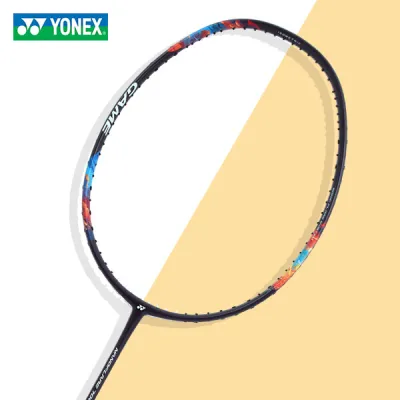
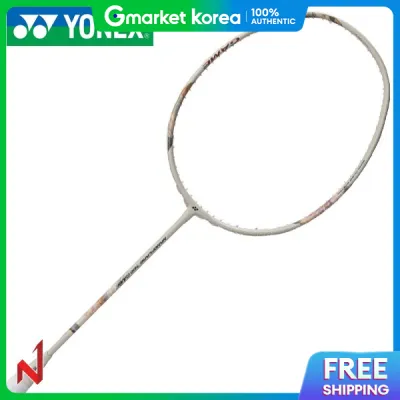
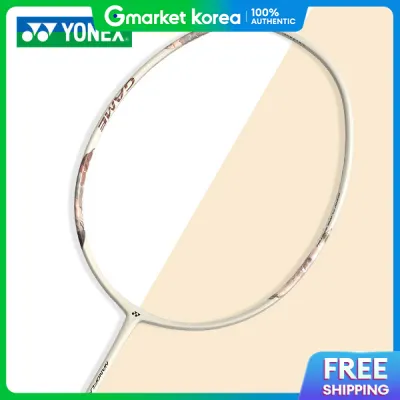
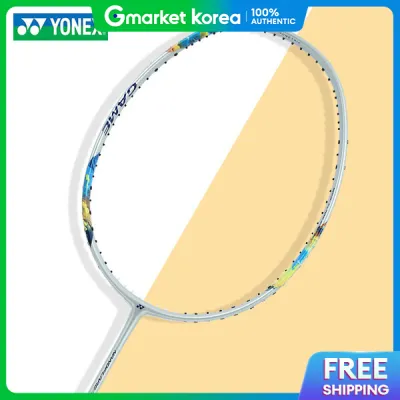
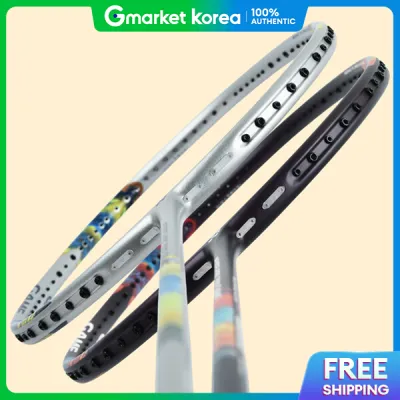

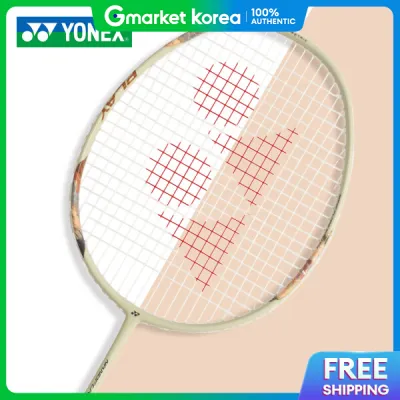
Prices are valid at publication and may change. Please refer to the product page for the latest price.
Ultimately, while design classifications provide a helpful starting point, your personal comfort, physical conditioning, and technical execution are the true deciders. A racket that feels incredibly fast in one player’s hands might feel lacking in stability for another. Evaluating how your body responds to a lighter swing weight is essential before making a final decision.
Understanding the Head-Light and Speed-Oriented Design
To understand how this racket performs, it is essential to look at the physics of a head-light balance. In badminton, balance is determined by the distribution of weight along the length of the frame. A head-light racket concentrates more of its mass closer to the handle, which significantly lowers the swing weight. This means you can transition the racket from a backhand defense to a forehand drive with minimal physical resistance.

Aerodynamic efficiency is another hallmark of speed-oriented frames. Manufacturers design these rackets with slimmer, more aerodynamic frame profiles that cut through the air with reduced drag. This design focus allows for a faster recovery time after each shot, enabling you to prepare for the next incoming shuttle much quicker than you could with a bulkier, power-focused frame.
When shopping for this model, you should avoid relying on broad generalizations about weight and balance. Instead, look closely at the specific unit’s manufacturer labels, which are typically printed on the shaft or cone. These labels indicate the exact weight classification—such as 4U (typically lighter) or 5U (even lighter)—and the grip size. Checking these official specifications ensures you select a variation that matches your physical hand size and strength profile.
Doubles vs. Singles: Which Format Benefits Most?
The spatial dynamics of your preferred game format play a massive role in whether a speed-oriented racket will benefit you. In doubles, the court is covered by two players, leading to incredibly fast, flat exchanges where the shuttle rarely rises high. In this environment, the ability to raise your racket quickly to intercept a drive or block a smash is a game-changing advantage. The head-light balance of this racket excels in these high-speed, short-range encounters.
Conversely, singles play demands a different tactical approach, often involving long, high clears and deep baseline-to-baseline rallies. Because you must cover the entire court alone, generating deep, consistent length on your clears is vital to keeping your opponent out of the attacking zone. A head-light racket does not assist as much with this depth, meaning you must rely entirely on your physical conditioning and clean hitting technique to prevent your clears from falling short.
To determine which format benefits most from this racket in your personal routine, assess your primary court position and typical rally length. If you spend eighty percent of your time playing fast-paced doubles in local Singapore community centers, the speed advantages will likely outweigh any power deficits. However, if you are a dedicated singles player who prefers to wear down opponents with heavy, deep baseline play, you must carefully consider if you have the physical technique to sustain deep clears with a lighter frame.
Attacking vs. Defensive: Matching Your Tactical Style
Your tactical style on the court should dictate your equipment choices, rather than the other way around. If you identify as a defensive player or a counter-attacker, a speed-oriented racket aligns beautifully with your tactical goals. The reduced swing weight allows you to absorb heavy smashes and redirect the shuttle into open spaces with minimal preparation time. Flat drives and quick push shots also become much easier to execute consistently.
For players who prefer an aggressive, rear-court attacking style, this racket presents distinct challenges. A steep, heavy smash requires a certain amount of mass behind the impact to transfer maximum kinetic energy to the shuttle. Without that head-heavy momentum, your smashes may feel faster through the air but lack the heavy, downward penetration needed to pierce a strong defense.
If you love the speed of a head-light frame but still want to maintain an attacking edge, you can look into adjusting your string setup. Opting for a thinner, high-repulsion string can help maximize the speed of the shuttle off the racket face. However, always ensure any adjustments remain strictly within the manufacturer’s recommended guidelines to avoid damaging the frame.
Skill Level and Physical Requirements
Using a speed-oriented, head-light racket effectively requires a specific set of physical skills. Because the racket does not generate momentum on its own, the player must produce shuttle speed through a clean, rapid wrist and forearm snap. This technique, often referred to as pronation and supination, is crucial for generating power without relying on a heavy frame.
Beginners or recreational players who have not yet developed this refined wrist action may find themselves struggling with a head-light racket. Without a proper swing technique, players often try to compensate by swinging their entire arm harder, which can lead to poor timing and inconsistent contact. If you find that your clears consistently land mid-court, it may be a sign that your current swing speed is not yet fast enough to unlock the potential of a speed-oriented frame.
Furthermore, the rapid, repetitive swings associated with defensive and drive-heavy play styles put unique physical demands on your body. Proper warm-up routines focusing on the wrist, elbow, and shoulder joints are essential before stepping onto the court. Ensuring your technique is clean and relaxed is the best way to prevent repetitive strain injuries when playing with a highly responsive, fast-swinging racket.
Pre-Purchase Checklist: How to Verify the Fit
Before committing to a purchase, it is highly recommended to perform a physical verification of the racket to ensure it matches your hand and playing style. You can find these rackets at authorized local sports retailers across Singapore, where you can physically handle the equipment before buying.
- Check the Shaft and Cone Labels: Look for the official laser-engraved or printed specifications on the racket. Verify the exact weight classification (such as 4U or 5U), the grip size (such as G5 or G6), and the recommended string tension limits.
- Perform Shadow Swings: Hold the racket with your preferred grip and perform a few slow, controlled shadow swings. Pay attention to how the static balance feels in your hand and whether the racket feels natural during quick defensive transitions.
- Assess Grip Comfort: The thickness of the handle significantly affects your wrist mobility. Ensure the grip size allows you to hold the racket securely without over-tightening your fingers, which can restrict your swing speed.
- Consult a Professional Stringer: Speak with a qualified racket technician or stringer at your local shop. They can provide valuable advice on how different string types and tensions can complement the head-light frame to suit your specific playing style.
Frequently Asked Questions (FAQ)
What string tension is recommended for a speed-oriented racket?
To find the correct string tension, always start by checking the manufacturer’s recommended tension range printed directly on the racket shaft. Generally, higher string tensions offer greater control and a crisper feel but require precise technique and faster swing speeds to generate power. Lower tensions provide a larger sweet spot and more effortless repulsion, making them more forgiving for intermediate players. You should consult a professional stringer to select a tension that balances your skill level with the racket’s physical limits.
Can I use this racket for both singles and doubles?
Yes, you can absolutely use this racket for both formats, though you may experience different performance characteristics in each. In doubles, the racket’s speed and maneuverability will feel highly advantageous during fast mid-court exchanges. In singles, you may notice a slight deficit in effortless power when trying to clear from baseline to baseline. Many players successfully bridge this gap by adjusting their playing style to focus on precise placement, deceptive drops, and rapid movement rather than relying on raw power.
Community discussion
Share your experience or ask a question. Comments are reviewed before publication.