
Choosing the right badminton racket requires a clear understanding of how physical dimensions translate to on-court performance. The Nanoflare 700 Pro is engineered specifically for players who prioritize speed, rapid defensive recovery, and agile net play. As part of a lineage known for head-light precision, this racket aims to minimize air resistance while maintaining enough structural integrity to deliver crisp, controlled shots.
To get the most out of this equipment, players must look beyond aesthetic designs and dissect the technical specifications. Factors such as weight distribution, shaft flexibility, and frame construction dictate how a racket moves through the air and transfers energy to the shuttlecock. Evaluating these elements against your personal skill level and physical conditioning is essential for optimizing your game and preventing strain.
Quick Answer: The Nanoflare 700 Pro Spec Profile
The Nanoflare 700 Pro is categorized as a high-end, speed-oriented badminton racket. Its primary design philosophy centers on a head-light balance, which reduces the swing weight and allows for exceptionally quick racket head acceleration. This makes it highly effective for fast-paced defensive exchanges, mid-court drives, and rapid interceptions at the net.
Products mentioned in this guide
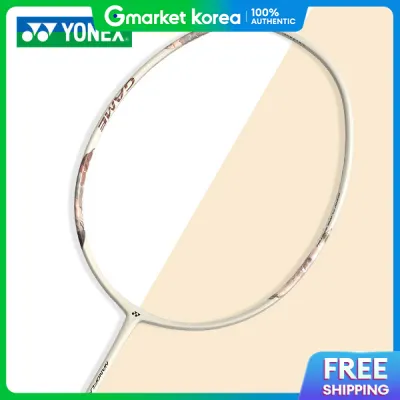
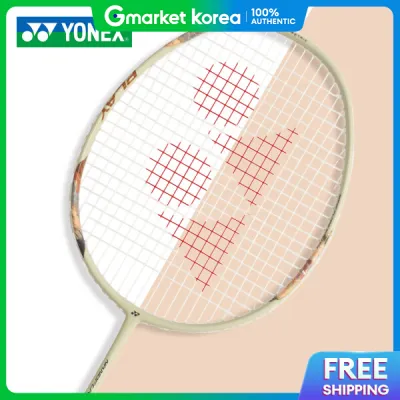
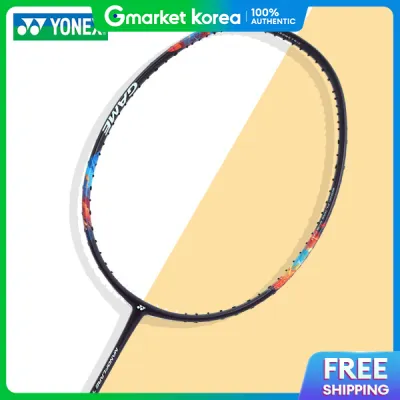
Prices are valid at publication and may change. Please refer to the product page for the latest price.
Because production configurations can vary by region and batch, players should always verify the exact specifications of their specific unit. You can typically find these details printed directly on the racket cone or the official packaging:
- Weight Class: Commonly available in 3U (heavier) or 4U (lighter) classifications.
- Grip Size: Standard sizes such as G5 or G6, which dictate handle thickness.
- Maximum Tension: The manufacturer-specified limit for string tension, usually measured in pounds (lbs).
Understanding these baseline parameters is the first step in identifying whether the racket aligns with your physical capabilities. A racket that is too heavy or too stiff for your current technique can lead to shoulder fatigue, while an incorrect grip size can compromise your control over subtle finger-power shots.
Weight and Balance: Decoding Swing Speed and Maneuverability
The physical weight of a racket and how that weight is distributed are the two most critical factors influencing maneuverability. A head-light balance means that more of the racket’s total mass is concentrated toward the handle rather than the head. This design lowers the moment of inertia, allowing you to transition quickly from a backhand defense to a forehand drive.

In fast-paced doubles play, where split-second reactions determine the outcome of a rally, a head-light setup provides a distinct tactical advantage. It allows you to manipulate the racket face with minimal wrist strain, making it easier to defend smash shots or execute deceptive net drops. However, this maneuverability comes with a trade-off: because there is less mass in the racket head, generating raw, heavy power from the rear court requires more physical effort and faster arm speed from the player.
Overall weight classes further refine this experience:
- 4U Classification: This lighter option reduces overall muscle fatigue, making it highly suitable for long, exhausting matches or players who rely on rapid-fire wrist movements.
- 3U Classification: This slightly heavier option offers more natural momentum and plow-through, which can aid in delivering deeper clears and more stable blocks, though it demands greater forearm strength.
Before purchasing, check the sticker on the shaft or handle to confirm the weight class of the unit. Keep in mind that any aftermarket modifications will alter these factory specifications. Adding a thick replacement grip, wrapping multiple overgrips, or applying lead tape to the frame will shift the balance point, either accentuating or dampening the racket’s native head-light characteristics.
Shaft Flex and Frame Aerodynamics: Power Transfer Explained
While balance dictates how easily a racket swings, the shaft flex and frame shape determine how energy is transferred to the shuttlecock. The Nanoflare 700 Pro features a medium-to-stiff shaft profile designed to offer a balance between responsive control and power generation.
Shaft stiffness behaves as a timing mechanism during your swing:
- Stiff Shafts: These require a highly explosive swing speed and precise timing to bend the shaft. When swung with sufficient speed, a stiff shaft snaps back instantly, offering direct feedback and excellent directional control. Advanced players benefit from this because it prevents the racket head from lagging during quick-fire rallies.
- Flexible Shafts: These bend more easily, acting like a slingshot to help players with slower swing speeds clear the shuttlecock deep into the opponent's court. However, they offer less immediate control and can feel slightly unstable during high-speed exchanges.
Frame aerodynamics also play a pivotal role in maintaining high swing speeds. The frame profile of this racket is engineered with streamlined contours to minimize drag. By reducing the frontal surface area that meets the air during a stroke, the racket cuts through the air cleanly, allowing you to generate higher head speeds with less physical exertion.
Rather than assuming a stiffer shaft is always superior, players should honestly assess their swing mechanics. If you struggle to generate depth on your clears, a medium-flex profile or a lighter weight class may yield better results than an ultra-stiff setup that your wrist and forearm cannot fully flex.
Is This Spec Profile Right for Your Playstyle?
No single badminton racket is universally perfect for every player or venue. The speed-oriented, head-light profile of the Nanoflare 700 Pro is highly optimized for specific tactical scenarios and physical profiles.
Who Benefits Most:
- Doubles Specialists: Particularly front-court players who need to intercept drives, push the shuttle down quickly, and dominate net skirmishes.
- Defensive Players: Those who rely on quick reflexes, lift recovery, and counter-attacking drives to wear down aggressive opponents.
- Players with Quick Wrist Action: Athletes who generate power through rapid forearm rotation and finger snap rather than long, sweeping arm motions.
Who Should Exercise Caution:
- Singles Power Hitters: Players who play a patient game from the backcourt and rely on heavy, steep smashes may find a head-heavy racket more satisfying, as it provides more natural downward momentum.
- Beginners with Unrefined Technique: Developing players who lack the explosive swing speed required to flex a stiffer shaft may struggle to clear the shuttle consistently, potentially leading to elbow strain.
In humid playing environments, such as community sports halls in Singapore, environmental factors can also influence how your equipment behaves. High humidity can cause string tension to decay more rapidly, which directly impacts the feel and control of your racket. Ultimately, physical specifications are only one part of the performance equation; finding the right synergy between the frame, your physical conditioning, and your string setup is key to unlocking your full potential on the court.
Frequently Asked Questions (FAQ)
What string tension is recommended for this racket?
The recommended string tension range is printed directly on the shaft or the cone of the racket. For high-performance frames, staying within the manufacturer’s specified limits is crucial for preventing structural damage. High tensions (such as those above 26 lbs) offer a crisp feel, high repulsion, and precise control, but they shrink the sweet spot and require excellent technique to avoid arm injury. Lower tensions (such as 20 to 24 lbs) enlarge the sweet spot and provide a trampoline effect that aids in power generation, making it more forgiving for intermediate players. Always consult an experienced stringer to match your tension to both your skill level and the local climate.
Does the Nanoflare 700 Pro come pre-strung from the factory?
High-performance, tournament-grade rackets like this one are almost always sold unstrung as a bare frame. This allows competitive players to customize their setup by choosing their preferred string model and precise tension. When purchasing, check the retailer’s listing carefully; while some online marketplaces and specialized local pro shops sell the frame only, many offer professional in-house stringing services as an optional add-on at the point of sale.
Community discussion
Share your experience or ask a question. Comments are reviewed before publication.