
Finding the right natural rubber yoga mat in Singapore involves evaluating material purity, density, thickness, and texture against your specific practice style and budget. While premium brands command a higher price, the true value lies in verifiable specifications like open-cell construction, weight, and certified non-toxic processing rather than marketing claims alone. In Singapore’s warm and humid climate, a mat’s performance can change rapidly depending on how it manages sweat and environmental moisture. Understanding the technical differences between various natural rubber options is essential to securing a durable, high-performing surface that supports your practice for years to come.
Key Quality and Durability Indicators to Check
When comparing natural rubber yoga mats, the first step is to verify the purity of the material. Many products marketed as natural rubber are actually blends containing synthetic elastomers, thermoplastic elastomers (TPE), or polyurethane (PU) top layers. To assess this, check the product specifications and labels for the exact material composition. Pure natural rubber mats offer excellent natural traction and environmental sustainability, but they are heavier and carry a distinct natural scent. Blended mats may offer a smoother texture or lighter weight, but they often lack the long-term resilience and biodegradable properties of 100% natural rubber.
Surface texture plays a critical role in maintaining grip during your practice. Natural rubber mats generally feature either an open-cell or closed-cell surface structure. Open-cell mats act like a sponge, absorbing moisture and sweat to maintain a high-friction grip even during intense, sweaty sessions. However, this absorption means they require more frequent and deep cleaning to prevent hygiene issues. Closed-cell mats repel moisture, keeping sweat on the surface where it can be easily wiped away, but they can become slippery unless paired with a specialized yoga towel. Inspect the surface pattern closely; textured, textured-grain, or fabric-like finishes can provide additional mechanical grip.
Products mentioned in this guide

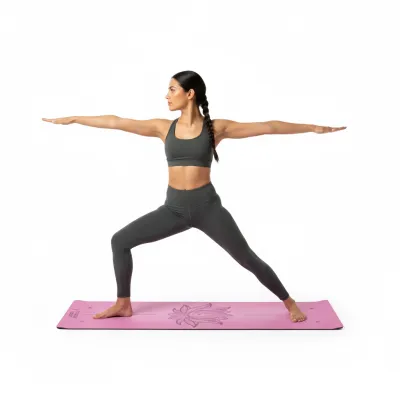
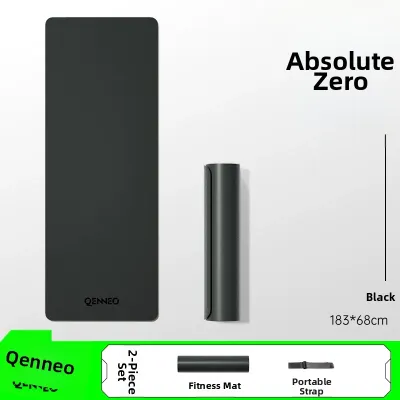
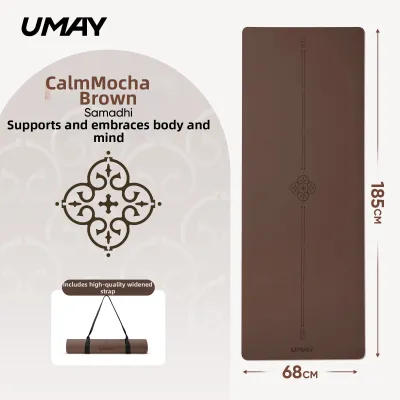
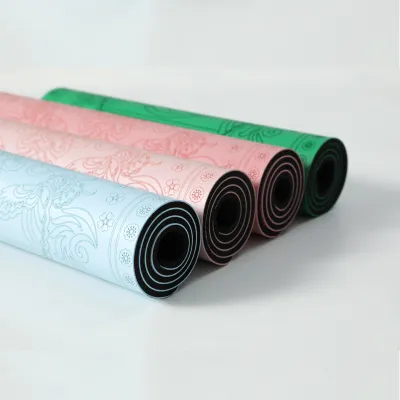
Prices are valid at publication and may change. Please refer to the product page for the latest price.
Durability is heavily influenced by the internal construction of the mat. High-quality natural rubber mats often incorporate an internal mesh scrim or a dual-layer design with a fabric core. This reinforcement prevents the rubber from stretching out of shape during dynamic movements like jump-backs or wide lunges. Without this structural layer, pure rubber can easily tear, warp, or flake at the edges over time. When shopping, gently pull the corners of the mat to check for excessive elasticity; a high-quality mat should resist stretching and immediately snap back into its original shape.
Finally, look for reputable material and safety certifications on the packaging or manufacturer website. Certifications such as OEKO-TEX Standard 100 or the Forest Stewardship Council (FSC) serve as reliable verification points. These labels confirm that the rubber was harvested from sustainably managed forests and processed without harmful chemical plasticizers or toxic dyes. While these certifications do not guarantee absolute physical performance, they provide peace of mind regarding chemical safety and environmental responsibility, which are key considerations for a product that comes into direct contact with your skin.
Matching Thickness and Density to Your Practice
The thickness of a natural rubber mat directly impacts both your joint comfort and your stability during standing poses. Standard thicknesses typically range from ultra-thin travel versions of 1.5mm to 3mm, up to cushioned studio models of 4mm to 6mm. Thinner mats are highly portable and fold easily into a travel bag, making them excellent for yogis who commute via public transport in Singapore or practice outdoors in local parks. They provide a firm, stable connection to the floor, which is highly beneficial for balance-intensive styles like Vinyasa or Ashtanga. However, they offer minimal cushioning for sensitive knees, elbows, or hips.

Thicker mats, ranging from 4.5mm to 6mm, offer substantial joint protection and are ideal for restorative, Yin, or floor-heavy practices where poses are held for extended periods. The extra cushioning absorbs impact and reduces pressure on bony prominences. The trade-off is weight and portability. Because natural rubber is an inherently dense and heavy material, a 5mm pure rubber mat can easily weigh between 2.5kg and 3.5kg. Carrying such a heavy mat during a daily commute can be cumbersome, so these thicker models are generally best suited for home setups or dedicated studio storage.
Density is just as important as thickness when evaluating stability. A high-density mat prevents your hands and feet from sinking too deeply into the material, which helps maintain proper joint alignment and balance. Low-density foam mats might feel soft to the touch, but they compress completely under pressure, leaving your joints resting against the hard floor. Natural rubber is naturally dense, offering a solid, grounded feel that supports your wrists in poses like Downward-Facing Dog. When choosing a mat, balance your need for joint cushioning against the physical weight you are willing to carry and the level of stability required for your preferred yoga style.
Price Tiers and Value Assessment in Singapore
In the Singapore market, natural rubber yoga mats generally fall into three distinct price tiers. Entry-level options, often priced under S$80, typically feature thinner profiles or blended materials where natural rubber is combined with synthetic polymers to reduce production costs. While these mats are budget-friendly, they may wear out faster under regular use. Mid-range mats, ranging from S$80 to S$150, usually offer solid, single-layer or dual-layer natural rubber construction with reliable grip and standard durability. These mats represent the sweet spot for most dedicated practitioners looking for a balance of performance and longevity.
Premium natural rubber mats, priced from S$150 to over S$250, are characterized by high-density harvested rubber, advanced open-cell surface technologies, reinforced inner layers, and strict environmental certifications. At this price point, you are paying for superior durability, ethical sourcing, and specialized manufacturing processes that minimize chemical odors. When deciding whether a higher S$ price tag is justified, look closely at the weight, thickness, and certification details rather than relying solely on brand prestige. A premium price should always correspond to verifiable material quality and construction features.
Where you purchase your mat also affects its overall value and authenticity. Buying directly from official brand stores or authorized specialty sports retailers in Singapore ensures that you receive a genuine product backed by a manufacturer warranty. These physical stores also allow you to feel the texture and weight of the mat before buying. While general online marketplaces or third-party sellers may offer attractive discounts, they often carry risks of counterfeit goods, older stock that has degraded in storage, or a complete lack of return policies. Always verify the seller’s credentials and return terms before making a purchase.
Decision Framework: Which Specification Fits Your Needs?
To select the ideal natural rubber yoga mat, start by analyzing your primary practice style and location. If your routine consists of dynamic, standing-heavy, or balance-focused styles like Ashtanga, Power Yoga, or Vinyasa, prioritize stability and grip. A dense, standard-thickness mat of 3mm to 4mm will provide the firm foundation you need to transition smoothly between poses without losing your balance or slipping. This thickness also strikes a practical balance between sufficient joint protection and manageable carrying weight for commuting to local studios.
If your practice leans toward restorative, Yin, or floor-based routines, or if you have sensitive joints that require extra cushioning, choose a thicker mat of 5mm or more. The increased thickness will provide the necessary comfort for long-held poses, protecting your spine, knees, and wrists from the hard floor. Keep in mind that these mats are significantly heavier, so they are best reserved for home use or studios where you can store your equipment. If you must travel with a thick mat, consider investing in a sturdy, ergonomic carrying strap or bag to distribute the weight comfortably.
Before finalizing your purchase, verify any personal physical constraints or external rules that might affect your choice. Because natural rubber is harvested from rubber trees, it naturally contains latex proteins. If you have a known latex allergy or highly sensitive skin, natural rubber mats are not suitable, and you should look for high-quality synthetic alternatives instead. Additionally, check if your preferred yoga studio has specific guidelines regarding mat sizes or materials, as some spaces have limited floor layouts that may not comfortably accommodate oversized mats.
Care and Maintenance for Longevity
Proper care is essential to preserve the natural grip and extend the lifespan of a natural rubber yoga mat. Natural rubber is an organic, biodegradable material that is highly sensitive to environmental factors. In Singapore’s tropical climate, exposing your mat to direct sunlight or high heat can cause the rubber to oxidize rapidly. This process leads to drying, cracking, flaking, and a permanent loss of grip. Never leave your mat in a hot car trunk or hang it in direct sunlight to dry; always choose a shaded, cool indoor area with good air circulation.
Cleaning your mat requires a gentle touch to avoid stripping the natural oils that keep the rubber supple. After a sweaty practice, wipe the surface down with a soft cloth dampened with water or a highly diluted solution of mild, oil-free soap. Avoid using harsh chemical cleaners, bleach, or alcohol-based sprays, as these will degrade the rubber structure and ruin the grip. Do not use essential oils or vinegar unless they are explicitly approved by the manufacturer, as certain oils can clog the open-cell pores of the mat, making it permanently slippery. Allow the mat to air-dry completely before rolling it up.
When storing your mat, always roll it with the top practice surface facing outward. This rolling method ensures that the corners of the mat lie flat on the floor when you unroll it for practice, preventing tripping hazards. It also protects the delicate grip surface from developing permanent creases or wrinkles. Avoid folding the mat, as this can cause the rubber to crack along the fold lines. Store the rolled mat horizontally in a cool, dry place away from moisture to prevent mold or mildew growth, especially during Singapore’s humid monsoon seasons.
Frequently Asked Questions (FAQ)
Are natural rubber yoga mats suitable for hot yoga?
Natural rubber mats are highly suitable for hot yoga due to their excellent wet grip. The open-cell structure of natural rubber absorbs sweat, which actually increases traction and prevents slipping during high-sweat sessions. However, the combination of intense moisture, body oils, and heat can accelerate the breakdown of natural rubber over time. To protect your investment, check the manufacturer’s guidelines to ensure the mat is rated for hot yoga, and consider using a specialized microfiber yoga towel on top of the mat to absorb excess sweat and reduce the frequency of deep cleaning.
How can I check for latex sensitivity before committing to a purchase?
Because natural rubber is harvested directly from the Hevea brasiliensis tree, it naturally contains latex proteins that can trigger allergic reactions. If you have a known, severe latex allergy, you should avoid natural rubber mats entirely and opt for hypoallergenic synthetic materials like TPE or specialized polyurethane. For those with mild sensitivities or uncertainty, check if the manufacturer uses a purification process that significantly reduces latex proteins. You can also contact the retailer to see if they offer small material samples or swatches that you can test against your skin before purchasing a full-sized mat.
Is the initial odor of a new natural rubber mat normal, and how long does it last?
Yes, a distinct, earthy, or rubbery smell is completely normal for a brand-new natural rubber yoga mat. This odor is a natural characteristic of the raw material and is not caused by harmful chemical off-gassing or synthetic additives. The intensity of the smell varies depending on the brand and manufacturing process, but it typically dissipates within a few weeks of regular use. To speed up this process, unroll the mat and leave it in a well-ventilated, shaded indoor area for several days. Never use artificial fragrances, harsh deodorizing sprays, or direct sunlight to mask the smell, as these can permanently damage the rubber’s texture and grip.
Community discussion
Share your experience or ask a question. Comments are reviewed before publication.