
Evaluating the Neenca elbow brace against established industry benchmarks like Bauerfeind and McDavid requires looking beyond brand names to analyze specific support mechanisms, material technologies, and intended use cases. The right choice depends on your physical condition, activity level, and budget. Neenca generally positions itself as a cost-effective option for daily wear and mild sports compression, while Bauerfeind and McDavid cater to medical-grade joint rehabilitation and high-intensity athletic protection, respectively. Because support needs vary widely, comparing key specifications and understanding how to verify fit is essential before making a purchase.
An elbow brace is a tool to assist joint stability and manage discomfort, but it cannot replace proper physical conditioning, technique training, or professional medical judgment. If you are experiencing severe pain, joint instability, or a suspected ligament tear, you must consult a healthcare professional before selecting or wearing any support device.
Understanding Brand Positioning and Typical Use Cases
Each of these three brands targets a distinct segment of the joint support market, utilizing different design philosophies to address user needs. Understanding these general positions helps narrow down your options based on whether you require light everyday comfort, clinical-grade therapy, or rugged sports protection.
Products mentioned in this guide
![NEENCA [2 Pack] Professional Elbow Brace Compression Elbow Sleeves. Med ical Elbow Support for TendonitisTennis or Golf Elbow. Arm Support Sleeves for Sports Protection and Pain Relief - Pair Wrap](https://img.lazcdn.com/g/p/083ab07494140360912a5247e5792aea.jpg_400x400q80.jpg_.webp)
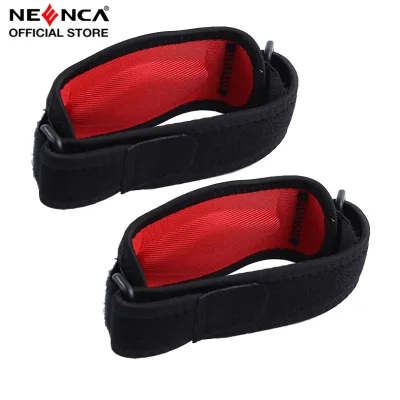
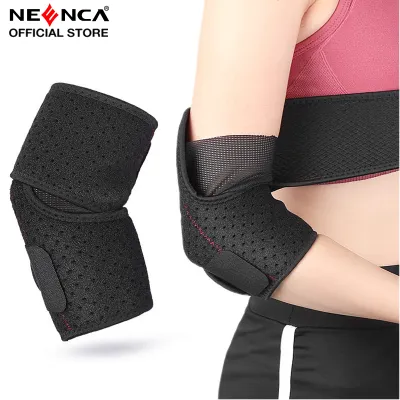
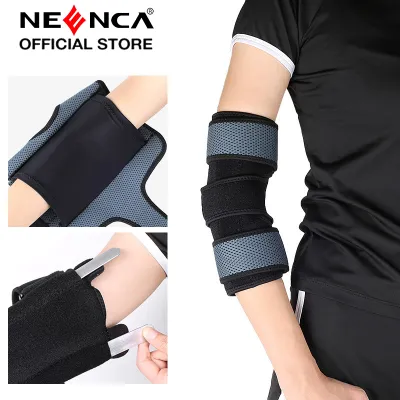
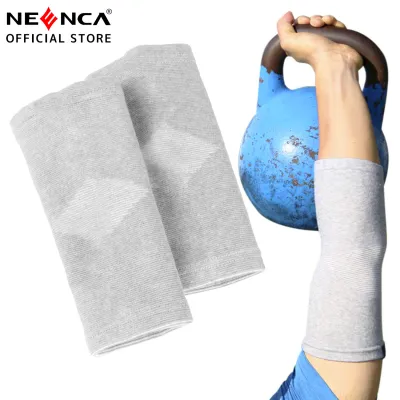
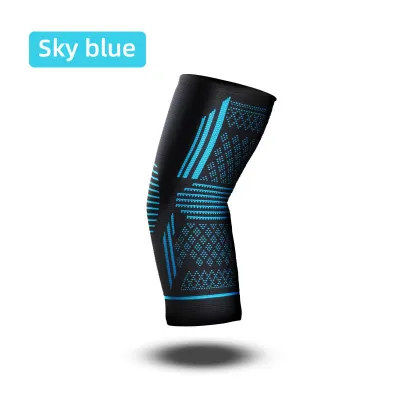
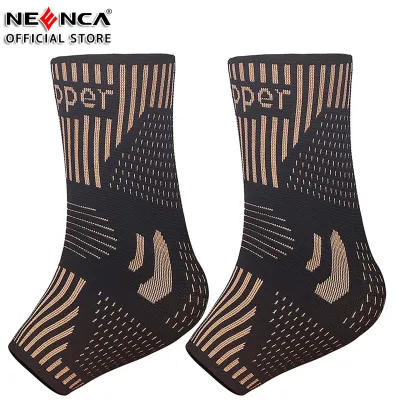
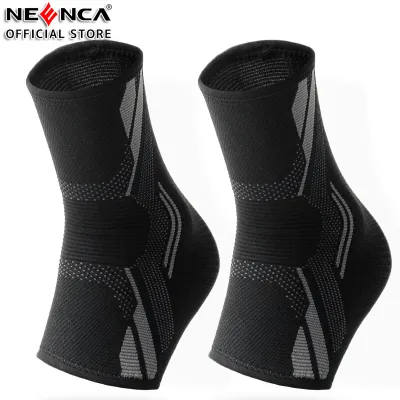
Prices are valid at publication and may change. Please refer to the product page for the latest price.
Neenca focuses primarily on accessible, everyday joint support. Their designs often incorporate highly elastic circular-knit fabrics combined with functional elements like side spring stabilizers and silicone gel pads. This makes them highly popular for general joint warmth, mild compression during light gym sessions, and managing low-grade chronic stiffness. They offer a practical entry point for users who need basic joint awareness and light stabilization without a significant financial investment.
Bauerfeind is widely recognized for its medical-grade orthopedic supports. The brand emphasizes anatomical precision, utilizing advanced flat-knit technology that conforms closely to the contours of the elbow. Their products are engineered to provide graduated compression, which promotes circulation and helps reduce swelling and inflammation. This medical-oriented approach makes them a common recommendation among physiotherapists for post-operative recovery, chronic joint conditions, and long-term rehabilitation where precise pressure distribution is critical.
McDavid is deeply rooted in competitive sports medicine and athletic protection. Their product lineup is designed to withstand the high-impact demands of contact sports, court games, and heavy lifting. McDavid frequently utilizes thermal neoprene, adjustable strap systems, and targeted padding to shield the joint from external impacts and restrict harmful, sudden movements. If your primary goal is protecting your elbow during high-intensity sports like basketball, tennis, or rugby, their heavy-duty designs are built specifically for those environments.
Key Specifications to Compare Across Models
To make an objective comparison, you must look at the technical specifications of individual models. Do not rely on brand reputation alone; instead, verify the following design elements on the product packaging or manufacturer specification sheets.

Support Level Classification
Supports are generally categorized into three levels of stabilization. Level 1 offers mild compression and is typically a simple slip-on sleeve designed for minor soreness and joint warmth. Level 2 provides moderate, targeted support, often incorporating adjustable straps or gel pads to relieve pressure on specific tendons. Level 3 delivers maximum stability, utilizing rigid stays, hinges, or complex strapping systems to restrict range of motion. Ensure the model you select matches the specific level of support required for your activity or recovery stage.
Material Composition and Breathability
The choice of material directly impacts comfort, especially during prolonged wear or in warm, humid climates. Neoprene is highly durable and excellent at retaining therapeutic heat, which can soothe stiff joints, but it tends to trap sweat and can cause skin irritation if worn for long periods. Knit fabrics, particularly flat-knits, offer superior breathability and moisture-wicking properties, allowing heat to escape while maintaining consistent compression. If you plan to wear the brace in tropical weather or during intense cardio workouts, prioritizing breathable knit materials is crucial for skin health.
Sizing and Measurement Accuracy
An improperly fitted elbow brace can cause localized swelling, restrict blood circulation, or slide down constantly, rendering the support ineffective. Always refer to the manufacturer’s specific sizing chart rather than relying on your standard clothing size. To find your size, use a flexible measuring tape to measure the circumference of your elbow joint while your arm is slightly bent. Some brands also require measurements of the forearm (approximately 12 centimeters below the joint) and the bicep (approximately 12 centimeters above the joint) to ensure a secure, contoured fit.
Matching the Brace to Your Activity or Elbow Condition
Selecting the right support requires matching the mechanical design of the brace to the specific physical demands of your condition or sport. Different injuries require different structural interventions.
Tendonitis (Tennis or Golfer's Elbow)
Lateral epicondylitis (tennis elbow) and medial epicondylitis (golfer’s elbow) are repetitive strain injuries affecting the tendons that attach to the elbow joint. To manage these conditions, look for braces that feature targeted counterforce straps or integrated silicone pressure pads. These components apply localized pressure to the forearm muscles just below the painful area, absorbing vibrational forces and reducing the strain placed on the tendon attachments during repetitive gripping or swinging motions.
Post-Injury Recovery and Joint Instability
If you are recovering from a ligament sprain, hyperextension injury, or minor fracture, your joint requires physical boundaries to prevent re-injury. In these scenarios, look for braces equipped with bilateral stabilizers, spring stays, or adjustable hinges. These structural elements restrict lateral twisting and prevent the elbow from locking out or hyperextending, allowing the soft tissues to heal in a stable environment. These rigid supports should generally be worn under the guidance of a medical professional.
General Warmth and Mild Compression
For managing mild arthritis, general age-related stiffness, or low-intensity repetitive tasks like typing or light gardening, a lightweight compression sleeve is often sufficient. These sleeves provide gentle, continuous pressure that enhances proprioception—your body’s awareness of joint positioning—which can improve movement patterns and reduce minor aches. A simple, highly breathable knit sleeve is ideal here, as it can be worn comfortably under clothing for several hours.
Verifying Fit, Comfort, and Safety Boundaries
Once you have purchased a brace, you must verify its fit and monitor your body’s response during the first few uses. Proper application is critical to avoid secondary complications.
First, perform a circulation check immediately after putting on the brace and periodically during use. Press firmly on one of your fingernails on the hand of the braced arm until it turns pale, then release it; the color should return to normal within two seconds. If your fingers feel cold, numb, experience a tingling sensation, or display a bluish tint, the brace is too tight. Loosen the straps or transition to a larger size immediately to prevent nerve or vascular compression.
Second, monitor your skin for sensitivity or allergic reactions. Many braces utilize silicone non-slip bands, latex elastics, or synthetic rubbers like neoprene. If you develop redness, itching, a burning sensation, or a rash, discontinue use immediately. You may need to switch to a hypoallergenic, latex-free knit sleeve or wear a thin cotton under-sleeve beneath the brace.
Finally, assess the brace for slippage and migration during active movement. Perform a few light, controlled movements typical of your sport or daily routine. If the brace slides down the arm, bunches up in the crease of the elbow, or requires constant manual readjustment, it is not providing consistent support. This indicates an incorrect size, a worn-out elastic structure, or an unsuitable design for your specific limb shape.
Making Your Final Decision: A Conditional Framework
To choose the right elbow brace, evaluate your primary goals against this conditional decision framework:
- Choose Neenca if you are looking for a budget-friendly, highly elastic option for everyday wear, light gym workouts, or managing mild, non-specific joint stiffness. It is an excellent choice if you prefer integrated gel padding and flexible side stabilizers at an accessible price point.
- Choose Bauerfeind if you require premium, medical-grade compression for chronic joint conditions, post-operative recovery, or long-term rehabilitation. This is the ideal investment if you prioritize anatomical precision, exceptional breathability for all-day wear, and clinically backed joint stabilization.
- Choose McDavid if you need heavy-duty protection, impact resistance, or customizable strapping for high-intensity competitive sports. This brand is highly suited for athletes who require robust thermal retention, shock absorption, and rigid physical boundaries to prevent hyperextension.
Regardless of the brand you choose, always prioritize a correct fit and listen to your body’s signals. If your elbow pain persists, worsens, or is accompanied by swelling and localized heat, discontinue use and seek a professional medical evaluation.
Frequently Asked Questions (FAQ)
Can I wear an elbow brace all day for tennis elbow?
No, you should not wear a targeted compression strap or a highly restrictive elbow brace all day unless specifically instructed by a healthcare professional. Continuous, tight compression can restrict local blood circulation and lead to muscle weakness or atrophy over time, as the brace takes over the stabilizing work of your muscles. It is generally recommended to wear the brace primarily during the activities that trigger your discomfort, such as sports, lifting, or repetitive manual work, and to remove it during periods of rest to allow the muscles and tissues to recover naturally.
How do I wash and maintain my elbow brace to extend its lifespan?
To preserve the elasticity, structural integrity, and hygiene of your elbow brace, always follow the manufacturer’s care label. As a general rule, hand wash the brace in cold water using a mild, pH-neutral detergent. Avoid using bleach, fabric softeners, or harsh chemical cleaners, as these can degrade elastic fibers, break down adhesives, and damage silicone non-slip bands. Gently squeeze out excess water without wringing or twisting the fabric, and lay the brace flat to air dry in a well-ventilated indoor area away from direct sunlight and heat sources. Never place the brace in a clothes dryer, as high heat will warp the materials and ruin the fit.
Community discussion
Share your experience or ask a question. Comments are reviewed before publication.